Why Costa Ricans Are Called Ticos and Ticas
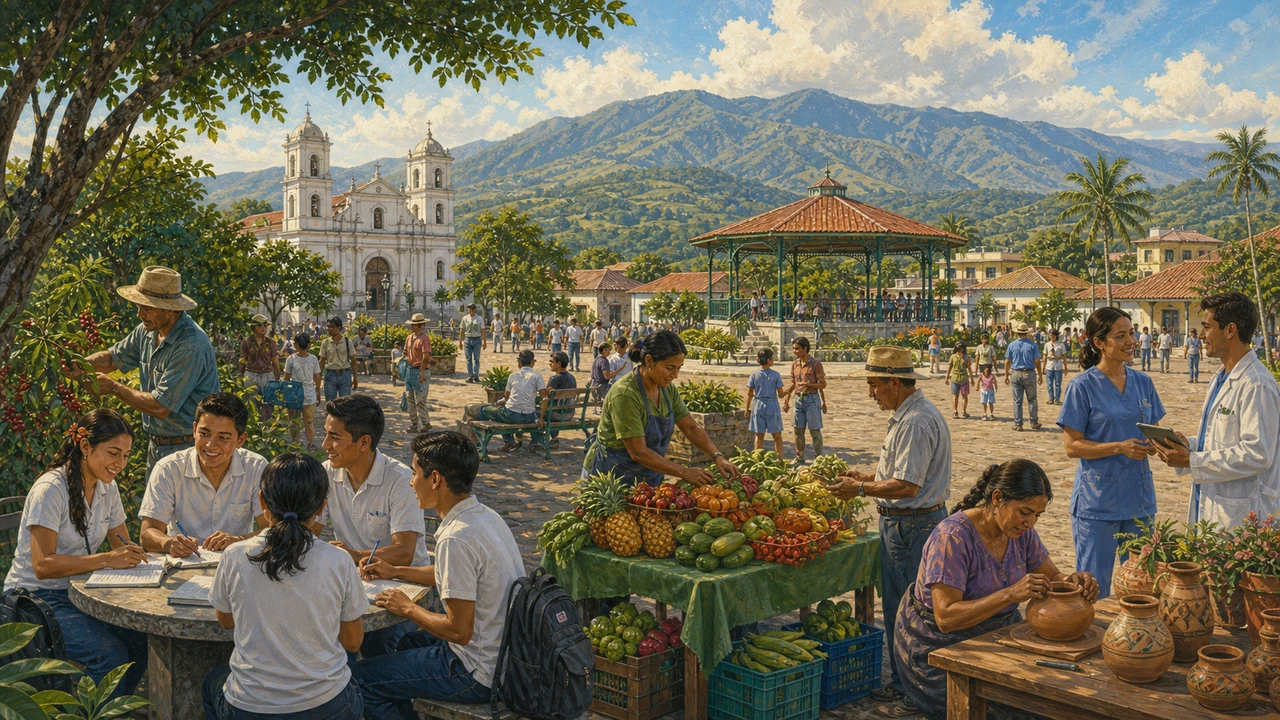 Costa Ricans are called Ticos, and Ticas when referring to women, because of a small linguistic habit that turned into a national identity. If you spend any time in Costa Rica, you will hear the word constantly. People call themselves Ticos with pride, local businesses use the word in branding, and the label appears in everything from food to sports to everyday conversation. Understanding the nickname helps explain something larger: the tone, humor, and warmth of Costa Rican society.
The linguistic origin
In Spanish, diminutives are often formed with -ito and -ita. Costa Ricans have long favored a related pattern, especially in words that already end in a t sound. Instead of saying momentito, a Tico may say momentico. That habit is one of the traits that led other Spanish speakers to nickname them Ticos.
What began as an outside observation became an inside identity. The word is now completely embraced. Ticos use it naturally to describe themselves and their culture. Tica follows the same logic for women and feminine forms.
That makes the nickname more than just a language quirk. It is a living marker of national identity.
Pura vida as a cultural code
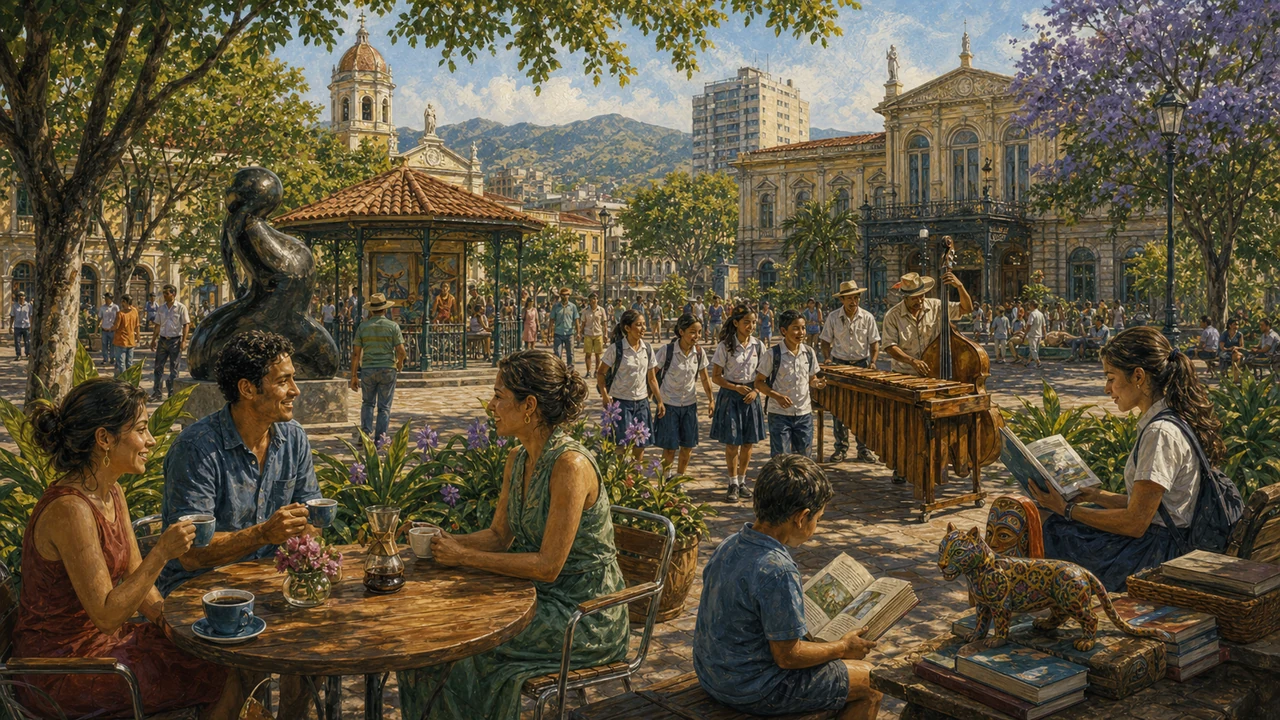 No explanation of Tico identity is complete without pura vida. Literally, it means pure life, but in practice it does far more work. It can mean hello, goodbye, thanks, all good, no problem, or life is beautiful. It is one of the most efficient and recognizable phrases in Costa Rica.
Pura vida fits the country’s broader civic identity. Costa Rica abolished its army in 1948 and redirected national energy toward education, health, and democratic stability. The phrase carries that same optimism. It suggests resilience without aggression and ease without indifference.
Visitors quickly notice that using pura vida is one of the fastest ways to sound a little more local.
Tiquismos and everyday speech
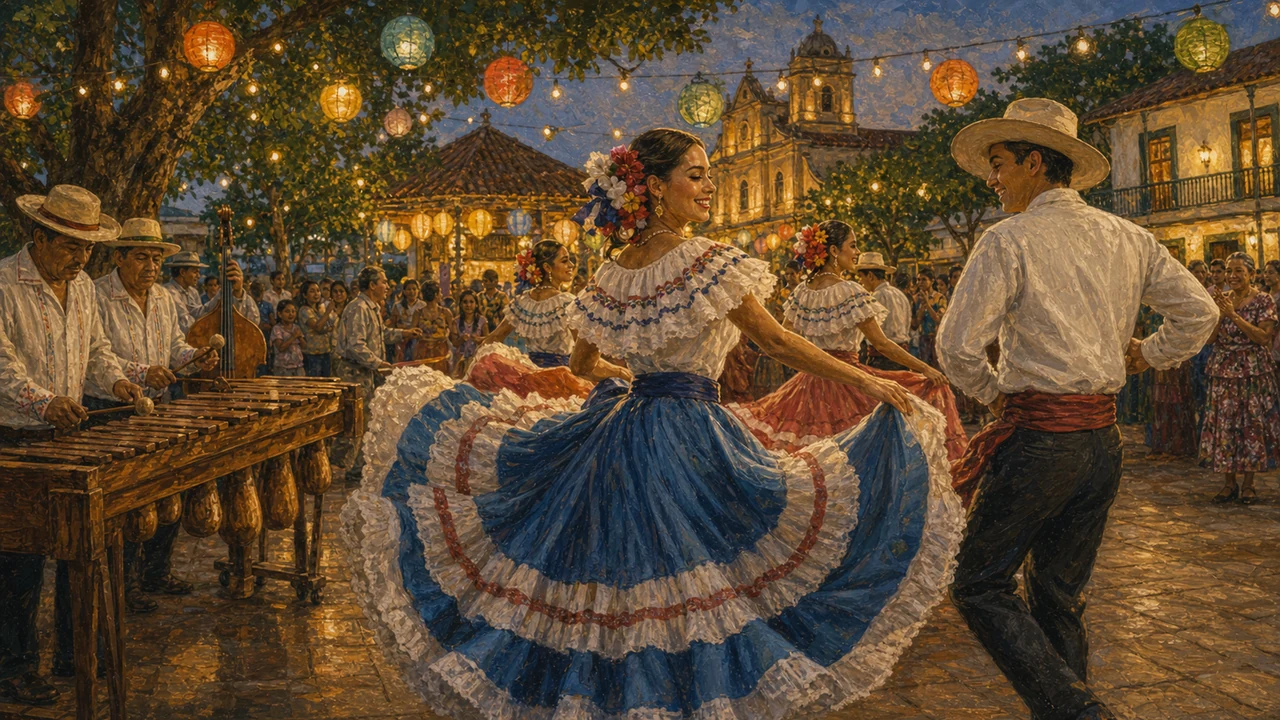 Every country has slang, but Costa Rica has a particularly colorful set of local expressions known as tiquismos. These words are part of what makes Costa Rican Spanish instantly recognizable.
- Mae means dude or man, and it is used constantly in casual conversation.
- Tuanis means cool or great and is one of the most beloved local terms.
- Que chiva means awesome or really nice.
- Diay is an all-purpose interjection that can express surprise, emphasis, or resignation.
These expressions help define the spoken texture of Costa Rica. They also show how Tico identity is built not only through history and politics, but through language used in daily life.
What Tico pride looks like
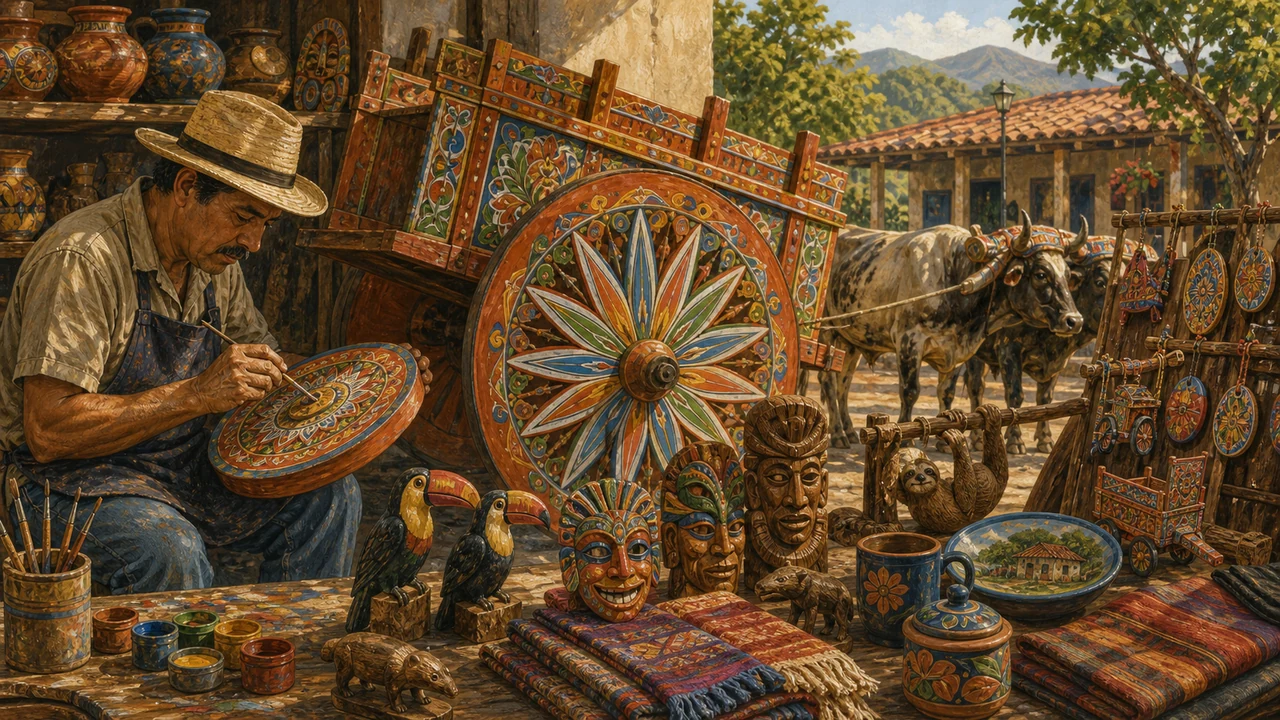 Being Tico is about more than geography. It is a way of moving through the world. Tico pride tends to be warm, modest, and confident rather than loud. It shows up in hospitality, in family life, in the way people greet strangers, and in a national preference for peace over confrontation.
Costa Rica’s strong literacy rates, democratic continuity, and environmental protection efforts all contribute to that identity. The country’s protected areas, wildlife, and biodiversity are not just tourism assets. They are part of how many Costa Ricans understand who they are.
For that reason, the word Tico often carries a broader meaning than a simple nationality label. It points to a worldview shaped by peace, nature, and community.
How visitors experience the term
Travelers usually encounter the word Tico very early in their trip. It may appear in conversation, on signs, in menus, or in the names of local products. Once you recognize it, the word becomes a useful key to the country.
A few practical habits help visitors connect more easily:
- Learn a few basic Spanish phrases.
- Use pura vida naturally.
- Do not rush conversations or interactions.
- Ask people about their food, nature, and local traditions.
Those small gestures are usually met with warmth. Costa Ricans are proud of their identity, but they are not precious about it. They tend to enjoy when visitors make the effort to understand the culture.
For more context, the Costa Rica travel tips page covers practical trip planning, while why visit Costa Rica explains why the country leaves such a strong impression on so many travelers.
Tico and Tica
Spanish is gendered, so the distinction between Tico and Tica follows standard grammar. Men and boys are Ticos. Women and girls are Ticas. Mixed groups usually take the masculine plural form, los Ticos. The same pattern applies to related adjectives and expressions.
That is a small grammar point, but it reflects something larger: the way language, identity, and everyday culture are woven together in Costa Rica.
The people and society section explores more of that broader cultural landscape, from traditions to modern life. If the nickname Tico seemed mysterious at first, it becomes much easier to understand once you see how much of Costa Rican life it reflects.
Frequently asked questions
Why are Costa Ricans called Ticos?
Costa Ricans are called Ticos and Ticas because of their tendency to use the diminutive -tico instead of the standard Spanish -ito. The nickname began as a linguistic observation and became a proud national identity.
What does pura vida mean?
Pura vida literally means pure life, but in Costa Rica it works as a greeting, a farewell, and a general expression that life is good. It is one of the clearest expressions of Tico culture.
What does mae mean in Costa Rican Spanish?
Mae is a common Costa Rican slang word roughly equivalent to dude or man. It is used casually between friends and is one of the most recognizable tiquismos.
Is Tico a respectful term?
Yes. Tico and Tica are affectionate, widely embraced words that Costa Ricans use with pride to describe themselves, their culture, and their way of life.
Do Costa Ricans speak Spanish differently?
Yes. Costa Rican Spanish has its own rhythm, vocabulary, and local expressions. The country is also known for clear pronunciation and a distinctive set of tiquismos.