Costa Rica Islands: Cocos, Tortuga, Caño & More
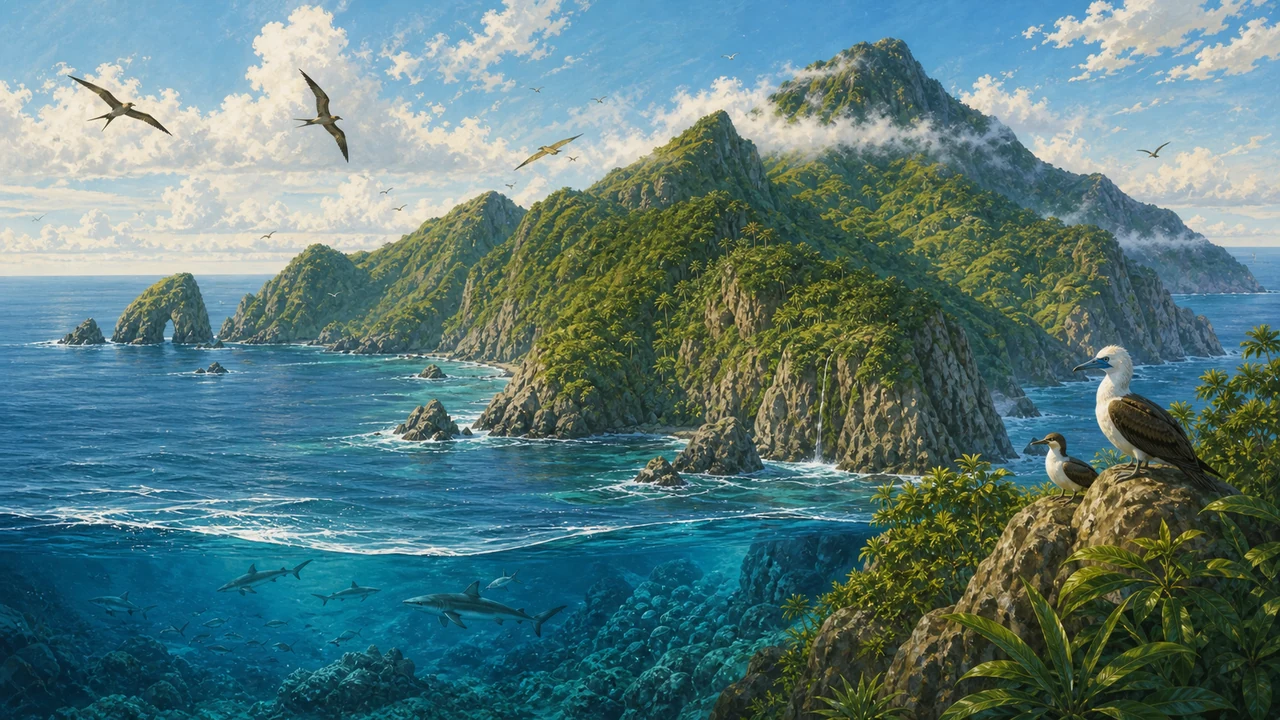 Costa Rica’s islands offer some of the most dramatic and diverse experiences in the country — from a remote UNESCO World Heritage dive destination in the Pacific Ocean to mango-fringed day-trip beaches just an hour from the mainland. Scattered across the Gulf of Nicoya and along both coasts, each island has a distinct personality: wildly remote wilderness, rich marine reserves, living fishing communities, and wildlife refuges that double as open-air history lessons. Taken together, they extend Costa Rica’s extraordinary ecotourism & nature beyond its shores.
Cocos Island — Costa Rica’s Remote Pacific Jewel
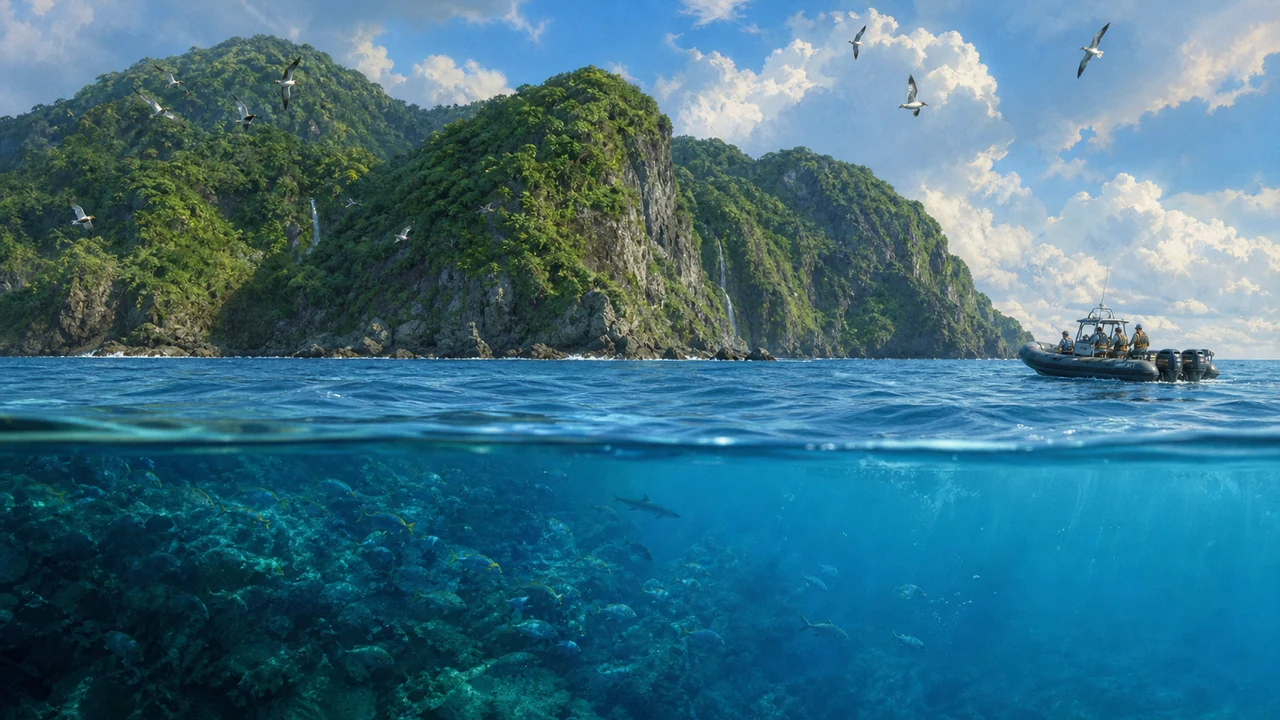 Roughly 550 km (340 miles) southwest of the Osa Peninsula, Cocos Island (Isla del Coco) is one of the most celebrated dive destinations on the planet. The island is uninhabited — only a small park-ranger station maintains a permanent presence — and its surrounding waters belong to one of the most productive ocean ecosystems in the Eastern Tropical Pacific.
UNESCO designated Cocos Island National Park a World Heritage Site in 1997, recognizing its extraordinary marine biodiversity. The park protects an enormous area of open ocean, seamounts, and the island itself, where three distinct coral communities shelter hundreds of fish species. Scuba diving at Cocos Island with schooling hammerhead sharks is the experience most visitors come for — aggregations of hundreds of scalloped hammerheads around seamounts like Alcyone and Dirty Rock are legendary among divers worldwide. You are also likely to encounter whale sharks, Galápagos sharks, silky sharks, manta rays, dolphins, and humpback whales in season.
The island itself is lushly forested with cascading waterfalls — including the famous Cascada Wafer — and is home to endemic bird species found nowhere else on Earth. Because of its extreme remoteness, the only way to visit Cocos Island is via a licensed liveaboard dive boat, which typically spends seven to ten days at sea. The journey is not for the casual tourist; it is an expedition for serious divers willing to invest the time and budget for a once-in-a-lifetime experience.
Caño Island Biological Reserve — Diving the Osa Coast
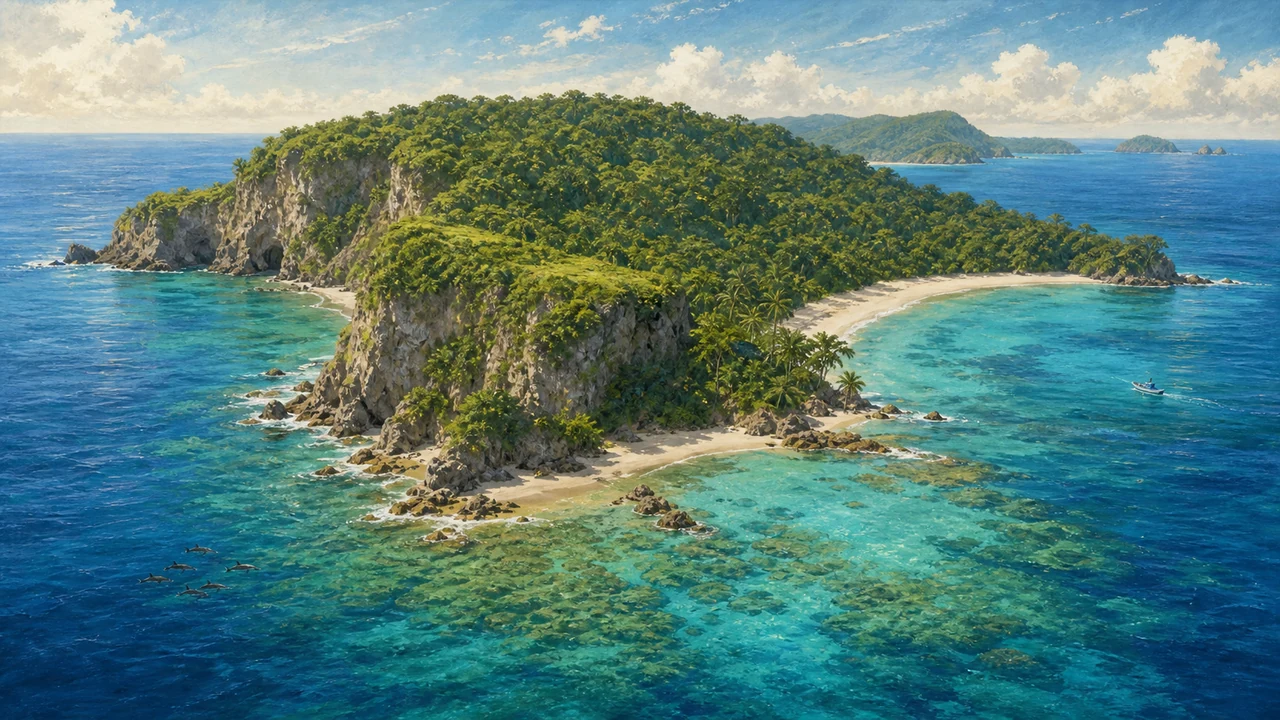 Closer to the mainland and far easier to reach, Caño Island Biological Reserve sits about 20 km off the Osa Peninsula, making it an ideal day-trip diving and snorkeling destination from Drake Bay or Sierpe. The island sits within a protected marine zone where fishing is prohibited, allowing marine life to flourish in calm, clear waters.
Divers regularly encounter white-tip reef sharks resting on the sandy bottom, schools of jacks and snappers, sea turtles, spotted eagle rays, and the occasional bull shark. The coral gardens are among the healthiest on Costa Rica’s Pacific coast. Snorkelers also have an excellent experience in the shallower zones near the shore.
On land, Caño Island has additional historical significance: pre-Columbian stone spheres — the same mysterious granite orbs found on the Osa mainland — have been discovered here, suggesting the island had ritual importance to the Diquís culture. Most tours combine a dive or snorkel session with a brief island walk. Caño Island is a natural complement to a visit to Corcovado National Park on the adjacent Osa Peninsula.
Tortuga Island — The Classic Gulf Day Trip
If Cocos Island is the expedition and Caño Island the dive reserve, Tortuga Island is the postcard. Located in the Gulf of Nicoya near the southern tip of the Nicoya Peninsula, Isla Tortuga is renowned for its powder-white sand beaches, calm turquoise water, and approachable tropical forest.
The island’s name comes from the sea turtles that nest on its beaches. For visitors, the experience is relaxed rather than adventurous: most come on catamaran day trips from Puntarenas with snorkeling, kayaking, and a beach barbecue included. The snorkeling is pleasant — tropical fish, coral, and the occasional ray — though it does not rival Caño or Cocos in marine biodiversity. The beaches are genuinely beautiful, the setting is photogenic, and the ease of access makes it popular with families and cruise passengers.
Tortuga Island is privately operated, which keeps the facilities well maintained. It is a reliable choice for a relaxed beach day with a taste of island life, linked naturally to a stay in Puntarenas or the central Pacific coast.
The Gulf of Nicoya Islands — Chira, San Lucas, and the Bat Islands
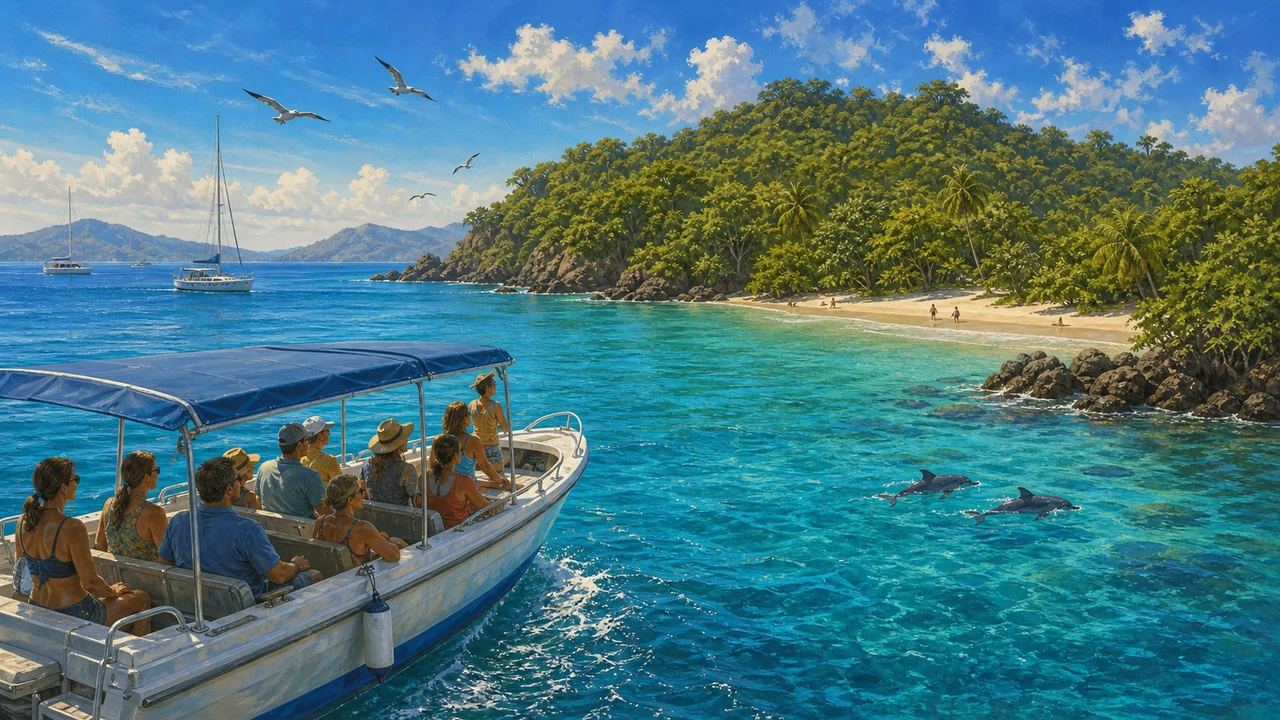 The Gulf of Nicoya holds Costa Rica’s largest concentration of islands, most of them unknown to mainstream tourism. Three are particularly worth knowing about.
Chira Island is the largest island in Costa Rica and home to a working fishing community. It is accessible by ferry from Puntarenas. The island is flat, edged with mangroves, and rich in birdlife — frigate birds, pelicans, herons, and roseate spoonbills are commonly seen. Community-based tourism initiatives offer boat tours through the mangrove channels and homestay experiences. Birdwatching and mangrove kayaking on Chira Island attract travelers who want something genuinely off the tourist trail.
San Lucas Island carries a darker history. For over a century it served as Costa Rica’s most feared penitentiary — a place once called “the island of men forgotten by God.” The prison closed in 1991 and the island became a wildlife refuge. Nature has largely reclaimed the grounds: deer, monkeys, and birds move through the old cellblocks, and the surrounding waters have recovered enough to attract decent snorkeling. Tour operators now run day trips from Puntarenas combining wildlife, forest walks, and a tour of the eerie prison ruins. It is a haunting and memorable excursion unlike anything else in Costa Rica.
The Bat Islands (Islas Murciélagos), off the northern Guanacaste coast near Santa Rosa National Park, are a magnet for divers seeking bull shark encounters in Costa Rica’s Pacific waters. The area is exposed and current-swept, which suits experienced divers rather than beginners, but the reward is extraordinary — large bull sharks, manta rays, and prolific reef life in a wild, undeveloped setting. Access is typically by dive boat from the Guanacaste coast.
Planning Your Island Visits
The islands vary dramatically in logistics and required experience level. A few key points:
- Cocos Island requires a liveaboard booking months in advance; check with licensed Costa Rican dive operators. The park charges an entry fee paid through the tour operator.
- Caño Island tours depart from Drake Bay and Sierpe. Most operators combine diving and snorkeling; the island is typically visited as part of an Osa Peninsula itinerary.
- Tortuga Island catamaran tours depart from Puntarenas and the Los Sueños marina area; several operators offer hotel pickup from San José or Jacó.
- Gulf of Nicoya islands (Chira, San Lucas) are reached by ferry or small boat from Puntarenas. Community tourism on Chira requires some coordination with local operators.
- Year-round, the Pacific has two distinct seasons. Calm, dry-season waters (December–April) make diving and island crossings easier; the green season (May–November) brings rougher seas, especially around Cocos.
For broader context on what the ocean offers, explore Costa Rica’s diving activities and the full network of national parks and protected areas. The islands are among the country’s greatest ecological treasures — remote, protected, and increasingly relevant to anyone who cares about ocean conservation.
Frequently asked questions
Do I need a permit to visit Cocos Island?
Yes. Cocos Island is a national park managed by SINAC. Visitors must enter on a licensed liveaboard dive expedition that arranges the required park permit. Independent landings without authorization are not allowed.
Can I visit Tortuga Island as a day trip?
Absolutely. Tortuga Island is the most accessible of Costa Rica's Pacific islands. Day-trip catamaran tours depart daily from Puntarenas and nearby marinas, typically including snorkeling, kayaking, a beach barbecue, and return transport.
What can I see diving at Caño Island Biological Reserve?
Caño Island offers clear waters, healthy coral reefs, and abundant marine life including white-tip reef sharks, manta rays, sea turtles, moray eels, and large schools of fish. Visibility is often exceptional, making it one of the best dive sites on Costa Rica's Pacific coast.
Is Chira Island worth visiting?
Chira is Costa Rica's largest island and offers an authentic rural experience — mangroves, fishing villages, and birdwatching — rather than resort tourism. It suits travelers interested in community-based ecotourism and off-the-beaten-path destinations.
What is San Lucas Island known for?
San Lucas Island, in the Gulf of Nicoya, was the site of Costa Rica's most notorious penitentiary, operating from the 1870s to 1991. Today it is a wildlife refuge with wildlife, forest trails, and the haunting ruins of the old prison.