Cocos Island: Costa Rica's Remote UNESCO Dive Paradise
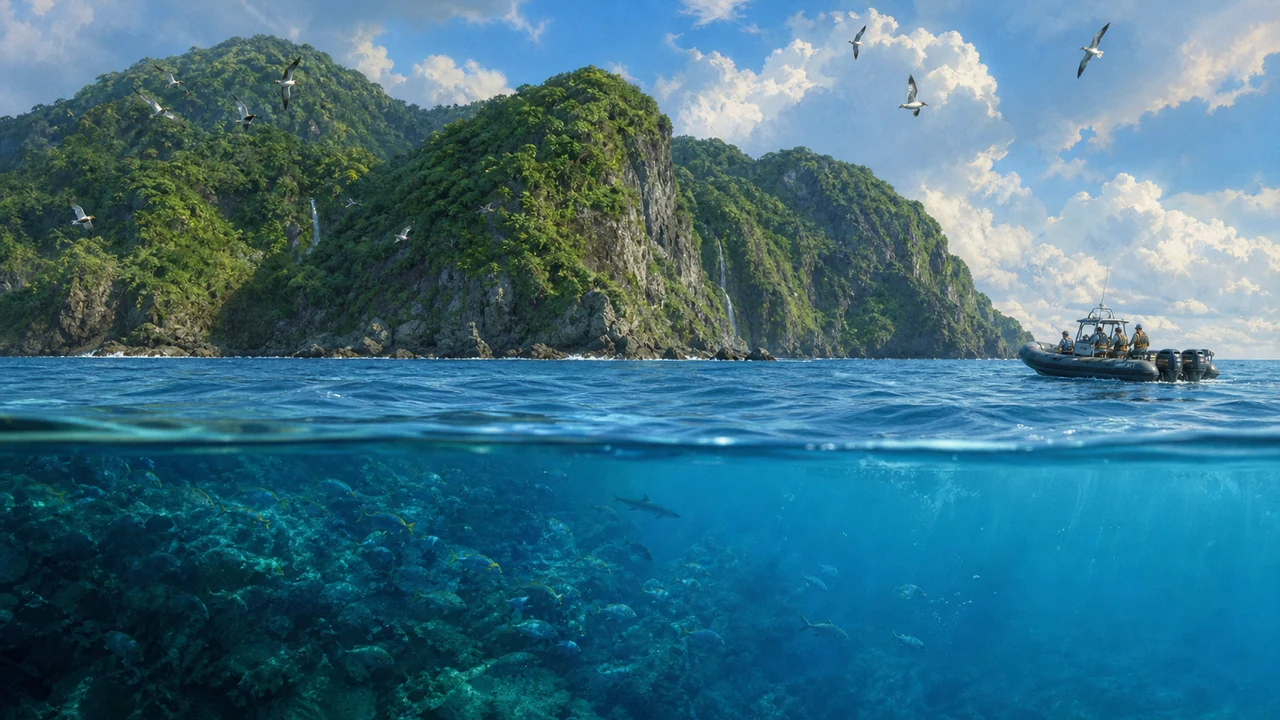 Cocos Island is one of the most remote and biologically remarkable places on Earth — a volcanic island rising from the Pacific Ocean roughly 550 kilometers southwest of Costa Rica’s mainland coast, and one of only a handful of oceanic islands recognized as a UNESCO World Heritage Site. For serious divers and naturalists, reaching it is the goal of a lifetime.
This is a highlight overview of the island. For full details on the protected area, permits, and dive sites, see the dedicated Cocos Island National Park and Isla del Coco National Park pages.
A Natural Sanctuary Far from Shore
Cocos Island has been part of Costa Rica’s national territory since 1869 and was incorporated into the national park system in 1978. Its extreme isolation — and the near-total absence of human settlement — have made it an extraordinary refuge for species found nowhere else on the planet.
The island receives exceptional rainfall, around 7,000 mm per year, which sustains dense, perpetually green vegetation. Botanists have recorded approximately 235 plant species on the island, a significant proportion of them endemic, including native ferns, bromeliads, and the copei tree. The fauna is equally impressive: 85 bird species (including seabirds that use the island as a nesting ground), reptiles, insects, and small mammals — some introduced centuries ago by passing ships — share this compact landscape.
Because the island is so isolated from the mainland, it has long attracted scientists interested in island biogeography and species evolution in isolation. Researchers continue to use Cocos as a living laboratory to study how life adapts when cut off from continental gene pools.
World-Class Diving Below the Surface
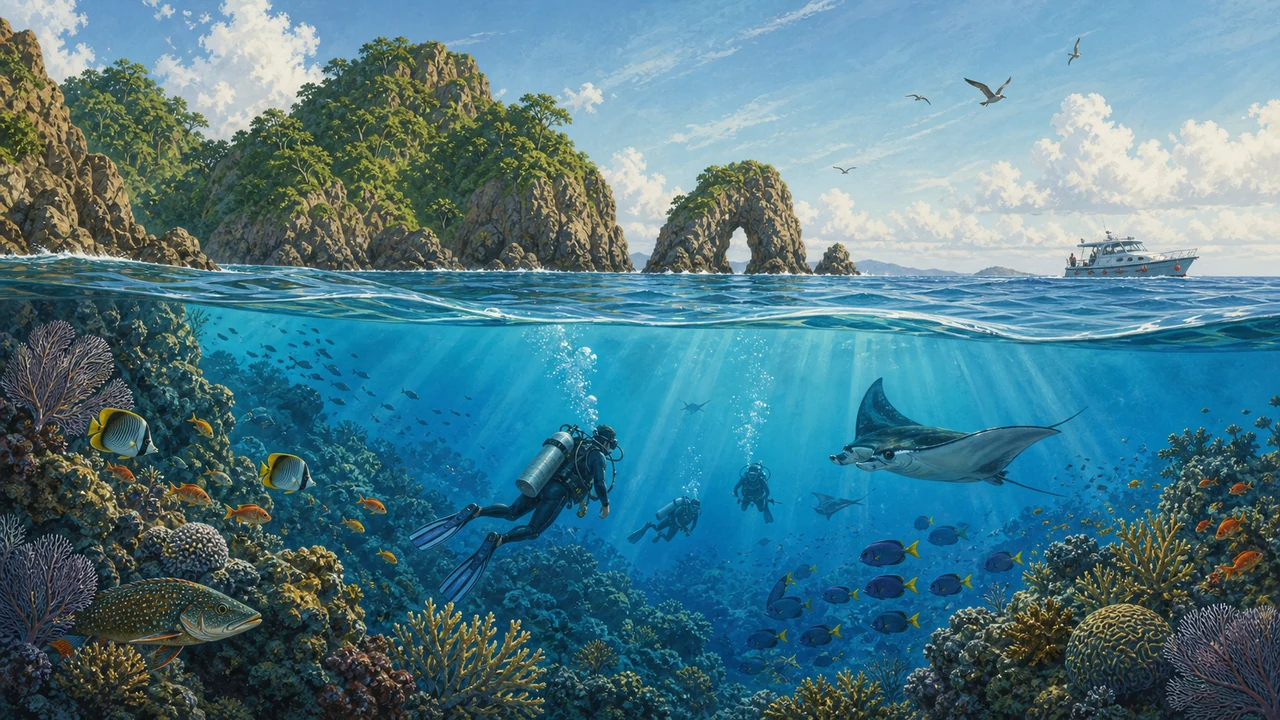 The waters surrounding Cocos Island are the island’s most celebrated feature. Cold, nutrient-rich upwellings from the deep Pacific converge here, creating conditions that support a stunning food web — and the megafauna that depend on it.
The sea around the island hosts more than 200 fish species, 57 types of crustaceans and mollusks, and 18 distinct coral species. Visibility in the water is often exceptional, and the underwater topography includes submarine caves, walls, and seamounts that give divers a constantly changing landscape to explore.
What truly sets Cocos apart is the large-pelagic diving experience in the Eastern Pacific. Scalloped hammerhead sharks gather in schools that can number in the hundreds. Whale sharks pass through regularly. Manta rays, bottlenose dolphins, marlin, and tuna are common sightings. The white-tip reef shark is so numerous here that divers often see dozens resting on the seafloor simultaneously. For those seeking face-to-face encounters with open-ocean sharks, no destination in the Americas compares.
Explore the full range of diving in Costa Rica to understand how Cocos fits into the country’s broader underwater offerings.
Getting There: A True Expedition
 Reaching Cocos Island is part of the adventure. All expeditions depart from Puntarenas on the Pacific coast, and the crossing takes approximately 32 to 36 hours by liveaboard vessel. There are no flights, no day trips, and no budget options — visiting Cocos Island means committing to a multi-day liveaboard itinerary, typically five to ten nights, aboard a purpose-built dive boat.
Expedition packages generally include all meals, guided dives, and national park fees. The remoteness, permit requirements, and specialized equipment needed mean that liveaboard diving expeditions to Cocos Island sit at the premium end of the adventure travel market. Most operators depart seasonally; check current scheduling and availability well in advance, as spaces fill quickly.
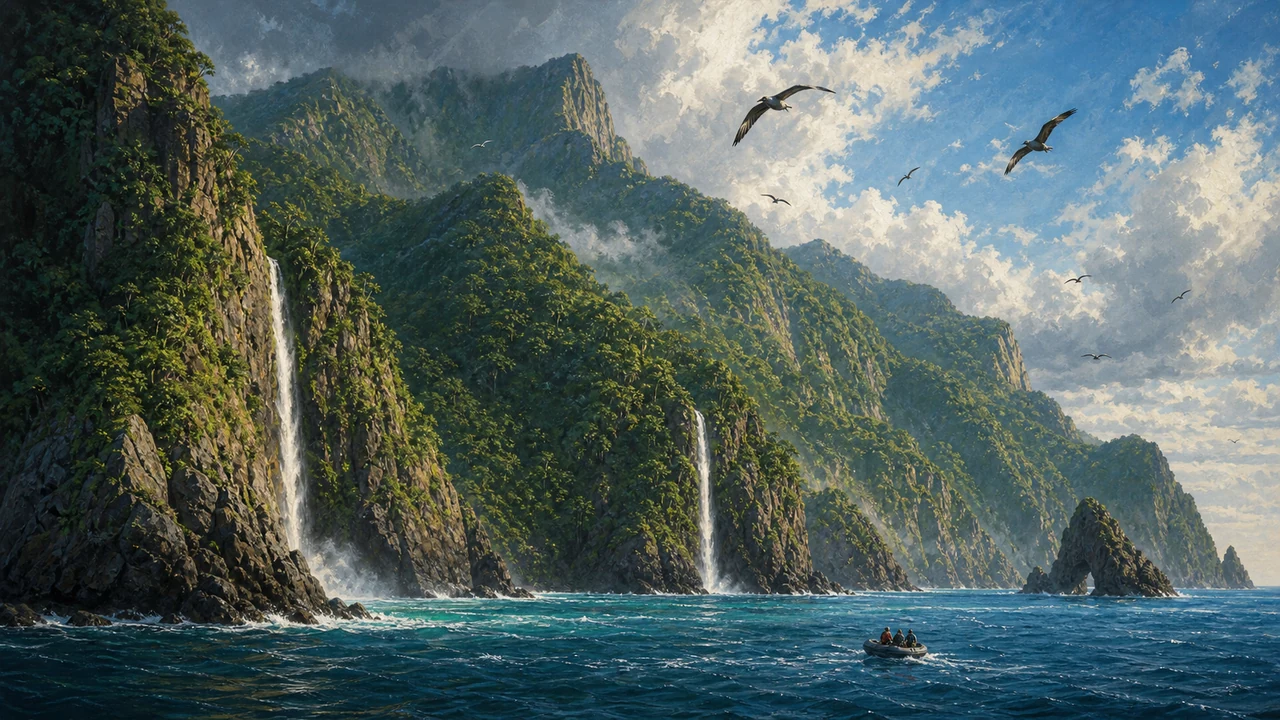
Because there is no accommodation on land, visitors experience the island entirely from the water — diving during the day, anchored offshore at night, with the island’s forested ridgelines and waterfalls as a constant backdrop.
Pirate Legends and the Treasure of Lima
Cocos Island was charted by Spanish navigators in the early sixteenth century, and its name derives from the coconut palms and fresh water that made it a reliable provisioning stop for ships crossing the Pacific. That same isolation later made it a preferred hiding place for pirates and corsairs during the seventeenth and eighteenth centuries.
Between the 1680s and the early 1820s, several privateers reportedly cached their plunder somewhere in the island’s rugged interior. The most famous legend involves the so-called Treasure of Lima — a hoard said to include gold bars, church ornaments, and a life-size solid-gold statue of the Virgin Mary — transferred from Lima to Cocos Island for safekeeping during the South American wars of independence and never recovered.
Scores of organized expeditions have searched for buried treasure over the centuries, recovering at most a few gold coins. The legend of buried treasure on Cocos Island has inspired novels, films, and enduring myth — Robert Louis Stevenson is among the writers said to have drawn on Cocos lore. Today, the consensus is clear: the true treasure is the island itself, still largely intact after five centuries of human attention.
Cocos Island Within Costa Rica’s Conservation Story
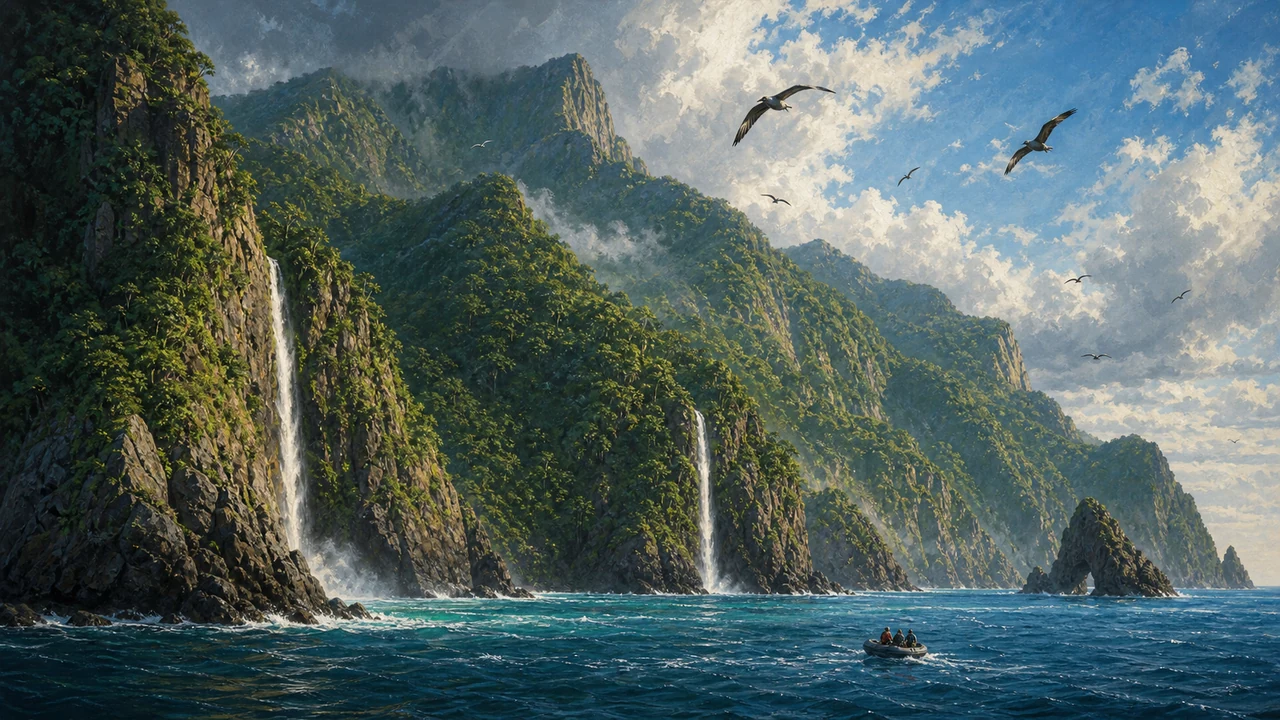 Costa Rica protects more than 25% of its national territory — a commitment that extends well beyond the mainland into the marine environment. Cocos Island National Park encompasses not just the island but a large surrounding marine zone, making it one of the most significant marine protected areas in the Eastern Tropical Pacific.
The island’s UNESCO World Heritage designation (awarded in 1997) recognizes both its terrestrial biodiversity and its marine environment as globally exceptional. Along with other protected Pacific seamounts, Cocos forms part of a critical migration corridor for large pelagic species including whale sharks, sea turtles, and manta rays.
For visitors who want to understand the depth of Costa Rica’s natural heritage before or after a Cocos expedition, the country’s national parks and protected areas offer world-class experiences far closer to the mainland — from Corcovado National Park on the Osa Peninsula to Caño Island Biological Reserve, which provides accessible dive conditions as an excellent warm-up for the Cocos experience.
Learn more about Costa Rica’s commitment to ecotourism and nature and why this small country holds an outsized place in the world’s conservation story. For planning your trip, Costa Rica travel tips covers logistics from arrival airports to getting around the country.
Frequently asked questions
How do you get to Cocos Island?
Cocos Island is reachable only by sea — a journey of roughly 32 to 36 hours from Puntarenas aboard a liveaboard dive vessel. There are no regular ferries or commercial flights. All visits are conducted through licensed expedition operators.
Is Cocos Island good for diving?
Cocos Island is widely considered one of the top five dive destinations on the planet. Its nutrient-rich waters host large aggregations of scalloped hammerhead sharks, whale sharks, manta rays, and hundreds of fish species across 18 coral types.
Can you stay overnight on Cocos Island?
There is no public accommodation on the island. Visitors stay aboard their liveaboard vessel anchored offshore. Only park rangers from SINAC (Costa Rica's national conservation system) are permitted to reside on the island.
When is the best time to visit Cocos Island?
Most operators run expeditions year-round, though the dry season (December through April) generally offers calmer seas for the long ocean crossing. Hammerhead aggregations are reliably present throughout the year.
Do you need a permit to visit Cocos Island?
Yes. All visitors must pay a national park entrance fee collected by SINAC. Operators include this in expedition packages. Independent visits are not permitted — access is strictly through licensed liveaboard tour companies.