Best Museums in San José, Costa Rica: A Visitor's Guide
San José rewards curious travelers with a surprising concentration of world-class museums packed into a compact, walkable downtown core. Whether you are drawn to pre-Columbian gold and jade artifacts in San José, colonial history, contemporary art, or hands-on science exhibits for the whole family, the Costa Rican capital has a museum to match every curiosity — and you can cover the highlights in a well-planned day or two.
The Gold Museum — A Glittering Start Beneath the Plaza
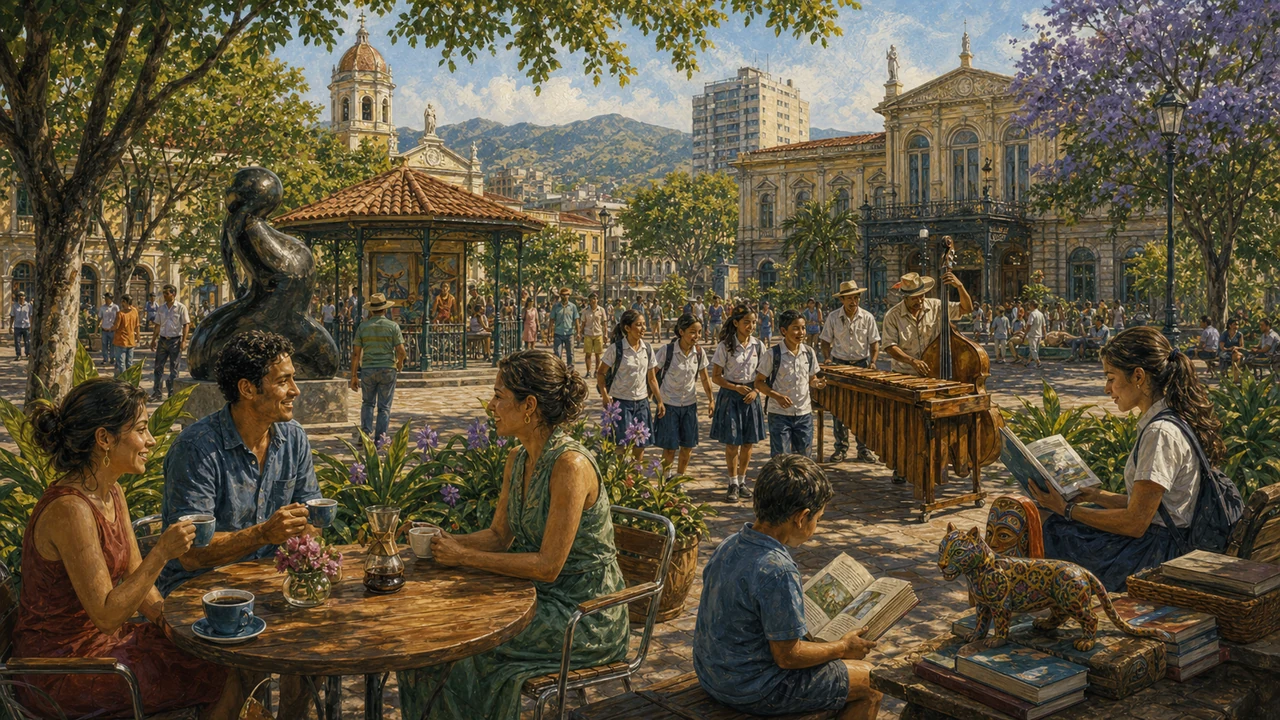 The logical starting point for any museum day is the Pre-Columbian Gold Museum (Museo del Oro Precolombino), hidden beneath the Plaza de la Cultura. It is the only Costa Rican museum housed in a building specifically designed for that purpose, and the experience of descending into a hushed, climate-controlled vault filled with thousands of shimmering pre-Columbian objects is genuinely memorable.
The collection is one of the largest of its kind in the Americas. Pieces range from delicate figurines of frogs and eagles — symbols of power and transformation in indigenous cosmology — to elaborate ceremonial pendants. Beyond the metalwork, the museum complex also holds a permanent exhibition on the history of Costa Rican currency and regularly hosts visiting contemporary art shows, making it far more than a single-subject attraction. The complex sits under the Hotel Costa Rica and the National Theater on the Avenida Central — a perfect place to start before the city heats up.
The Jade Museum — Ancient Artistry at a New Address
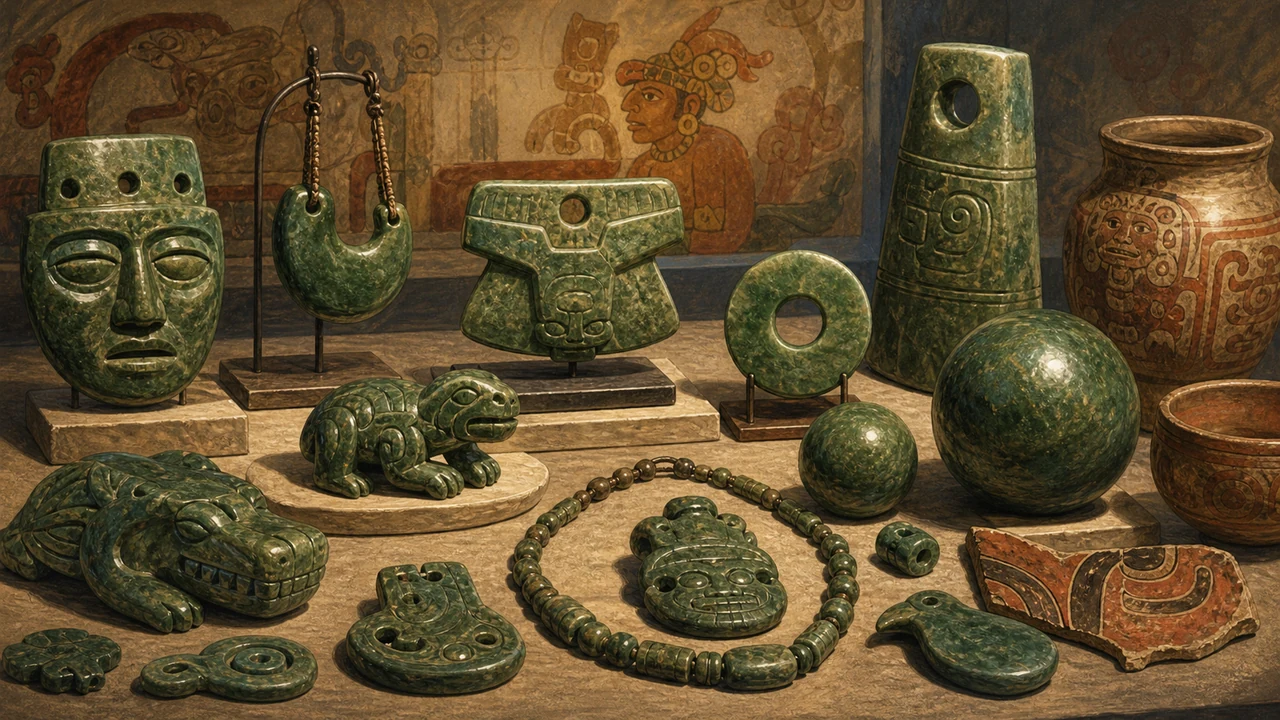 Not far from the Plaza de la Cultura, the Jade Museum houses one of the largest pre-Columbian jade collections in the world. Costa Rica’s ancient cultures prized jade above gold, and the objects here — carved pendants, axe-gods, and ceremonial figures — represent thousands of years of craftsmanship across multiple indigenous groups.
The museum’s purpose-built modern building presents the collection in a way that contextualizes each piece within its cultural and historical setting, with multilingual information that makes it accessible to international visitors. The rooftop terrace offers a panoramic view over downtown San José — a pleasant bonus after the galleries. Learn more about the significance of this material in Costa Rican history on our page about jade as the gem of the gods.
The National Museum — History Written in Stone and Bullet Holes
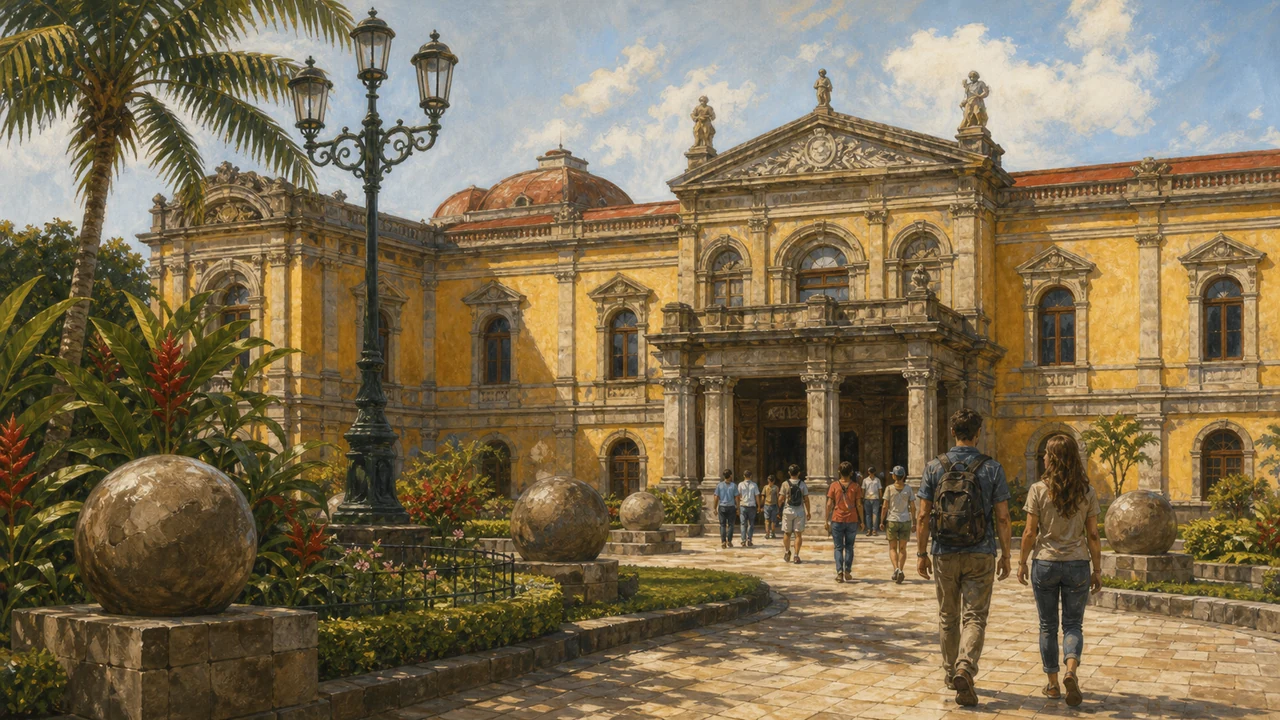 The National Museum (Museo Nacional de Costa Rica) occupies the 19th-century Bellavista Fortress on the edge of the Plaza de la Democracia. Look closely at the exterior turrets and you will spot bullet holes from the brief 1948 civil war — tangible evidence of the conflict that ended with Costa Rica abolishing its army, a defining moment in a country that has remained one of Latin America’s oldest and most stable democracies ever since.
Inside, the mood shifts to tranquil scholarship. A butterfly garden fills the peaceful central courtyard, and the galleries trace Costa Rica’s story from its pre-Columbian peoples through the colonial era to the present. The museum also hosts some of the country’s foremost archaeological research programs. Just outside, artisan vendors set up along the Plaza de la Democracia, selling crafts from across Central and South America — a good place to browse before or after your visit.
The Museum of Costa Rican Art — A Former Airport Turned Gallery
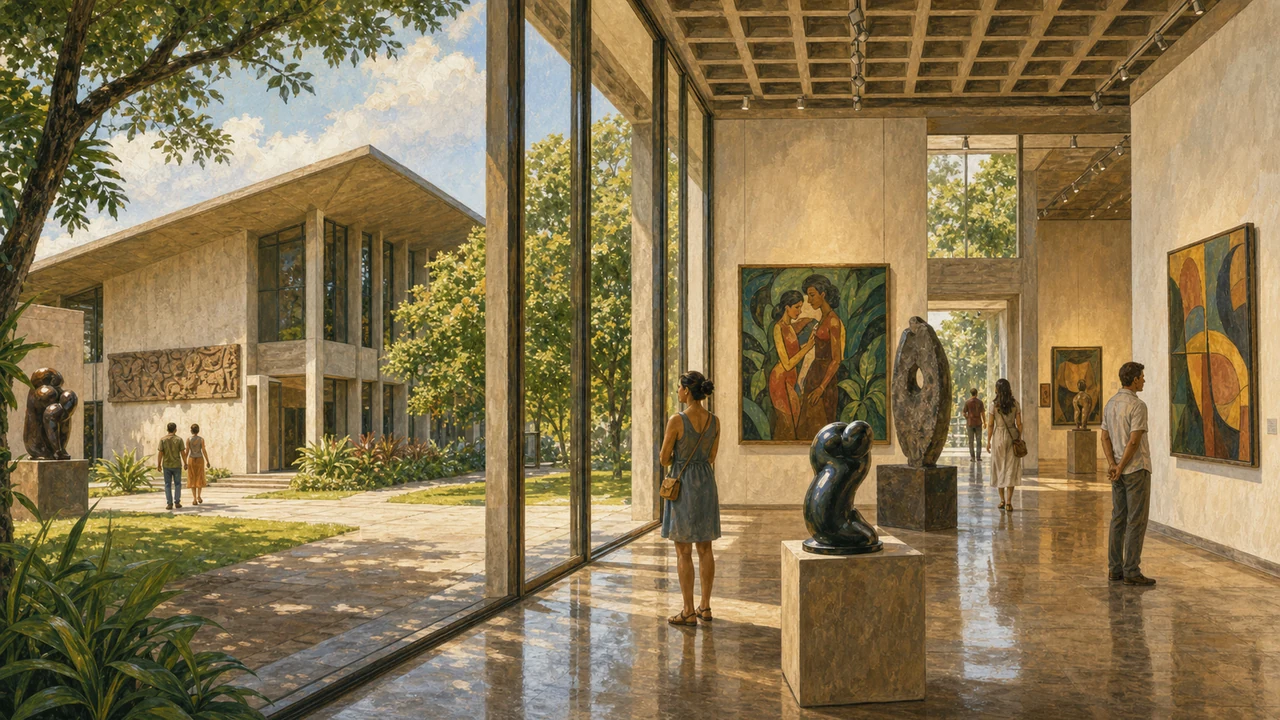 Located at Parque La Sabana on the western edge of downtown, the Museum of Costa Rican Art (Museo de Arte Costarricense) holds the most representative collection of nationally produced fine arts from the late 19th century to the present day. The building itself is part of the story: completed in 1940 as San José’s first international airport, it now channels that grand civic scale into sweeping gallery spaces.
The highlight for many visitors is the Salón Dorado (formerly the Diplomatic Salon), whose bronze-painted stucco and carved plaster walls depict Costa Rican history in panoramic relief — the room where presidents once received foreign dignitaries now hosts chamber concerts and special events. Permanent collections hang alongside rotating temporary exhibitions of Costa Rican fine art spanning more than a century, making each visit feel a little different. Parque La Sabana itself is worth a stroll before or after — it is the city’s largest urban green space.
The Children’s Museum and Contemporary Art — Learning and Looking
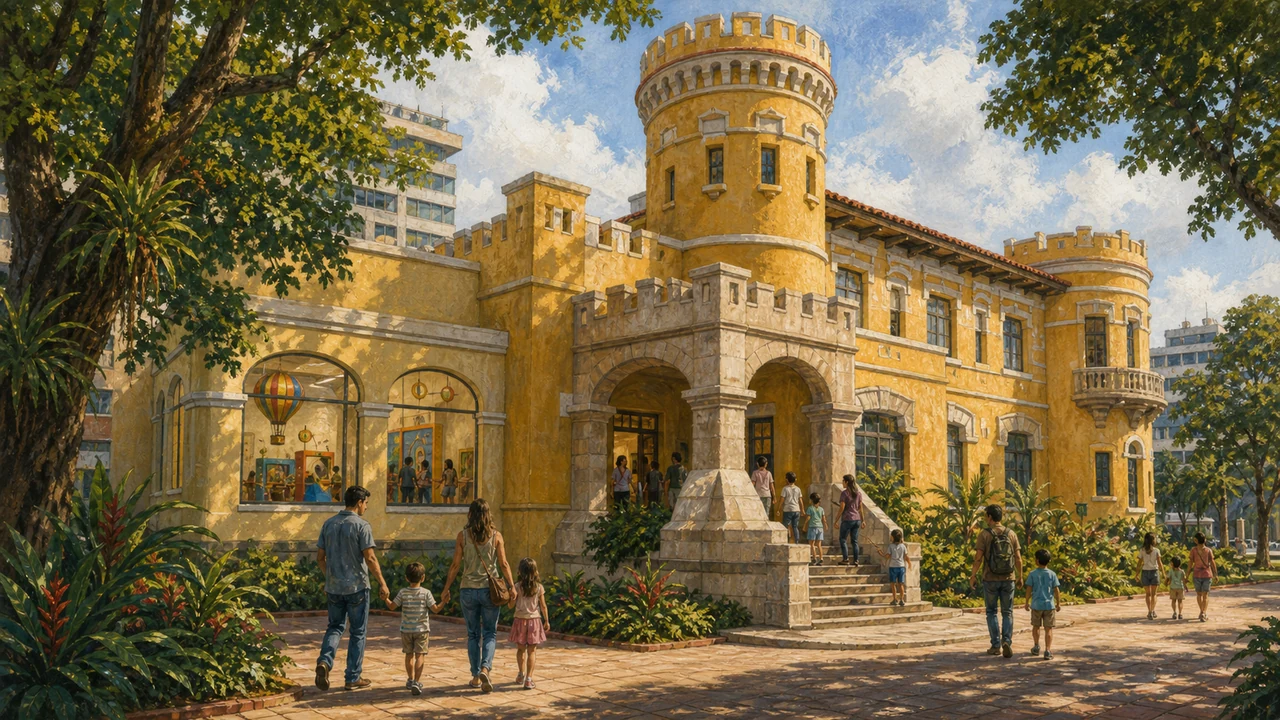 Just north of downtown, the Costa Rican Center of Science and Culture — universally known as the Children’s Museum (Museo de los Niños) — occupies a striking castle-like building that once served as the city’s main penitentiary. A foyer exhibit preserves the history of the structure with photographs and models of the original prison, before the galleries open up into an entirely different world: interactive exhibits on Costa Rican culture, life sciences, the solar system, seismic activity, and more. A section of the floor that simulates varying degrees of earthquake movement is a reliable crowd-pleaser for all ages. The center also hosts a gallery for temporary art exhibitions, a library, and an auditorium that regularly features the National Symphony Orchestra.
For contemporary work aimed at adult sensibilities, the Museum of Contemporary Art and Design (Museo del Diseño y Arte Contemporáneo) is Costa Rica’s premier venue for avant-garde installations and design exhibitions. Housed within the National Cultural Center — itself a converted 19th-century liquor factory — the museum’s soaring industrial spaces accommodate both large-scale installations and intimate presentations, with programming that spans local and international artists.
Planning Your Museum Day
San José’s museums are concentrated enough that a well-organized visitor can cover the Gold Museum, the Jade Museum, and the National Museum on foot in a single morning, then add the Art Museum via a short taxi or bus ride to Sabana in the afternoon. If you are traveling with children, build your itinerary around the Children’s Museum, which typically requires a full half-day to do it justice.
A few practical pointers:
- Museum hours and admission fees change, so confirm current schedules on each museum’s official website or at your hotel before heading out.
- Arrive at the Gold Museum when it opens to beat the midday tour groups.
- The Plaza de la Democracia market outside the National Museum is best visited mid-morning when vendors are fully set up.
- San José is served by Juan Santamaría International Airport (SJO) in nearby Alajuela — most visitors arrive and depart through it, making the capital a natural first or last stop on any Costa Rica itinerary.
For more on exploring the capital and the country beyond it, see our Costa Rica travel tips and the full guide to traveling to Costa Rica. If culture is your primary motivation for visiting, San José makes an excellent base from which to explore Costa Rica’s art and culture more broadly — and the ecotourism & nature the country is famous for is never more than a short drive away.
Frequently asked questions
How many museums can I visit in San José in one day?
San José's compact downtown makes it possible to visit three or four major museums in a single day. The Gold Museum, National Museum, and Jade Museum are all within easy walking distance of each other. Add the Art Museum if you have wheels, or save the Children's Museum for a separate morning.
Is the Gold Museum really underground?
Yes. The Pre-Columbian Gold Museum (Museo del Oro Precolombino) sits beneath the Plaza de la Cultura, in a building specifically designed for the purpose — the only Costa Rican museum built from the ground up as a museum. You enter through the plaza itself.
Are San José museums good for children?
The Children's Museum (Museo de los Niños) is purpose-built for families, with hands-on galleries covering science, culture, and the environment. The Gold Museum and Jade Museum also have interactive elements that engage curious kids. Check current hours before your visit.
Do the San José museums require advance booking?
Most museums accept walk-in visitors, but hours and admission policies change periodically. It's worth checking each museum's official website before you go, especially around national holidays when some venues close.
Where is the Jade Museum in San José?
The Jade Museum (Museo del Jade) is housed in a purpose-built modern building near the INS (National Insurance Institute) tower in downtown San José. Its building was designed specifically to display one of the world's largest collections of pre-Columbian jade.