Costa Rica Food & Cuisine: The Complete Guide
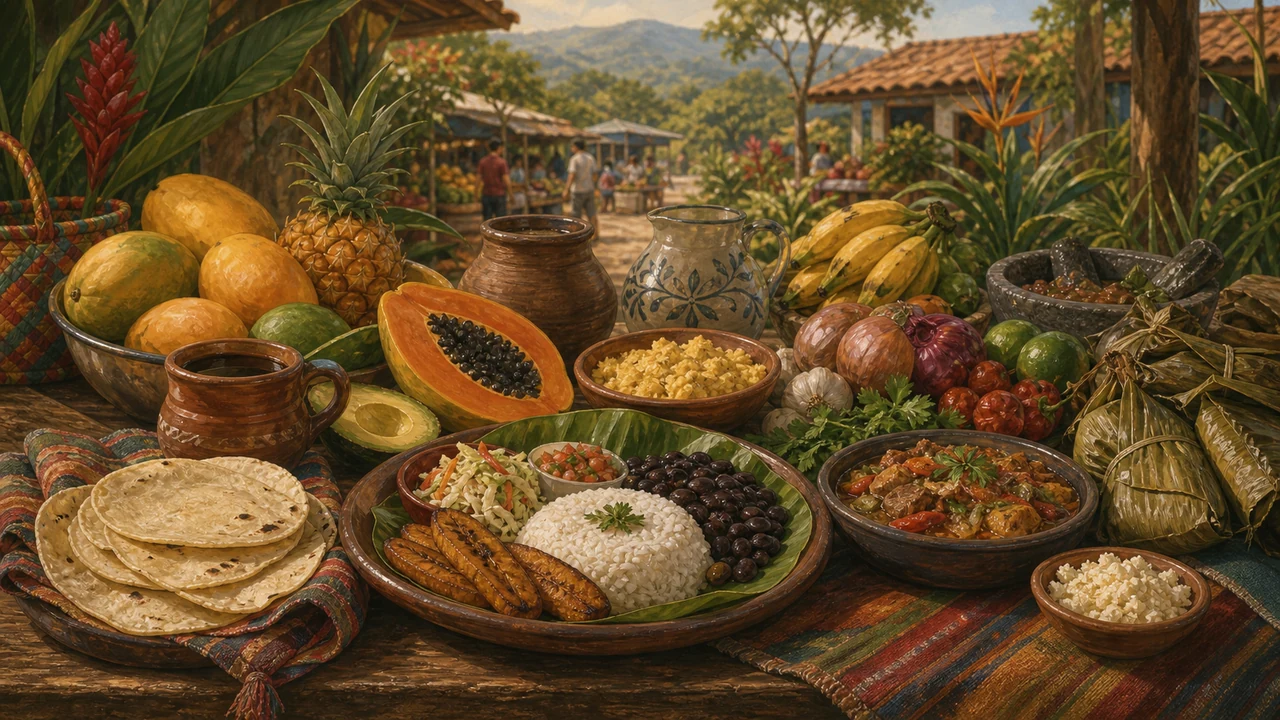 Costa Rican food is honest, hearty, and deeply tied to the land — a cuisine built on rice, black beans, fresh vegetables, and the abundant seafood that comes from two ocean coastlines. It is not heavily spiced, but it is full of flavor, and for most visitors a meal at a roadside soda becomes one of the warmest memories of the trip. Whether you are tucking into a plate of gallo pinto at a traditional Costa Rican breakfast or exploring the coconut-scented dishes of the Caribbean coast, eating your way through Costa Rica is a journey worth taking.
Gallo Pinto — Costa Rica’s Beloved Breakfast
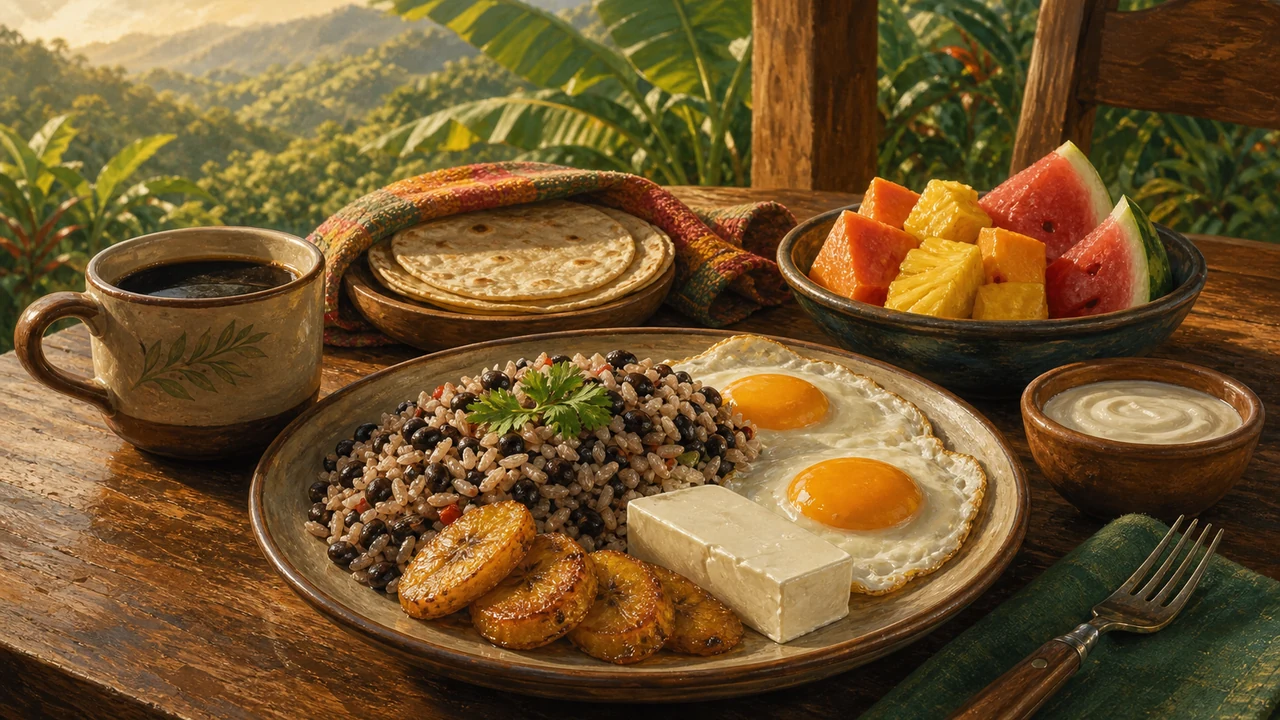 No dish defines Costa Rican mornings more than gallo pinto. The name translates literally as “spotted rooster,” a nod to the speckled appearance of rice and black (or red) beans fried together in the same pan. The mixture is seasoned with sautéed onion, sweet red pepper, fresh cilantro, and a splash of Salsa Lizano — the national condiment, a mild, slightly tangy Worcestershire-style sauce found on every Costa Rican table.
A full gallo pinto breakfast typically arrives with scrambled or fried eggs, natilla (a thick local sour cream), a slice of white cheese, fresh bread or corn tortillas, and often a cup of Costa Rican coffee. Ripe fried plantain is a popular addition. The dish is filling, affordable, and available everywhere from upscale hotels to the humblest soda — making it the great equalizer of Tico food culture.
The Casado — Lunch at the Heart of Tico Life
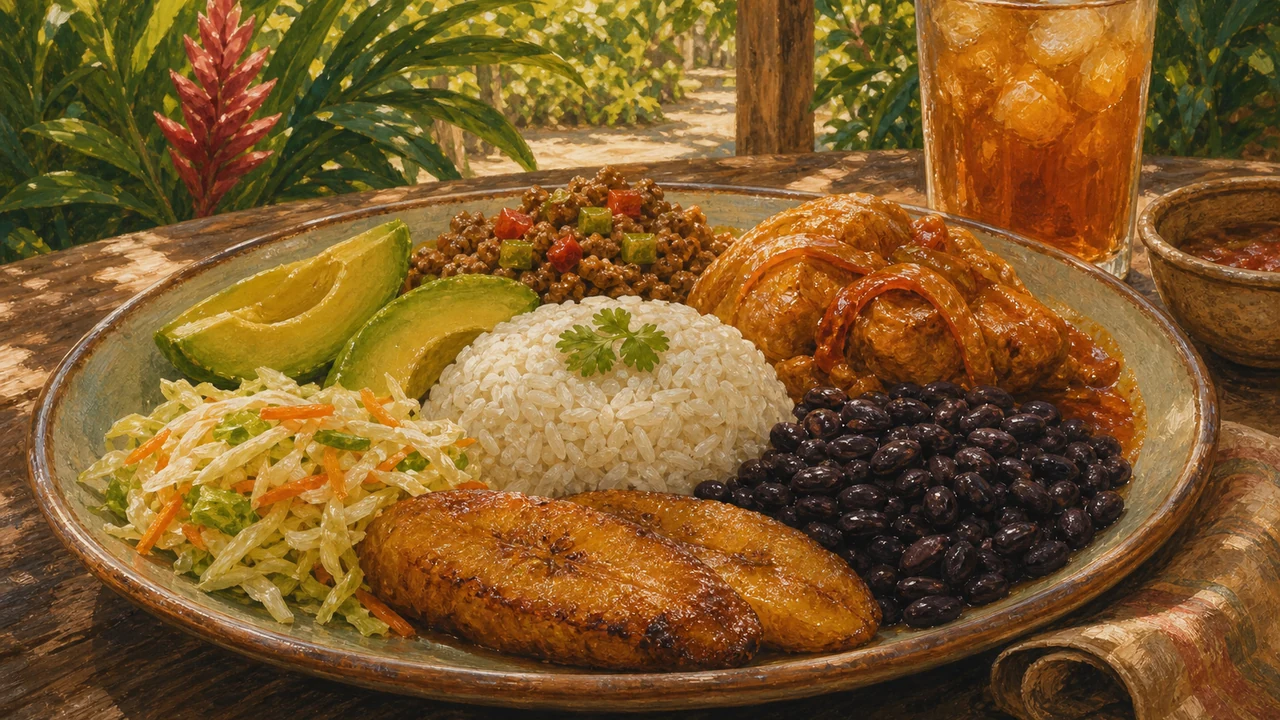 Lunch is the main meal of the day for most Costa Ricans, and the classic casado plate is its centerpiece. A casado arrives with a mound of white rice, a side of stewed or refried beans, a protein — chicken in sauce, grilled beef, fish fillet, or pork — fried ripe plantain (plátano maduro), a simple fresh salad, and often a small bowl of soup. Avocado, mashed potatoes, or a fried egg can round out the plate depending on the kitchen.
You will find casado on the menu of every soda and the vast majority of local restaurants across the country. The price is typically very reasonable, and the portions are generous. It is the single most important dish to try if you want to understand Costa Rican everyday cooking.
Tamales — A Christmas Tradition Worth Knowing
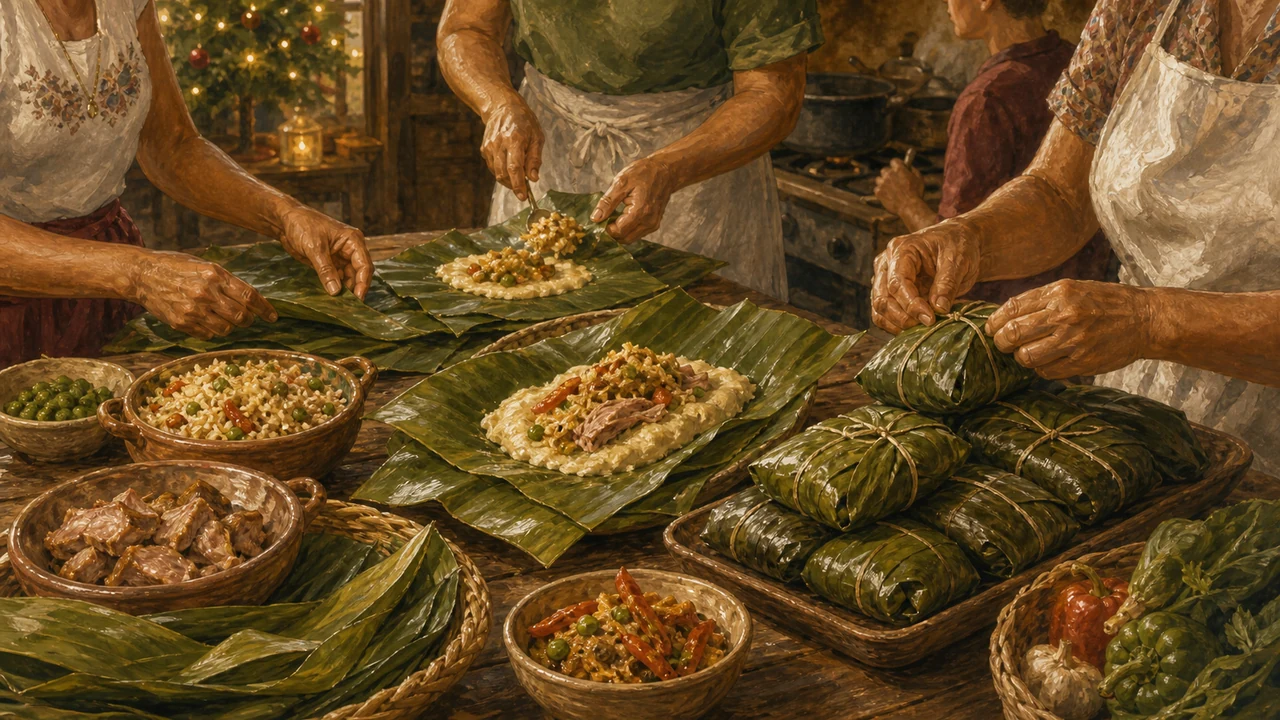 Costa Rican tamales are wrapped in plantain leaves rather than corn husks, which sets them apart from Mexican versions and gives them a subtly earthy, moist character. The masa (corn dough) is seasoned and sometimes mixed with mashed potato, then filled with rice, vegetables such as green beans and carrots, and cubed pork, chicken, or both. Garbanzos, olives, and raisins make appearances depending on the family recipe.
Making tamales for Christmas is one of the most cherished family rituals in Costa Rica. The process — called “tamalear” — typically happens in late November and December, with multiple generations gathered in the kitchen. Dozens or even hundreds of tamales are produced, shared with neighbors, and eaten throughout the holiday season. They are available year-round in certain bakeries and markets, but eating one fresh from the family pot at Christmas is something else entirely.
Olla de Carne, Chifrijo, and Other Classic Dishes
Costa Rica’s culinary repertoire goes well beyond the headliners. The olla de carne is a slow-simmered beef and vegetable soup — one of the oldest dishes in the national canon — built with cubed beef on the bone, chayote squash, yuca, potatoes, corn, and plantain. It is comfort food at its most elemental and appears in homes throughout the country on Sundays.
Chifrijo has become one of the most popular bar snacks and casual dishes in Costa Rica: a layered bowl of rice, refried beans, chicharrón (fried pork), pico de gallo, and avocado, typically eaten with tortilla chips. It was invented in San José and has since spread to restaurants and sodas across the country.
Patacones — twice-fried green plantain rounds — are the Costa Rican equivalent of French fries: crispy, savory, and served alongside nearly everything. They are especially good topped with refried beans, cheese, or ceviche.
Ceviche and Seafood
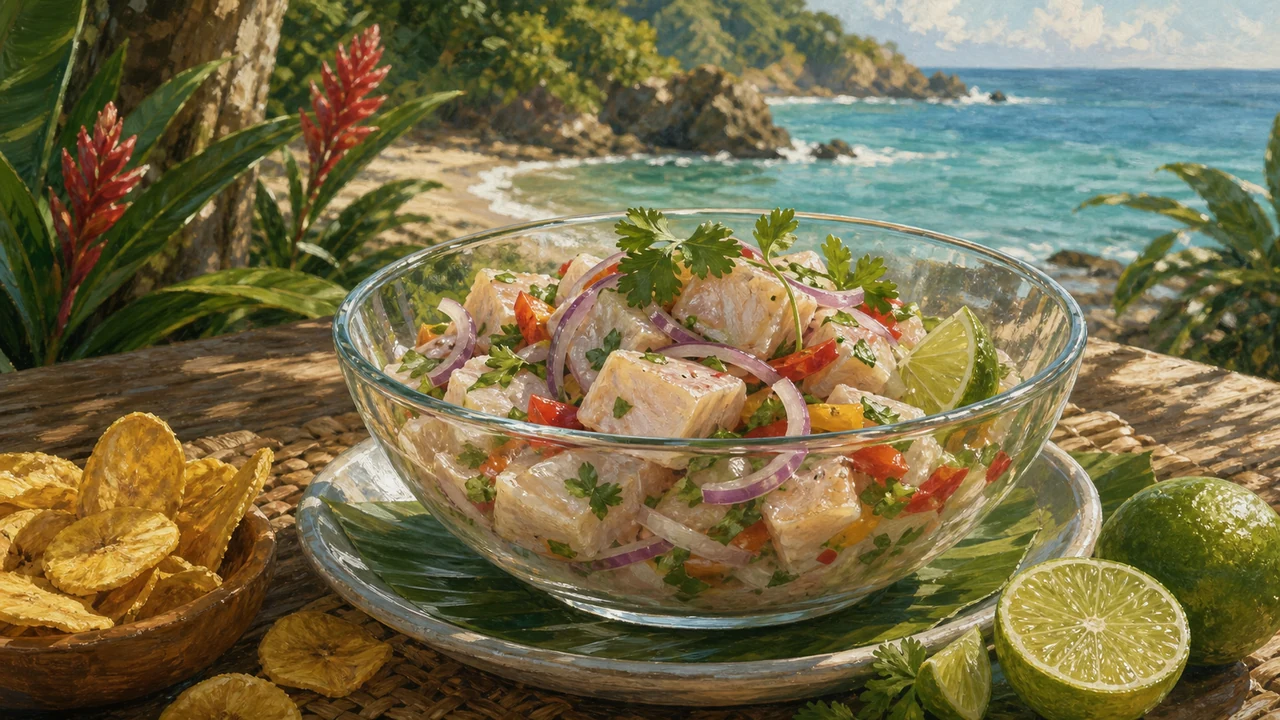 With coastlines on both the Pacific and the Caribbean, Costa Rica has no shortage of excellent seafood. Fresh ceviche made with corvina (white sea bass) marinated in lime juice, finely diced white onion, sweet pepper, and cilantro is one of the country’s great pleasures. It is typically served cold alongside patacones or crackers and makes a perfect light lunch on a warm afternoon.
Beyond ceviche, grilled whole fish, shrimp in garlic sauce, and arroz con mariscos (seafood rice) feature prominently in coastal towns from Guanacaste to Quepos to Limón. For the freshest catch and the lowest prices, look for open-air seafood stalls and small family restaurants close to fishing docks.
Caribbean Coast Cuisine — Rice, Beans & Coconut Milk
The food of Costa Rica’s Caribbean coast is a world apart from the highland and Pacific traditions. Rooted in Afro-Caribbean heritage brought by Jamaican workers in the nineteenth century, Limón’s rice and beans cooked in coconut milk is the signature dish — richer and more fragrant than the gallo pinto of the interior. It is almost always served with slow-stewed chicken or beef in a spiced sauce.
Other Caribbean specialties worth seeking out include rondon, a slow-cooked stew of fish, yuca, green plantain, and other root vegetables simmered in coconut milk; pan bon, a dense, slightly sweet bread spiced with molasses and dried fruit; and pati, a small pastry stuffed with spiced, minced meat — a distant cousin of the Jamaican patty. Cahuita National Park and the town of Puerto Viejo are excellent bases for exploring Caribbean food culture.
Desserts and Sweet Treats
Costa Rican desserts lean toward the comforting and the traditional. Tres leches cake — sponge cake soaked in three kinds of milk — appears at celebrations and in many bakeries. Arroz con leche is a warm rice pudding scented with cinnamon and cloves. Biscochos are small savory-sweet corn and cheese biscuits, while tamal asado is a baked sweet corn cake flavored with natilla and cheese.
Miel de chiverre is a uniquely Costa Rican sweet: a candied filling made from the fibrous chiverre gourd cooked down with raw cane sugar syrup. It is closely associated with Semana Santa (Holy Week) and appears in pastries and as a filling in empanadas around Easter, though you can find it at other times of year as well.
Sodas, Fruit Markets, and Where to Eat Like a Local
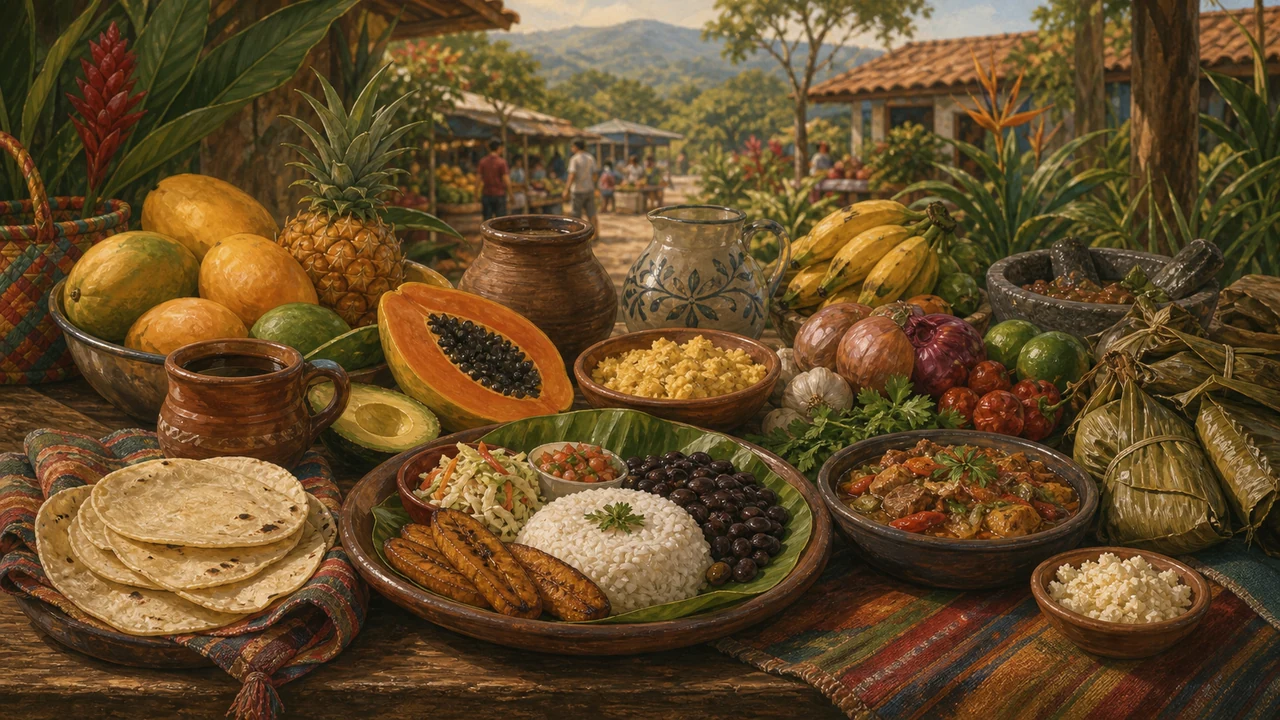 The best introduction to Costa Rican food is a meal at a soda — a no-frills family restaurant where the menu is written on a chalkboard and the cook is likely the owner. Sodas serve gallo pinto, casado, soup, and fresh fruit juice at prices that make eating multiple times a day a genuine pleasure. Every neighborhood has one; every town has several. Do not overlook them in favor of tourist-facing restaurants.
Farmers’ markets (ferias del agricultor) run on weekends in communities across the country and are the ideal place to encounter the full abundance of Costa Rican tropical produce: pineapple, mango, papaya, carambola, maracuyá, guanábana, cas, pejibaye palm fruit, and much more. Buying directly from growers means lower prices and peak freshness.
Costa Rica’s coffee culture deserves its own exploration — the country produces some of the finest single-origin beans in the world, and even a simple cup at a soda is typically made from 100% Arabica grown in the highland valleys. For more on what to drink alongside your meals, the country’s beverages range from fresh fruit agua dulce and granizados to the national beer brands and the sugarcane spirit guaro.
Food is one of the most accessible and rewarding ways to connect with Costa Rican culture. Plan your meals as deliberately as you plan your hikes and beach days — and check out our guides to Costa Rica travel tips and why visit Costa Rica for everything else you need before you go.
Frequently asked questions
What is the national dish of Costa Rica?
Gallo pinto — a skillet mix of rice and black or red beans seasoned with onion, cilantro, and Salsa Lizano — is the closest thing Costa Rica has to a national dish. It appears on nearly every breakfast table in the country, in homes and sodas alike.
What is a casado in Costa Rica?
A casado is a traditional Costa Rican lunch plate featuring rice, beans, a protein (chicken, beef, fish, or pork), fried ripe plantain, a fresh salad, and sometimes mashed potatoes or avocado. The name means 'married man' — legend says it represents a home-cooked meal. It is the most common lunch found in sodas across the country.
What are sodas in Costa Rica?
Sodas are small, family-run eateries that serve affordable traditional Costa Rican food. They are the backbone of everyday dining in Costa Rica and the best place to eat authentic gallo pinto, casado, ceviche, and other local dishes at very reasonable prices.
What is the Caribbean food like in Costa Rica?
The Caribbean coast, centered on Limón province, has a distinct Afro-Caribbean culinary tradition. The standout dish is rice and beans cooked in coconut milk, served alongside rondon (a rich coconut-milk stew with fish and root vegetables), pan bon (a sweet spiced bread), and pati (a spicy meat-filled pastry).
What fresh tropical fruits can I try in Costa Rica?
Costa Rica's markets overflow with tropical fruit including mango, papaya, pineapple, watermelon, carambola (starfruit), guanábana (soursop), cas (a tart guava), maracuyá (passion fruit), and the seasonal pejibaye palm fruit. Farmers' markets (ferias del agricultor) held on weekends are the best place to taste and buy them directly from growers.