Numismatic Museum San José — Costa Rican Currency History
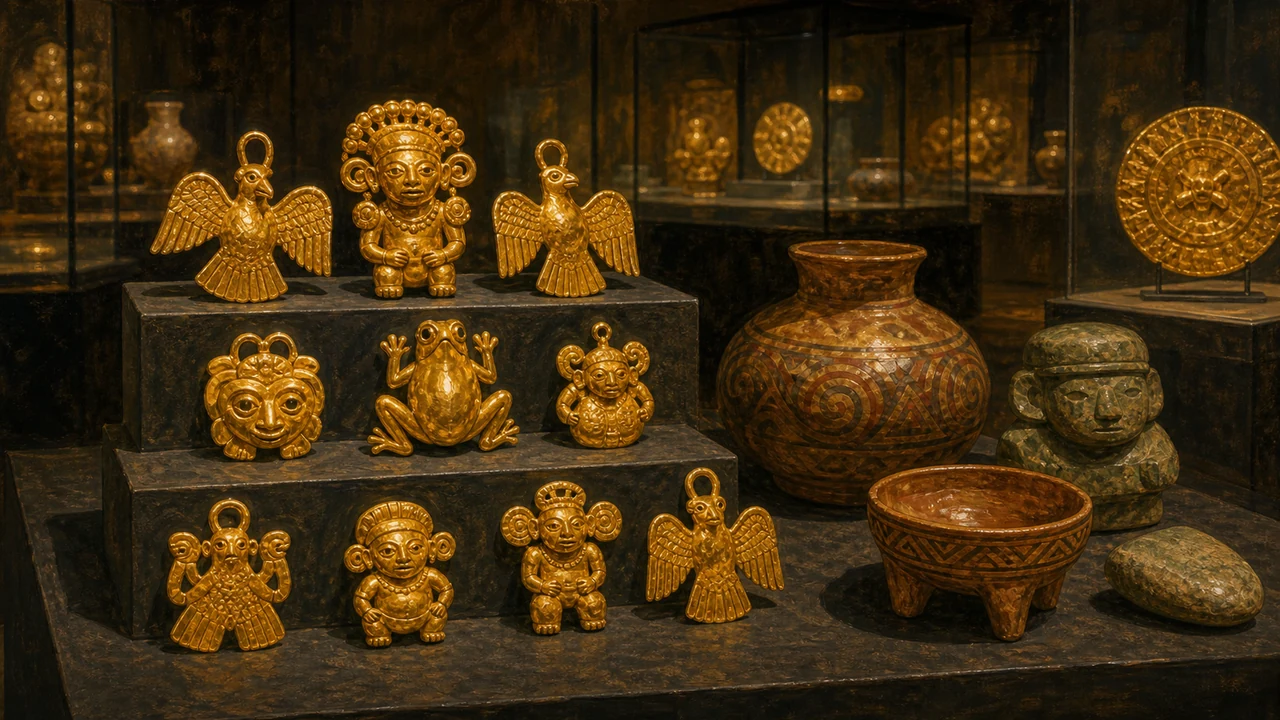 The Numismatic Museum — formally the Museo Numismático Jaime Solera Bennett — sits beneath San José’s Plaza de la Cultura and tells the complete story of Costa Rican money, from pre-colonial barter through the birth of the colón and into the digital present. Shared with the Gold Museum inside the Museos del Banco Central complex, it is one of the most focused and rewarding indoor cultural stops in the capital — and a compelling complement to any visit to the city’s other heritage sites.
The Permanent Exhibition: From the Real to the Colón
The flagship permanent exhibition, From the Real to the Colón: A History of Costa Rican Currency, walks visitors chronologically through more than five centuries of monetary evolution in Costa Rica. It opens with the fundamentals — what currency is, why societies develop it — then fans out into the country’s own story.
The narrative arc moves through the barter economy of early settlement, the introduction of metallic money during the Spanish colonial period, and the circulation of foreign coins that filled the gap before Costa Rica minted its own. Visitors encounter colonial-era coins and currency from 1502 onward, handling context that explains how a small Central American territory managed commerce long before formal monetary institutions existed.
Coffee Tokens, Banana Tokens, and Private Banks
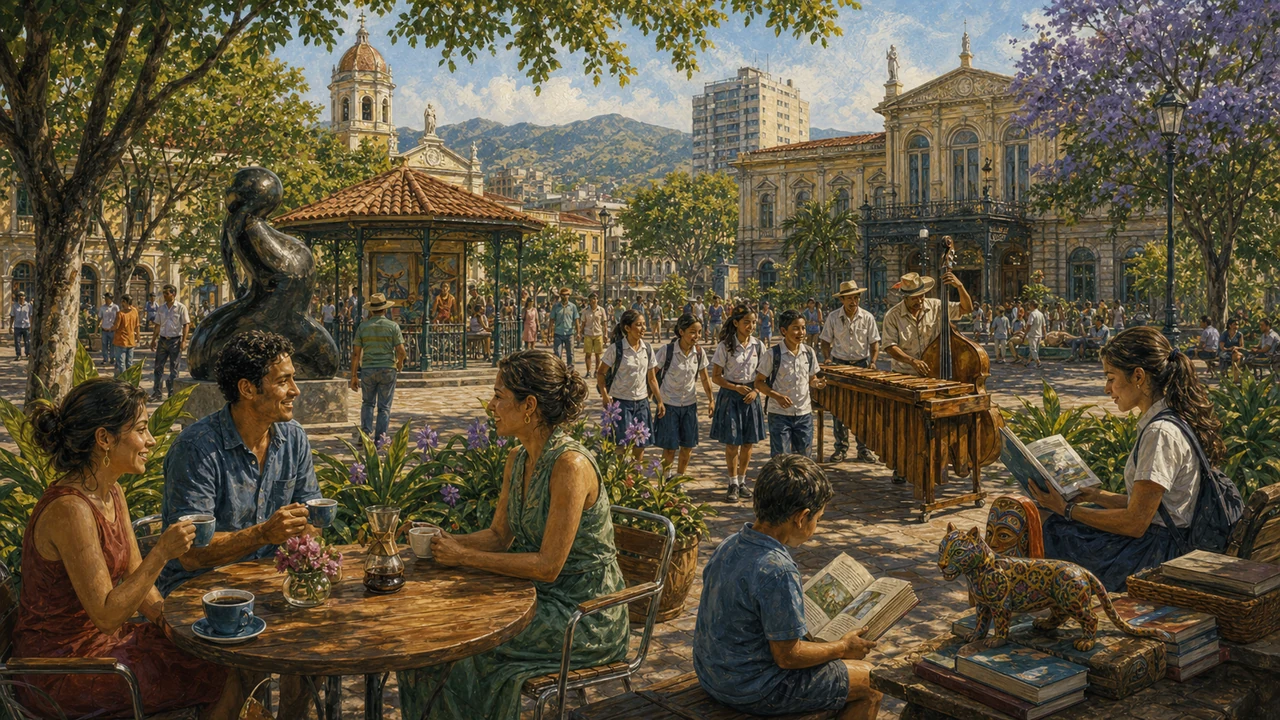 One of the most distinctive chapters in Costa Rican monetary history involves the coffee and banana plantation tokens that served as de facto currency for estate workers during the 19th and early 20th centuries. These tokens — redeemable only at company stores — are colorful artifacts of the export economy that shaped the country’s development, and the museum’s collection includes fine examples from both the coffee highlands and the Caribbean banana zones.
Equally fascinating is the period of private bank note emission. Before the establishment of the Central Bank of Costa Rica, numerous private banks issued their own paper money. The exhibition traces this fragmented monetary landscape and shows how it eventually consolidated into a unified national currency system — a process that mirrors Costa Rica’s broader journey toward stable democratic governance.
The Collection: 5,000 Objects, Seven Decades in the Making
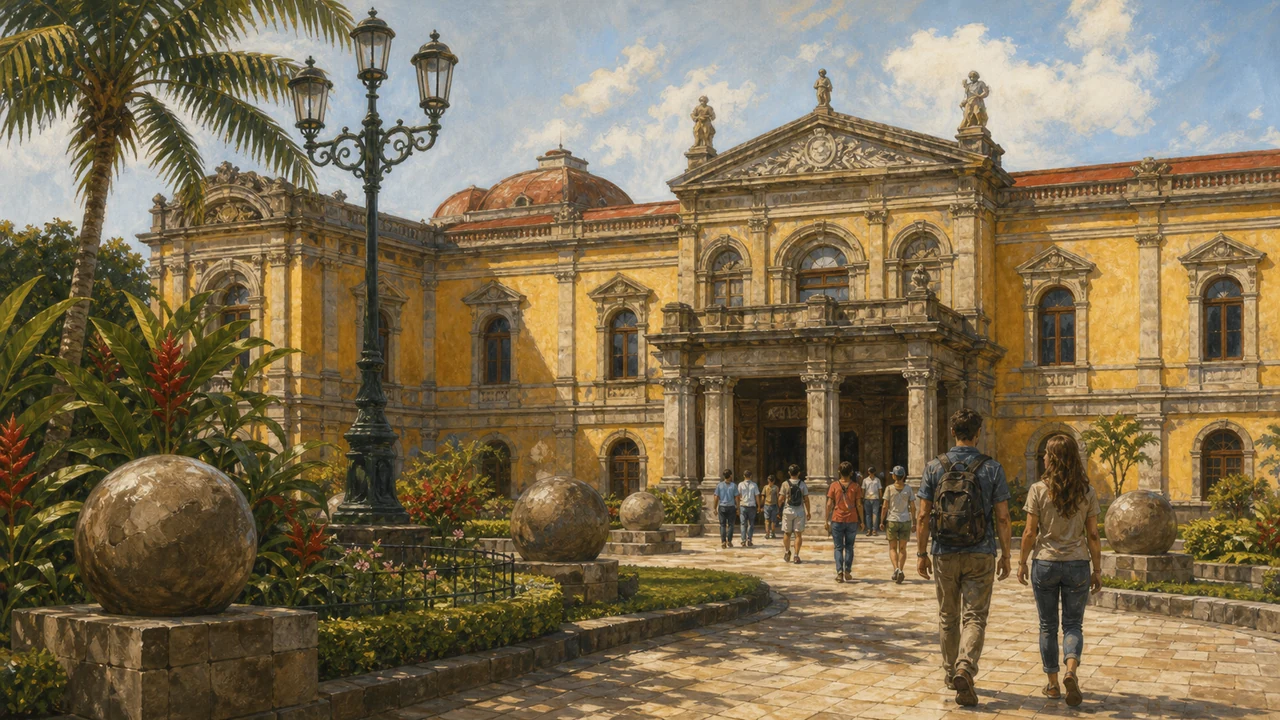 The numismatic collection was assembled beginning in the 1950s and today numbers approximately 5,000 objects spanning coins, banknotes, engraving dies, coffee and banana tokens, historical documents, and photographs. The first public numismatic exhibition opened at the Central Bank in 1971 to commemorate the 150th anniversary of Costa Rican independence — a milestone that underscored the connection between monetary history and national identity.
The museum was formally inaugurated in 1990 and named in honor of Jaime Solera Bennett, one of the most influential presidents of the Central Bank and a committed numismatist. Solera Bennett actively promoted the growth of the bank’s holdings throughout his career. After his death, his family donated his personal banknote collection — regarded as among the finest in the country — to the institution, enriching the museum’s holdings considerably.
The exhibition displays the finest and rarest pieces from these combined holdings: beautifully preserved Costa Rican coins, bills, and dies selected for their historical significance, artistic merit, or rarity.
Symbolism on Coins and Banknotes
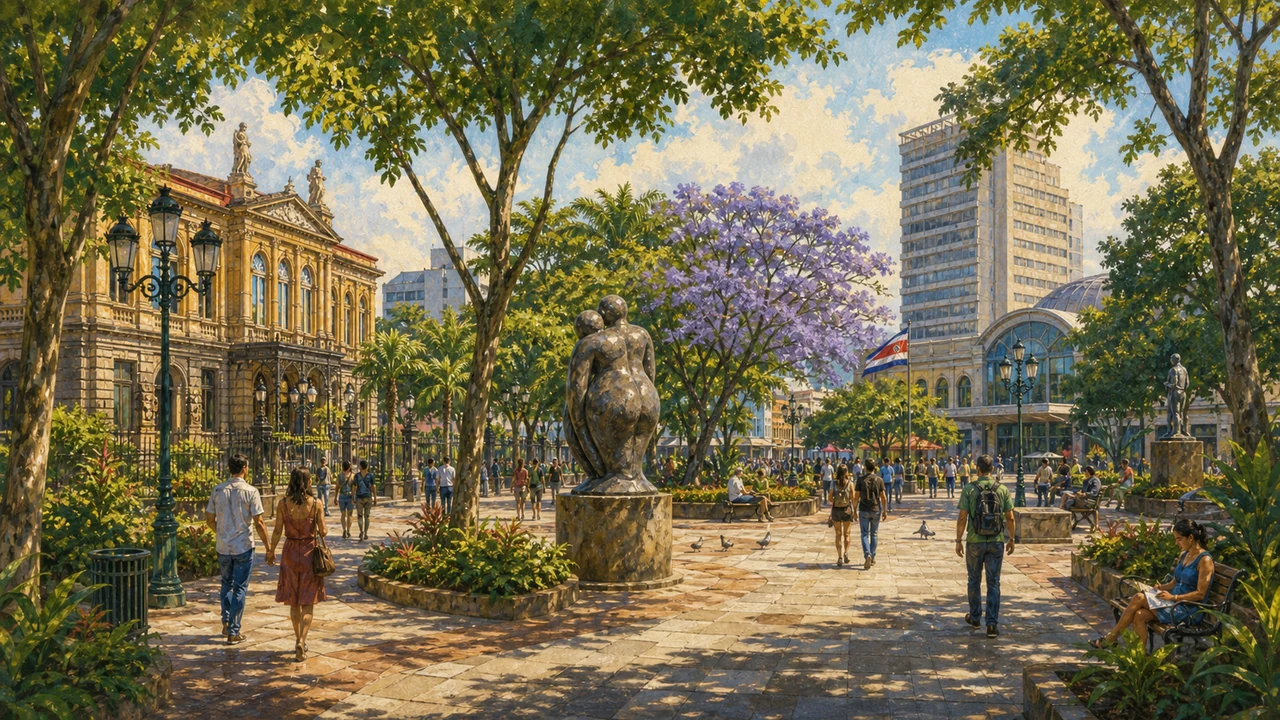 A section of the exhibition examines what Costa Rican currency actually depicts — and why. The iconography of Costa Rican coins and banknotes has reflected shifting national priorities over the decades: indigenous heritage, agricultural wealth, natural landscapes, historical figures, and constitutional milestones all appear across the currency’s visual history. Reading these images amounts to a rapid survey of how the country has chosen to represent itself to the world and to its own citizens.
This section pairs well with visits to the National Museum and the Gold Museum upstairs, where the pre-Columbian gold artifacts shown on some of the earlier currency provide visual context for the symbols etched on banknotes.
Interactive Experiences and the Film Paper and Silver Passions
The Numismatic Museum goes beyond display cases. Interactive activities encourage visitors to engage directly with the collection — examining replica coins, exploring die-stamping processes, and learning how banknote security features have evolved over time. A short documentary film, Paper and Silver Passions (Pasiones de Papel y Plata), traces the personal stories behind the collection and brings the human dimension of numismatics to life.
These elements make the museum accessible to visitors of all ages and levels of interest in monetary history — whether you arrive as a dedicated coin collector or simply want a deeper understanding of the country you’re exploring.
Visiting the Museos del Banco Central Complex
The Numismatic Museum is part of the larger Museos del Banco Central complex beneath Plaza de la Cultura, which also houses the Gold Museum (Museo del Oro Precolombino) — one of the most visited museums in Central America. Combining both museums in a single visit is highly recommended; the two collections are thematically linked, the underground setting is architecturally striking, and the combined experience offers a rich survey of Costa Rican cultural heritage from pre-Columbian times to the present.
Plaza de la Cultura itself, the pedestrian plaza above, is a lively gathering point in central San José surrounded by the Gran Hotel Costa Rica and the neoclassical National Theater — making the museum an easy addition to a walking tour of the capital’s historic center.
For practical visit information including current hours, admission fees, and any temporary exhibitions, check the Museos del Banco Central’s official website before your trip, as these details change periodically. The complex is centrally located and easily reached on foot from most downtown hotels.
Pair a visit here with the broader art and culture scene in San José, or explore the country’s remarkable ecotourism and nature offerings beyond the capital. For logistics and planning, see our Costa Rica travel tips.
Frequently asked questions
Where is the Numismatic Museum located in San José?
The Numismatic Museum (Museo Numismático) is part of the Museos del Banco Central complex, located beneath Plaza de la Cultura in downtown San José. It shares the underground building with the celebrated Gold Museum.
What does the Numismatic Museum display?
The museum traces the full history of Costa Rican currency — from barter and colonial-era metallic coins to 19th-century coffee and banana tokens, private bank notes, and the modern colón. The collection holds roughly 5,000 objects including coins, bills, dies, documents, and photographs.
Is the Numismatic Museum the same as the Gold Museum?
They occupy the same underground complex but are distinct museums. The Gold Museum (Museo del Oro Precolombino) showcases pre-Columbian gold artifacts, while the Numismatic Museum focuses on monetary history and currency from the colonial period onward.
How large is the numismatic collection?
The Central Bank's numismatic collection numbers approximately 5,000 objects, assembled since the 1950s. It includes coins, banknotes, coffee and banana tokens, engraving dies, historical documents, and photographs.
Why is the museum named Jaime Solera Bennett?
The museum was inaugurated in 1990 under the name of Jaime Solera Bennett, a distinguished President of Costa Rica's Central Bank whose personal passion for numismatics drove the growth of the bank's collection. His family later donated his private banknote collection to the museum.