Teatro Popular Melico Salazar — San José's People's Theater
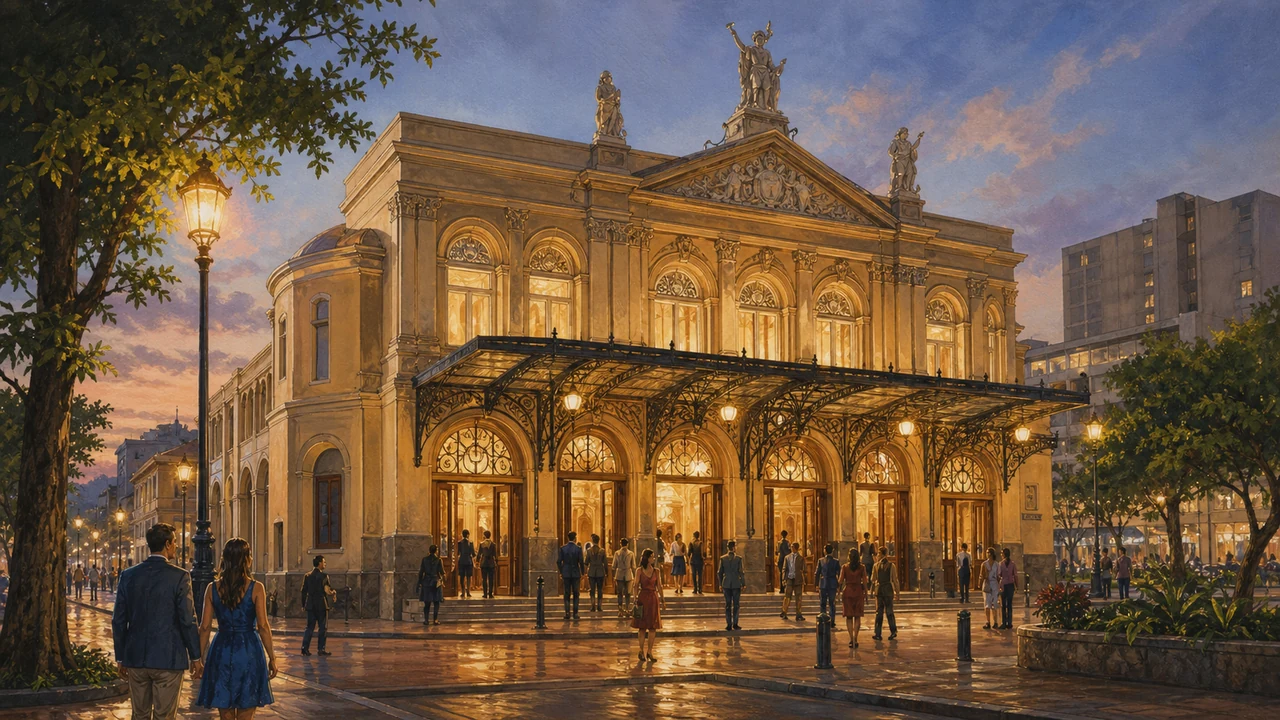 The Teatro Popular Melico Salazar in San José is one of Central America’s most beloved popular-arts venues — a handsome 1927 building that stands directly beside the National Theater and has served as the city’s democratic stage for folk music, traditional dance, and live theater for nearly a century. Where the ornate Teatro Nacional represents 19th-century grandeur, the Melico Salazar was built for the people, and that spirit still defines every performance held there today.
The Man Behind the Name
The theater honors Manuel “Melico” Salazar (1887–1950), the Costa Rican tenor who became the country’s first internationally recognized classical singer. Salazar earned acclaim performing across Europe and the Americas before returning to Costa Rica, where he devoted himself to nurturing local musical talent and making the arts more accessible. Naming the theater in his memory was a fitting tribute: like the man himself, the building was meant to bridge the gap between high art and everyday life.
Architecture and Historic Significance
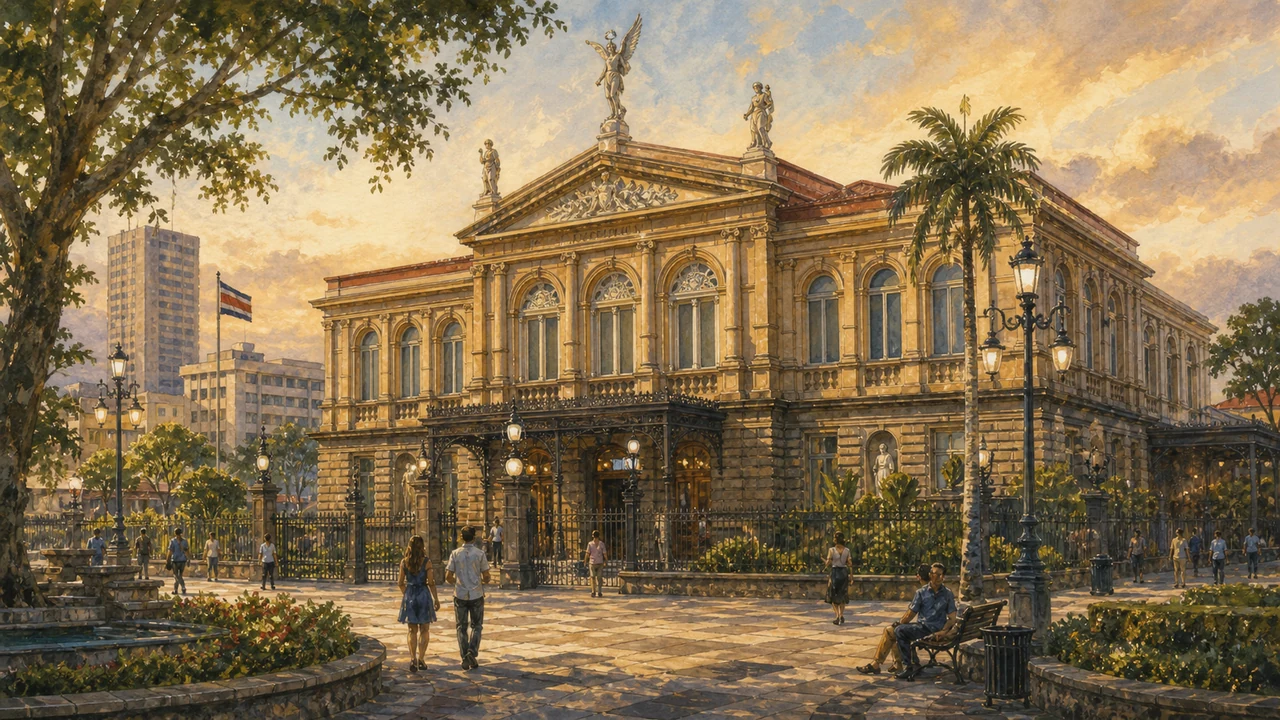 When the Melico Salazar opened its doors in 1927, it carried the distinction of being the venue where Costa Rica’s first motion picture was ever publicly screened — a milestone that underscores the building’s long connection with popular entertainment. The architecture reflects the Parisian-influenced style fashionable in early-20th-century Latin America: elegant balconies, marble columns, refined ornamentation, and an interior designed for excellent acoustics. The result is a hall that manages to feel grand without feeling forbidding.
The Parisian-influenced theater architecture from the 1920s survived the decades largely intact, making it one of San José’s most valuable historic structures. Visitors who arrive before a performance often linger in the lobby simply to admire the details — carved moldings, period lighting fixtures, and the warm wood of the stage itself.
Folk, Dance, and Popular Programming
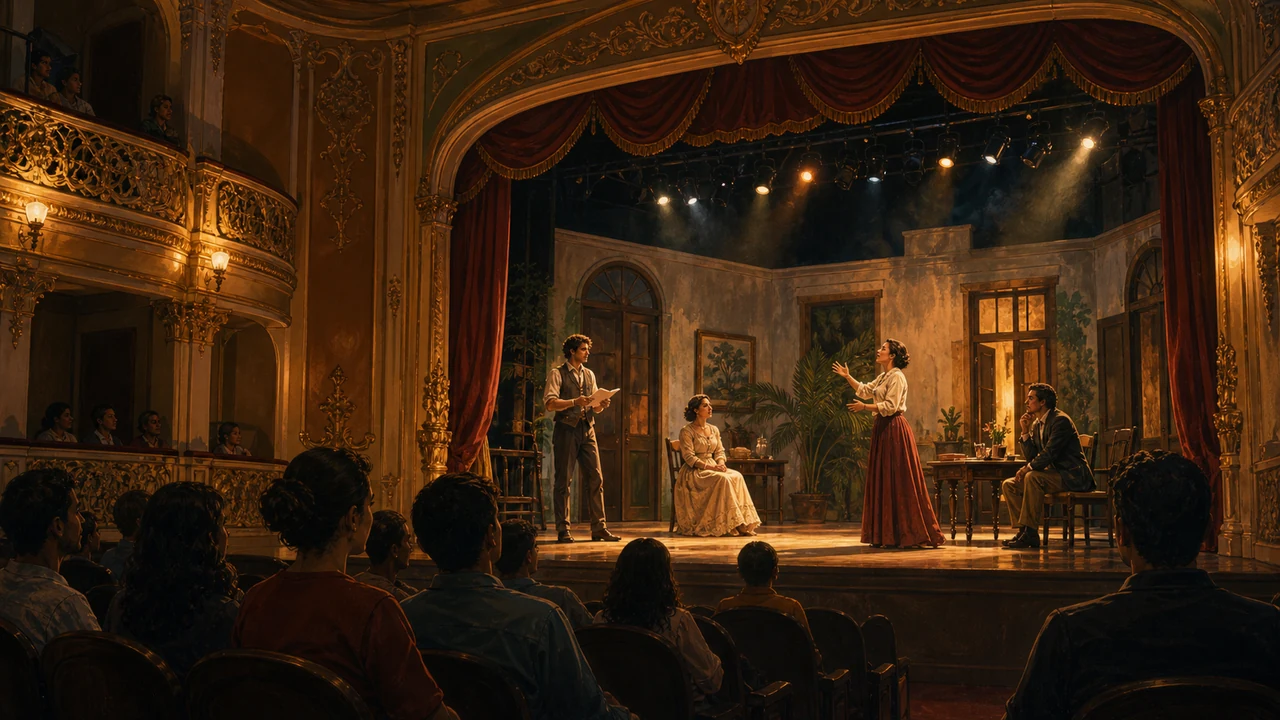
The Melico Salazar’s identity is shaped by what happens on its stage. Unlike many formal opera houses, this theater actively commissions and programs:
- Traditional Costa Rican folklore and dance — regional ensembles, indigenous-inspired choreography, and the marimba music that is a cornerstone of the national cultural identity
- Popular music concerts — from local jazz and Latin rhythms to international touring acts that would fill a 1,000-seat hall
- Contemporary theater and comedy — Spanish-language productions that bring local playwrights and actors to a wide audience
- Community festivals and cultural events — particularly around national holidays such as Independence Day in September and the Fiestas de Fin de Año in December
This folk and popular performing arts programming in San José draws a broad cross-section of the city: families, students, professionals, and tourists who want to experience authentic Costa Rican culture rather than a packaged tourist show.
Visiting the Melico Salazar Theater
 The theater is located in the heart of downtown San José, on Avenida 2, immediately next to the National Theater. The two buildings together form the cultural spine of the city center — a two-minute walk from the Plaza de la Cultura, the Gold Museum, and the Central Market.
Practical tips for visitors:
- Arrive early. The lobby coffee shop is a charming spot to settle in before a show; it draws a genuine local crowd of theatergoers rather than a tourist-oriented café.
- Check the schedule in advance. Programming changes frequently, and some performances sell out quickly — especially around national festivals.
- Dress is generally smart-casual to slightly formal for evening performances, though daytime community events are more relaxed.
- Combine it with the neighboring theaters and plazas. A single afternoon in this block of San José delivers an extraordinary concentration of Costa Rican art and culture, architecture, and history.
The San José Cultural District
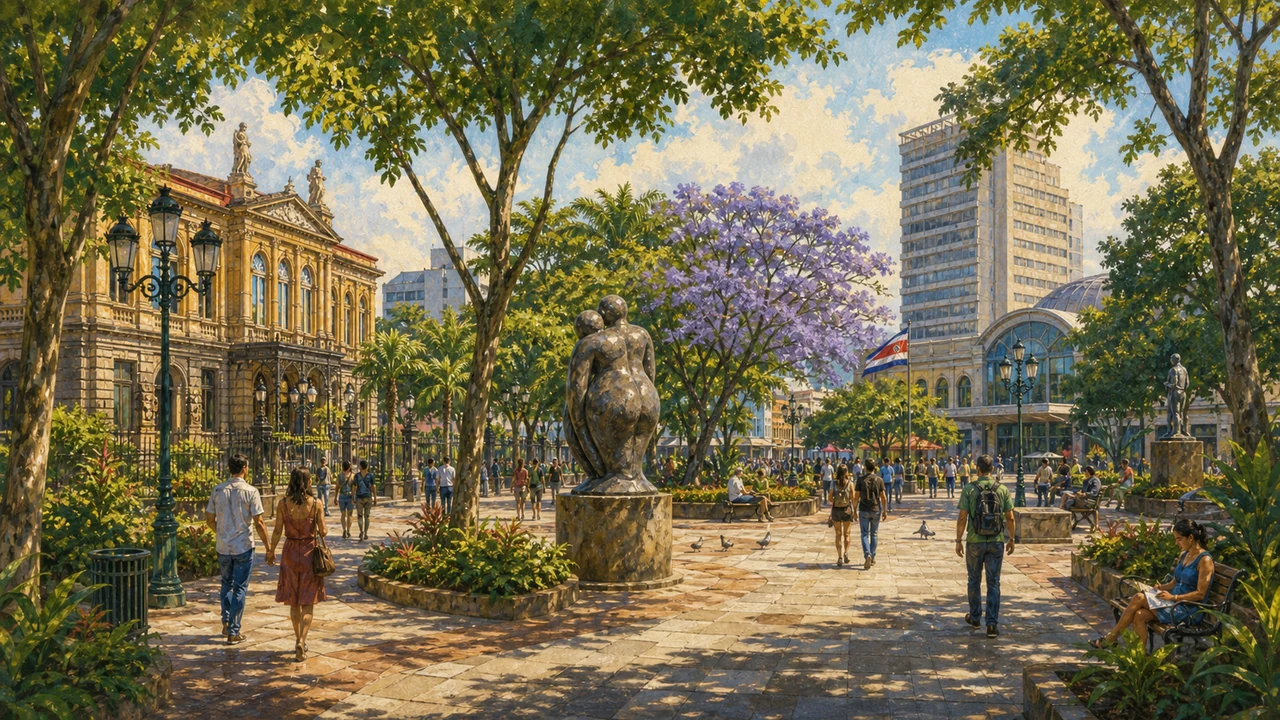 The area immediately surrounding the Melico Salazar and the National Theater constitutes San José’s richest cultural district. Within easy walking distance are the Parque Central (with its bandstand, where free concerts are still performed on Sunday mornings), the Metropolitan Cathedral, the Pre-Columbian Gold Museum beneath the Plaza de la Cultura, and several public squares shaded by mango and fig trees.
This downtown San José walking tour for cultural travelers needs little more than comfortable shoes and a few hours. The city that many visitors dismiss as a transit point on the way to the rainforest reveals, on foot, a layered urban history — churches built in the colonial era, civic monuments from the liberal reform period of the late 19th century, and modernist public buildings from the 20th century all within a few blocks of each other.
For a broader picture of what the capital and the country have to offer, the Costa Rica travel tips section covers practical planning advice, and the art and culture hub links to museums, festivals, and heritage sites across all regions. Travelers with more time can explore ecotourism and nature beyond the city, or check the activities and sports section for adventures throughout the country.
The popular arts theater experience in San José that the Melico Salazar has been delivering since 1927 remains one of the most authentic ways to connect with Costa Rican cultural life — not as a spectator of something preserved in amber, but as a participant in a living, breathing tradition that the country continues to celebrate.
Frequently asked questions
Who was Melico Salazar, and why is the theater named after him?
Manuel "Melico" Salazar (1887–1950) was Costa Rica's most celebrated operatic tenor. He performed on leading stages in Europe and the Americas before returning to his homeland, and the theater was named in his honor to recognize his enormous contribution to Costa Rican musical culture.
What kinds of shows does the Melico Salazar Theater stage?
The theater specializes in popular and folk performances — marimba concerts, traditional dance, folklore festivals, theater productions, and concerts across a wide range of genres. It is deliberately positioned as the people's stage, complementing the grander classical programming at the National Theater next door.
Where is the Melico Salazar Theater located in San José?
The theater sits on Avenida 2 in central San José, directly beside the Teatro Nacional. The area is walkable from the Plaza de la Cultura and the Metropolitan Cathedral, making it easy to combine with other downtown landmarks.
Can visitors tour the theater even without attending a performance?
Yes. The historic lobby and coffee shop are generally open to the public on performance days, and guided cultural tours of central San José often stop here. Check current schedules locally, as hours may vary.
How does the Melico Salazar Theater differ from the National Theater?
The National Theater (Teatro Nacional) is Costa Rica's most ornate 19th-century opera house, focused on classical music, opera, and ballet. The Melico Salazar, built in 1927, was designed to bring performing arts to a broader audience, with popular folk, dance, and contemporary theater at the forefront.