Cruising in Costa Rica: Ports, Day Trips & Catamaran Tours
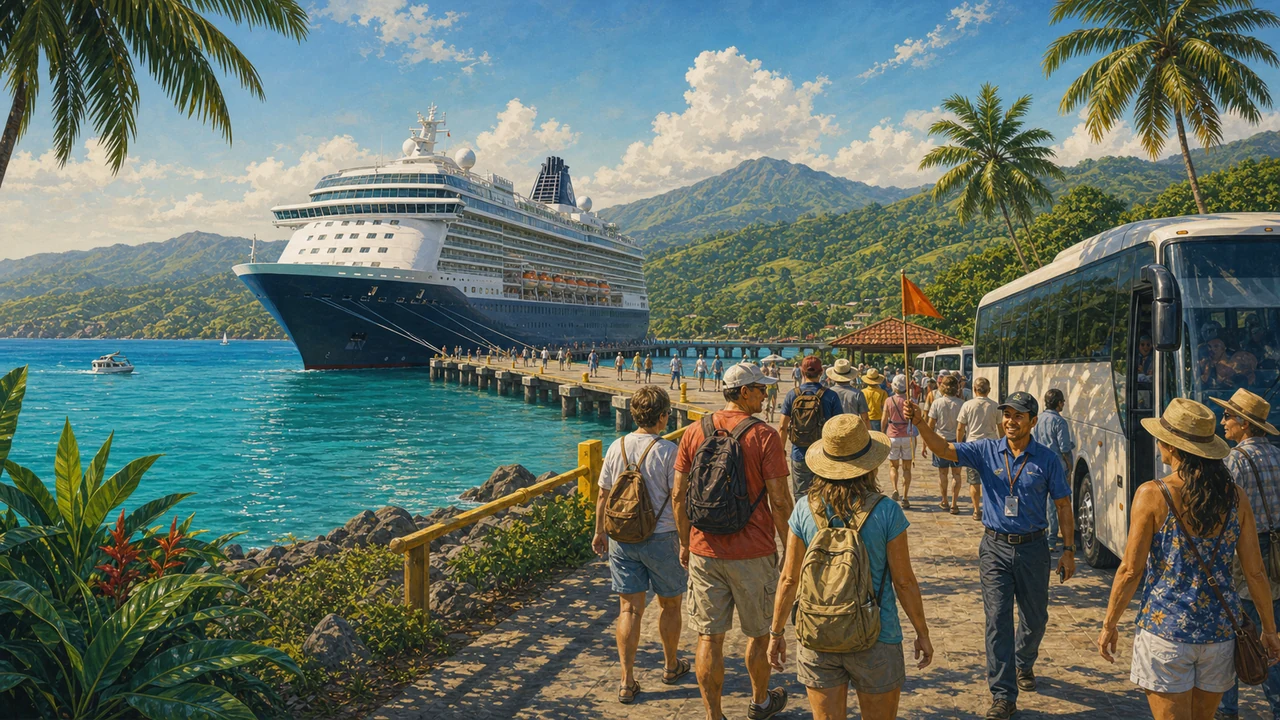 Costa Rica welcomes cruise passengers at two coastlines — the Caribbean’s Puerto Limón and the Pacific’s Puntarenas and Caldera — making it one of the few countries in the world where a single voyage can touch both oceans. Whether you have a single day in port or are joining an independent catamaran tour, the country packs an extraordinary range of experiences within easy reach of the dock.
Costa Rica’s Cruise Ports at a Glance
Costa Rica’s geography puts two distinct worlds within reach of any major Caribbean or Pacific itinerary.
Puerto Limón on the Caribbean coast is the country’s principal Atlantic port. Cruise ships dock at the modern terminal just minutes from the city center, placing passengers within striking distance of the jungle canals of Tortuguero National Park, the coral reef at Cahuita National Park, and the lively Afro-Caribbean culture that makes this coast feel unlike anywhere else in Central America. The Limón region retains a reggae-and-calypso rhythm that sets it apart from the rest of Costa Rica.
On the Pacific side, Puntarenas has served as Costa Rica’s main western port for well over a century. The Puerto Caldera terminal, a short drive south of Puntarenas town, handles the largest cruise vessels. From either facility, passengers can fan out across the Central Pacific — toward Manuel Antonio National Park, the estuaries of Carara National Park, or catamaran departures into the Gulf of Nicoya. The Puntarenas province stretches from tropical dry forest in the north to rainforest in the south, giving Pacific-side passengers a sweeping cross-section of Costa Rican ecotourism.
A Day in Port: Puerto Limón Shore Excursions
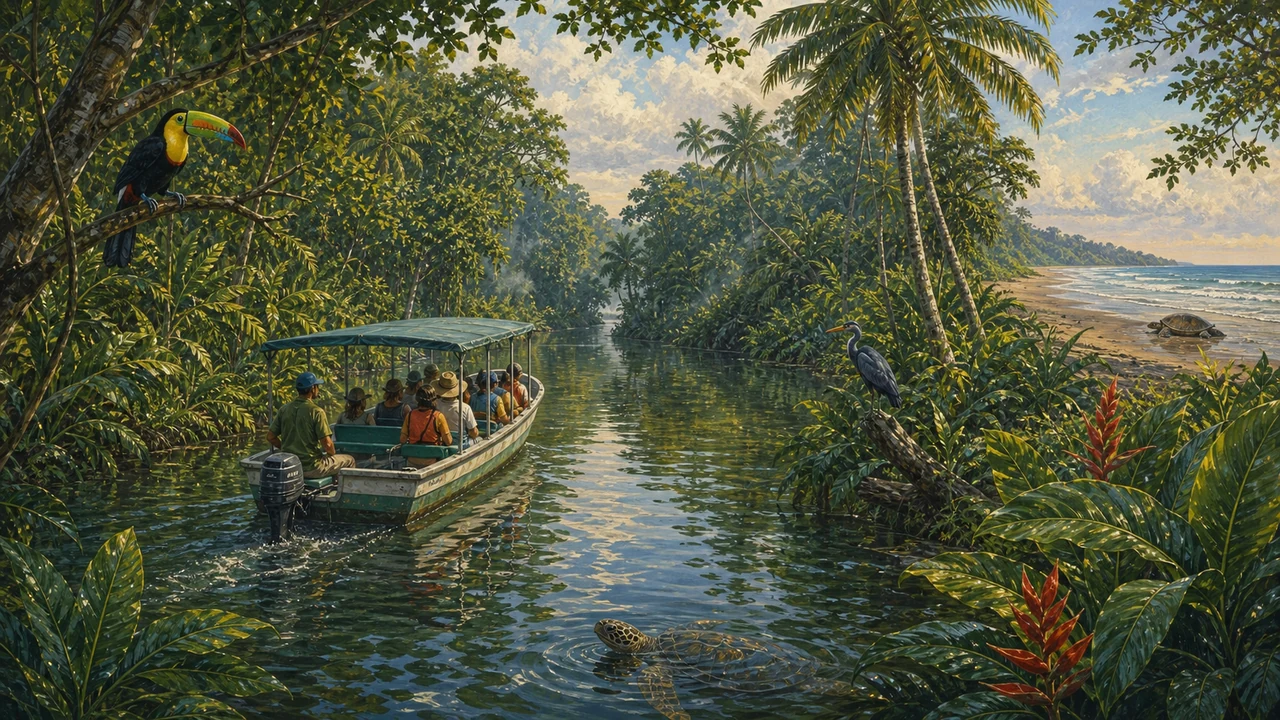 A Caribbean cruise ship day trip to Tortuguero is among the most iconic things to do in Central America. Flat-bottomed canal boats glide through a mosaic of waterways flanked by towering rainforest, and sightings of river otters, manatees, caimans, and dozens of bird species are common even on a half-day tour. The canals are navigable year-round, making Tortuguero one of the most reliable wildlife encounters in Costa Rica.
Closer to the Limón dock, Cahuita National Park offers snorkeling Costa Rica’s Caribbean reef — the most accessible coral reef in the country — and an easy beach trail through forest full of howler monkeys, sloths, and white-faced capuchins. For those who prefer culture over wildlife, the Limón city market and the colorful Afro-Caribbean neighborhood streets are walkable from the port.
Some cruise itineraries stage a coast-to-coast crossing: passengers disembark in Limón, spend time on the Caribbean canals, and then rejoin the ship in Puntarenas or Caldera after it has transited the Panama Canal. This rare option gives travelers a genuine cross-country experience in a single voyage.
A Day in Port: Puntarenas & Caldera Shore Excursions
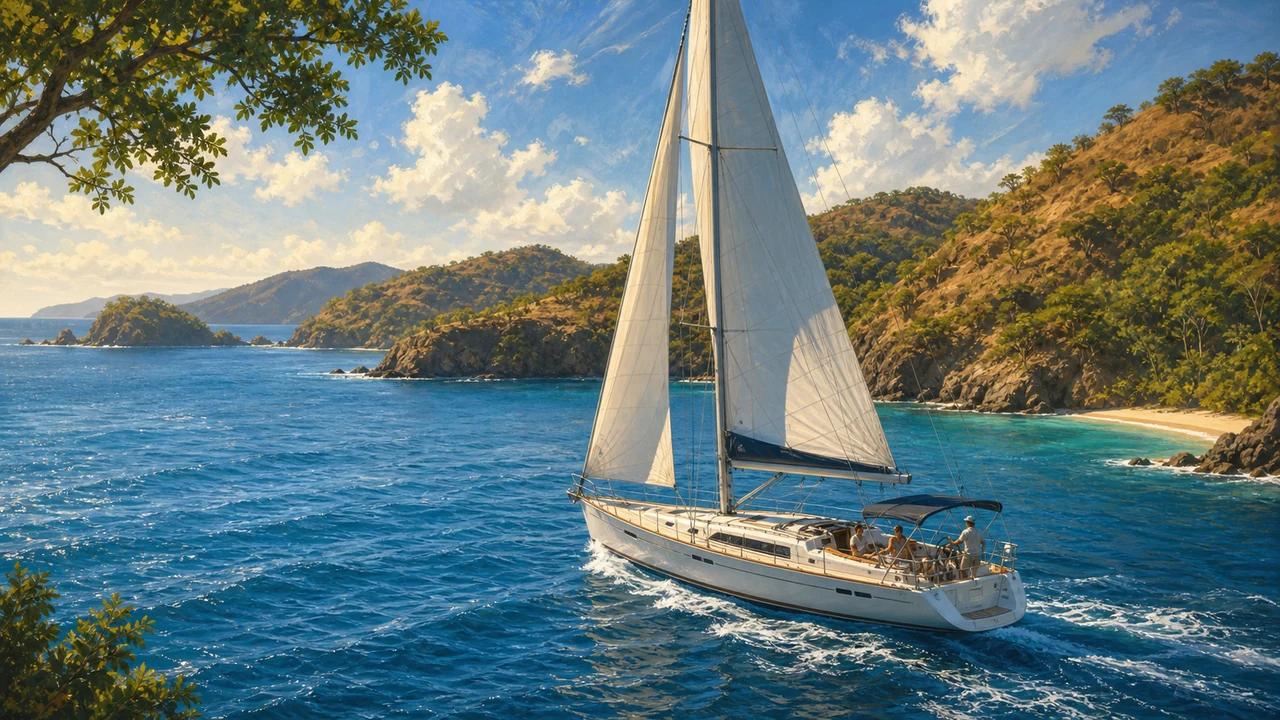 The Pacific ports open up an especially broad menu of adventure activities. The Gulf of Nicoya and its islands sit just offshore, making catamaran day tours from Puntarenas a natural choice — you board steps from the terminal, sail to a secluded snorkeling spot or sandy island, spot dolphins along the way, and return for an open-bar sunset without ever needing a bus.
For those willing to travel an hour or two, the options multiply quickly:
- Manuel Antonio National Park — Pacific beaches, capuchin monkeys, and one of Costa Rica’s most photogenic jungle-meets-beach landscapes.
- Carara National Park — home to one of the country’s largest scarlet macaw colonies; accessible for even a brief shore excursion.
- Río Tárcoles crocodile tour — flat-bottom boats cruise under the famous bridge where dozens of massive American crocodiles bask year-round.
- White-water rafting on the Río Savegre — a few operators run manageable half-day rafting trips that reach the put-in from Caldera in under two hours.
- San José city tours — some passengers take the highway to the capital for a museum visit or a coffee plantation tour in the Central Valley.
Check with your cruise line or a local operator about tour return guarantees — reputable shore-excursion companies will get you back to the ship on time or take responsibility if they don’t.
Independent Catamaran and Day Cruises
 You don’t need to arrive on a cruise ship to enjoy Costa Rica from the water. Independent travelers have access to a thriving charter and day-cruise scene up and down both coasts.
On the Pacific, catamarans depart daily from Jacó, Quepos, and the Papagayo Gulf. A typical full-day tour includes:
- Morning snorkeling at a rocky point or island with resident fish, rays, and sea turtles
- Dolphin-watching in open water (spinner and bottlenose dolphins are common)
- Lunch served on board with tropical fruit and local snacks
- An afternoon sailing leg back to port with an open bar
Sunset cruises are an especially popular option in the dry season (December through April) when the sky over the Pacific turns extraordinary shades of orange and red. These shorter departures — typically two to three hours — leave late afternoon and are perfect for celebrating a wedding anniversary, birthday, or simply a beautiful evening in Costa Rica.
For the most adventurous, Cocos Island National Park sits roughly 550 km off the Pacific coast and is accessible only by live-aboard dive vessel. Liveaboard diving trips to Cocos Island typically run seven to ten days and are considered among the premier shark-diving experiences in the world, with schooling hammerheads a reliable sight during much of the year.
On the Caribbean side, smaller operators run multi-day riverboat trips through the inland waterways of the Tortuguero region, sleeping at canal-side lodges and exploring the jungle at dawn. These trips combine wildlife observation with a distinctly different cultural atmosphere — calypso rhythms, Creole cooking, and a slower pace that reflects the history of the Caribbean coast.
Island Hopping and Shorter Excursions
Isla Tortuga, a pair of uninhabited islands in the Gulf of Nicoya, is the classic half-day catamaran trip from Puntarenas — white sand, clear turquoise water, and hammock-strung palms that look lifted from a postcard. The trip includes snorkeling, a beach barbecue, and the crossing itself, which often brings dolphins riding the bow wave.
Slightly further out, Isla del Caño off the Osa Peninsula offers some of the best snorkeling and diving on the Pacific coast. The island and its surrounding reef form the Caño Island Biological Reserve, protecting an extraordinary concentration of marine life that makes it a favorite destination for whale sharks, manta rays, and schooling fish. Day trips typically depart from Drake Bay or Dominical.
For practical travel tips on planning shore excursions, currency, and getting around, see our full guide to traveling to Costa Rica.
Practical Tips for Cruise Passengers
- Book early: Shore excursions to Tortuguero and Cocos Island fill up well in advance, especially during the December–March peak season.
- Currency: Bring US dollars — they are widely accepted at ports and tour operators. Costa Rica’s currency is the colón (CRC), though most tourist transactions default to USD.
- Weather: The Caribbean and Pacific have opposite rainy seasons. The Pacific is driest December–April; the Caribbean has a shorter dry window in September–October. Neither season stops cruising — a warm tropical rain rarely lasts all day.
- Safety: Costa Rica is considered one of the safer destinations in Central America for tourists, but standard precautions apply. Leave valuables on the ship, use registered tour operators, and check the latest advice from your government’s travel advisory page.
- Re-board time: Always allow a buffer before the ship’s all-aboard call. Traffic between San José and the coasts can be slow, especially on busy weekend mornings.
Whether you are scanning the horizon from a cruise-ship deck, snorkeling off a catamaran, or drifting through jungle canals at dawn, Costa Rica’s waters offer some of the most memorable experiences in the Caribbean and Pacific. The diversity packed into a single day in port is a preview of what awaits on a longer visit — and most first-time cruise passengers find themselves planning that return trip before the ship has even left the dock.
Frequently asked questions
Which ports do cruise ships use in Costa Rica?
On the Pacific side, ships call at the Port of Puntarenas or the adjacent Puerto Caldera container-and-cruise terminal. On the Caribbean side, the main port is Puerto Limón (Port of Limón), the country's busiest Atlantic gateway. Both are well-served by shore-excursion operators.
How much time do cruise passengers typically have in port?
Most itineraries allow six to ten hours in port, enough time for a guided rainforest hike, a wildlife tour, a coffee plantation visit, or a catamaran cruise. Longer 'turnaround' calls sometimes allow up to a full day ashore.
What shore excursions are available from Puerto Limón?
Popular options include canal boat tours through Tortuguero National Park, snorkeling at Cahuita National Park's reef, zip-lining in the Caribbean lowlands, and cultural walks through the Afro-Caribbean neighborhoods of Limón city.
What can I do from Puntarenas or Caldera in a day?
From the Pacific ports, popular excursions include crocodile-spotting river tours, visits to Manuel Antonio National Park, Carara National Park bird walks, white-water rafting on the Río Savegre, and catamaran or sunset cruises on the Gulf of Nicoya.
Are catamaran and sunset cruises available for independent travelers?
Yes. Several operators along the Central Pacific coast offer daily catamaran departures that include snorkeling, dolphin watching, and an open bar. Sunset cruises typically depart from Puntarenas, Jacó, Quepos, and the Papagayo Gulf area and require no cruise-ship connection.