Caving in Costa Rica: Barra Honda & Venado Caves
Caving in Costa Rica takes you into a hidden world of limestone chambers, ancient marine fossils, and cathedral-like formations that formed over millions of years — and the country has two outstanding cave destinations worth exploring. Whether you descend into Barra Honda National Park in Guanacaste or wade through the Venado Caves near Arenal, spelunking here rewards curiosity with natural wonders you simply cannot find above ground.
Barra Honda National Park — Guanacaste’s Underground Wonder
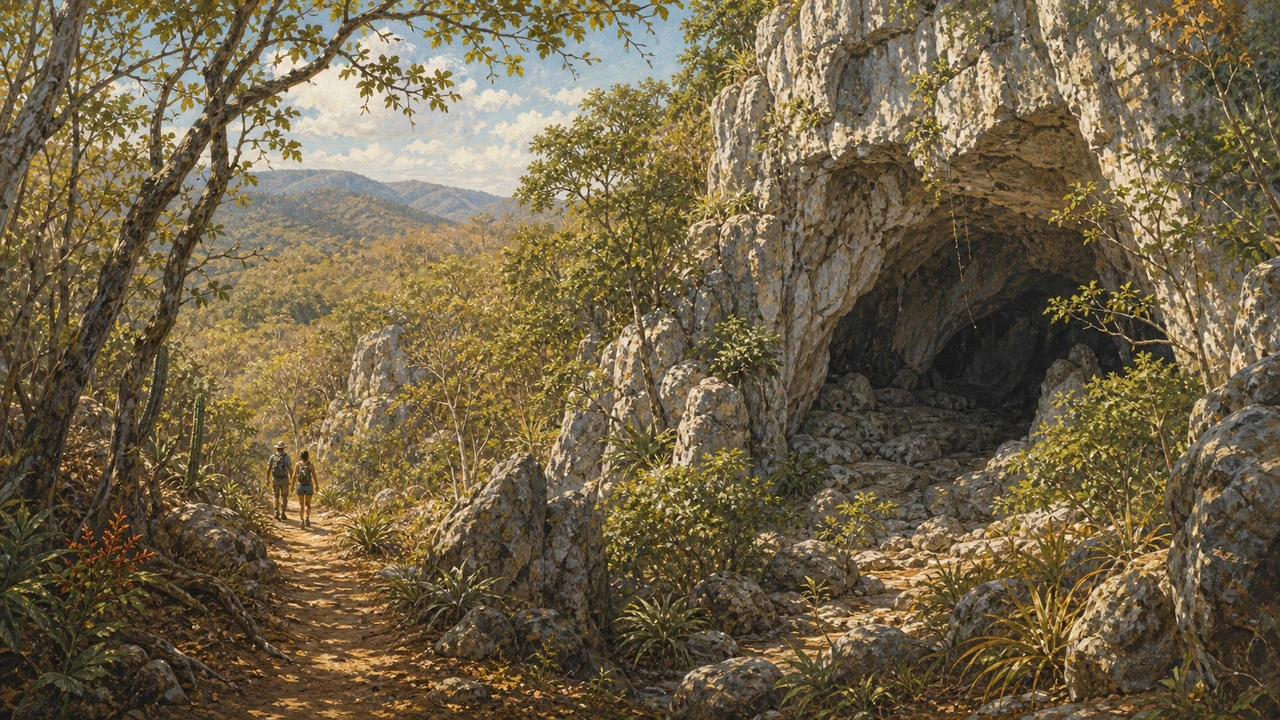 [Barra Honda National Park](/costa-rica-protected-areas/costa-rica-national-parks/barra-honda-national-park) in Guanacaste Province protects one of the most remarkable cave networks in Central America. The Barra Honda massif is composed of reef-type limestone — evidence that this region once lay beneath a shallow sea. Over thousands of years, mineral-rich rainwater dissolved the rock, carving out an extensive system of underground chambers and passages. More than 40 caves have been identified; 19 have been explored, and only a handful are open to the public.
Getting to the caves is itself part of the adventure. Visitors hike roughly an hour through tropical dry forest trails in Barra Honda — a habitat rare even within Costa Rica’s diverse landscape — before reaching the cave entrance. The forest is home to white-tailed deer, howler monkeys, and a variety of bird species, so the walk above ground is worthwhile in its own right.
The main accessible cavern requires a 25-meter rappel descent into Barra Honda’s main chamber, an experience that sounds intimidating but is manageable for most healthy adults with a competent guide. A secure harness and a free-hanging aluminum ladder serve as your anchor; guides brief you thoroughly before the descent. Once inside, the scale of the underground world opens up dramatically.
Inside Barra Honda’s Caverns
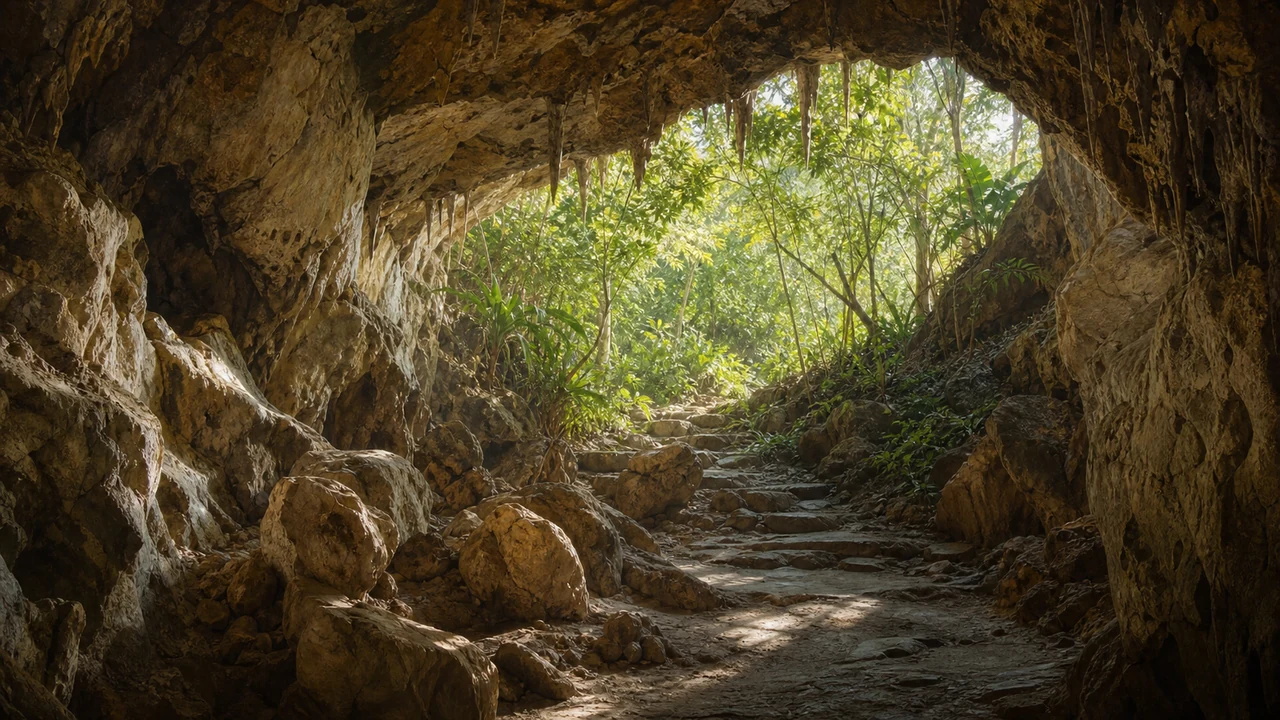 The stalactite and stalagmite formations inside Barra Honda are exceptionally well preserved. Over millennia, dripping mineral-laden water has built columns, curtains, and intricate crystalline structures. Where a stalactite (hanging from the ceiling) and a stalagmite (rising from the floor) have grown until they meet, a pillar forms — some reaching several meters in height.
One formation that draws particular attention is nicknamed “the Organ.” When tapped lightly, different sections of this calcite structure produce clear, resonant musical tones — a geological curiosity that consistently surprises first-time visitors.
Exploration continues beyond the main chamber into a series of smaller side caves, each with its own character. Some passages require crouching; others open into vaulted rooms where your headlamp barely reaches the ceiling. The underground cave formations at Barra Honda include pearl-like cave pearls, popcorn-textured walls, and delicate cave flowers, all sensitive to touch — guides emphasize a strict no-contact policy to protect them.
Venado Caves — Spelunking Near Arenal
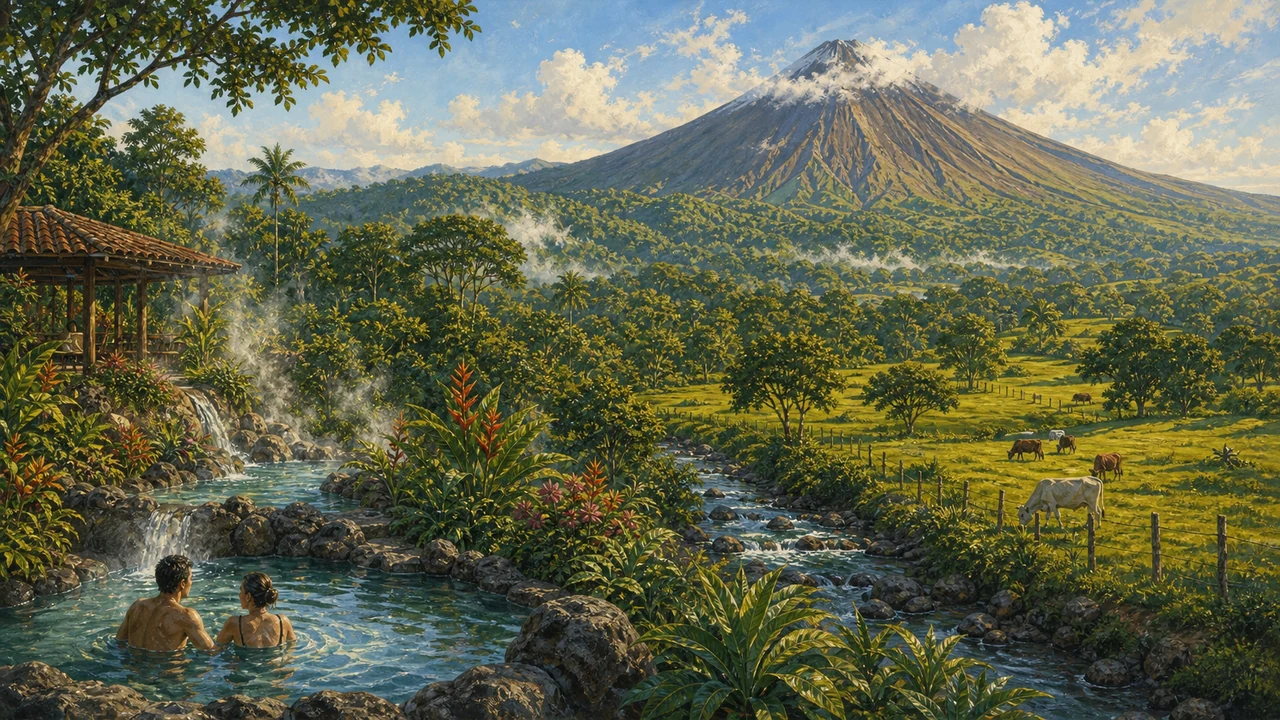 The Venado Caves lie in the Northern Plains (Zona Norte), roughly an hour from La Fortuna and the Arenal Volcano area. This cave system formed through a similar limestone dissolution process as Barra Honda, but the experience on the ground is distinctly different — and considerably wetter.
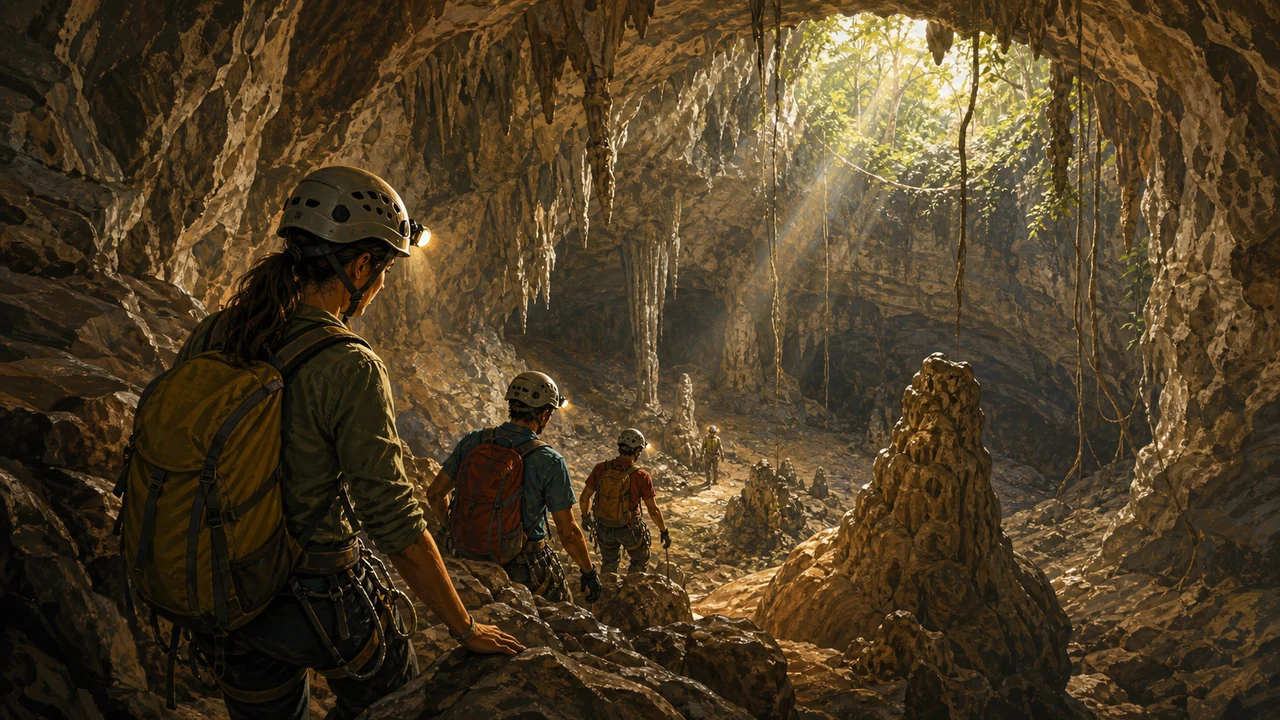
Guides equip visitors with rubber boots, hard hats, and headlamps before leading them into a network of four interconnected chambers. The guided spelunking tour through Venado Caves involves wading through underground streams, squeezing through narrow passages, and at times crawling on hands and knees. It is an immersive, full-body adventure rather than a sightseeing stroll.
The cave floor contains marine fossils embedded in the limestone, a testament to the area’s ancient submarine origins. Stalactites, stalagmites, cave corals, and other formations line the passages, while bats roost in the upper reaches of the caverns. The combination of geological history, wildlife, and physical challenge makes Venado Caves a popular add-on for travelers already visiting the Arenal region for adventure activities.
Guided Tours — What to Expect
Both Venado Caves and Barra Honda’s cave system are accessible only with qualified guides, a rule that protects both the fragile formations and the safety of visitors. Attempting to enter independently is not permitted at either site.
Tour operators and park rangers at Barra Honda handle logistics from the trailhead. Standard equipment provided typically includes:
- Safety helmet and headlamp
- Rappelling harness and descender (Barra Honda)
- Rubber boots (Venado Caves)
- Safety ropes and anchor points
Group sizes are kept manageable to minimize disturbance to the cave environment. Guides explain the geology and ecology as you go, adding context that makes the formations far more meaningful than simply seeing shapes in the dark.
For Venado Caves, local tour companies in La Fortuna and Arenal offer half-day packages that include transport, equipment, and a guide. For Barra Honda, you can arrange visits through the national park office or through licensed Guanacaste-based tour operators.
Safety and Practical Tips
 Caving in Costa Rica is a low-risk activity when done properly with professional guides — but a few practical points will make your visit smoother:
- Physical fitness: Both sites involve physical exertion. Barra Honda requires rappelling and hiking; Venado involves crawling and wading in cool water. A reasonable level of fitness and mobility is expected.
- Claustrophobia: Some passages in Venado Caves are tight. If you are sensitive to confined spaces, discuss this with your guide before the tour so they can manage your expectations and keep you in comfortable sections.
- Dry-season timing: The caves are accessible year-round, but dry-season caving at Barra Honda (December through April) is generally more comfortable. Heavy rains during the wet season can raise water levels in passages and make trails slippery.
- Leave no trace: Touching formations damages them irreversibly. Follow your guide’s instructions, stay on designated paths, and carry out everything you bring in.
- Footwear: Even if you bring your own shoes, opt for something with solid grip. Wet limestone is extremely slippery.
Both cave systems are among Costa Rica’s more unusual natural attractions — the kind of experiences that are genuinely hard to find elsewhere in the region. They pair naturally with other adventure activities in Costa Rica and complement broader trips into Costa Rica’s ecotourism and nature destinations. If your itinerary includes Guanacaste, Barra Honda deserves a day; if you’re basing yourself near La Fortuna, Venado Caves make a natural half-day excursion.
For more on planning your trip underground and above, see Costa Rica travel tips and explore the full range of national parks and protected areas the country has to offer.
Frequently asked questions
Do I need caving experience to visit the caves in Costa Rica?
No prior caving experience is required for either Barra Honda or Venado Caves. Both sites are visited exclusively with qualified guides who provide all necessary equipment and instruction. Barra Honda's main cave requires a rappel descent, which guides handle with a secured harness and ladder system.
What should I wear and bring for a cave tour in Costa Rica?
Wear clothes you don't mind getting muddy and bring closed-toe shoes with good grip. Guides provide hard hats and headlamps. For Venado Caves, rubber boots are typically supplied on-site. Carry water and a light snack; temperatures inside the caves are cool compared to the jungle heat outside.
When is the best time to visit Barra Honda National Park for caving?
The dry season (December through April) is generally preferred because the trails through tropical dry forest are easier and the cave interiors are more accessible. Some cave sections can flood during heavy rains, so always check conditions with park rangers or your guide before descending.
Are Venado Caves near Arenal worth visiting?
Yes — Venado Caves offer a different experience from Barra Honda, with a network of interconnected chambers containing marine fossils, stalactites, stalagmites, bats, and underground streams. The wet, immersive exploration makes it ideal for travelers who want an adventurous, hands-on experience near La Fortuna.
Can children go caving in Costa Rica?
Older children and teenagers in good physical condition can participate, though minimum age and fitness requirements vary by operator and site. Barra Honda's rappel descent is not suitable for very young children. Venado Caves, which involve crawling and wading, require a degree of physical agility. Always consult your tour operator in advance.