Africa Mía Safari Park Near Liberia, Guanacaste
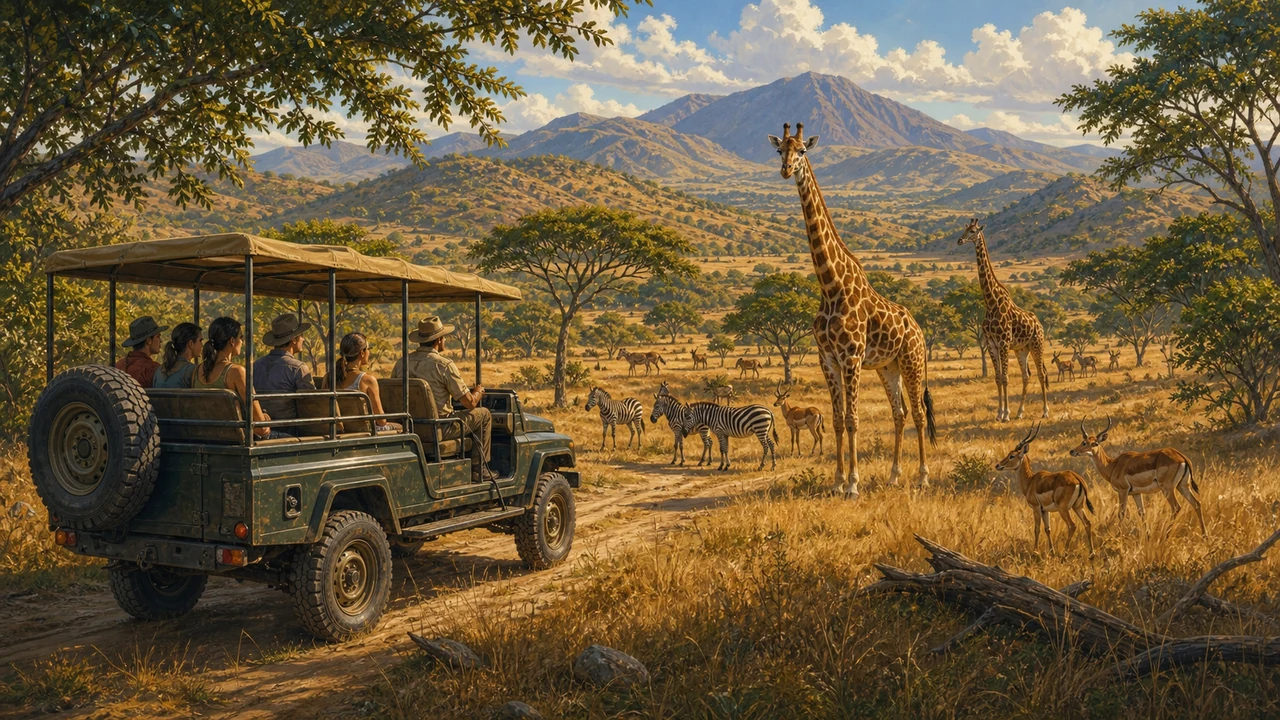 Africa Mía is a one-of-a-kind African wildlife safari park in Costa Rica, set on 100 hectares of open savanna near Liberia in Guanacaste. Nowhere else in the country can you watch giraffes stretch toward acacia-like trees, zebras trot across dry grassland, and native Costa Rican wildlife share the same landscape — all within a single afternoon.
The park was founded as both an ecotourism attraction and a conservation project with the aim of bringing economic and social benefits to the El Salto community. Its open, predator-free habitat allows the imported African species to live in conditions that closely mimic their native environment, while the surrounding Guanacaste dry forest adds an authentic tropical backdrop.
The Animals: African and Native Species Together
 The headline attractions at Africa Mía are the African savanna animals in a Costa Rican setting — a combination that surprises even seasoned travelers. Among the species you can expect to see:
- Giraffes — the park’s most iconic residents, towering above the dry scrub
- Plains zebras — roaming the open grassland in small herds
- Gnus (wildebeest) — grazing alongside the zebras much as they would on the Serengeti
- Oryx — long-horned antelopes with a calm, regal presence
- Warthogs (Phacochoerus africanus) — endearingly ungainly and surprisingly fast
Woven through the African collection are the native residents of Guanacaste: white-faced capuchin monkeys, agoutis, iguanas, and a rich variety of migratory and resident birds. The dry tropical forest surrounding the savanna zones is excellent habitat for birdwatching, and guides are skilled at spotting species that casual visitors might miss.
With roughly 250 species represented across the park, a single visit covers more wildlife diversity than many multi-day itineraries.
The Safari Experience
 Visiting Africa Mía is structured as a guided safari tour through open savanna habitat, typically conducted by vehicle with stops to observe the animals up close. The open-range design means animals move freely rather than being confined to small enclosures — a format that feels more like a genuine wildlife encounter than a conventional zoo visit.
Guides explain the ecology and behavior of each species, draw connections between the African savanna and the Guanacastecan dry forest ecosystem, and ensure a safe, respectful distance from the larger animals. The absence of predators within the park means the African species are noticeably calm, often approaching the tour vehicle out of curiosity — particularly the giraffes, which have become accustomed to visitors.
The savanna terrain and the golden dry-season light make Africa Mía a rewarding destination for wildlife photography, and the dramatic scale of giraffes against the Guanacaste sky is a shot you will not find anywhere else in Central America.
Location and Getting There
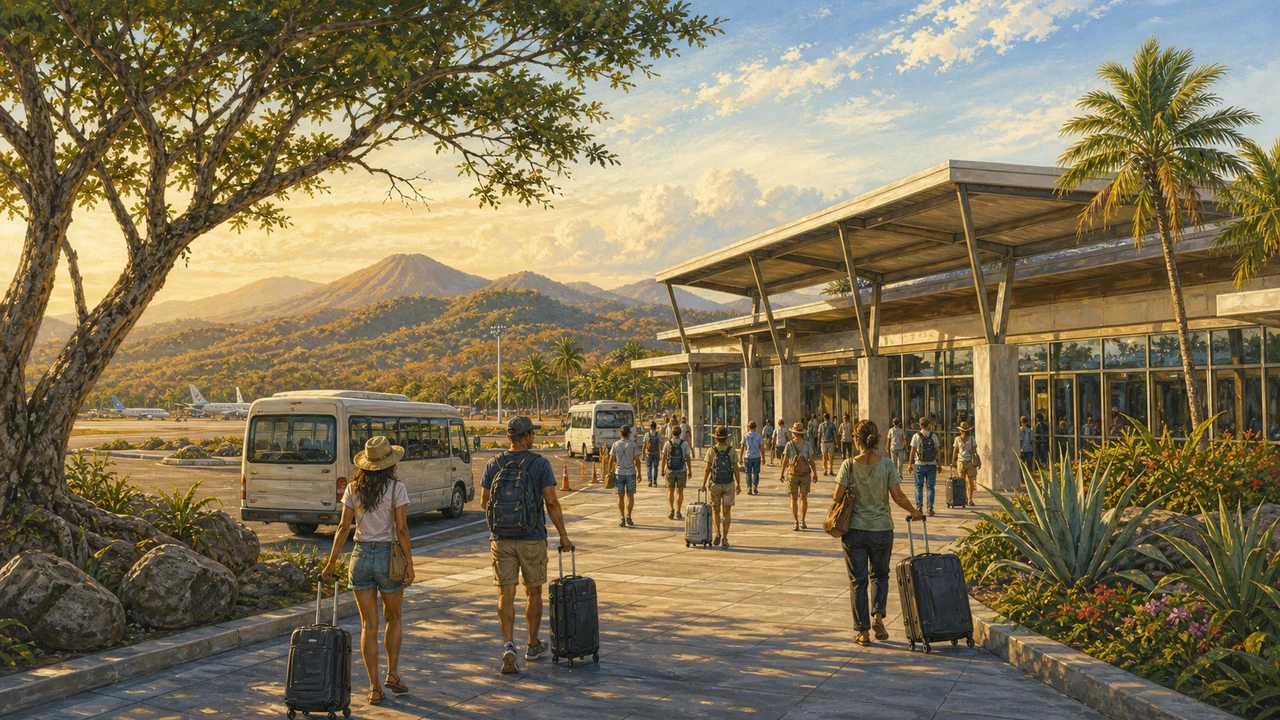
Africa Mía sits in the El Salto area on the outskirts of Liberia — the provincial capital of Guanacaste and home to the Daniel Oduber International Airport (LIR). For travelers flying directly into Guanacaste rather than San José, the park is genuinely close — one of the nearest major tourist attractions to the LIR terminal.
From Liberia, the drive to the park entrance is short along paved road. Most hotels in the Liberia area and along the nearby Guanacaste coast can arrange transportation or help book a tour. Rental car access is straightforward; the road network around Liberia is well-maintained.
Guanacaste’s dry season (roughly December through April) delivers the classic savanna aesthetic: golden grass, clear skies, and excellent animal visibility. The green season brings lush vegetation and fewer crowds, though afternoon rains can limit outdoor time. Africa Mía operates year-round, but confirming current hours and access directly with the park before your visit is always wise.
Africa Mía as an Ecotourism Project
 Beyond its appeal as an unusual attraction, Africa Mía was conceived as a genuine community ecotourism initiative in Guanacaste. The project channels tourism revenue into the local El Salto community and raises awareness about wildlife conservation among Costa Rican and international visitors alike.
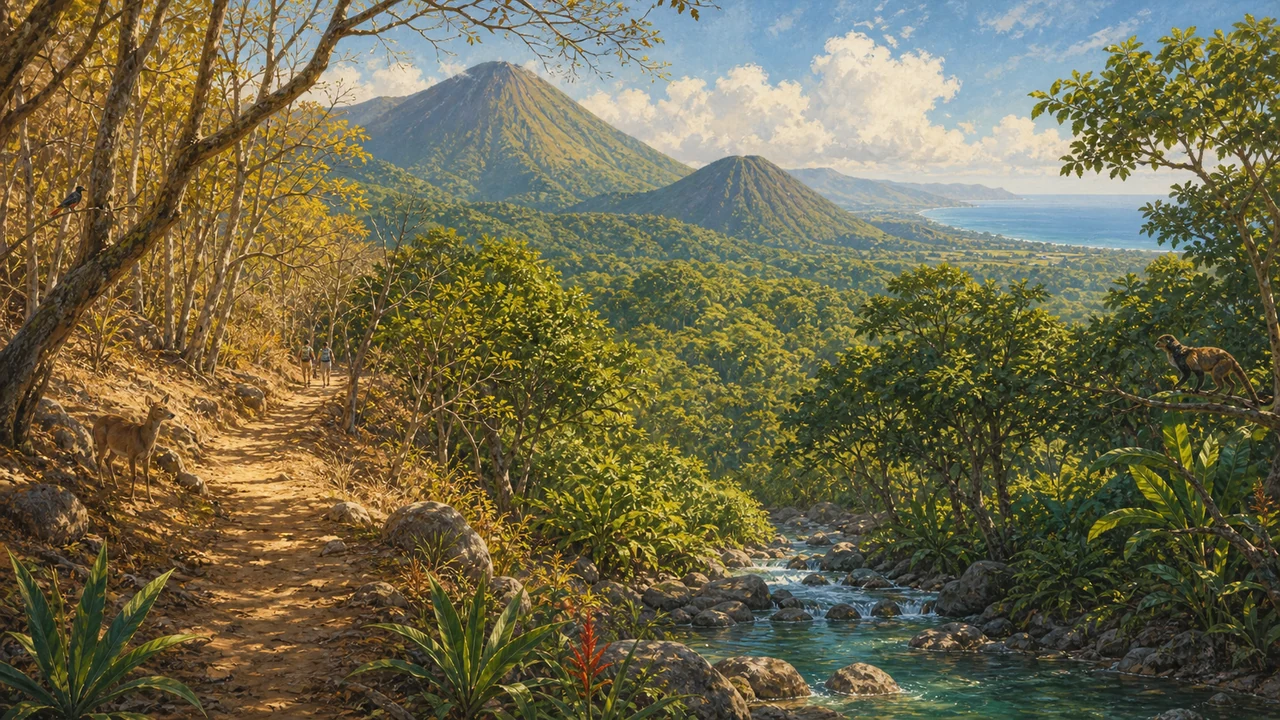
Guanacaste’s dry tropical forest ecosystem is itself one of the most biodiverse and threatened habitat types in Mesoamerica. By anchoring an attraction within that landscape, the park provides an additional economic rationale for protecting and maintaining the surrounding natural environment — a model consistent with Costa Rica’s broader commitment to conservation. The country has protected more than 25% of its territory and hosts roughly 5% of global biodiversity; Africa Mía adds a distinctly global dimension to that story.
The park also operates as a venue for educational and corporate events, bringing schools and business groups into direct contact with wildlife in a setting that’s hard to replicate elsewhere in the region.
Combining Africa Mía with Other Guanacaste Experiences
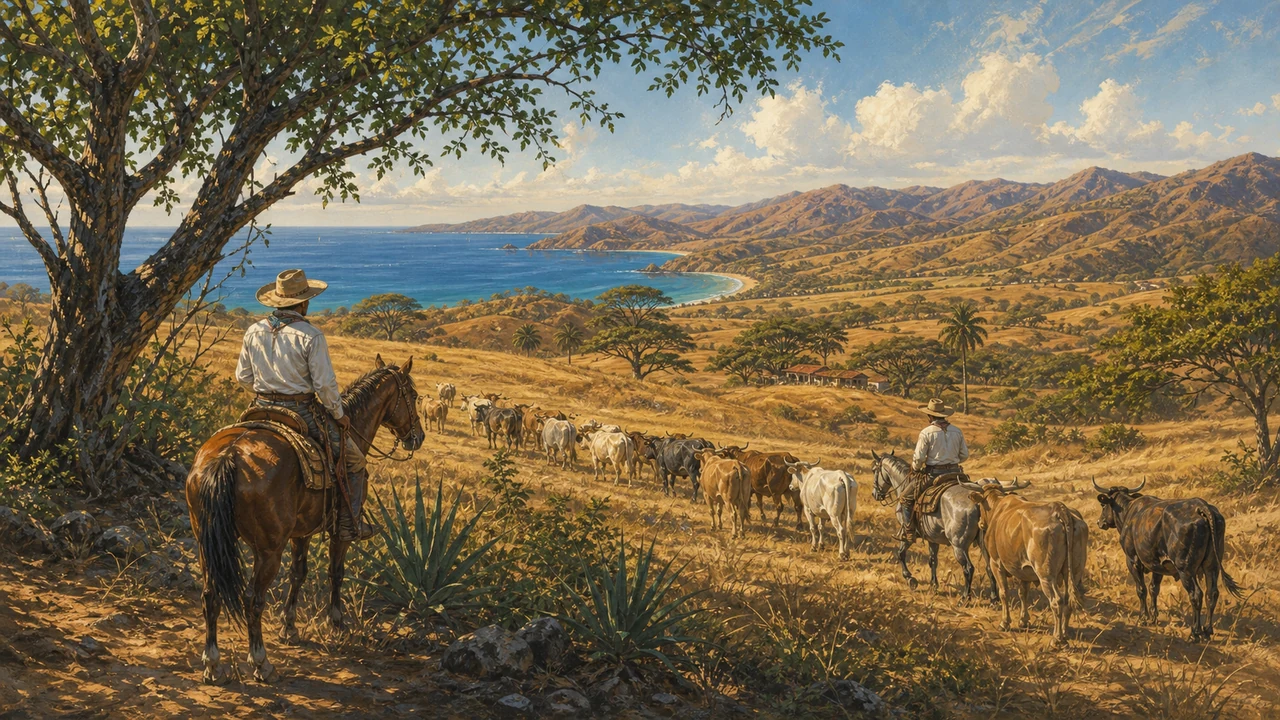
Africa Mía pairs naturally with the wider range of activities and sports in Costa Rica available around Liberia and Guanacaste. A few popular combinations:
- Rincón de la Vieja Volcano — active volcanic terrain, hot springs, and rainforest trails lie northeast of Liberia; canyoning at Río Negro is a standout option
- North Pacific beaches — Guanacaste’s north Pacific coast offers some of Costa Rica’s finest white-sand beaches within an hour or two of Liberia
- Guanacaste National Park — a UNESCO World Heritage Site protecting an extensive swath of dry forest, located north of Liberia
- Sailing in Papagayo Gulf — sunset catamaran tours and snorkeling excursions depart from the Gulf of Papagayo, a short drive from the city
For travel logistics — including entry requirements, driving in Costa Rica, and what to pack for a Guanacaste visit — the Costa Rica travel tips guide covers the essentials.
Africa Mía is the sort of unexpected experience that lingers in memory long after a trip — the moment you lock eyes with a giraffe in the tropics and realize Costa Rica continues to surprise even well-traveled visitors.
Frequently asked questions
Where is Africa Mía located?
Africa Mía is located in El Salto, near Liberia in the Guanacaste province of northwestern Costa Rica. It is a short drive from the Daniel Oduber International Airport (LIR), making it an easy stop for visitors arriving to the region.
What animals can you see at Africa Mía?
The park is home to African species including giraffes, zebras, gnus (wildebeest), oryx, warthogs, and various antelopes. Alongside the African wildlife, visitors also encounter native Guanacastecan species such as monkeys, agoutis, and migratory birds.
How large is Africa Mía?
Africa Mía spans approximately 100 hectares of savanna-like terrain, providing ample space for the animals to roam freely in an open, natural setting.
Do you need a guide to visit Africa Mía?
Guided safari tours are the standard way to experience the park. Guides take visitors through the different zones in a vehicle or on foot, explaining the behavior and origins of the animals and pointing out native flora and fauna along the route.
Is Africa Mía suitable for families with children?
Yes. The relaxed, open-air format and the novelty of seeing African megafauna in Costa Rica makes Africa Mía a memorable experience for children and adults alike. Check current schedules and access details directly with the park before your visit.