Quepos & Manuel Antonio: Your Complete Area Guide
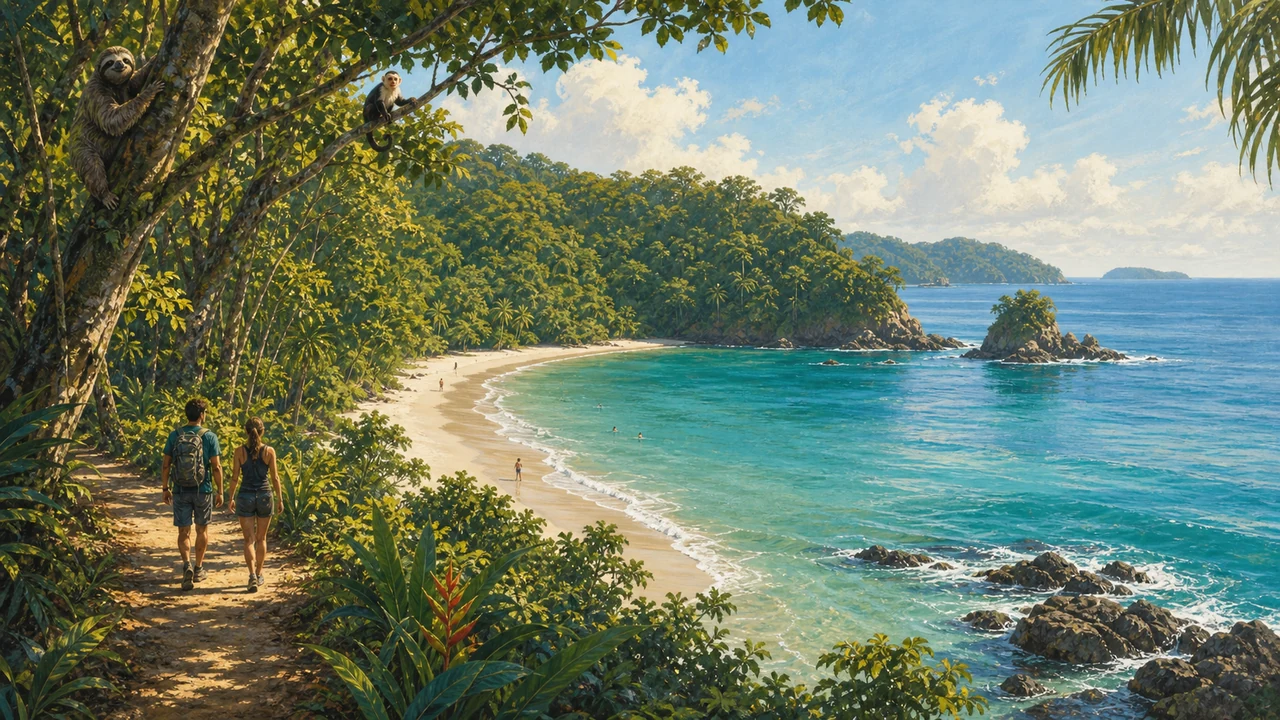 The Quepos and Manuel Antonio area is one of Costa Rica’s most rewarding coastal destinations — a place where a thriving fishing town, a ridge road lined with boutique hotels, and one of the country’s most celebrated national parks all converge on the same stretch of Central Pacific shoreline. Whether you’ve come to watch squirrel monkeys, cast a line for sailfish, or simply settle into a hammock facing the Pacific, the area delivers.
This guide focuses on the town, the journey, and everything you can do outside the park boundary. For trails, wildlife, and park-entry details, see our Manuel Antonio National Park page.
Getting to Quepos and Manuel Antonio
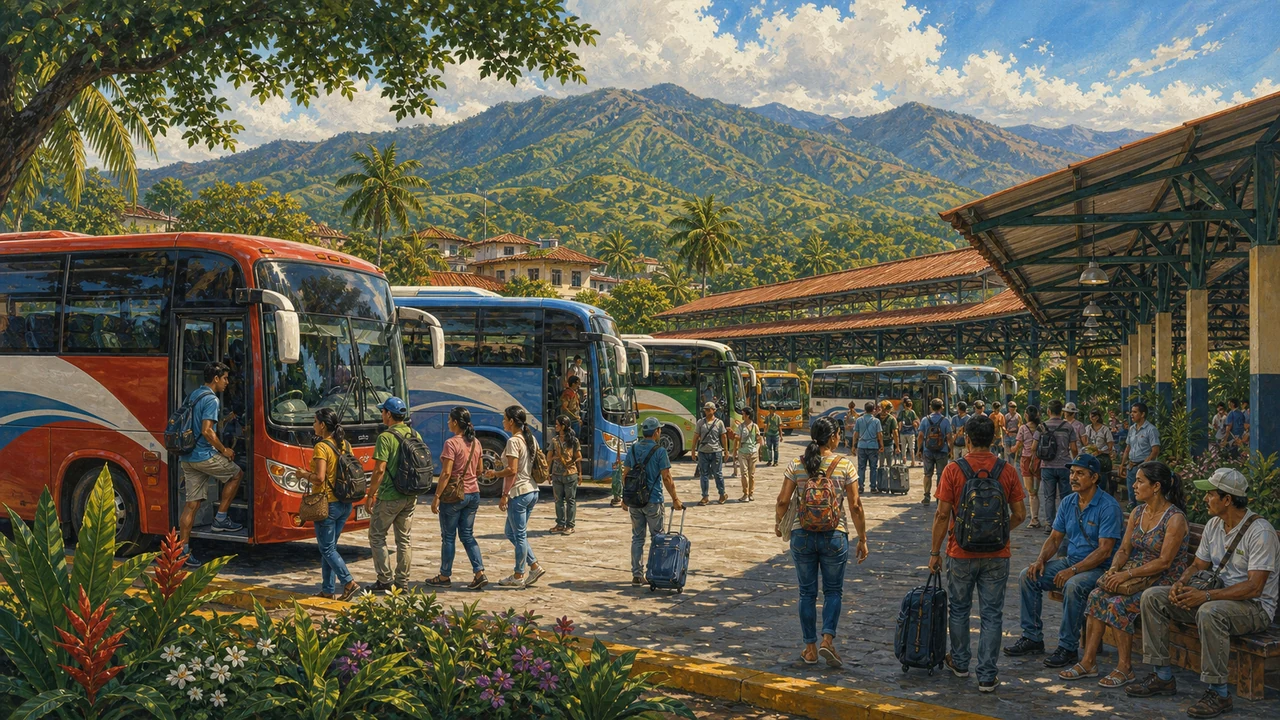 Quepos sits roughly 175 km south of San José, and the journey is straightforward by any mode of transport.
By car: Head south from San José on the Costanera Sur (Route 34), the Pacific coast highway. The drive takes three to three and a half hours under normal conditions, with dramatic scenery as you descend from the central highlands toward the coast. The road is paved and well-signed.
By bus: Direct bus services run between San José and Quepos several times daily, departing from the Tracopa and Transportes Morales terminals near downtown. The journey takes roughly three and a half hours. From Quepos, local buses run frequently down the seven-kilometre ridge road to Manuel Antonio village and the park entrance — taxis cover the same route in minutes.
By shared shuttle: Numerous operators connect San José, Jacó, Monteverde, La Fortuna, and other tourist hubs directly to Quepos. This is often the most convenient option for independent travellers who don’t want to navigate bus schedules.
By domestic flight: Quepos La Managua airport (QEP) receives several flights daily from Tobías Bolaños airport in Pavas, near San José. The flight takes about 20 minutes and drops you within a short taxi ride of town. Nature Air and Sansa have historically served this route — confirm current schedules before booking.
Quepos: The Gateway Town
Quepos is a real working town, not a resort enclave, and that’s part of its appeal. The waterfront is anchored by a commercial fishing harbour and marina where panga boats unload the morning catch alongside sportfishing yachts rigging up for offshore runs. The central market and pulperías cater to local life; the surrounding streets have good sodas (local lunch spots) alongside international restaurants and surf shops.
The marina is also the departure point for sailing tours, dolphin-watching excursions, and day trips up the coast. If you plan to do any offshore fishing, Quepos is one of Costa Rica’s premier sportfishing bases — the stretch of Pacific outside the bay is renowned for sailfish, marlin, roosterfish, and dorado, especially from December through April.
A lively weekend farmers’ market brings the community together, and the malecón (seafront promenade) is a pleasant place to watch the sun set over the fishing boats.
Manuel Antonio Village: The Ridge Road
 Between Quepos and the park entrance runs one of Costa Rica’s most scenic short drives. The winding ridge road climbs above the coast, lined on both sides with hotels, restaurants, zip-line platforms, and viewpoints that look out over the Pacific and the forested hillsides. This is where most visitors to the area stay.
Accommodations here span every price point: small guesthouses tucked into the forest, mid-range hotels with pool decks overlooking the sea, and luxury boutique properties perched on the ridge with private plunge pools and jungle views. Monkeys, toucans, and sloths wander through hotel gardens as a matter of course. Dinner, a cocktail, and a Pacific sunset from a ridge-road restaurant is one of those Costa Rica experiences that stays with you.
At the bottom of the hill, the village of Manuel Antonio itself clusters around Playa Espadilla Norte, the long public beach just outside the park boundary.
Beaches Outside the Park
You do not need a park ticket to enjoy every beach in the area.
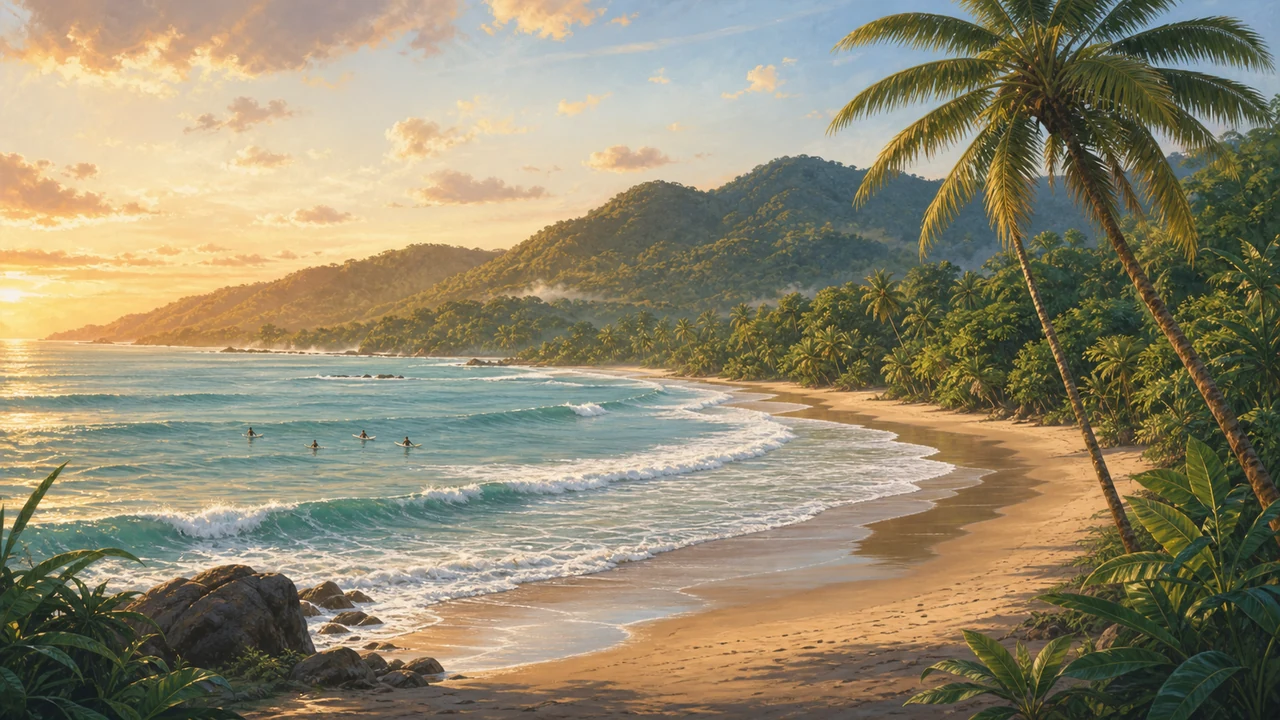
Playa Espadilla Norte is a wide, open-ocean beach running parallel to the road and freely accessible to all. It is popular with surfers and bodyboarders when swells arrive, and casual swimmers enjoy the shallower nearshore section. Facilities include rental chairs, restaurants, and a few small hotels directly on the sand.
Playa Biesanz is a quieter gem: a small sheltered cove tucked behind a headland between Quepos and the park. The calm water and relative seclusion make it a favourite for snorkelling and families with young children. A short trail leads down from the road.
For the beaches inside the park — including the famous Playa Manuel Antonio and the wilder Playa Espadilla Sur — see the national park guide.
Activities and Adventures Around the Area
 The Quepos–Manuel Antonio region is one of the most activity-rich corners of Costa Rica’s Central Pacific coast. Most tour operators are based along the ridge road or at the marina, and booking the day before is usually sufficient outside peak season.
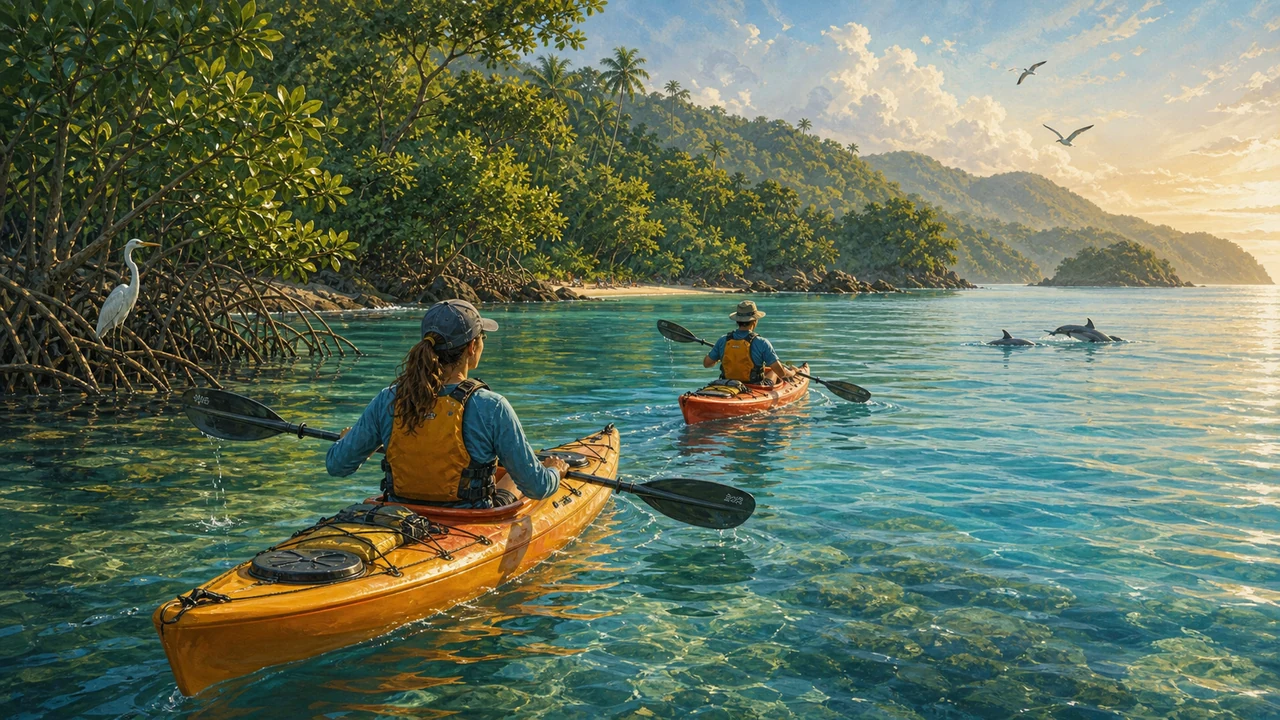
Damas Island estuary kayaking: The mangrove channels of the Damas Island estuary, north of Quepos, form a protected waterway rich with wildlife — crocodiles, Jesus Christ lizards, herons, kingfishers, monkeys, and sloths visible from the water. Guided kayak and boat tours typically take two to three hours.
Sport fishing: Quepos marina is one of Costa Rica’s top offshore sportfishing hubs. Half-day and full-day charters go out after sailfish, marlin, dorado (mahi-mahi), wahoo, and yellowfin tuna. The December–April dry season is considered peak fishing time, but the area produces year-round.
White-water rafting: The Río Savegre and Río Naranjo, which drain the mountains east of Quepos, offer class II–IV rapids through tropical forest. Several outfitters run half-day and full-day trips suitable for families or thrill-seekers depending on the river section.
Sailing, whale-watching, and dolphin tours: Sailboats and catamarans depart from Quepos on sunset cruises and full-day snorkelling trips. Humpback whales pass through on their migrations (roughly July–November from the Southern Hemisphere, December–April from the Northern Hemisphere), and bottlenose dolphins are commonly spotted year-round.
Canopy and zip-line: Several operators on the ridge road run zip-line circuits through the forest canopy above Manuel Antonio. These are popular for families and a good way to experience the forest from above.
Surfing: Espadilla Norte picks up Pacific swells and is a reliable beginner-to-intermediate break. Several surf schools offer lessons and board rentals directly on the beach.
Where to Stay
Accommodation in the Quepos–Manuel Antonio corridor covers everything from budget hostels in Quepos town to all-inclusive luxury resorts on the ridge. As a rough guide:
- Quepos town — most affordable; central to transport, the marina, and local life; a taxi or bus ride to the park.
- The ridge road (between Quepos and Manuel Antonio) — the widest selection of mid-range and upscale hotels, most with Pacific views, pools, and on-site restaurants. Walking distance to the park entrance.
- Manuel Antonio village — small cluster of hotels directly on or near Espadilla Norte beach; ideal for beach-focused visits.
Book in advance for the December–April peak season, especially around Christmas, New Year, and Semana Santa (Holy Week). The green season offers more availability and lower rates, with the bonus of lush scenery and far fewer crowds.
Planning Your Visit
The Manuel Antonio area fits naturally into a broader Costa Rica itinerary. Common pairings include a night in Jacó (about an hour north) for surf and nightlife, or a detour inland to coffee farms and waterfalls in the Savegre valley. Heading further south along the Central Pacific and South Pacific coast leads eventually to Dominical’s surf breaks and Uvita’s whale tail sandbar at Marino Ballena.
For families, solo travellers, and couples alike, Quepos and Manuel Antonio offer a rare combination: a safe and well-serviced base, stunning natural surroundings, and world-class activities and adventures within easy reach. The national park is the crown jewel — but the setting around it is well worth a few unhurried days.
Frequently asked questions
How do I get from San José to Quepos?
The most common options are a three- to three-and-a-half-hour drive south on the Costanera Sur highway, a direct bus from San José's Tracopa or Transportes Morales terminal, or a short domestic flight to Quepos (La Managua) airport. Shared shuttles connect major tourist hubs directly to Quepos as well.
Is Manuel Antonio town the same as Quepos?
They are two distinct places about 7 km apart. Quepos is the larger town with the bus terminal, fish market, marina, and everyday services. Manuel Antonio is the smaller beach village closer to the park entrance, lined with hotels, restaurants, and tour operators along a scenic ridge road.
What are the best beaches near Quepos outside the national park?
Playa Biesanz is a calm, sheltered cove ideal for snorkelling and families. Playa Espadilla Norte sits just outside the park entrance and is popular for swimming and surfing. Both are free to access without a park ticket.
What water activities can I do in the Quepos area?
Sport fishing for sailfish and marlin out of Quepos marina, sea kayaking into the Damas Island mangrove estuary, white-water rafting on the Río Savegre, sailing and dolphin-watching tours, and snorkelling trips around the park's offshore reef are all readily available.
When is the best time to visit the Manuel Antonio area?
The dry season (December through April) brings the most reliable sunshine and calmest seas, which is peak season. The green season (May through November) is lush, less crowded, and often cheaper — rain usually comes in afternoon showers and clears quickly.