Los Quetzales National Park: Cloud Forest Visitor Guide
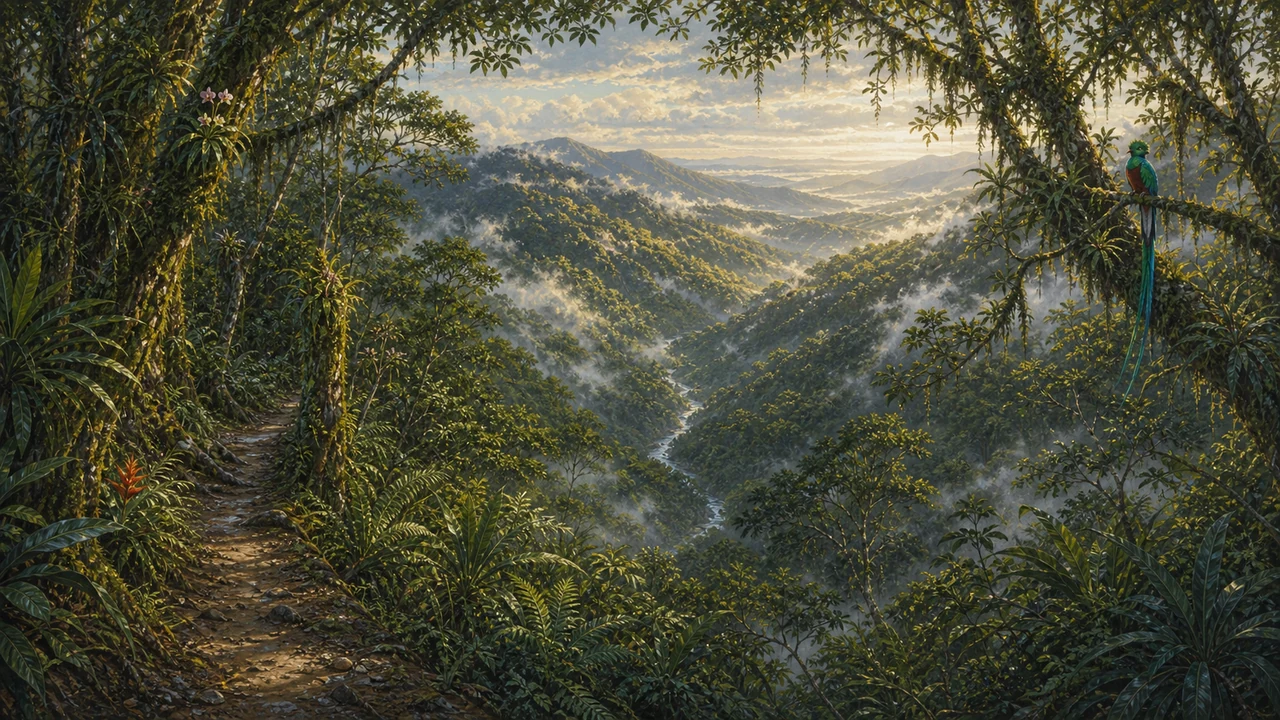 Los Quetzales National Park, draped across the Talamanca highlands near San Gerardo de Dota, is Costa Rica’s definitive destination for spotting the resplendent quetzal — one of the most visually stunning birds on Earth. Sitting roughly 80 km (50 miles) southeast of San José along the Pan-American Highway, this high-altitude cloud forest protects critical habitat at elevations where ancient oak trees tower above mist-shrouded ravines and cold, clear streams tumble toward the Savegre River below.
Why Los Quetzales Stands Apart
Costa Rica protects more than 25% of its territory through national parks and reserves, and Los Quetzales is one of the most ecologically distinctive among them. The park encompasses seven distinct altitudinal zones — from roughly 1,500 m to over 3,400 m — generating a remarkable range of microclimates and habitats compressed into a relatively compact area.
The result is extraordinary biodiversity. The park shelters 14 recognized ecosystems and is home to hundreds of plant species, including the towering roble (oak) forests that define the landscape. These oaks bear the wild avocados that quetzals depend on for food, making the relationship between tree and bird the cornerstone of the entire ecosystem.
The Resplendent Quetzal: Icon of the Cloud Forest
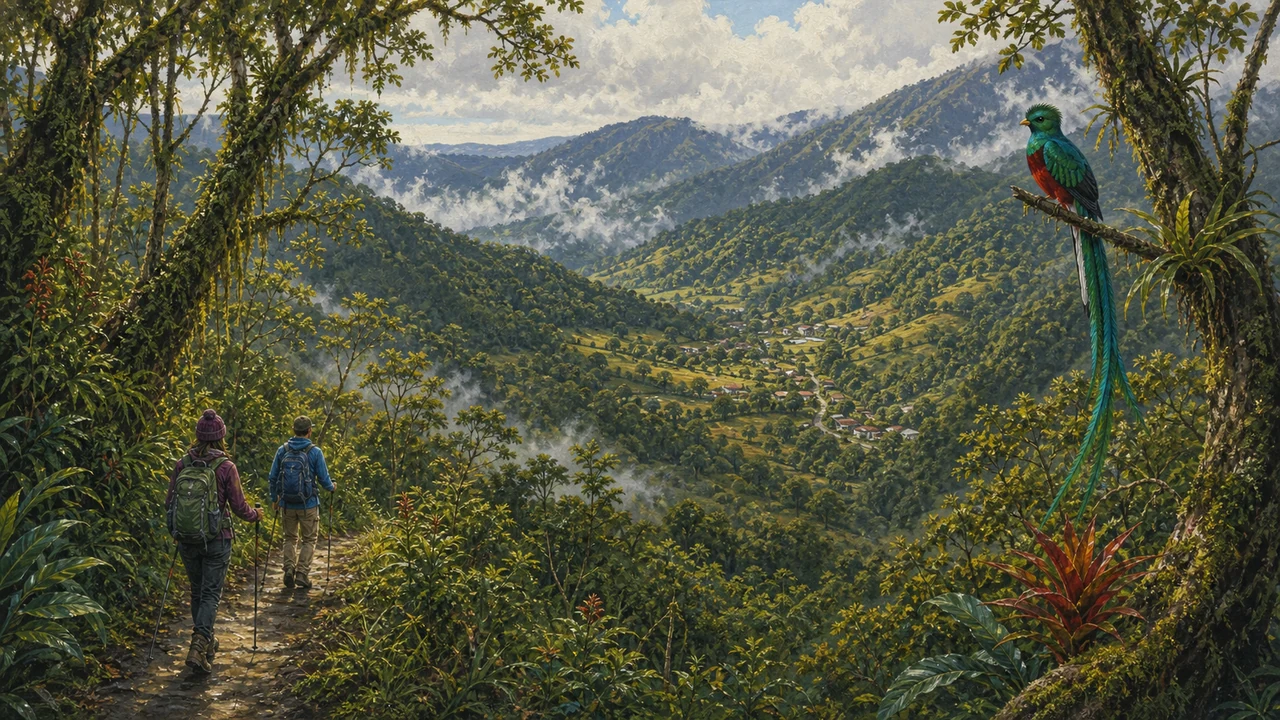 No bird commands more reverence among Costa Rica’s birdwatchers than the resplendent quetzal (Pharomachrus mocinno). The male’s emerald-green plumage and crimson belly are striking enough, but it is the tail feathers — iridescent green streamers that can extend beyond 60 cm during breeding season — that make this bird legendary throughout Central America.
The breeding season, roughly February through May, is prime visiting time. Males perch in the canopy at dawn, calling loudly, and descend to feed on wild avocados throughout the morning. San Gerardo de Dota village, gateway to the park, has built a quiet economy around quetzal tourism, and local guides know precisely which trees to check on any given day.
Outside breeding season, quetzals are still present but easier to miss — another reason the February-to-May window draws serious birders from around the world.
Hiking and Trails
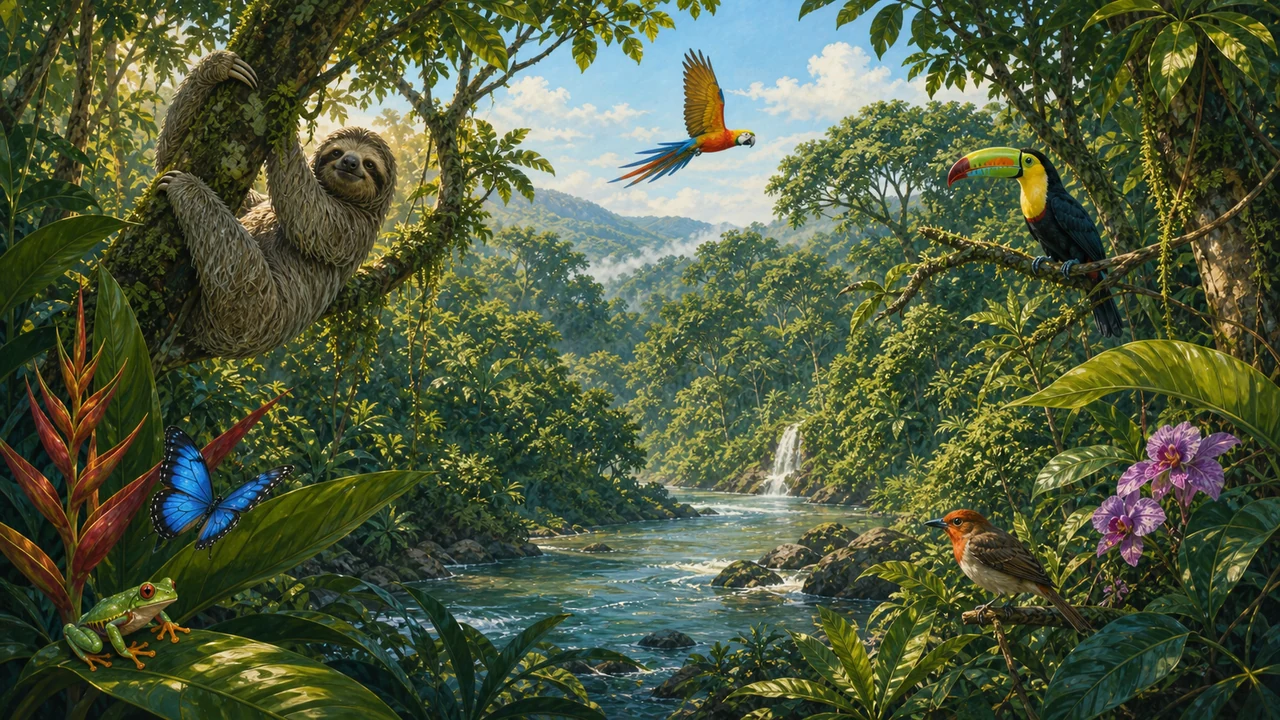 Los Quetzales offers several trail options ranging from short interpretive walks to full-day hikes through cloud forest and paramo. Paramo — the windswept, high-altitude scrubland found at the park’s upper elevations — is a habitat rarely accessible in Costa Rica outside of Chirripó and the Talamanca range, making Los Quetzales appealing even to visitors who have already explored the country’s lowland rainforests.
Trails wind along the Savegre River and its tributaries, where native trout populate cold, clear pools. The riverside paths are among the most productive for quetzal sightings and also reward visitors with hummingbirds, trogons, and a gallery of cloud-forest songbirds. Wear waterproof footwear — trails can be muddy in any month.
Key trail considerations:
- Arrive early. Wildlife activity peaks in the first two to three hours after sunrise.
- Dress in layers. Temperature swings between dawn and midday can exceed 10°C.
- Stay on marked paths. The terrain is steep and cloud cover can disorient hikers quickly.
- Carry water and snacks. The nearest shops are in the valley below.
Mammals and Other Wildlife
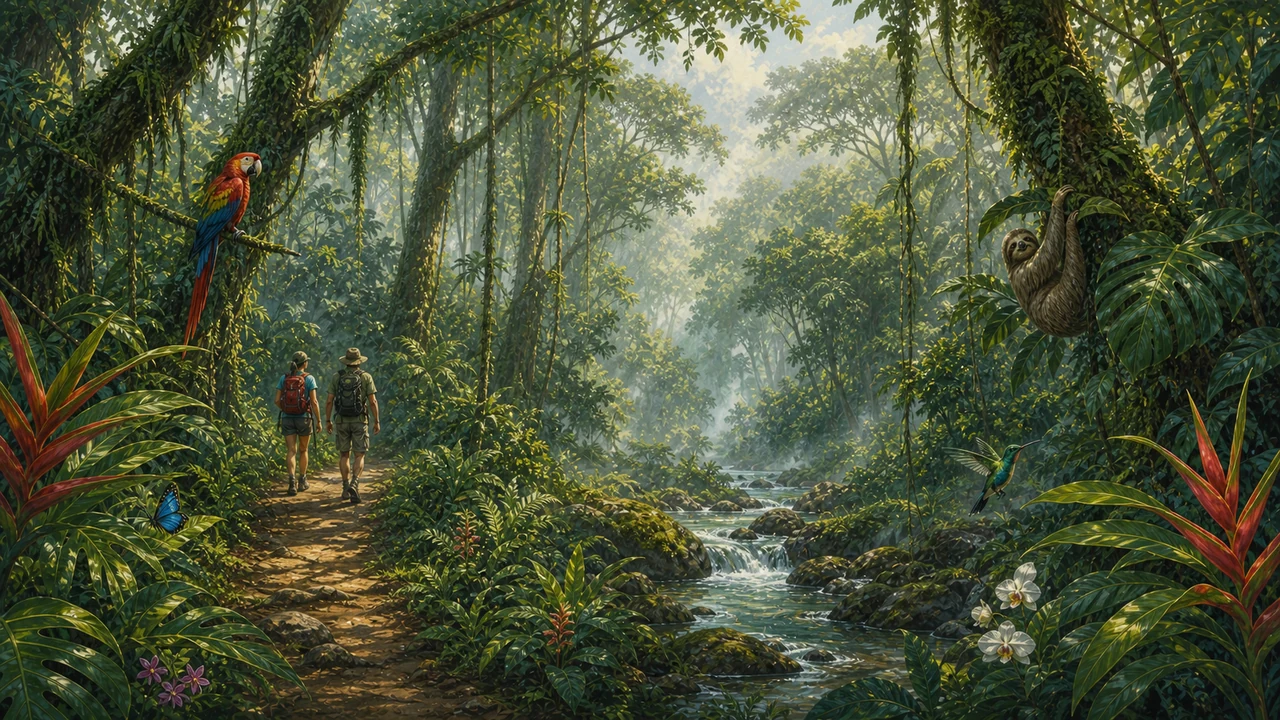 Beyond the quetzal, Los Quetzales supports a range of mammals that reflect the Talamanca mountains’ role as a wildlife corridor connecting North and South American fauna. Pumas, jaguars, and tapirs all roam the park’s more remote sectors. Coyotes are more commonly heard than seen. Coatis and agoutis forage in forest gaps, and the endangered Baird’s tapir — Costa Rica’s largest land mammal — finds refuge at higher elevations.
For birdwatchers, the species list extends well beyond the quetzal. The oak forest hosts bare-shanked screech-owls, black guans, highland tinamou, and dozens of tanager, warbler, and hummingbird species adapted to cool temperatures. Many are range-restricted endemics seldom encountered in Costa Rica’s more touristed parks.
Practical Visitor Information
San Gerardo de Dota is the logical base for visiting Los Quetzales. The village sits at the bottom of a winding road that drops from the Pan-American Highway near the Km 70 marker, descending into the Savegre River valley. A handful of lodges and guesthouses offer comfortable accommodation within walking distance of the park’s main trails — most also arrange guided quetzal walks at dawn.
Practical notes for planning your visit:
- Getting there: Drive the Pan-American Highway south from San José toward San Isidro de El General; watch for the San Gerardo de Dota turnoff near Km 70. Public buses from San José pass the turnoff, but a private vehicle or arranged transfer makes the descent into the valley much more convenient.
- Best season: The dry season (December through April) brings clearer skies and easier trail conditions, and overlaps with the peak quetzal breeding window. The wet season (May through November) brings mist, heavier rain, and lush vegetation — fewer visitors and still-excellent birdwatching.
- Entry: The park is administered by SINAC (Costa Rica’s National System of Conservation Areas). Verify current entry fees and hours at the ranger station or through official SINAC channels before your visit, as these can change.
- Altitude caution: Visitors arriving from sea level may feel mild symptoms of altitude adjustment. Take it easy on the first day, stay hydrated, and avoid strenuous hiking if you feel unwell.
Connecting the Quetzal Experience to Costa Rica’s Broader Natural World
Los Quetzales is a natural partner to a Chirripó or Talamanca highlands itinerary, and it pairs beautifully with lower-elevation ecotourism and nature experiences elsewhere in the country. The contrast between the cool oak forests here and the humid lowland rainforests of Corcovado or Tortuguero captures the full range of Costa Rica’s ecosystems in a single trip.
If you are traveling from San José, the park can be a standalone day trip with an early start, though overnight stays in San Gerardo de Dota allow for dawn and dusk wildlife walks that a day-tripper simply cannot access. For visitors combining birdwatching with other Costa Rica activities, the San Gerardo de Dota valley also offers trout fishing on the Savegre River — a surprisingly peaceful counterpoint to quetzal spotting in the canopy above.
More than a hundred bird species recorded, a dramatic high-altitude landscape, and the chance to stand below a quetzal in full breeding plumage: Los Quetzales National Park delivers one of the most memorable wildlife encounters in Central America.
Frequently asked questions
When is the best time to see resplendent quetzals in Los Quetzales National Park?
The quetzal breeding season runs roughly from February through May, when males display their spectacular long tail feathers. Early morning visits — ideally before 8 a.m. — offer the best sightings as birds forage for wild avocados in the oak forest canopy.
How do I get to Los Quetzales National Park from San José?
The park is approximately 80 km (50 miles) southeast of San José along the Pan-American Highway (Route 2), near the Km 70 marker on the way to San Isidro de El General. The turnoff for San Gerardo de Dota leads down into the Savegre River valley.
What altitude is Los Quetzales National Park, and how cold does it get?
The park spans roughly 1,500 to 3,400 meters above sea level. At these elevations, temperatures can drop to near freezing at night and rarely exceed 18°C (64°F) during the day. Bring warm layers, a waterproof jacket, and sturdy footwear regardless of season.
Is a guide necessary to visit Los Quetzales National Park?
A guide is not mandatory, but hiring a local naturalist guide dramatically increases your chances of spotting quetzals and other wildlife. Guides from the San Gerardo de Dota community know the birds' favorite feeding trees and can interpret the ecosystem for you.
What other wildlife can I see besides quetzals?
The park harbors an impressive range of fauna including pumas, tapirs, jaguars, coyotes, and the coati. Birdwatchers record hundreds of species, with many highland endemics found nowhere else in Costa Rica. Trout-filled streams add a fly-fishing dimension to the experience.