Guaitil: Chorotega Pottery Village in Guanacaste
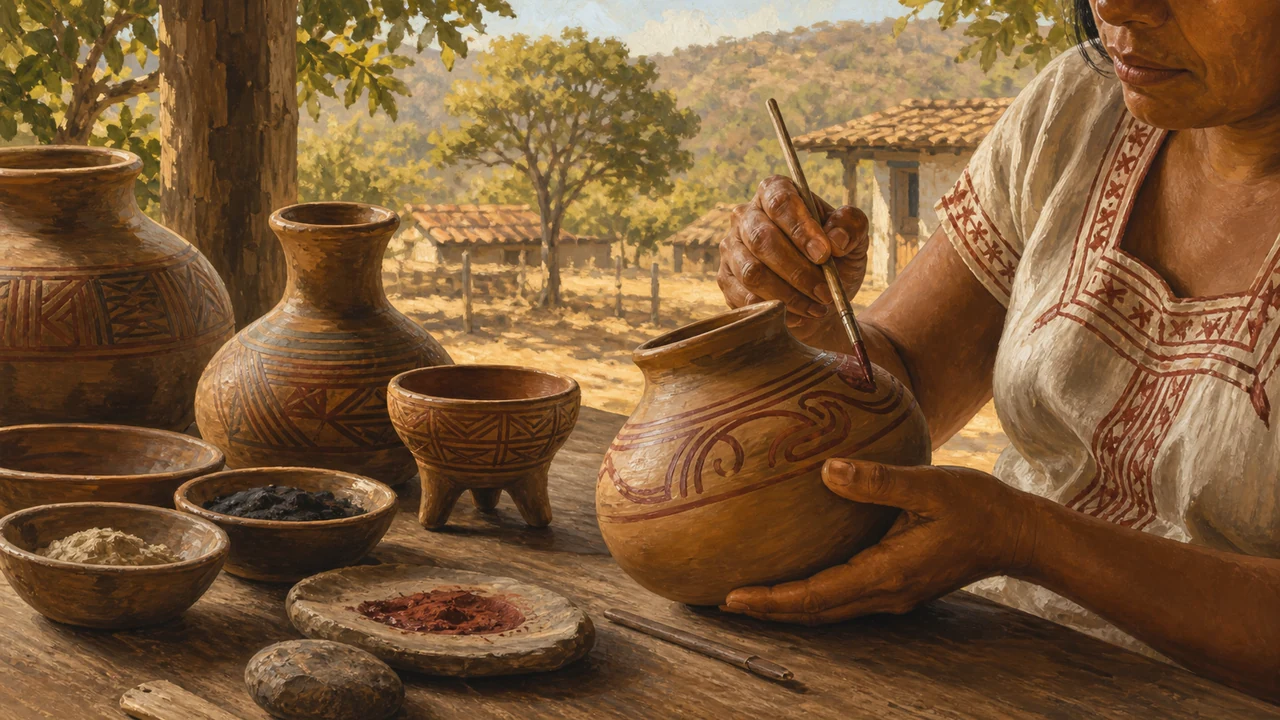
Guaitil is one of the most remarkable cultural stops in all of Costa Rica’s ecotourism and nature circuit — a small Guanacaste village where the Chorotega Indigenous tradition of hand-built clay pottery has survived, unbroken, for centuries. Potters here work exactly as their pre-Columbian ancestors did: shaping clay by hand, decorating pieces with natural pigments, and firing them in wood-burning kilns. No molds, no electric wheels, no shortcuts.
Who Are the Chorotega?
The Chorotega were among the most influential Indigenous peoples of what is now Guanacaste and the Nicoya Peninsula. Their culture stretched from present-day Nicaragua through northern Costa Rica and showed strong ties to Mesoamerican civilizations — evident in their agricultural practices, ritual calendar, and, above all, their ceramic art. The Nicoya Peninsula’s name itself derives from a Chorotega chief.
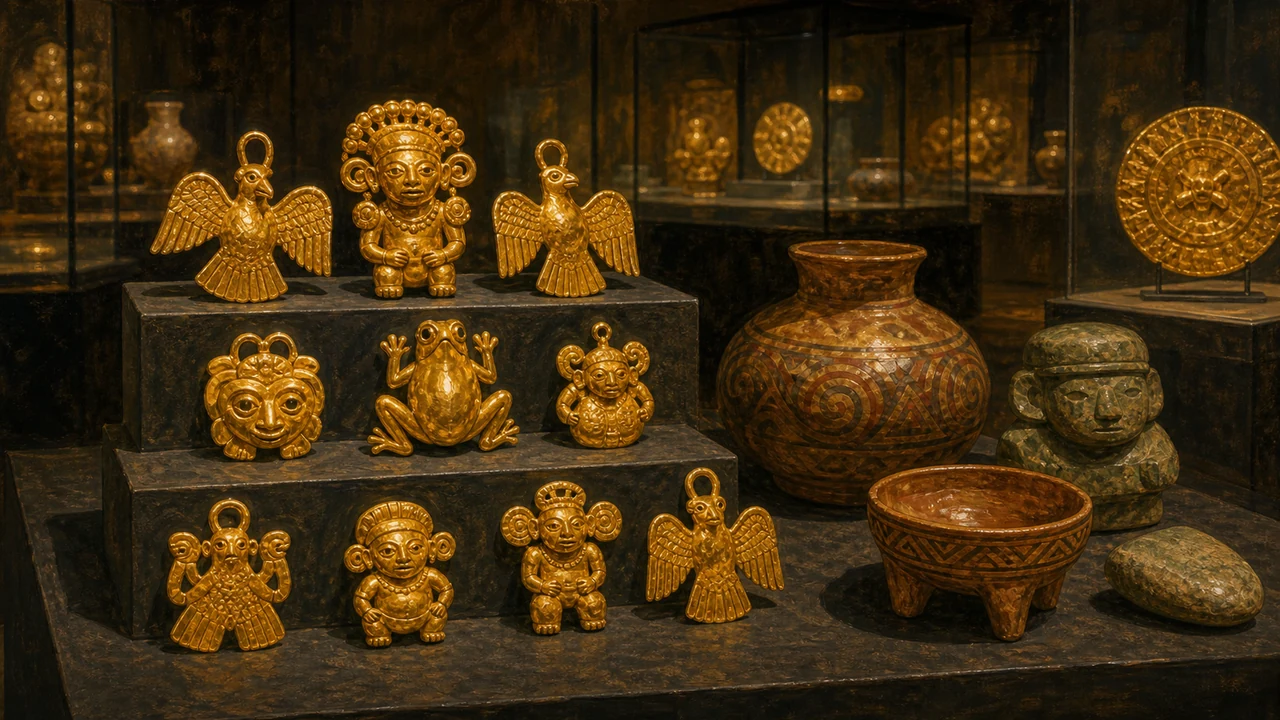
Spanish colonization decimated Chorotega populations across the region, yet in Guaitil and the neighboring village of San Vicente, the ceramic tradition never fully disappeared. Families passed the techniques mother to daughter, grandmother to granddaughter, keeping alive a living pre-Columbian ceramic tradition that scholars and cultural travelers now travel specifically to witness. Today, the village is recognized as one of Costa Rica’s most important sites of authentic Indigenous cultural heritage in Guanacaste.
The Pottery-Making Process
Watching a Guaitil artisan work is the visit’s highlight. The process is labor-intensive and entirely hand-powered, following steps refined over many generations:
- Clay sourcing — Raw clay is gathered from specific local deposits and left to dry completely.
- Pitarlo — Once dry, the clay is mashed and ground to a fine powder.
- Mixing — The powder is blended with “iguana sand,” a soft freshwater sand that iguanas use to lay their eggs. This natural temper prevents cracking during firing.
- Kneading and forming — Water is added and the mixture is kneaded to a workable paste. Artisans then shape pieces using a stripped corncob to thin walls and a rounded jícaro-wood spoon to form the characteristic bellies of pots and bowls.
- Neck and rim work — A strip of flexible leather helps shape the necks of vases and the rims of pitchers.
- Painting — Natural pigments in red, black, and white (and their combinations) are applied in designs drawn from pre-Columbian Chorotega iconography: geometric patterns, stylized animals, deities, and clan motifs.
- Polishing — A smooth “sukia” stone is rubbed over the painted surface to create a burnished shine — no glaze is used.
- Drying and firing — Pieces dry first in shade, then in full sun (one to two days depending on size), before being placed in a wood-burning kiln for the final firing.
The result is a hand-crafted Chorotega ceramic piece that carries the geometry and symbolism of a civilization stretching back more than a thousand years.
Visiting the Village
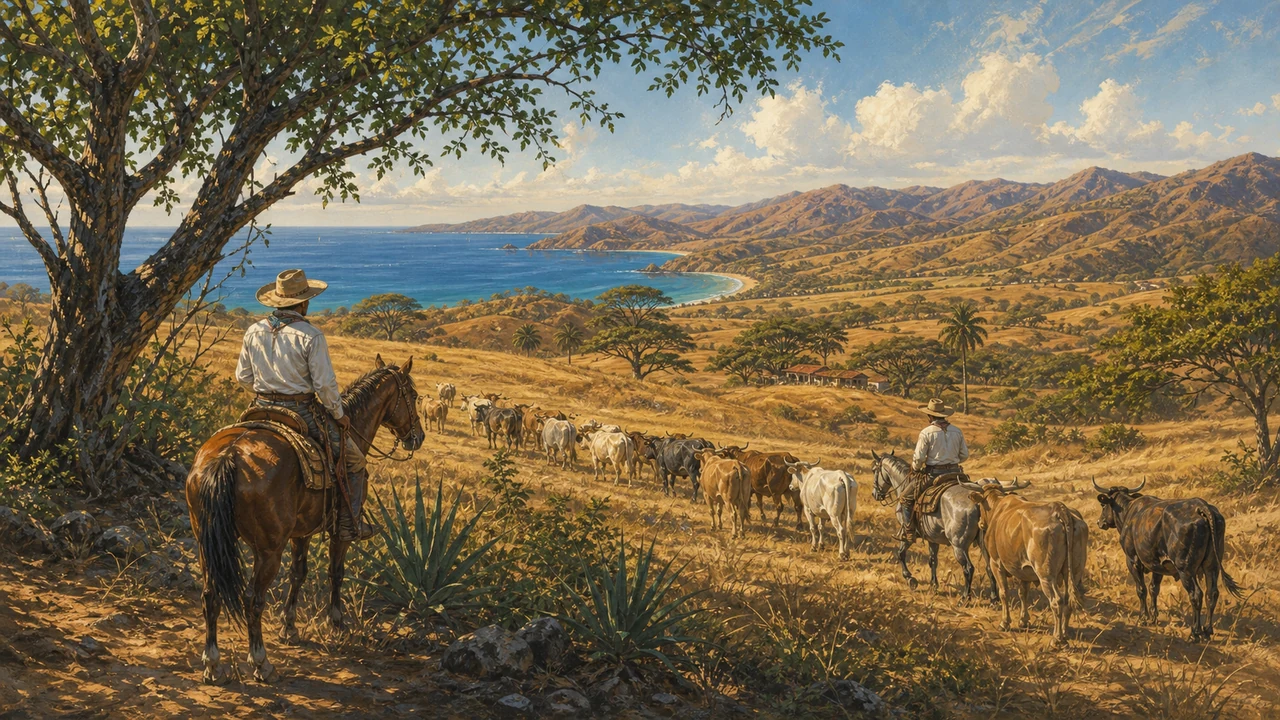
Guaitil is an easy excursion from the Santa Cruz area and a natural complement to any visit to the broader Nicoya Peninsula region. The village sits about 12 kilometers east of Santa Cruz, accessible by a well-maintained paved road — no four-wheel drive needed. Local buses run from Santa Cruz to Guaitil a couple of times a day; the ride takes roughly 20 minutes.
Most of the commercial activity clusters around the central park, where artisans display their work in open-air workshops and small storefronts. You can watch potters at work, ask questions, and purchase pieces directly — buying handmade pottery directly from Chorotega artisans ensures your money goes straight to the community. Prices are genuinely fair for what are essentially original works of art.
There is no lodging in Guaitil, so plan to visit as a day trip from Santa Cruz, Nicoya town, or one of the nearby beach destinations. A handful of small home-style eateries serve traditional Guanacaste food — an excellent chance to try regional staples before or after browsing the workshops.
Food and Drink of the Chorotega Heartland
Guanacaste’s cuisine is deeply rooted in Mesoamerican foodways, and corn sits at the center of it. Visiting Guaitil is an opportunity to sample dishes that predate the Spanish conquest:
- Tamal de elote — fresh corn tamales, earthy and slightly sweet
- Atol de maíz — a warm corn-based drink, thick and comforting
- Rosquillas — crunchy corn-and-cheese rings, a Guanacaste staple
- Tortillas revueltas — thicker handmade tortillas with added ingredients
- Picadillo de flor de piñuela or pipión — vegetable-forward side dishes using local produce
For drinks, ask about vino de coyol, extracted from the coyol palm and mildly fermented — a uniquely Guanacastecan experience. Corn chicha and chicheme (made from purple corn) round out the traditional beverage options. A word of advice: enjoy the coyol wine in moderation; it has a reputation for hitting harder the following morning, especially in the sun.
Music and Living Culture
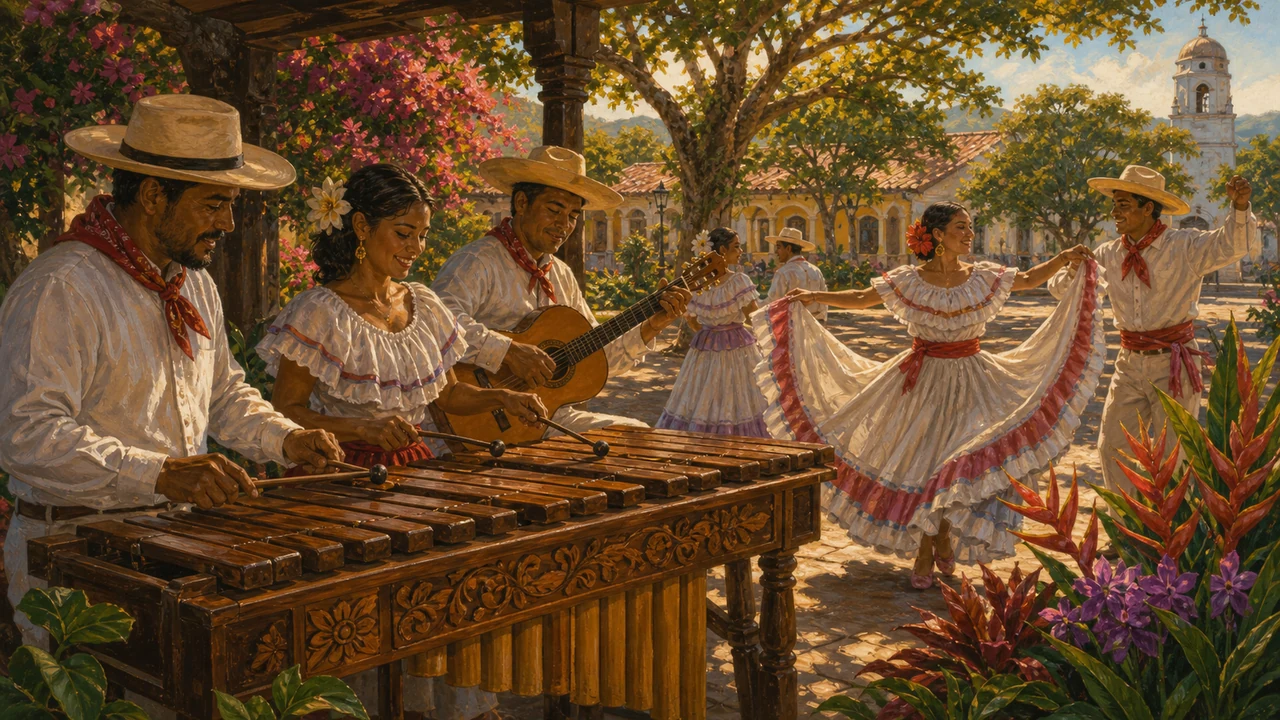
The cultural weight of Guaitil extends beyond pottery. Guanacaste as a province maintains a distinct identity shaped by Chorotega and broader Mesoamerican influence, and music is its most public expression. Traditional rhythms — the son, punto, tambito, and vals criollo — are played on the marimba (Costa Rica’s national instrument), the quijongo (a single-string bowed instrument), the ocarina, and various Indigenous percussion instruments. Attending a local celebration or festival in the Santa Cruz area can bring this musical dimension to life.
Wildlife in the area is modest but genuine — iguanas, squirrels, and white-faced capuchin monkeys are occasionally spotted in the dry forest scrub surrounding the village. The climate is warm and dry, typical of the Guanacaste lowlands, so bring water, sunscreen, and light clothing.
Practical Tips for Your Visit
- Getting there: Drive or bus to Santa Cruz, then continue 12 km east. The road is paved and straightforward.
- When to go: Workshops are active most days of the week; weekday mornings are ideal for watching artisans at work.
- What to bring: Cash is preferred by village artisans. Bring enough colones or US dollars for purchases.
- Combine with: Barra Honda National Park is on the Nicoya Peninsula and makes an excellent same-day or next-day pairing — stalactite caves alongside ancient ceramics. Diriá National Park is another nearby protected area.
- Context: For broader Costa Rica travel tips on getting around Guanacaste, including arriving via Daniel Oduber Airport in Liberia, plan your regional itinerary in advance.
Guaitil offers something genuinely rare in modern tourism: unbroken continuity with a pre-Columbian way of making things. The potters here are not performers re-enacting a lost tradition — they are descendants keeping alive something their grandmothers taught them. That authenticity is the reason to go, and the ceramic piece you carry home will outlast any resort souvenir by centuries.
Frequently asked questions
Where exactly is Guaitil located?
Guaitil is a small village in the canton of Santa Cruz, in the Guanacaste province of northwestern Costa Rica. It sits about 12 kilometers from the town of Santa Cruz and roughly 55 kilometers from the regional hub of Liberia, making it an easy half-day side trip from the Pacific coast beach areas.
What can I buy in Guaitil?
The village specializes in hand-built Chorotega-style ceramics: pots, jars, pitchers, vases, bowls, and decorative pieces. Each item is shaped, painted in red, black, and white using natural pigments, and fired in a wood-burning kiln. Prices are generally quite reasonable for one-of-a-kind handmade art.
How do I get to Guaitil from the beach towns?
From Tamarindo, Sámara, or other Nicoya Peninsula beaches, drive or take a bus to Santa Cruz, then continue about 12 km east to Guaitil. Local buses connect Santa Cruz to Guaitil a couple of times daily. The road is paved and in good condition for regular vehicles.
Is there a best time to visit Guaitil?
Guaitil is open to visitors year-round. The dry season (December through April) makes for easier travel in Guanacaste, though the workshop activity continues regardless of season. Arriving on a weekday morning gives you the best chance to see artisans actively working.
Are there places to eat or stay in Guaitil?
The village has small, informal home-style eateries serving traditional Guanacaste dishes — a great chance to try regional food. There is no lodging in Guaitil itself; most visitors base themselves in Santa Cruz, Nicoya, or the nearby beach towns.