Jellyfish in Costa Rica: Beauty, Stings & Ocean Role
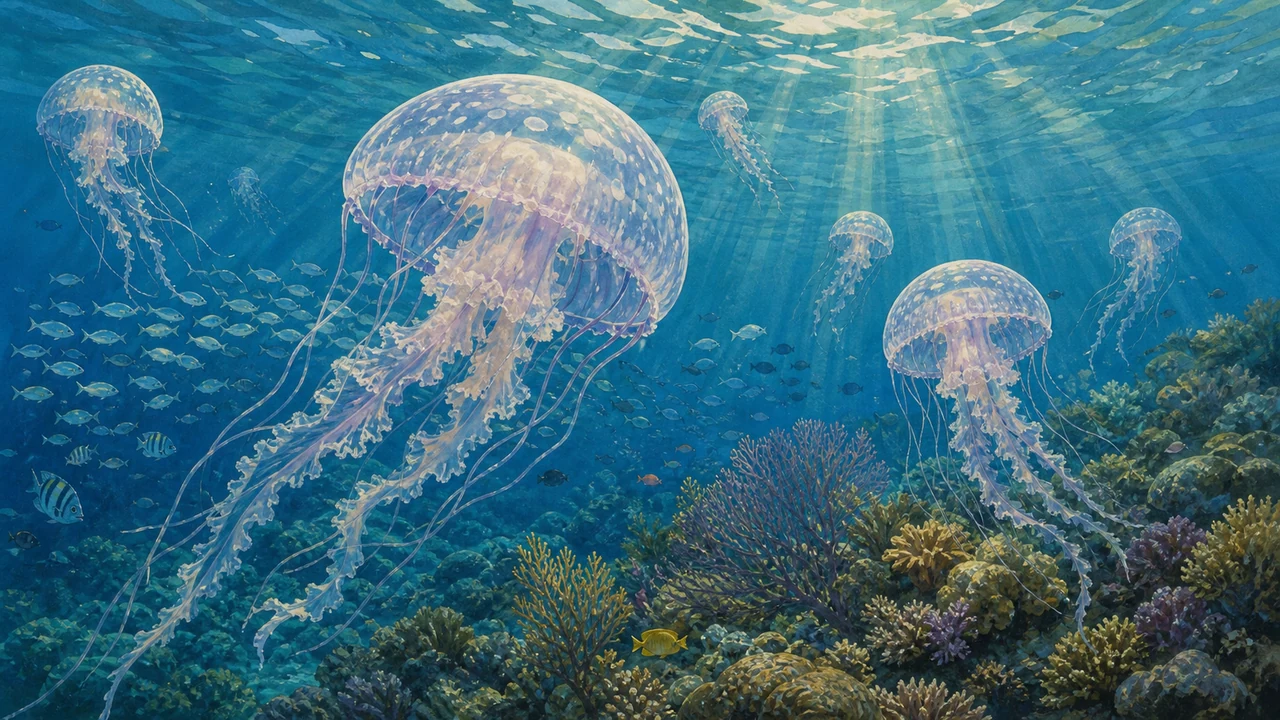 Jellyfish are among the most captivating — and potentially painful — creatures a visitor can encounter in Costa Rica’s coastal waters. Translucent, silent, and ancient beyond imagination, these gelatinous animals have drifted through Earth’s oceans for hundreds of millions of years. On Costa Rica’s Pacific and Caribbean shores, they are a genuine presence: mostly harmless, ecologically essential, and endlessly fascinating to anyone who takes the time to understand them.
Types of Jellyfish Found in Costa Rica
Research conducted in Costa Rica’s Pacific between 1999 and 2001 by jellyfish expert Dr. Karina Rodríguez documented an extraordinary 83 species of cnidarians in Costa Rican Pacific waters, 21 of which were new scientific registers — more species collected in a single year than many countries gather in a decade.
Costa Rica’s jellyfish fall broadly into two categories: those with a visible cellular umbrella (bell) and those in a nearly microscopic form with only a thin transparent layer. The balas de cañón (cannonball jellyfish) are among the most recognizable; large, rounded, and common along the Pacific. A very small, umbrella-less type called hilos de oro — golden threads — travels in dense colonies and is responsible for the prickling sensation swimmers sometimes feel without seeing anything in the water. You can’t see them, but you can definitely feel them.
A Cubozoa-class species — the same group that includes the deadly Australian box jellyfish — was found inhabiting certain mangroves in the Gulf of Nicoya. Fortunately, its venom is far less potent than its notorious counterpart. In Bahía Culebra, small jellyfish live adhered to the undersides of rocks and become detached as the tide recedes, occasionally drifting into swimming areas.
About 57 percent of the species documented in that Pacific survey were gathered in the Gulf of Papagayo, making the northwest Pacific coast an especially rich zone for ecotourism & nature enthusiasts interested in marine life.
How Jellyfish Move (Without a Brain)
 Despite appearances, jellyfish are not entirely passive drifters. They move by rhythmically opening and closing their bell-shaped body, creating a localized current that propels them forward — a mechanism Dr. Álvaro Morales Ramírez of UCR’s Centro de Investigación del Mar y Limnología (CIMAR) compares to the action of a vacuum plunger: the contraction creates pressure that drives movement. Between pulses, they float and rest.
That said, jellyfish are strongly dependent on ocean currents. Their swimming capacity alone is rarely enough to overcome significant water movement, so they use prevailing currents to travel and to spread. This makes them excellent natural indicators of ocean current patterns in Costa Rica’s coastal zones.
Jellyfish have no respiratory organs. They absorb oxygen directly through their skin via a simple exchange of gases and expel carbon dioxide the same way. Instead of a brain, they possess what scientists call a subdermic nerve net — a diffuse sensory system that perceives changes in the surrounding environment. Remarkably, a primitive eye structure has been discovered in at least one species, suggesting a capacity to detect light and even distinguish color.
Jellyfish Stings: What to Do
For most swimmers on Costa Rica’s beaches, a jellyfish encounter means mild pain and temporary skin irritation — nothing more serious. The famous box jellyfish, whose sting the Australian Institute of Marine Science describes as almost universally fatal within minutes, does not inhabit Costa Rican waters.
If you are stung, follow these steps:
- Do not rub the area — rubbing activates unfired nematocysts (the microscopic stinging cells) still on the skin.
- Rinse with seawater, not fresh water. Fresh water causes the cells to fire and worsens the sting.
- Apply a baking-soda-and-seawater paste to neutralize the venom.
- Contrary to popular belief, urine is not effective and most experts advise against using it.
- Seek medical attention if you experience difficulty breathing, significant swelling, or an allergic reaction.
Individual reactions vary considerably depending on personal sensitivity, the species involved, and the age of the jellyfish — younger individuals tend to carry more potent venom. In 2004, a significant upsurge along the Limón coast on the Caribbean side resulted in ten hospitalizations, a reminder that while serious stings are uncommon, they do occur.
For broader ocean safety advice and travel precautions, the Is Costa Rica Safe? guide covers everything from rip currents to sun exposure.
Jellyfish Blooms and What Drives Them
 A jellyfish “bloom” — a massive swarm of hundreds or thousands of the creatures that can span vast stretches of ocean — is one of the more dramatic spectacles in marine ecology. These events occur when a precise convergence of conditions aligns: water temperature, shifts in ocean currents, and changes in marine nutrient levels all interact to trigger explosive reproduction.
Researchers have documented increasing frequency of jellyfish blooms in Costa Rica’s coastal waters, a trend observed globally and linked to several human-induced pressures:
- Overfishing removes the fish that compete with jellyfish for food and that prey on juvenile jellyfish, clearing ecological space for populations to expand.
- Climate change is altering ocean temperatures and current patterns in ways that favor jellyfish.
- Marine contamination, including organic waste and nutrient runoff, creates oxygen-depleted zones where jellyfish tolerate conditions that larger fish cannot.
Dr. Rodríguez describes jellyfish as “plague species” because of their resilience: faced with contamination or diminished oxygen, they thrive while competitors decline. Their “explosive reproduction” in nutrient-rich but degraded waters is an ecological feedback loop — as fish numbers fall, jellyfish multiply to fill the gap.
Their Role in the Ocean Ecosystem
Jellyfish are not simply nuisances. As cnidarians — the same broad group that includes coral and sea anemones — they are woven into the fabric of marine ecosystems. They serve as prey for species including sea turtles and certain fish. At Las Baulas Marine National Park and Tortuguero National Park, the leatherback sea turtles that nest on Costa Rica’s beaches rely heavily on jellyfish as a primary food source — one reason plastic bags in the ocean are so deadly to these endangered animals (they are indistinguishable from jellyfish to a sea turtle).
When jellyfish appear in normal densities they are a natural part of the food web. The concern arises when blooms grow large enough to consume fish larvae and eggs at scale, destabilizing fish populations that both ocean ecosystems and coastal fishing communities depend on.
Costa Rica’s national parks and protected areas — which cover more than 25 percent of the country’s territory — play a critical role in maintaining the healthy marine environments that keep jellyfish populations in ecological balance.
Observing Jellyfish Responsibly
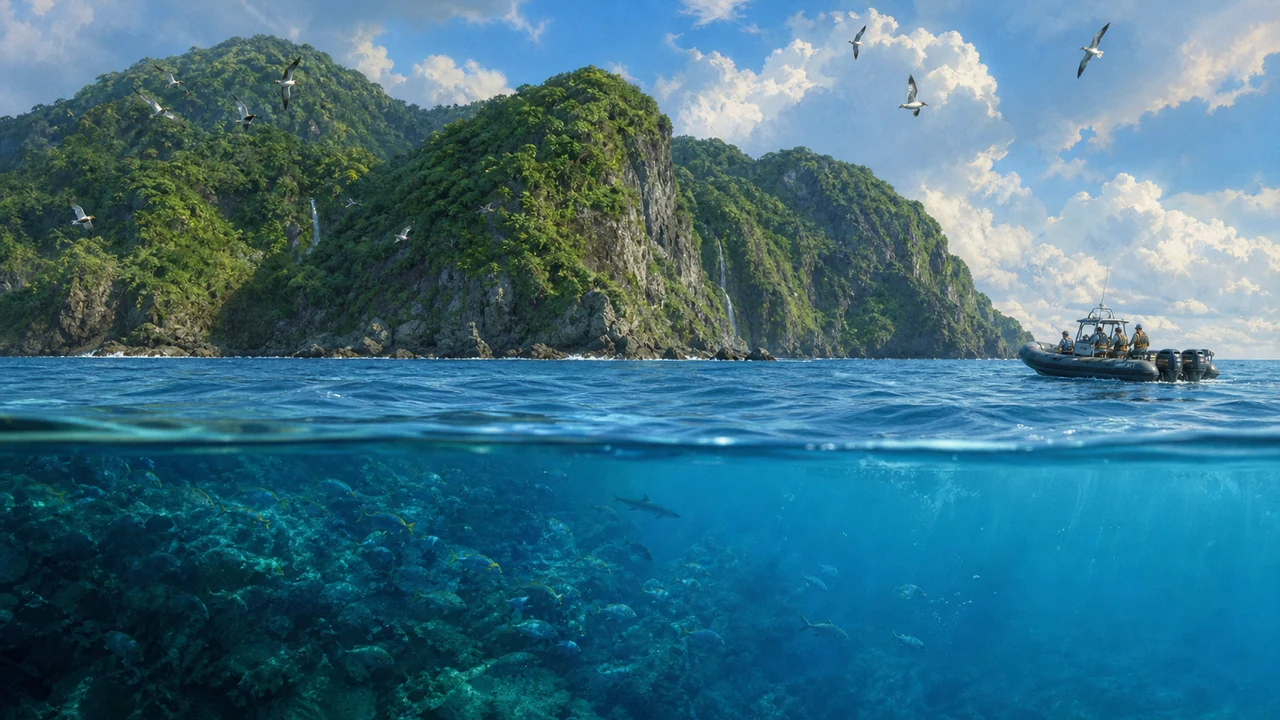 For the curious traveler, snorkeling and diving near jellyfish blooms in Costa Rica can be an unforgettable experience. The creatures are genuinely beautiful — luminescent, otherworldly, and hypnotic in motion. The practical rules are simple: observe from a safe distance, never touch tentacles even on beached or seemingly dead specimens (nematocysts remain active after death), and follow lifeguard warnings at any beach where a bloom has been reported.
Local beaches in the Gulf of Papagayo area, along the North Pacific coast, are among the richest spots for encountering diverse jellyfish species. On the Caribbean side, beaches in the Limón area occasionally see blooms, particularly during specific seasons.
If you’re planning time in the water anywhere along Costa Rica’s coast, reviewing the Costa Rica travel tips before your trip is always worthwhile — including guidance on swimming conditions and when to check with lifeguards before entering the ocean.
Jellyfish are a reminder that Costa Rica’s oceans are as rich and complex as its famous rainforests. They ask nothing of you except a little respect and a safe distance — and in return, they offer one of the ocean’s most remarkable spectacles.
Frequently asked questions
Are jellyfish dangerous in Costa Rica?
Most jellyfish encountered in Costa Rica's waters cause only mild pain and skin irritation. The deadly box jellyfish is not found here. A Cubozoa-type was discovered in certain Gulf of Nicoya mangroves, but its venom is far less potent than the Australian variety.
What should I do if I get stung by a jellyfish in Costa Rica?
Rinse the affected area with seawater and apply a paste of baking soda and seawater to neutralize the venom. Do not use fresh water or urine — both can worsen the reaction. Seek medical attention if you experience significant swelling, difficulty breathing, or severe pain.
When are jellyfish blooms most common in Costa Rica?
Blooms — large swarms of hundreds of jellyfish — occur when a precise combination of water temperature, ocean current shifts, and changes in marine nutrients align. They can happen on either coast at various times of year; local lifeguards at the beaches will usually warn swimmers when blooms are present.
What types of jellyfish live in Costa Rica?
Research in the Pacific between 1999 and 2001 documented 83 species, 21 of which were new scientific records. Common types include the cannonball jellyfish (balas de cañon), microscopic golden-thread colonies (hilos de oro), and a Cubozoa class species found in Gulf of Nicoya mangroves.
Can you see jellyfish while snorkeling or diving in Costa Rica?
Yes — jellyfish are frequently encountered while snorkeling and diving along both coasts, particularly during bloom events. The Gulf of Papagayo and Bahía Culebra on the Pacific side are known hotspots. Admire them from a safe distance and avoid touching their tentacles.