Costa Rica Museums & Theaters: San José Cultural Guide
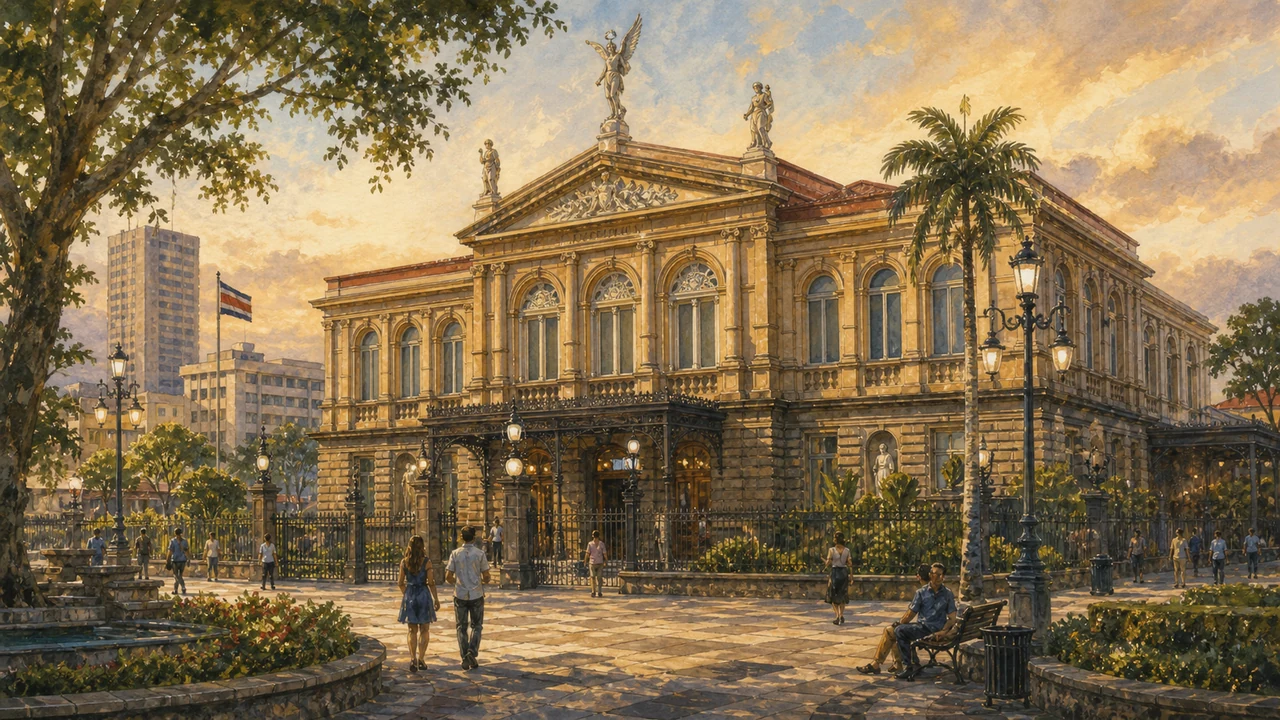 Costa Rica punches well above its weight in the cultural arts, and San José is where most of that heritage is concentrated. Within a few square kilometers of the city center you’ll find world-class collections of pre-Columbian gold and jade, a 19th-century theater that rivals any in Latin America, natural history exhibits spanning thousands of years, and performing-arts venues that draw international orchestras and dance companies. Whether you have a single afternoon or a long weekend, the San José museum and theater circuit rewards every type of culturally curious traveler.
The National Theater — Costa Rica’s Architectural Crown Jewel
No visit to Costa Rica is complete without stepping inside the Teatro Nacional. Built in the late 19th century after coffee-elite patrons pooled resources to fund a venue worthy of the European performers they wanted to attract, the theater opened to great fanfare and was declared a national monument in 1965. The neoclassical facade — columns, statues of Beethoven and Calderón de la Barca, and ornate stonework — gives way to a breathtaking interior of Italian marble staircases, gold-leaf balconies, and a famous ceiling mural depicting a coffee and banana harvest. The National Theater interior tour is offered on most days and runs without a performance; it remains one of the best-value cultural experiences in all of Central America.
The Teatro Nacional also serves as home to the National Symphony Orchestra, and its calendar regularly includes opera, ballet, chamber music, and visiting international productions. If your trip dates align with a performance, book ahead — tickets sell out for popular shows.
Melico Salazar Municipal Theater
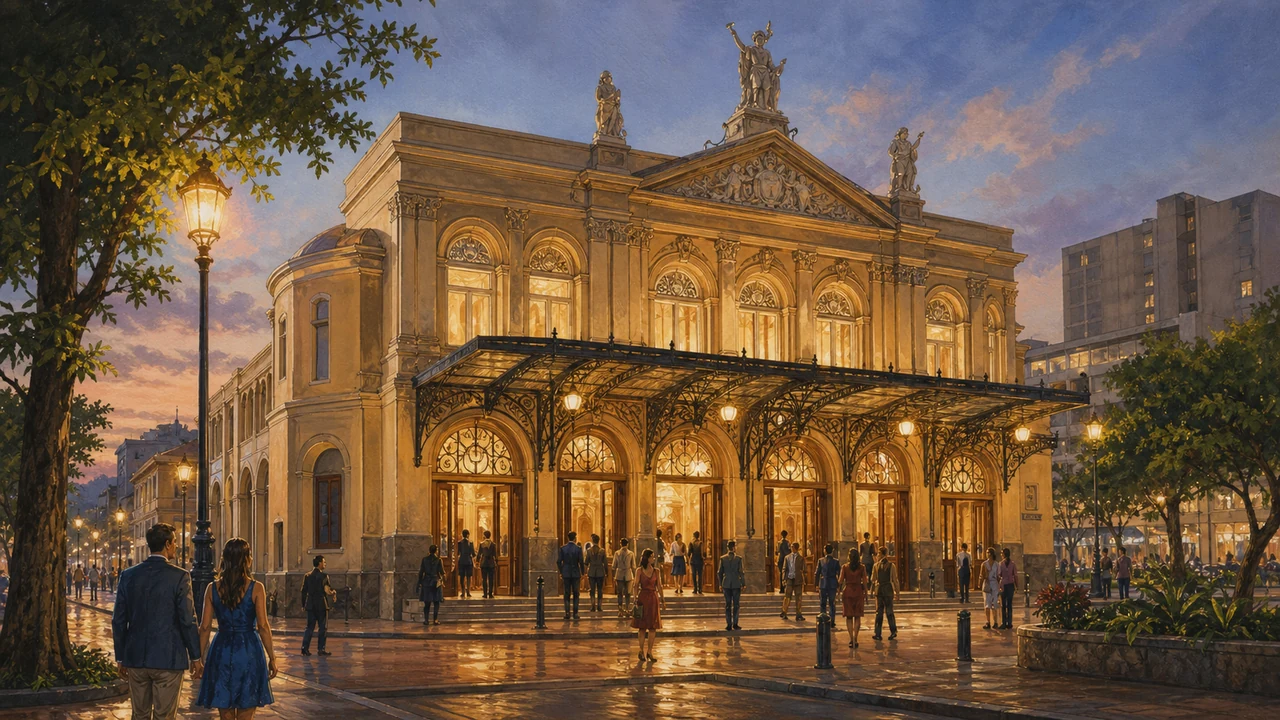 A short walk from the National Theater, the Teatro Municipal Melico Salazar is San José’s other major performance venue. Named after Manuel “Melico” Salazar, Costa Rica’s most celebrated operatic tenor of the early 20th century, the building opened in 1982 and seats audiences across four levels. The Melico Salazar cultural programming is deliberately broad, covering modern dance, drama, opera, local folk performances, and appearances by international bands and touring companies. It has long served as a democratic counterpart to the National Theater — more accessible in price and eclectic in programming — and is a favorite among Ticos for weekend cultural outings.
The Pre-Columbian Gold Museum
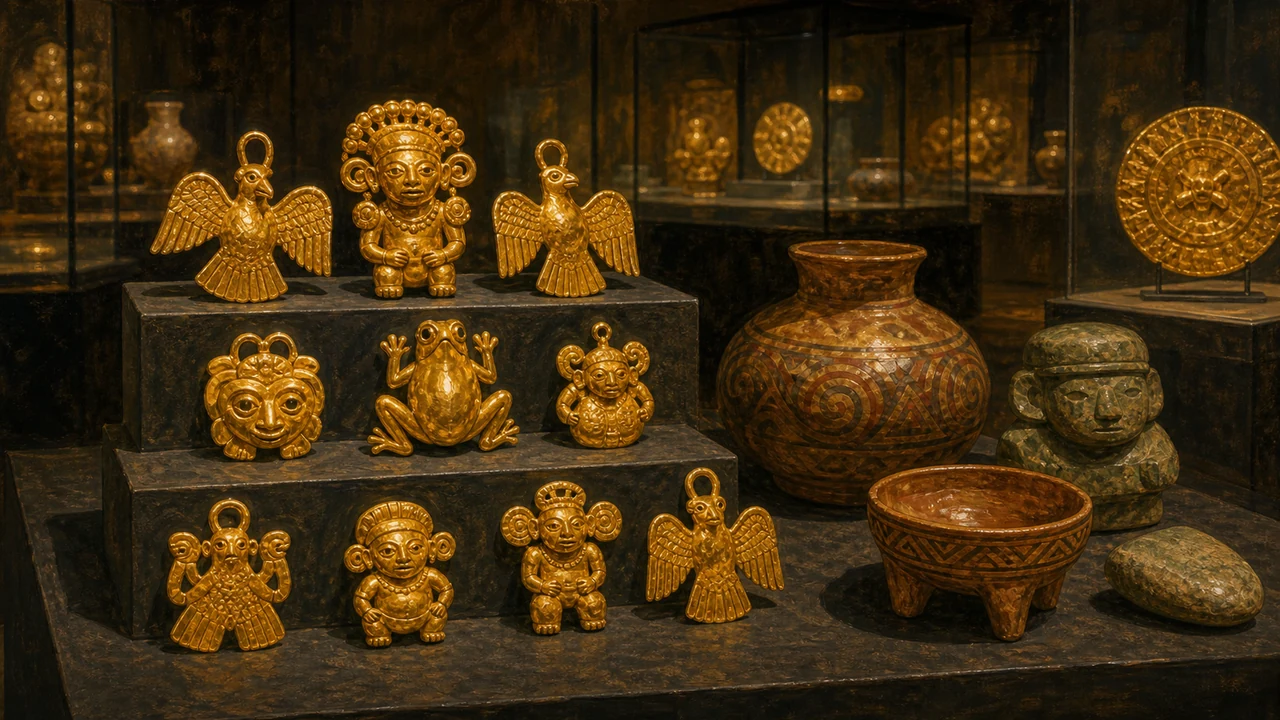 Descend beneath the Plaza de la Cultura and you enter one of the most extraordinary collections in the Western Hemisphere. The Pre-Columbian Gold Museum San José (Museo del Oro Precolombino), managed by the Central Bank of Costa Rica, houses thousands of gold objects — pendants, figurines, ceremonial pieces, and tools — that illuminate the worldview, social structures, and metalworking mastery of Costa Rica’s pre-Columbian peoples. The curators organize the collection thematically, exploring how gold connected human societies to nature, ritual, and status rather than simply displaying objects in cases.
Costa Rica is one of only four countries in the world with a dedicated pre-Columbian gold museum; the others are in Colombia, Peru, and Ecuador. The Central Bank complex also includes a Numismatic Museum (coins, banknotes, and financial documents dating to the 1500s) and a Visual Arts Gallery hosting rotating contemporary exhibitions — making the Central Bank Museums complex a destination that easily fills two to three hours.
The Jade Museum
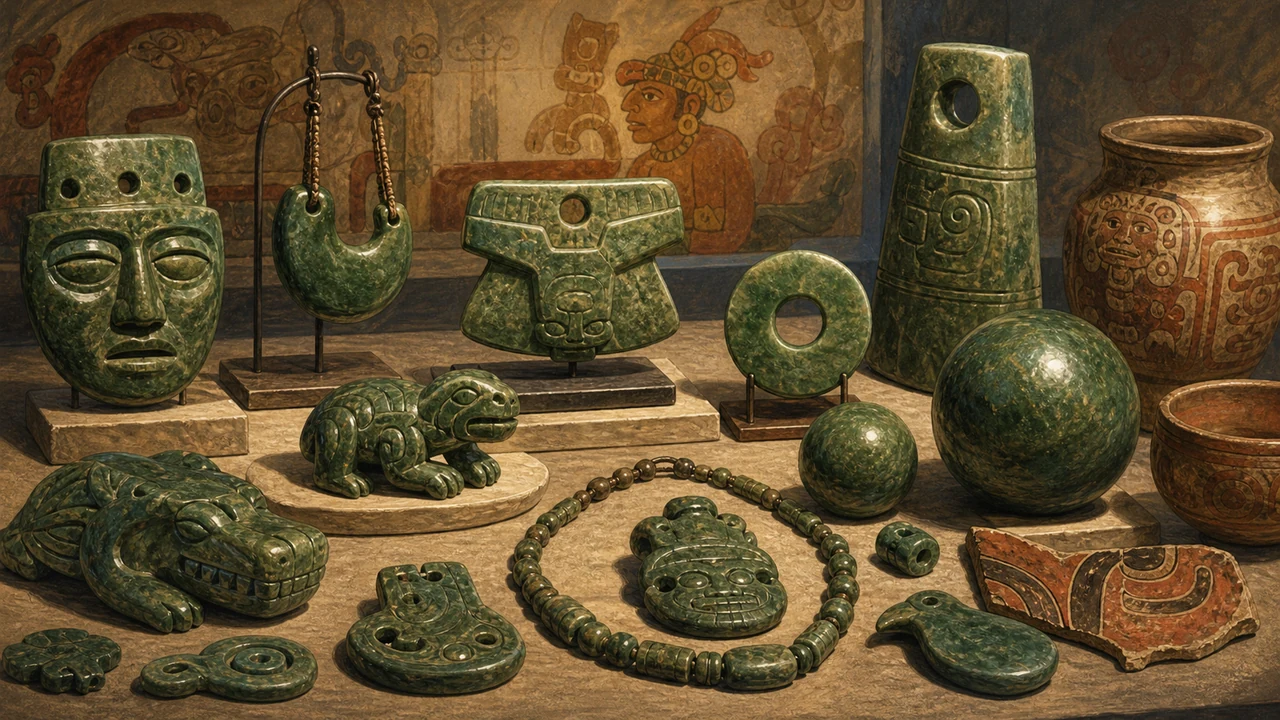 The Museo del Jade holds the world’s largest collection of American jade, a distinction that draws collectors and archaeology enthusiasts from across the globe. The jade displayed here is not the Asian green nephrite most people picture — it is a distinctive blue-green jadeite worked by Costa Rican and Mesoamerican cultures for millennia. An exhibit traces jade-working traditions from the Olmec influence that reached Costa Rica between roughly 800 and 300 BC through to the sophisticated local styles that emerged afterward. Alongside the jade, the museum displays precious stone carvings, intricate ceramics, and pre-Columbian gold objects, providing a remarkably complete view of ancient craft and cosmology.
The current Jade Museum occupies a purpose-built modern building that opened in 2014 adjacent to the National Legislative Assembly, replacing a much smaller earlier space. The new facility greatly expanded what could be displayed and added interactive elements that make the collection accessible to all ages.
The National Museum of Costa Rica
Housed in the historic Bellavista Fortress — complete with cannonball-scarred towers from the 1948 civil conflict — the Museo Nacional de Costa Rica is the country’s largest and most comprehensive museum. Its permanent collections cover pre-Columbian archaeology and jewelry, colonial and religious art, historical photographs and documents, natural history specimens (flora, fauna, and minerals), and the ethnography of Costa Rica’s indigenous cultures. The museum’s butterfly garden, set in the fortress courtyard, is a quiet highlight that surprises many visitors.
The National Museum’s breadth makes it an ideal first stop for travelers who want historical context before exploring other sites. It sits on the Plaza de la Democracia, itself a pleasant open space with views of the Cordillera and a row of informal artisan stalls along its western edge.
Specialty Museums Worth the Detour
Costa Rican Museum of Art (MADC)
Set inside a striking example of early 20th-century colonial architecture, the Museo de Arte Costarricense focuses on national fine art from the 1900s onward. The permanent collection includes wood engravings by Francisco Amighetti and pastoral paintings by Francisco Zúñiga — two artists who defined the imagery of Costa Rican identity for generations. Temporary exhibitions highlight contemporary Costa Rican and Latin American artists, ensuring the space stays dynamic.
Insect Museum of the University of Costa Rica
Unique in Central America, the UCR Insect Museum holds close to one million specimens including an exceptional butterfly collection. It is a working scientific collection first and a tourist attraction second, which gives it an authentic, unhurried atmosphere. Entomology enthusiasts and curious travelers alike find the sheer scale of the collection — beetles, moths, and insects from across the tropics — genuinely impressive.
National Children’s Museum (Costa Rican Center of Science and Culture)
The building itself tells a story: the National Children’s Museum occupies the former Central Penitentiary, a massive structure whose repurposing from prison to interactive learning center says something meaningful about Costa Rica’s priorities. Twenty-two rooms cover outer space, mass communications, arts, technology, environmental science, and recycling through hands-on exhibits designed for young visitors. Families traveling with children should budget at least two hours here.
Planning Your San José Museum Day
Most of downtown San José’s major cultural sites sit within comfortable walking distance of each other, clustered around the Plaza de la Cultura, the Plaza de la Democracia, and Avenida Central. A practical loop might begin at the National Theater (morning tour before it gets busy), move to the Gold Museum directly below the plaza, continue to the National Museum a few blocks east, and finish at the Jade Museum a short taxi or rideshare ride away. The Melico Salazar Theater is best experienced for an evening performance rather than a daytime walk-by.
For broader context on what makes Costa Rica worth visiting beyond its nature reserves, see why visit Costa Rica. Before you travel, review current Costa Rica travel tips and entry requirements. And if a single city day is not enough, Costa Rica’s ecotourism and nature experiences, national parks, and activities and sports fill out a rich, multi-layered itinerary.
Frequently asked questions
Where are most of Costa Rica's museums located?
The majority are clustered in downtown San José, within easy walking distance of each other. The Plaza de la Cultura and the Barrio Amón neighborhood are the main hubs, making it possible to visit several in a single day.
Is the Costa Rica National Theater worth visiting?
Absolutely. The National Theater is the country's most celebrated building — a 19th-century neoclassical gem with Italian marble staircases, painted ceilings, and gilt detailing. Guided tours run on most days even when no performance is scheduled.
What is the Gold Museum in San José?
The Pre-Columbian Gold Museum (Museo del Oro Precolombino) sits beneath the Plaza de la Cultura and houses one of the largest gold collections in the Americas. Entry is ticketed and the museum is managed by the Central Bank of Costa Rica.
Does the Jade Museum have the largest jade collection in the world?
The Museo del Jade (Jade Museum) is home to the largest collection of American jade in the world. It occupies a purpose-built modern building near La Sabana and displays pre-Columbian jade carvings, ceramics, and stone objects alongside interactive exhibits.
Are Costa Rica's museums free?
Some museums charge a modest entrance fee while others are free or donation-based. Hours and fees can change, so check current details before your visit. The National Theater charges separately for tours and performances.