Important Historical Dates in Costa Rica
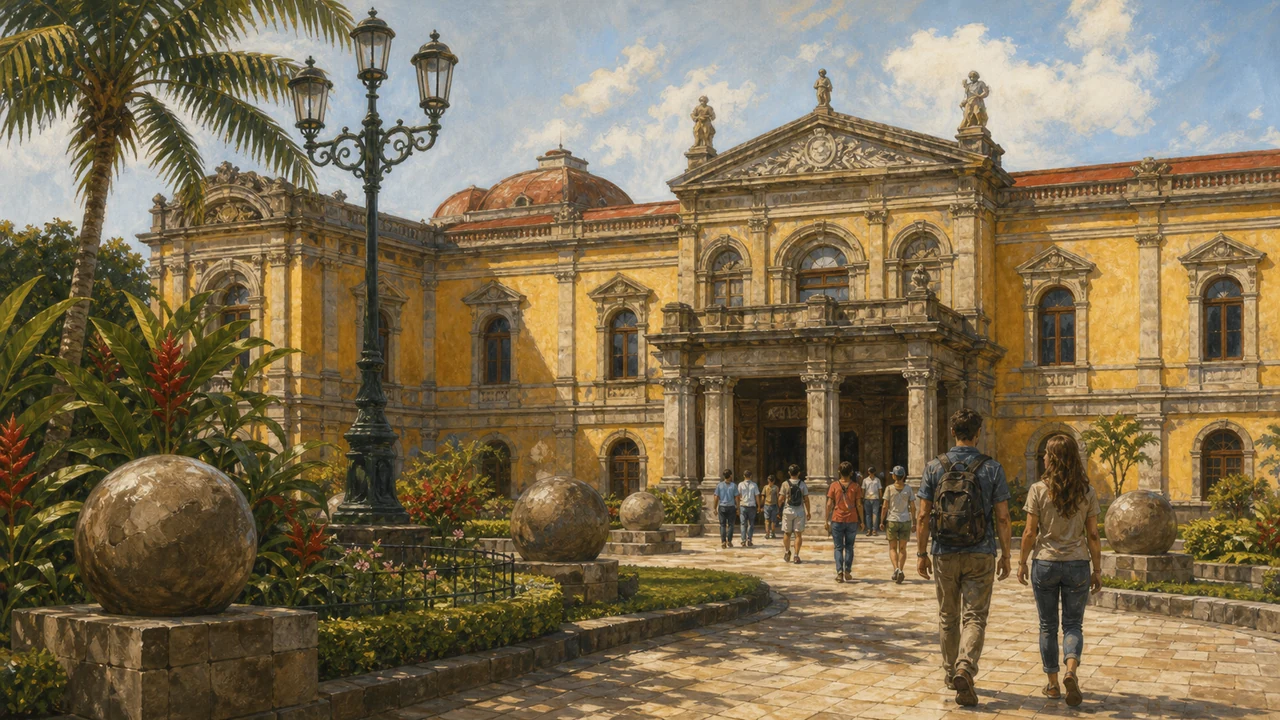
Costa Rica’s history is often remembered through a short list of dates that explain the country’s identity today. Those dates show how a small colonial province became a stable democracy known for peace, civic pride, and strong institutions.
1502
Christopher Columbus reached the Caribbean coast in 1502, marking the start of European contact.
1821
Costa Rica declared independence from Spain on September 15, 1821.
1824
Guanacaste joined Costa Rica in 1824, adding a region with its own strong cultural identity.
1856
Juan Santamaria became a national hero during the campaign against William Walker.
1948 and 1949
The civil war of 1948 ended with the abolition of the army, and the 1949 constitution made that decision permanent while expanding civic rights.
1987
Oscar Arias received the Nobel Peace Prize for helping advance peace in Central America.
These dates matter because they explain the Costa Rica that visitors encounter now: peaceful, democratic, and deeply shaped by civic choice.
For more context, explore Costa Rica Culture, Costa Rican Civic Pride, and Costa Rica general information.
Frequently asked questions
When did Costa Rica gain independence?
Costa Rica declared independence from Spain on September 15, 1821, as part of the broader Central American independence movement.
Who was Juan Santamaria?
Juan Santamaria was the drummer boy who became a national hero during the campaign against William Walker in 1856.
When did Costa Rica abolish its army?
Costa Rica abolished its army in December 1948, and the 1949 constitution made the decision permanent.
When did women gain the right to vote in Costa Rica?
Women's suffrage was established in the 1949 constitution, and Bernarda Vasquez Mendez became the first woman to vote under the new system.
Why did Oscar Arias win the Nobel Peace Prize?
Oscar Arias won the 1987 Nobel Peace Prize for his role in promoting a regional peace plan for Central America.