The History of Surfing in Costa Rica
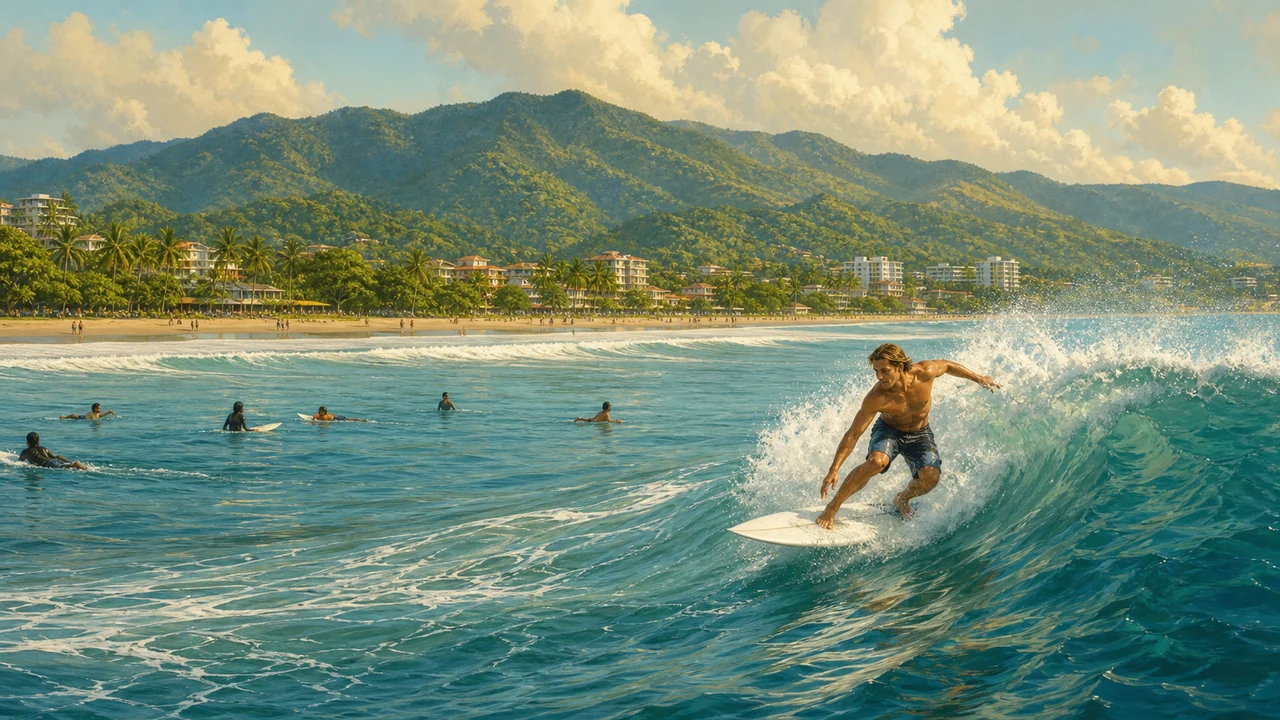 Surfing in Costa Rica has a story that stretches far beyond modern tourism — one shaped by geography, wandering explorers, cinematic adventure, and the quiet tenacity of coastal communities whose lives were always oriented toward the sea.
Long before surf camps and competition circuits arrived, the coastlines that would become famous breaks were simply home. Fishing villages dotted the Pacific shore, and the ocean was a workplace, not a playground. Yet the same powerful swells and point breaks that local fishermen navigated every day were precisely what would one day make Costa Rica a destination for surfers from across the globe.
Discovery: When the World Found Costa Rica’s Waves
The discovery of Costa Rica’s surf breaks by international travelers followed a pattern familiar across Latin America: a handful of adventurous outsiders, word of mouth, and the gradual circulation of stories about uncrowded waves breaking over pristine coastlines.
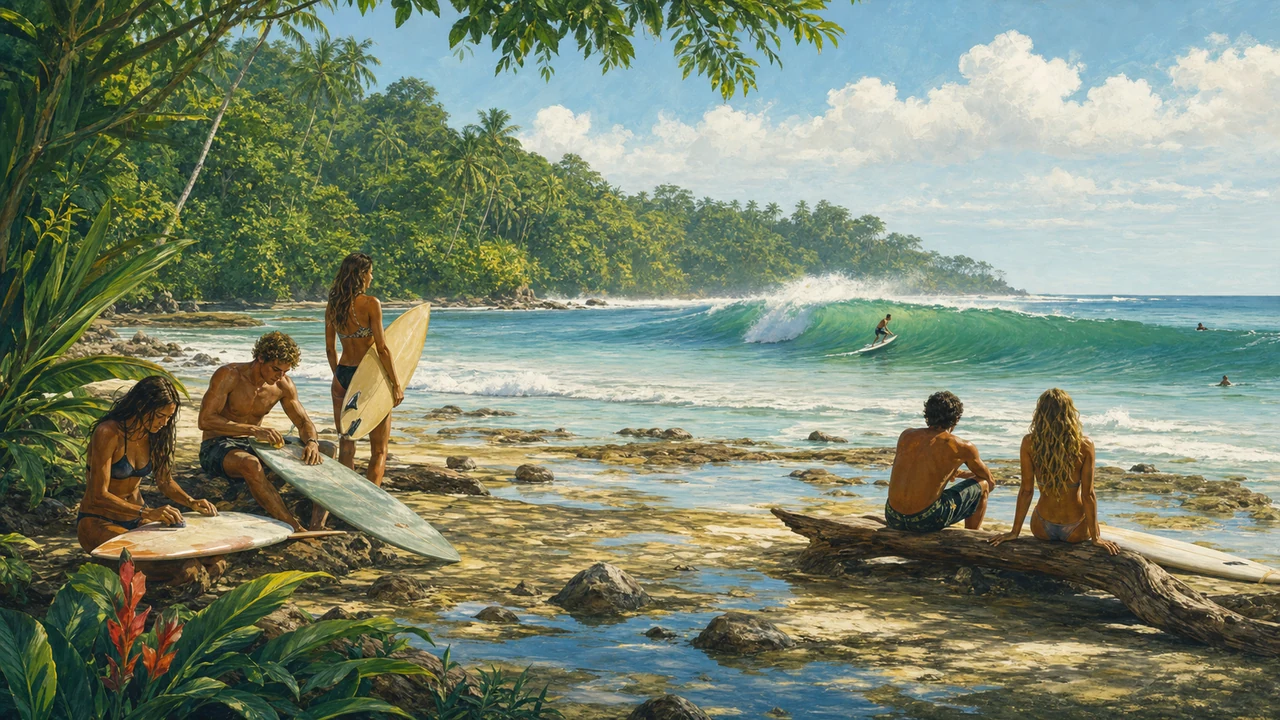 The era of globe-trotting surf films — most famously the Endless Summer tradition of the 1960s and beyond — sent surfers in search of remote perfection. A small country bridging two oceans, with both Pacific swells and Caribbean reef breaks, Costa Rica offered exactly the variety those early explorers were seeking. The Central Pacific coast, with its accessible beach breaks and manageable travel distance from San José, became an early point of entry. From there, word spread south toward the Osa Peninsula and north toward Guanacaste’s point breaks.
The Caribbean side entered the picture somewhat later, as infrastructure caught up and surfers willing to make the extra effort discovered the reef-driven barrels near Puerto Viejo and Salsa Brava — a wave now considered one of the most powerful in Central America.
Jacó and the Central Pacific: Cradle of Costa Rican Surf Culture
No story of Costa Rican surf history is complete without Jacó. Situated in the canton of Garabito on the Central Pacific coast, Jacó was among the first beach towns to coalesce around surf culture. Its breaks offered something for every level — forgiving beach break for beginners, faster sections for those with more experience — and its relative proximity to the capital made it reachable by travelers who might not venture further afield.
 The town’s founding generation grew up with the ocean as backdrop and playground. Children who learned to swim in its waters later learned to surf those same waves, and in time some became national champions. That arc — from beach kid to competitive surfer to surf-scene legend — repeated itself in Jacó and in surf communities up and down both coasts, creating a distinctly Costa Rican surfing lineage rooted in local knowledge rather than imported trend.
The wider Costa Rica beaches pillar that anchors this surfing heritage is one of the country’s most celebrated natural assets, drawing travelers who want both ocean adventure and natural beauty.
The Rise of Surf Towns
As surf culture spread, it transformed quiet coastal settlements. The rise of Costa Rica’s surf towns followed a recognizable pattern: a few pioneering surfers settle near a good break, a small guesthouse opens, a board-rental operation follows, and gradually a community with its own identity and economy takes shape.
Tamarindo in Guanacaste became a textbook example — a small beach town that evolved into a full-service surf destination with schools for beginners, advanced coaching, and a lively social scene that drew long-term surf travelers from North America and Europe. Dominical on the South Pacific coast attracted a different crowd: surfers who preferred something rawer and more remote, where the waves were powerful and the development lighter.
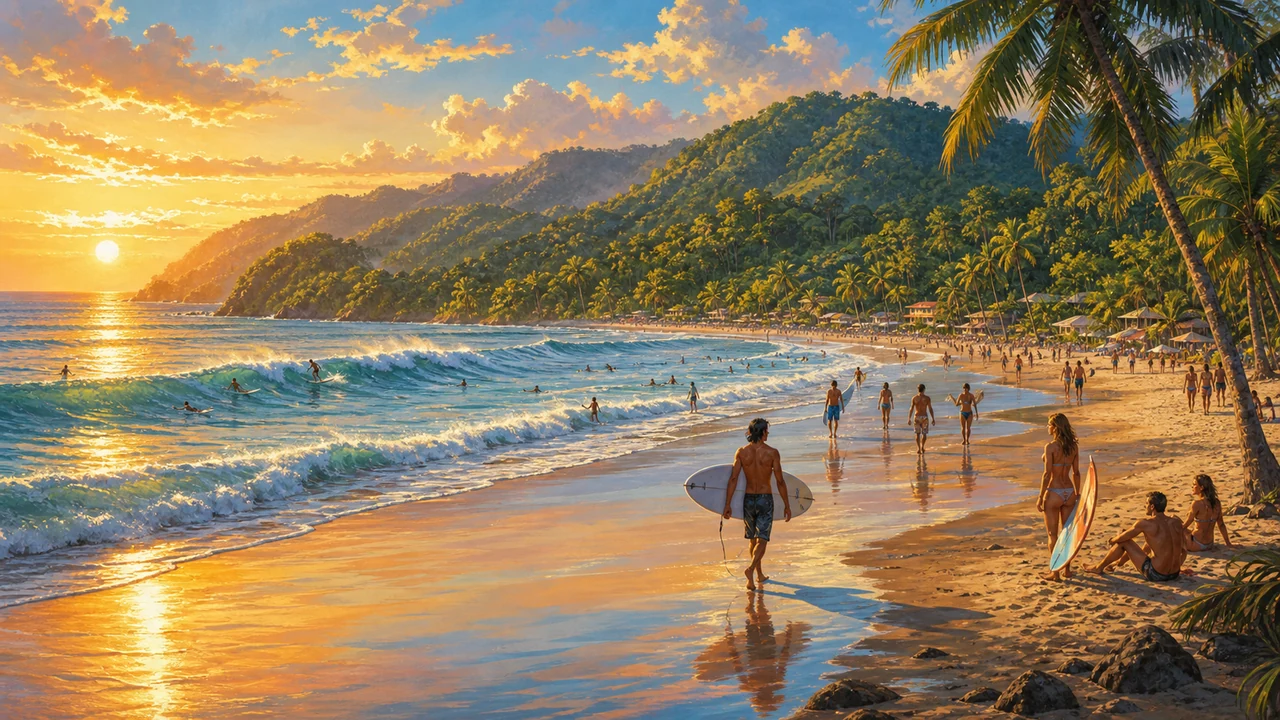 Each surf town developed its own character while sharing common threads: a deep respect for local surfers and local knowledge, an informal culture built around tides and swell forecasts, and an economy increasingly tied to the visitors who arrived in search of the same waves that locals had been riding for generations.
Explore all the activities and sports Costa Rica offers beyond the surf, from whitewater rafting to birdwatching.
Surf Culture Meets Ecotourism
Costa Rica’s surf history did not develop in isolation. The same values that shaped the country’s reputation as a leader in ecotourism and nature — conservation, connection to the natural environment, low-impact living — found a natural parallel in surf culture.
Sustainable surf tourism in Costa Rica has grown alongside a broader awareness of environmental responsibility. Many surf operators along both coasts incorporate reef protection, beach cleanup initiatives, and responsible tourism practices into their business models. The Costa Rica protected areas system, which covers more than a quarter of the national territory, creates a backdrop of natural integrity that makes surfing here feel fundamentally different from more overdeveloped destinations.
This alignment between surf culture and environmental stewardship has helped Costa Rica attract the kind of traveler who wants more from a surf trip than just waves — someone who values the intact rainforest behind the beach as much as the break in front of it.
Competition and International Recognition
Costa Rica’s waves eventually attracted not just recreational surfers but professional competition. The history of surf competition in Costa Rica reflects the country’s growing stature in the global surf world: from early informal contests among local communities to internationally sanctioned events that brought the world’s best surfers to Costa Rican shores.
The country has hosted qualifying events for major world tours, and the Billabong World Surfing Games Costa Rica brought international attention to the quality of local breaks. Costa Rica has also sent competitors to represent the nation at regional and world championships, with athletes who trained in the same communities where surf culture first took root.
For the latest on events, see the World Championship Surf page.
A Living History
The history of surfing in Costa Rica is still being written. New breaks continue to be explored, new surf communities continue to develop, and a new generation of Costa Rican surfers continues to refine the local lineage that began when the first adventurous travelers paddled out into these warm, powerful waters.
What makes that history meaningful is its human dimension: the fishing families who watched surf culture arrive and in many cases embraced it, the local champions who competed on the world stage, and the beach towns that transformed themselves around the rhythms of tide and swell while retaining a character shaped by long habitation rather than pure commercialism.
For anyone planning a surf trip, understanding this context adds depth to the experience. You are not simply visiting a surf destination — you are entering a living tradition. Start planning with our Costa Rica travel tips and discover why Costa Rica remains one of the world’s most compelling destinations for wave riders and nature lovers alike.
Frequently asked questions
When did surfing become popular in Costa Rica?
Surfing gradually took hold in Costa Rica from the mid-twentieth century onward, as international travelers and films began showcasing the country's world-class breaks. Growth accelerated through the latter decades of the century as surf tourism infrastructure expanded along both coasts.
Which areas of Costa Rica first became known for surfing?
The Central Pacific coast — particularly the Jacó area — was among the earliest surf destinations to attract consistent attention, thanks to its accessible breaks and proximity to San José. The Guanacaste coast and Caribbean side followed as roads improved and word spread.
Did the Endless Summer film influence Costa Rica's surf scene?
The era of globe-trotting surf films in the 1960s and beyond inspired a generation of travelers to seek out undiscovered breaks worldwide. Costa Rica's uncrowded waves and year-round swell caught the eye of adventurous surfers who were part of that movement, helping put the country on the global surf map.
How has surf culture changed Costa Rica's beach towns?
Surf culture transformed quiet fishing villages into vibrant communities. Towns like Jacó, Tamarindo, and Dominical developed surf schools, board rental shops, hostels, and competitions that drew visitors from around the world and gave local residents new economic opportunities.
Does Costa Rica host international surf competitions?
Yes. Costa Rica has hosted major international surf events, including world championship qualifying events at breaks along both coasts. The country's consistent waves and tourism infrastructure make it a natural venue for professional competition.