Surfing in Costa Rica: Top Breaks & Surf Guide

Costa Rica is one of the world’s premier surf destinations, drawing wave riders from every continent to its Pacific and Caribbean beaches with a combination of warm water, consistent swells, and an extraordinary variety of breaks across all skill levels. With more than 30 mapped surf spots on the Pacific coast alone — and powerful reef breaks on the Caribbean side — this small country punches well above its weight on the global surf map.
Whether you’re paddling out for the first time or chasing double-overhead barrels, Costa Rica’s two very different coastlines offer a surf experience that’s hard to match anywhere in the tropics.
Why Costa Rica Is a World Surf Destination
Geography and meteorology conspire in Costa Rica’s favor. The Pacific coast faces open ocean swells generated by storms far to the north and south, producing waves year-round. The Caribbean coast catches North Atlantic swells that funnel into reef passes and deliver some of the heaviest waves in Central America. Warm water temperatures — ranging from around 75°F to 84°F (24–29°C) depending on the season — mean you can surf in boardshorts or a light rashguard almost any time of year.
The country’s surf culture runs deep. Local and international competitions have brought attention to Costa Rica’s breaks for decades, and a laid-back “Pura Vida” attitude permeates every surf village from Tamarindo to Puerto Viejo. Surf camps, board rentals, and qualified instructors are easy to find at every major spot, making the country as welcoming to newcomers as it is to seasoned pros.
Pacific Coast: North (Guanacaste)
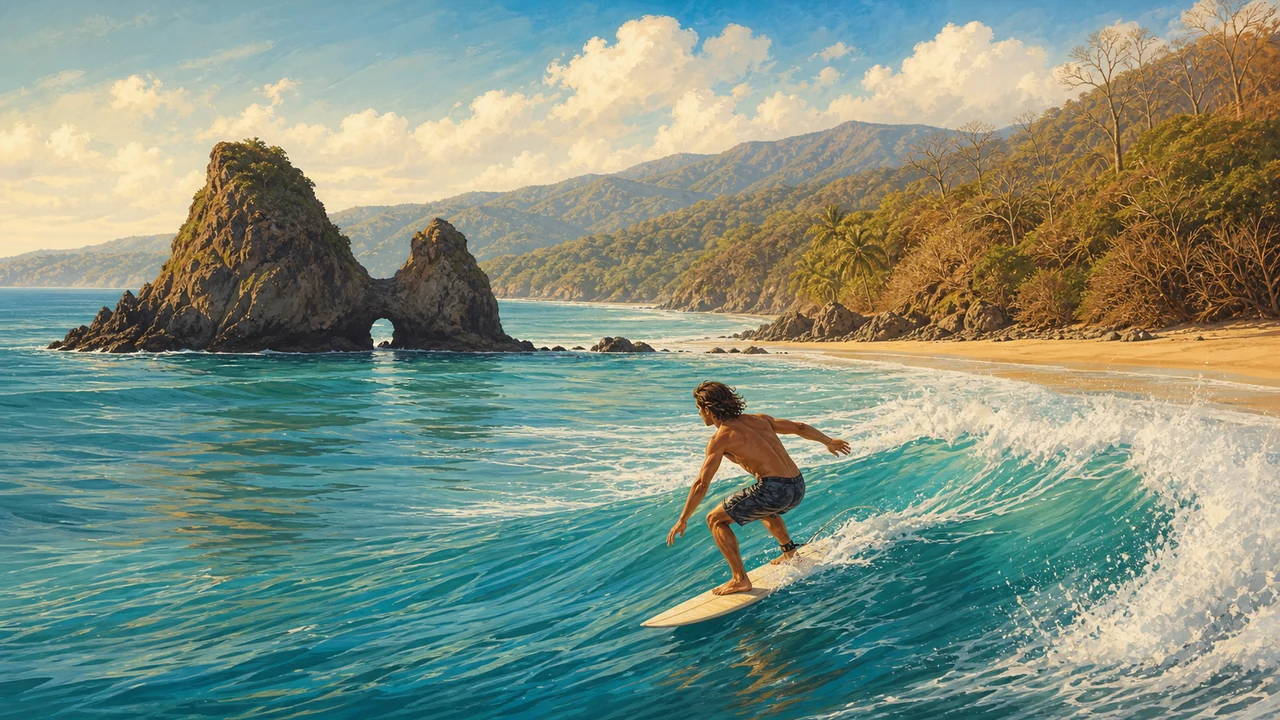
The Guanacaste region’s best surfing months on the North Pacific run from November through April, when northeasterly trade winds generate reliable swells and keep the sky largely clear. This is peak season for intermediate and advanced surfers.
Witch’s Rock (Roca Bruja) and Ollie’s Point are the crown jewels of the north. Both breaks sit inside Santa Rosa National Park and are accessible only by boat — typically from Playa del Coco or Playa Potrero. Witch’s Rock is a powerful beach break that throws left and right barrels, while Ollie’s Point is a long, peeling right-hander that rewards patient surfers willing to wait for the sets. Neither break is appropriate for beginners. The required park fee keeps crowds manageable.
Tamarindo is the region’s most accessible surf hub. Beach breaks along this stretch handle a wide range of swell sizes and suit every level, from beginners taking their first lessons to experienced riders looking for a reliable morning session before breakfast. The town supports a full surf ecosystem: schools, camps, board shapers, and shops. For more on the area, see the Costa Rica beaches section.
Playa Grande, just north of Tamarindo, offers an uncrowded alternative with hollow beach break peaks and is part of Las Baulas Marine National Park, famous for leatherback turtle nesting. Playa Negra near Nosara is a fast, right-breaking reef wave that becomes hollow and powerful at high tide — a demanding spot that rewards experienced surfers.
Nosara itself (particularly Playa Guiones) has become one of the most respected surf and wellness destinations in Central America. The long, consistent beach break here is ideal for surf lessons and yoga retreats in Nosara, a combination that attracts visitors looking to balance physical intensity with recovery.
Pacific Coast: Central and South
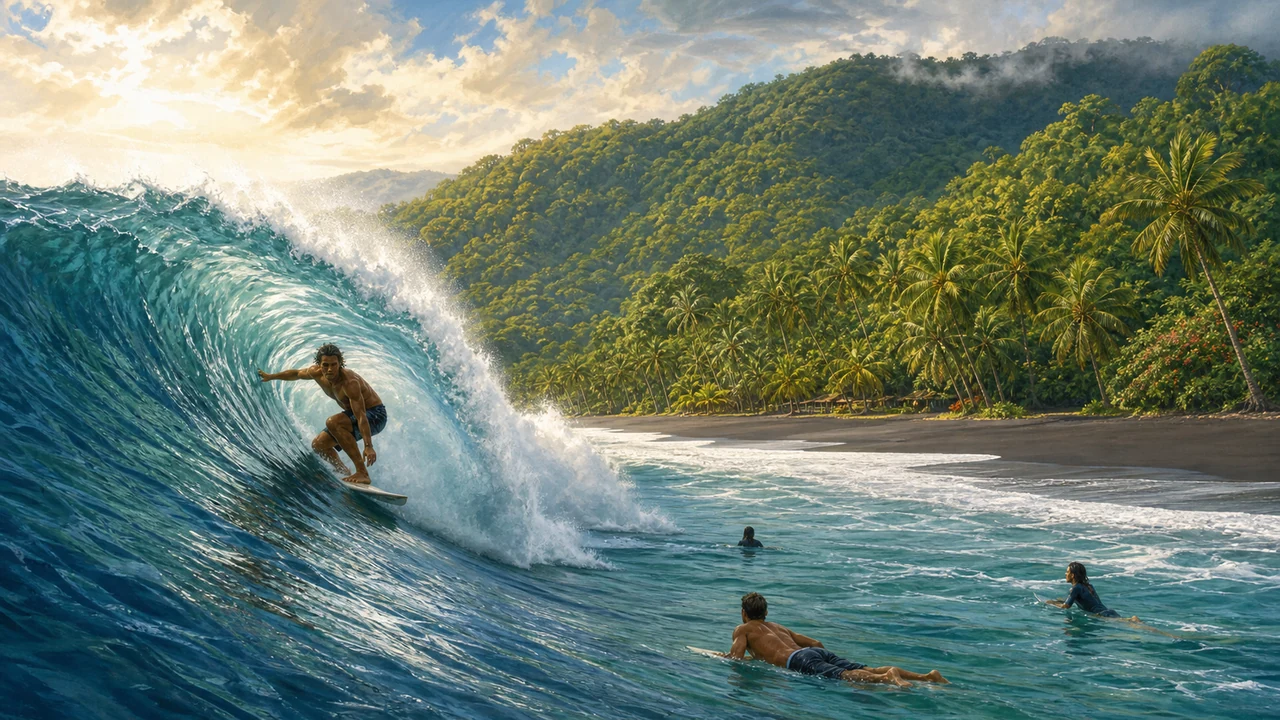
As you move south along the Pacific, the surf calendar flips. The Central and South Pacific fire best from May through October, when southern hemisphere swells push up from Antarctic storms and trade winds ease off. This is the green season inland, but offshore conditions on the Central Pacific are often excellent.
Jacó is the closest surf town to San José and one of the most popular for visiting surfers. The beach break is straightforward and consistent, and the town has a robust selection of surf schools and rental shops — making it a solid pick for beginner surf camps near San José. Just south of Jacó, Playa Hermosa (not to be confused with the Hermosa near Guanacaste) is a heavier, more powerful beach break that regularly draws international surf competitions. It handles larger swells cleanly and rewards experienced surfers looking for intensity.
Further south, Santa Teresa and Mal País on the Nicoya Peninsula have emerged as Costa Rica’s most fashionable surf destinations. The area offers a mix of beach and reef breaks across a range of tides, functioning well for intermediate and advanced surfers. The bohemian town vibe, restaurant scene, and wildlife encounters (howler monkeys, marine turtles) make this one of the most complete surf-destination experiences in the country.
Dominical delivers consistent beach break waves and a relaxed small-town atmosphere. South of Dominical, the coastline becomes increasingly remote.
Pavones, near the Panamanian border, houses one of the longest left-breaking waves on the planet. On a good swell, a single ride here can last for several minutes — a bucket-list experience for longboarders and experienced surfers who don’t mind the off-the-beaten-path logistics.
Caribbean Coast: Salsa Brava and Puerto Viejo
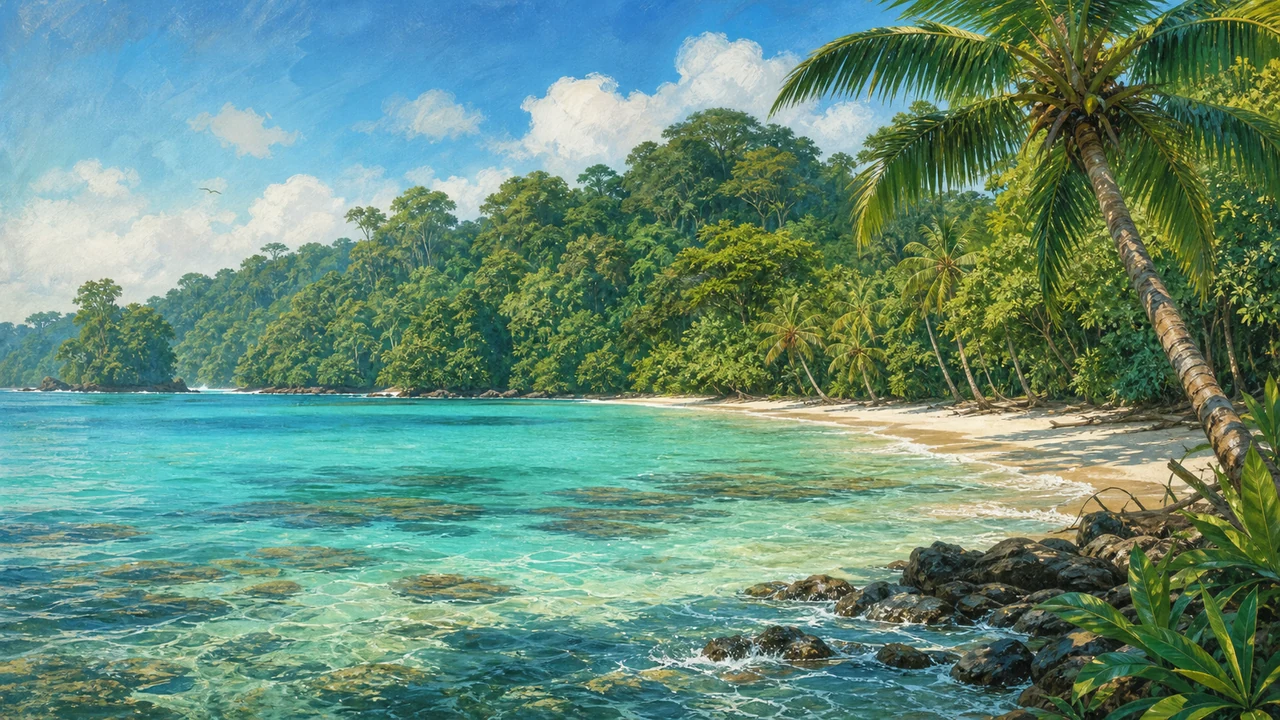
The Caribbean coast surfing season runs from November through April, when North Atlantic swells wrap around the corner of the continent and hit reef passes with full force. The Caribbean offers a completely different surf experience from the Pacific — rawer, less crowded, and with a distinct Afro-Caribbean cultural backdrop.
Salsa Brava in Puerto Viejo is the most famous wave on Costa Rica’s Caribbean coast and one of the most powerful reef breaks in Central America. This right-hander breaks over a shallow coral reef and produces thick, heavy barrels that have little margin for error. Salsa Brava is strictly for advanced surfers — wipeouts here mean coral rash at minimum, and the wave’s intensity demands proper respect and experience. It’s best from December through March, when swells peak.
For surfers who aren’t ready for Salsa Brava, the Caribbean coast offers gentler options. Miles of beach breaks with sand bottoms stretch south from Puerto Viejo and provide forgiving conditions for learning and progression. Cahuita National Park sits nearby, adding snorkeling, wildlife, and jungle walks to the surf-trip itinerary.
Puerto Viejo itself is one of Costa Rica’s most characterful towns — reggae rhythms, Caribbean cooking, and a multicultural community that has warmly welcomed surfers for generations.
Beginner vs. Advanced: Choosing Your Break
Matching your ability to the right wave is the most important decision you’ll make. Here’s a quick orientation:
Good for beginners:
- Tamarindo (gentle beach break, lots of instruction)
- Nosara / Playa Guiones (long, mellow waves)
- Jacó (accessible, manageable conditions)
- Caribbean beach breaks south of Puerto Viejo
Intermediate surfers:
- Santa Teresa / Mal País (varied conditions, reef and beach mix)
- Dominical (solid beach break)
- Playa Grande (hollow but readable)
Advanced / expert only:
- Witch’s Rock and Ollie’s Point (remote, powerful, boat access only)
- Playa Hermosa (heavy beach break)
- Salsa Brava (shallow coral reef, no margin for error)
- Pavones (long powerful left, remote location)
Surf Camps and Lessons
Costa Rica’s surf instruction scene is mature and well-organized. Established surf camps in Tamarindo, Nosara, Jacó, and Santa Teresa offer multi-day packages that combine lessons, lodging, and meals — a practical approach for first-time visitors who want to maximize water time without logistical headaches. Most schools use foam boards for beginners, include basic ocean safety training, and pair small groups with certified instructors.
When choosing a surf camp, look for instructors certified by recognized surf-instruction organizations, small group sizes, and camps that cover rip current awareness and reef etiquette as part of their curriculum.
For more ways to get active in Costa Rica, explore the full range of activities and sports or read up on Costa Rica travel tips before you go.
Frequently asked questions
When is the best time to surf in Costa Rica?
It depends on the coast. The Pacific's north (Guanacaste) peaks from December through April when northeasterly winds create powerful swells. The Central and South Pacific are best from May through October, when southern swells build. The Caribbean — especially Salsa Brava in Puerto Viejo — is most consistent from November through April.
Where are the best beginner surf spots in Costa Rica?
Tamarindo and Nosara on the North Pacific are popular for beginners, with a wide variety of surf schools and gentle beach breaks for learning. Jacó also has reliable, manageable waves and plenty of surf camps for first-timers.
What is Witch's Rock and how do I get there?
Witch's Rock (Roca Bruja) is a legendary surf break inside Santa Rosa National Park in Guanacaste, accessible only by boat from Playa del Coco or Playa Tamarindo. It delivers powerful left and right beach-break barrels and is best suited for experienced surfers.
Is Salsa Brava in Puerto Viejo good for beginners?
No — Salsa Brava is a heavy, shallow reef break that demands solid surfing skills and experience reading reef waves. Beginners should stick to the sand-bottom beach breaks further along the Caribbean coast and progress before attempting Salsa Brava.
Do I need to bring my own surfboard to Costa Rica?
Not necessarily. Surf camps and rental shops are plentiful at every major break, offering shortboards, longboards, and softboards by the hour or day. If you have a specialty board you love, it's worth bringing, but first-timers and intermediates will find quality rentals readily available.