Waterfall Climbing & Rappelling in Costa Rica
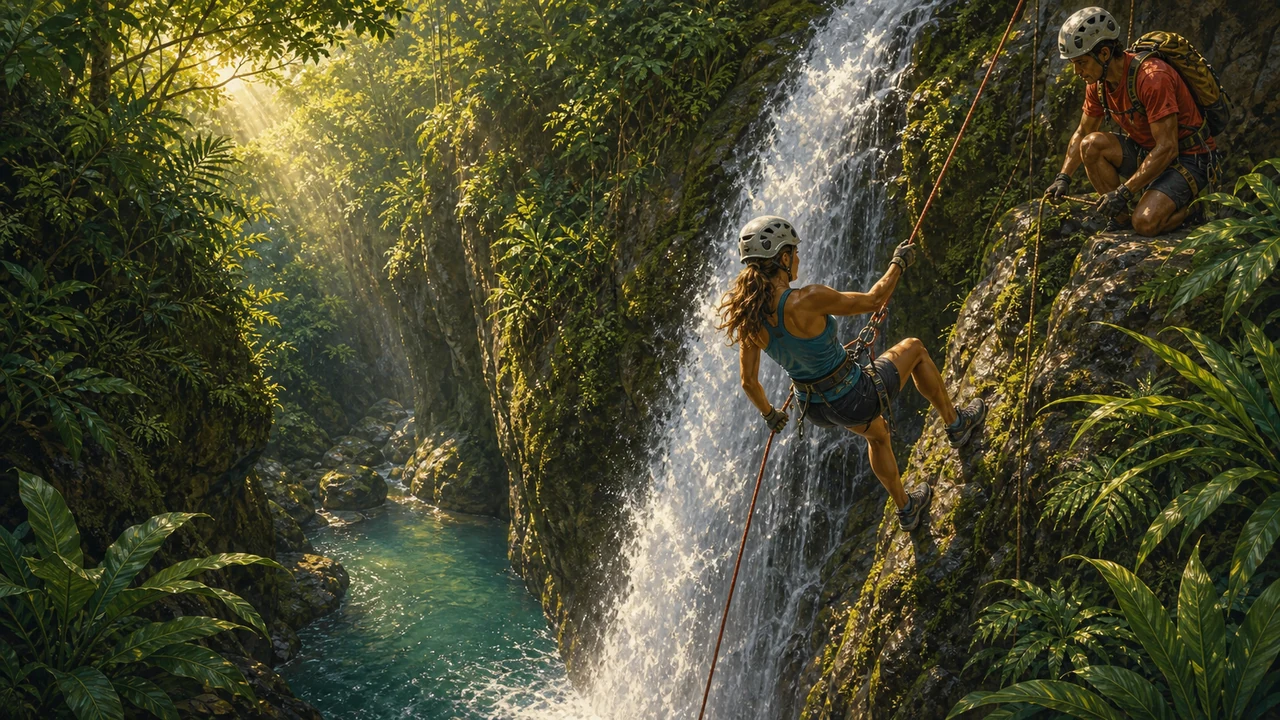 Waterfall rappelling and canyoning in Costa Rica put you inside the scenery rather than just in front of it — descending the face of a living waterfall, feeling the mist and the roar, then climbing back up with nothing between you and the rock except a rope and technique. The country’s geography makes this possible almost everywhere: volcanic highlands drain into steep, forested canyons, producing dozens of cascades accessible to beginners and experienced adventurers alike.
Canyoning goes by several names here — rappelling, abseiling, waterfall climbing — but the essential idea is the same: guides lower you on a dynamic rope system down vertical or near-vertical waterfall faces, then often let you climb back up, followed by a swim in the pool at the base. It is a full-body experience that pairs well with the jungle setting you came to Costa Rica to explore. For more on the broader spectrum of rope-based descents in the country, see the rappelling in Costa Rica overview page.
What Happens on a Canyoning Tour
A standard waterfall canyoning day starts with hotel pick-up, a short transfer through secondary forest or rural roads, and a gear-up session at the operator’s base. Guides fit you with a harness, helmet, and gloves, then walk through the figure-eight descender device you will use to control your own speed on the rope. The safety talk is unhurried and practical — this is not paperwork theater, it is genuinely useful.
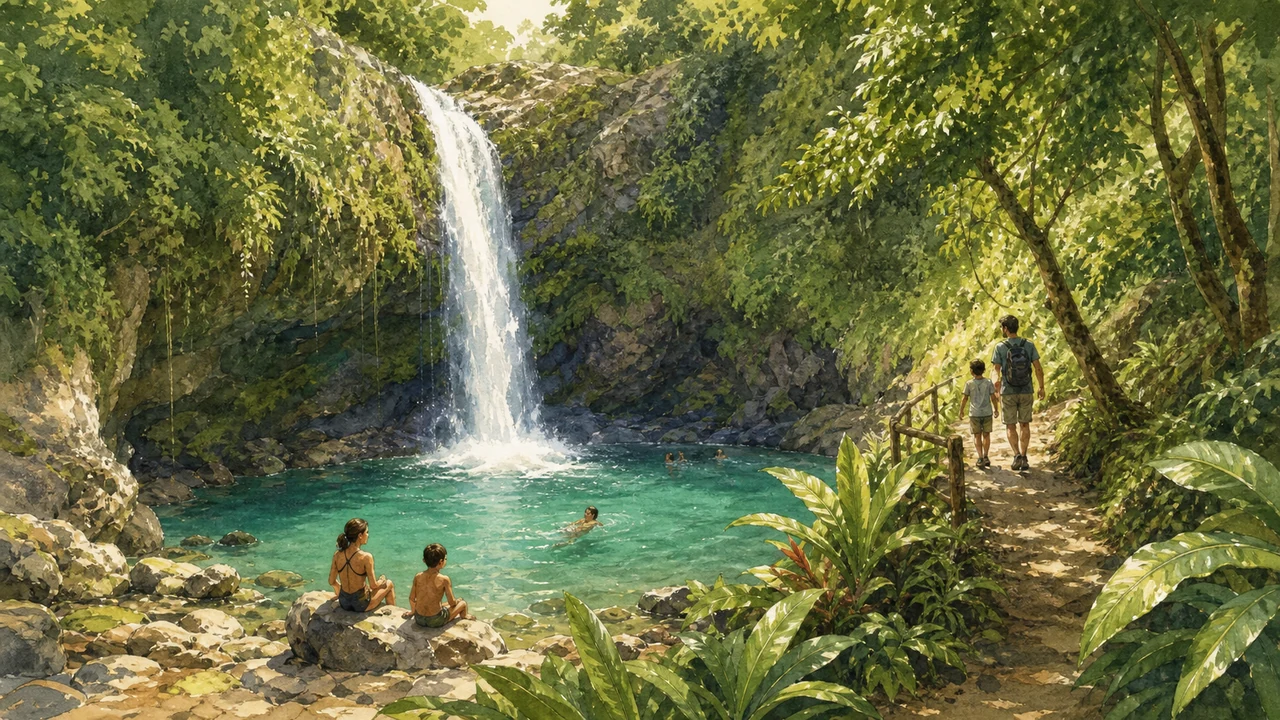
From base camp a short trail hike, typically under 15 minutes, brings you to the first drop. The height of introductory waterfalls varies by operator and location, but a common format offers a primary cascade in the 80–100 foot range where you rappel down, then a secondary, smaller waterfall where you can swim and rest before heading back. Some routes add a third or fourth drop for experienced groups.
 The climbing component uses the same rope-and-device setup in reverse — an ascender or prusik system lets you walk up the waterfall face with your guides spotting from above and below. This is the part most visitors underestimate. It requires upper-body effort and footwork, but the assisted systems make it achievable for most fit adults on routes graded for beginners.
Lunch or a snack is typically included, with the timing matched to your tour departure — morning tours often include breakfast first; midday departures come with a typical Costa Rican lunch after the activity.
Top Regions for Waterfall Canyoning
Central Pacific — Quepos and Manuel Antonio area: The hills behind Quepos are among the most accessible canyoning hubs for travelers already visiting Manuel Antonio National Park. Thick primary and secondary rainforest channels rainfall into well-formed canyon corridors. Year-round water flow means the falls rarely disappoint, even at the tail end of the dry season.
Arenal Volcano region: The slopes around Lake Arenal and La Fortuna support several multi-pitch canyoning routes with dramatic volcanic backdrops. The Arenal adventure page covers the full range of activities in that corridor, of which canyoning is one of the most popular. The combination of hanging bridges, zip-lines, hot springs, and waterfall rappelling in a single area makes this a natural base for multi-day adventure itineraries.
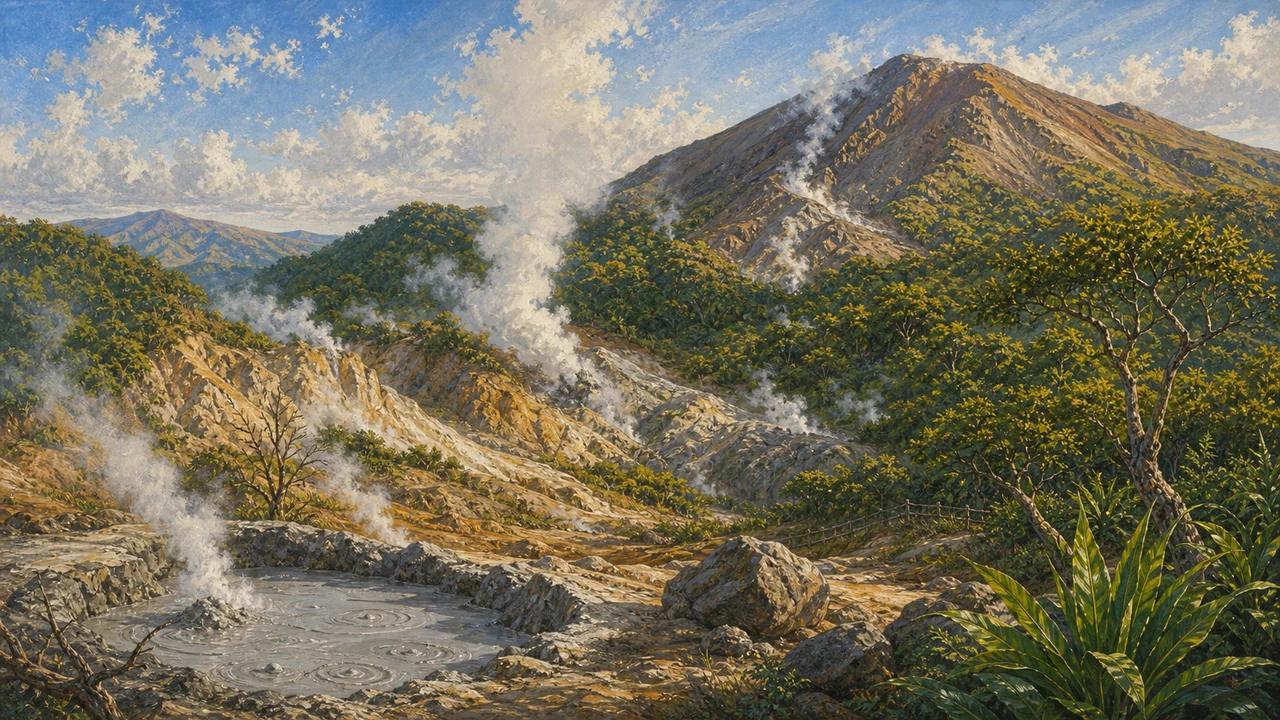
Guanacaste — Rincón de la Vieja: The geothermal landscape around Rincón de la Vieja volcano supports a different style of canyoning: the canyon walls carry sulfurous mineral tints, the vegetation shifts to dry-forest species, and the water runs warm in places. The canyoning at Rincón de la Vieja route along Río Negro is one of the most distinctive in the country — a full descent through a slot canyon with geothermal character that nowhere else in Costa Rica replicates.
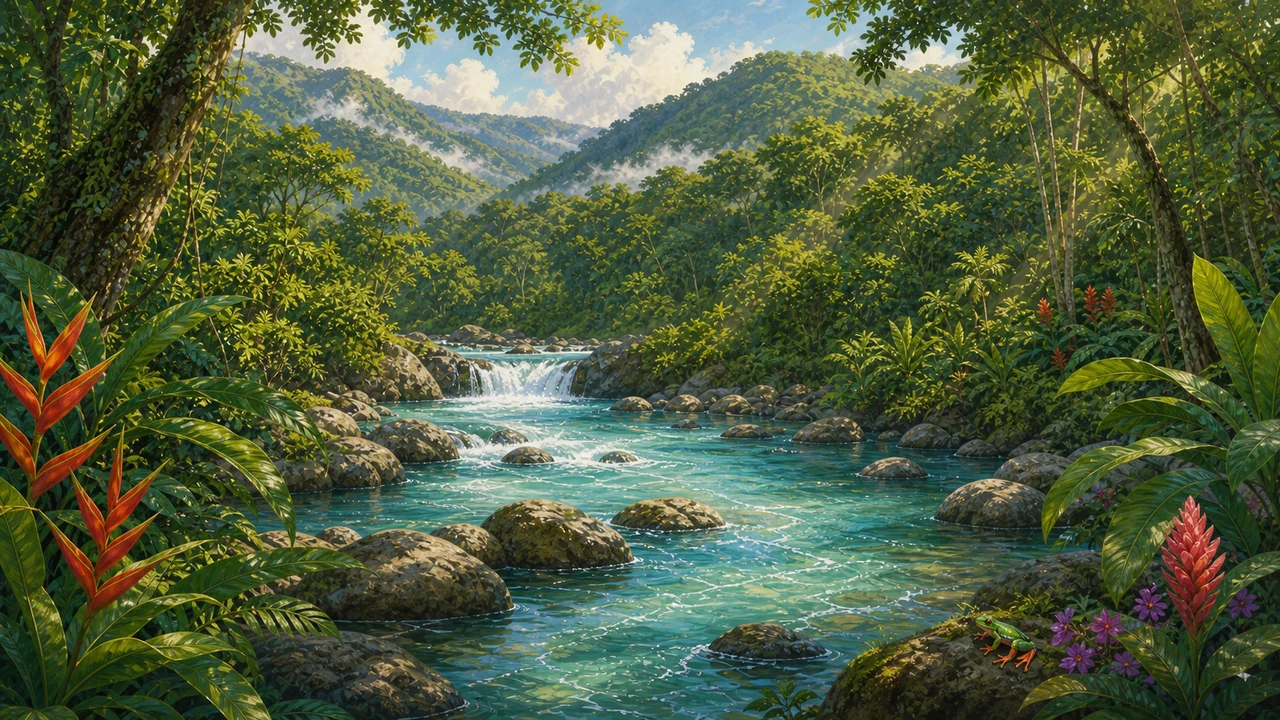
 Southern Zone: The Osa Peninsula and the Dominical corridor receive some of the highest rainfall in Central America, which translates to powerful, high-volume waterfalls. Routes here tend to be less crowded and more remote — better suited to travelers who want a wilder experience and are comfortable with longer hikes to reach the canyon.
Skill Levels and Physical Requirements
Waterfall rappelling for beginners is genuinely achievable. The figure-eight descender gives you full control over your speed; you can stop, breathe, and look around at any point on the descent. If you have ever done a ropes course or a zip-line, you already understand the basic trust-the-equipment mindset required.
Intermediate canyoneers can seek out routes with overhanging sections, multi-pitch drops, or mandatory swims between walls — these exist at specialty operators catering to guided adventure groups. True advanced canyoning in Costa Rica, involving technical rigging and canyon rescue training, is available through a smaller number of specialized outfitters.
Physical requirements are minimal for introductory routes: a reasonable level of fitness, a willingness to get thoroughly wet, and no significant fear of heights. People who are pregnant, have serious cardiovascular conditions, or severe joint problems are typically advised against participation — confirm with your operator at booking.
Gear, Safety, and What to Expect
All reputable canyoning operators in Costa Rica supply the technical gear: dynamic ropes, seated harnesses, helmets, descenders, and usually neoprene or water shoes. You do not need to own or bring any of it. What you supply is clothing that dries quickly, closed-toe shoes with grip (if the operator does not provide footwear), and a dry bag for any electronics.
 Safety records in the Costa Rican adventure tourism industry have improved significantly as the country’s certification framework — managed through the Instituto Costarricense de Turismo (ICT) — has expanded. Look for operators holding ICT permits and using current NFPA or UIAA-rated equipment. Guides should be trained in swiftwater rescue and first response, not just in the mechanical use of ropes.
The most common non-emergency issue on tours is hypothermia during long swims in cool mountain water — pack a light thermal layer in your dry bag if you run cold. Sunscreen and insect repellent are worth applying before you leave the lodge; inside the canyon shade takes over but you will spend time in the sun getting there.
Pairing Canyoning with Other Adventures
Canyoning integrates naturally with the broader adventure activities menu Costa Rica offers. Many operators run combination packages that add white-water rafting on the Naranjo or Savegre rivers, kayaking, or canopy zip-lines in the same day or across two days. The rock climbing in Costa Rica page is a natural companion read if the vertical component of waterfall climbing is what appeals to you most.
For trip-planning context — when to come, how to get around, and what to pack for an active holiday — the Costa Rica travel tips guide covers the essentials. The activities and sports hub links to the full range of experiences available across the country.
Frequently asked questions
Do I need climbing or rappelling experience to join a waterfall canyoning tour?
No prior experience is required for most introductory canyoning tours in Costa Rica. Guides provide full safety briefings, fit you with proper harnesses and helmets, and demonstrate technique before you touch the rock. First-timers regularly complete their first descent within minutes of instruction.
What is the difference between waterfall rappelling and canyoning?
Rappelling (abseiling) refers specifically to descending a rope face. Canyoning is the broader activity that combines rappelling, scrambling, swimming, and sometimes climbing through a canyon or river gorge — often with multiple waterfalls in a single route. Many Costa Rica tours blend both.
What should I wear and bring on a waterfall rappelling tour?
Wear quick-dry clothing and closed-toe shoes you don't mind getting wet — water shoes or old trail runners work well. Leave jewelry at the lodge. Operators supply harnesses, helmets, ropes, and wet shoes in most cases. Bring a dry bag for your phone and a change of clothes for the drive back.
Is waterfall canyoning safe for families?
Many operators welcome children above a minimum age (often around 10–12) on easier routes. Pregnant travelers and anyone with heart conditions or serious joint problems should sit this one out. Always verify age and health guidelines with your specific operator before booking.
Which Costa Rica region has the best canyoning?
The Central Pacific coast around Quepos and Manuel Antonio is one of the most accessible hubs, with lush rainforest drainage producing year-round waterfalls. The Arenal region and Rincón de la Vieja in Guanacaste also rank among the top canyoning destinations in the country.