Rock Climbing in Costa Rica: Crags, Gyms & Guided Options
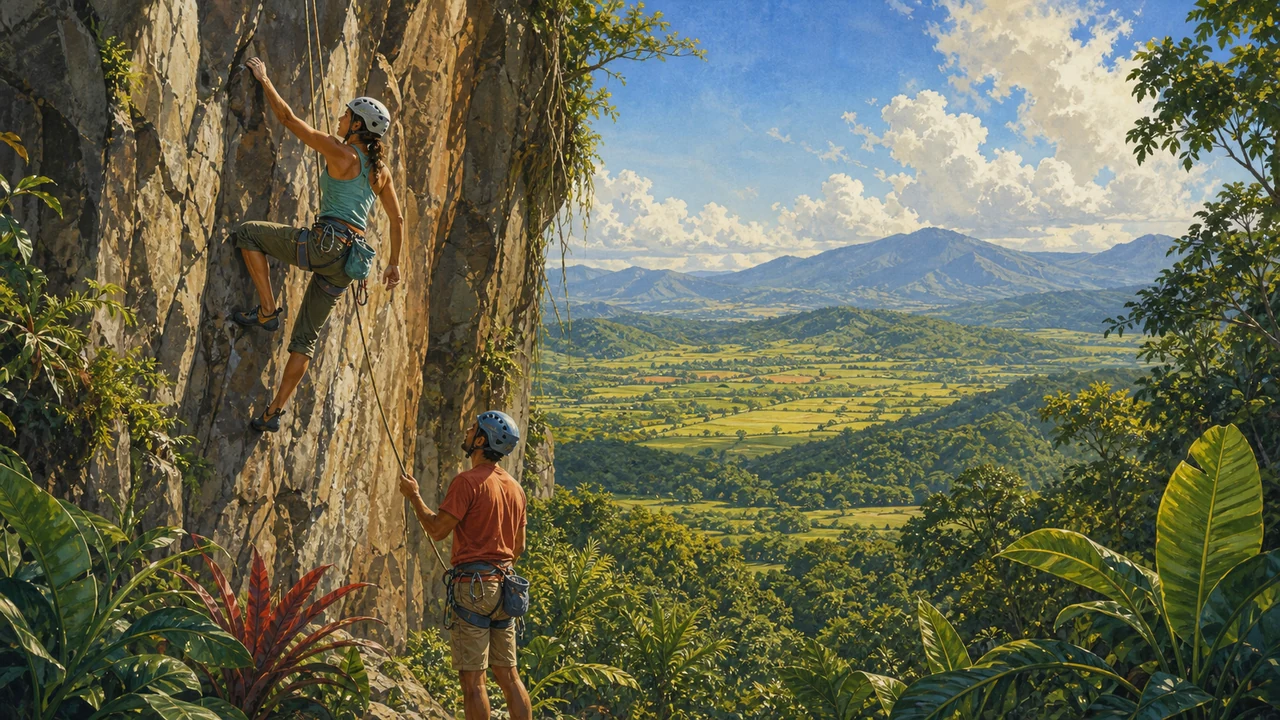 Costa Rica is not a desert-climbing destination, but outdoor rock climbing near San José rewards visitors who look for it. Within a couple of hours of the capital you will find sport routes on volcanic basalt, crack climbs in a river canyon, high-altitude crags on the road to the Chirripó highlands, and an iconic alpine spire that ranks among the most memorable summit experiences in Central America. The country’s humid tropical climate means conditions vary by season, but a small and enthusiastic local climbing community has been developing the areas for decades — and indoor facilities fill the gaps when the rain arrives.
San José–Area Crags: Aserrí and Río Oro
Two accessible crags sit within easy striking distance of the capital, making them ideal for visitors based in San José who want a half-day or full-day climbing outing.
The Aserrí crag, roughly 30 minutes south of San José, is the most developed sport-climbing spot near the city. The face offers vertical routes up to 25 meters, with bolted lines that include a moderate introduction and a more sustained technical challenge. Expect thin, technical movement typical of volcanic rock. Access is straightforward: drive or take a bus to Aserrí, ask locals for the trail to La Piedra, then follow a steep 45-minute approach to the base. Additional top-rope options exist around the crag — bring your own hardware if you plan to set up your own anchors.
The Río Oro canyon near Santa Ana, west of San José, offers a different style: crack climbing on fairly solid basalt, with pitches averaging around 20 meters. The canyon is most easily approached from the rim at a residential neighborhood above, where you can establish a rappel off a large tree to reach the base. A standard rack of cams and nuts covers the established routes; several lines have been cleaned and are leadable with care. One bolted face climb adds a sport option. Be alert at the base — snakes are occasionally present, so make noise on your descent.
Cerro de la Muerte: High-Altitude Top-Roping
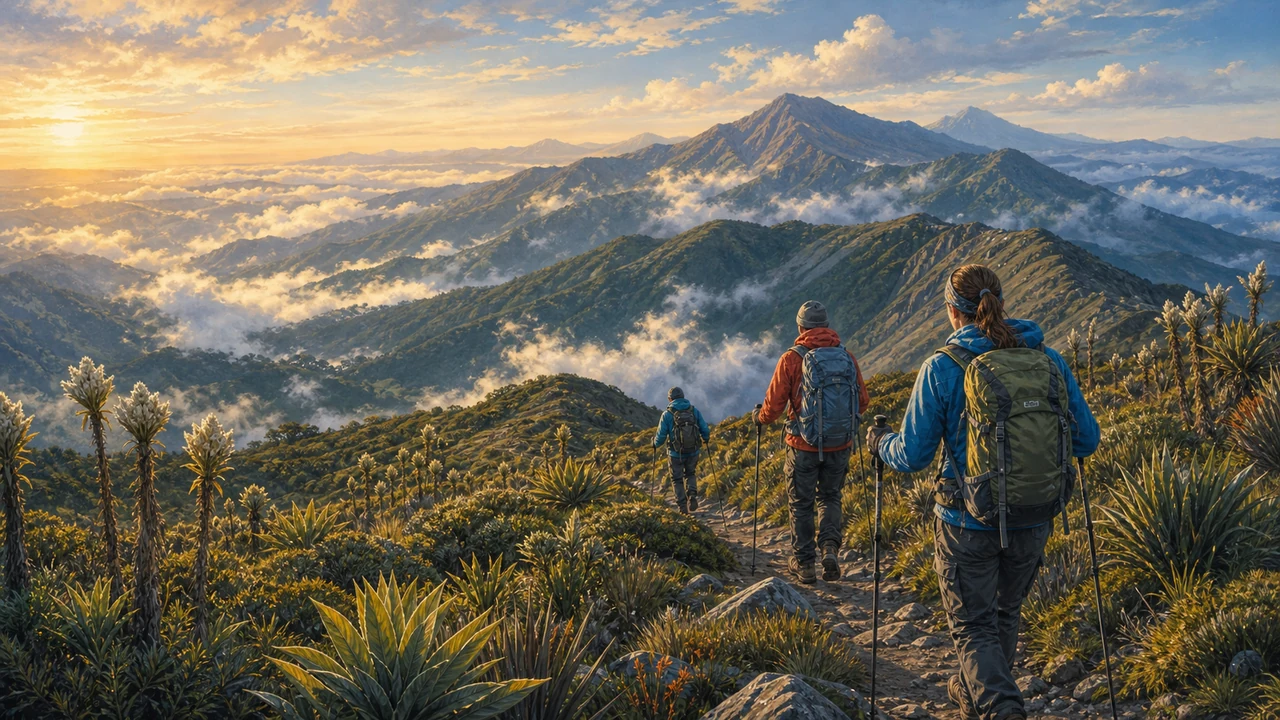 A roughly 90-minute drive south of San José on the Pan-American Highway brings you to the páramo zone around Cerro de la Muerte, sitting above 2,800 meters in an alpine-style climate. The rock quality here is marginal, but the crags are highly accessible — several top-rope lines sit just off the road near communication towers and are often used by local rescue-training groups. The dry season (roughly December through April) is noticeably better at this elevation, where clouds, wind, and moisture are year-round realities. It is not a destination for hard climbing, but a convenient warm-up area if you are already headed toward the Chirripó corridor.
The Crestones at Chirripó: Costa Rica’s Premier Climbing Objective
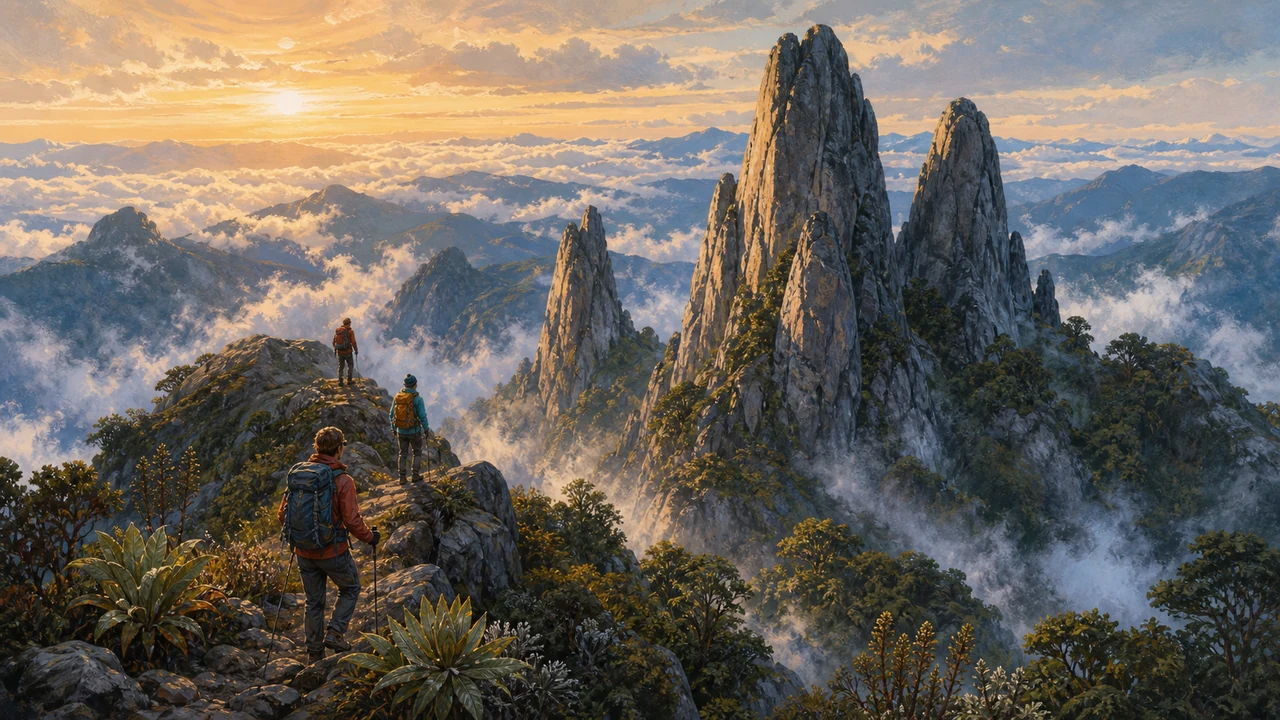
For serious climbers visiting Chirripó National Park, the Crestones — a dramatic rock formation near the summit of Costa Rica’s highest peak — offer the country’s most committing climb. Reaching the spire requires an eight-hour hike to the refuge at the high camp, followed by another 45-minute ascent to the base of the formation. The main route on the spire follows the less-steep face at a moderate grade, though the final moves to the summit are the crux and the protection is widely spaced. Loose rock exists throughout; move carefully and test holds before committing weight.
Anchor webbing at the top has been supplemented over the years, but supply extras — this is a seldom-visited route and fixed gear degrades in the tropical-alpine environment. You will need to obtain permission from park rangers at San Gerardo before climbing the spire; arriving with a professional guide and a clear explanation of your experience and equipment considerably smooths that conversation.
The Chirripó experience is more than a climbing trip — the panorama from the summit area, the unique páramo ecosystem, and the sense of remoteness make it an outstanding trekking in Costa Rica objective even for visitors who do not climb the spire itself.
Indoor Gyms and the Local Climbing Community
 The Club Costarricense de Alpinismo (Costa Rican Mountaineering Club) is the hub of organized climbing in the country. The club maintains an artificial climbing wall used for competitions, training sessions, and public events, and members are typically the best source of current beta on outdoor areas — route conditions, seasonal access, and any recent development. Several commercial gyms in the San José metro area also have bouldering walls and lead climbing sections, providing solid training terrain during the May-to-November rainy season when outdoor rock stays wet.
Connecting with local climbers before your trip pays dividends: approach trails are not always well-marked, crag conditions change after heavy rain, and some areas benefit from someone who knows which routes are in shape.
What to Expect as a Visiting Climber
Rock climbing in Costa Rica for foreign visitors works best when you arrive with realistic expectations and flexible plans. The crags are genuine — the routes are real, the rock is climbable, and the settings are often spectacular — but the infrastructure is limited compared to established climbing destinations in Europe or North America. There are no climbing shops at the crag, no printed guidebooks widely available outside the local community, and no bolted roadside cliffs that you can walk up to from a parking lot.
Bring a complete rack, your own rope, and enough hardware to build anchors independently. A 60-meter rope handles the longest pitches. Approach trails to most areas are steep and can be muddy; trail runners or approach shoes work better than heavy boots. The dry season (December–April on the Pacific side) gives the most reliable conditions for outdoor climbing across all areas.
The adventure activities in the Arenal region offer a complementary agenda for active travelers — rappelling in Costa Rica, canyoning, and kayaking all pair well with climbing days and are widely available through tour operators. For a broad overview of what the country offers active visitors, see Costa Rica activities and sports.
Practical Tips for Climbers
- Best season: December through April for all Pacific-facing and high-altitude areas. Caribbean-side weather is less seasonal but generally wetter.
- Guided options: Several adventure tour operators based in San José offer guided rock climbing excursions to the Aserrí crag and surrounding areas — a practical choice for solo travelers or those without a local contact.
- Chirripó permits: Entry to Chirripó National Park requires an advance reservation through the national parks system; spots fill up, especially in dry season. Budget at least two days for the Crestones objective.
- Gear: No climbing-specific retail shops at the crags. Bring everything from home. Basic hardware is available in San José if you need to replace a piece.
- Language: Most locals who know the crags are bilingual or speak some English, but basic Spanish helps enormously on approach trails and with rangers.
- Safety: Tell someone your planned route and expected return time. Cell coverage is unreliable at Cerro de la Muerte and nonexistent at Chirripó. Costa Rica’s emergency number is 911.
Costa Rica rewards the climber willing to do a little homework. The routes may be fewer than in a classic destination, but the combination of jungle approaches, volcanic basalt, and the Chirripó spire against a backdrop of páramo grassland makes for climbing experiences unlike anywhere else in Central America. Pair it with the country’s extraordinary ecotourism and nature scene and you have a trip that delivers on every front.
Frequently asked questions
Is rock climbing popular in Costa Rica?
Rock climbing exists but is niche compared to activities like zip-lining or white-water rafting. The country has a small, dedicated local climbing community and a handful of outdoor crags accessible to visitors, with indoor gyms in the San José metro area for those who prefer a controlled environment.
What are the main outdoor climbing areas in Costa Rica?
The three best-known outdoor areas are the Aserrí crag south of San José (bolted sport routes), the Río Oro basalt canyon near Santa Ana (crack climbing), and the Crestones spire at Chirripó — a full backcountry objective requiring an overnight hike. Cerro de la Muerte also has accessible top-rope crags along the Pan-American Highway.
Do I need a guide to climb in Costa Rica?
For the San José-area crags experienced climbers can visit independently, though local knowledge greatly helps with approach trails and route conditions. The Crestones at Chirripó require a park permit, overnight stay at the refuge, and permission from rangers — joining a guided trip is strongly recommended for that objective.
What gear should I bring for climbing in Costa Rica?
Bring your full rack: a set of cams and nuts for crack routes, quickdraws for bolted sport routes, and extra webbing for anchors on seldom-visited spires. A 60-meter dry-treated rope handles most pitches. Approach shoes double as hiking footwear on the steep jungle trails to the crags.
Are there indoor climbing gyms in Costa Rica?
Yes. The Club Costarricense de Alpinismo (Costa Rican Mountaineering Club) operates an artificial climbing wall and organizes competitions and events. Several commercial gyms in the greater San José area also have bouldering and lead walls — a good option when rainy-season conditions make outdoor crags slick.