Top Attractions in Costa Rica's Caribbean Region
Costa Rica’s Caribbean coast packs a remarkable range of experiences into a single region — from sea turtle nesting beaches and labyrinthine jungle canals to reggae-soundtracked beach towns and rich Afro-Caribbean food traditions. Limón province, which stretches from the Nicaraguan border down to Panama, shelters some of the country’s most biodiverse national parks and its most culturally distinct communities, making it a destination unlike anywhere else in Costa Rica.
Puerto Limón: Gateway to the Caribbean
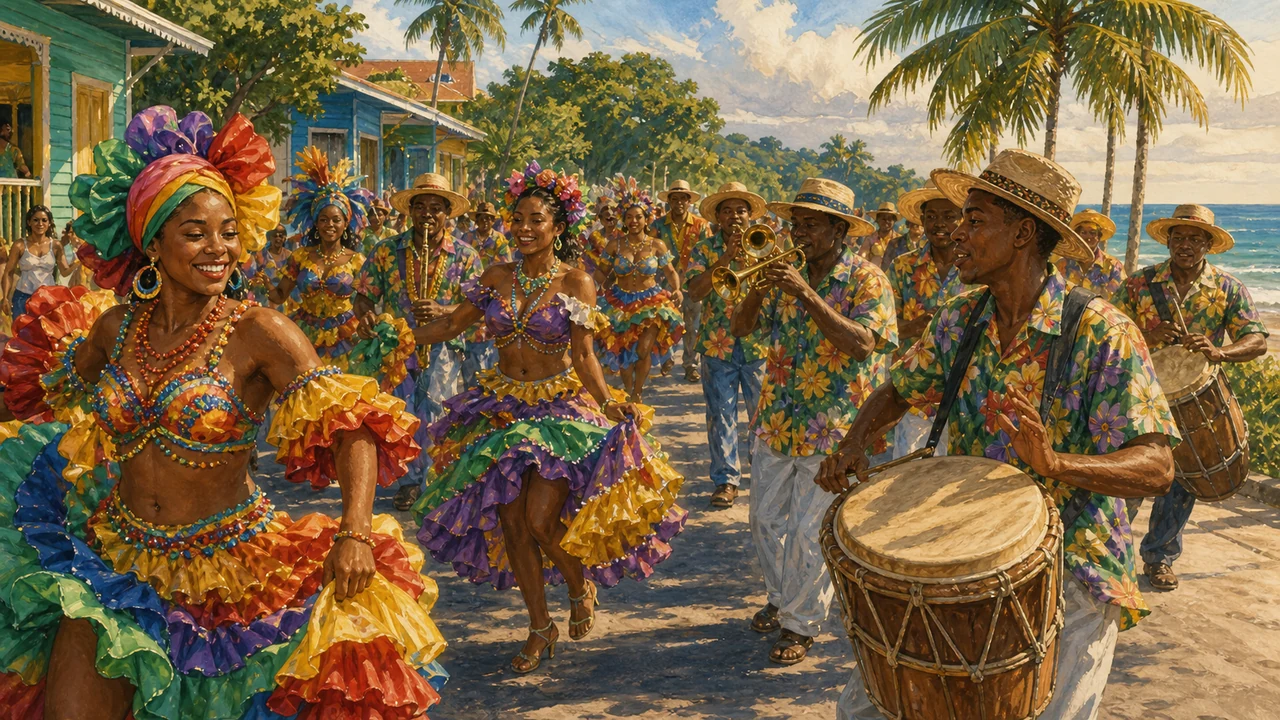 Limón city serves as the provincial capital and the region’s main port. Its history is closely tied to the Antilles — Jamaica in particular — and that heritage is palpable in the architecture, the Creole English spoken by many residents, and the food sold in markets and small diners near the waterfront. The most dramatic time to visit is the week around October 12th, when the city hosts its annual Caribbean Carnival, a week-long celebration of calypso and reggae music, vivid costumes, dancing, and parade floats that draws visitors from across the country.
For most travelers, Limón is a transit hub rather than a destination in itself. Bus connections and boat routes radiate out toward Tortuguero to the north and the southern beach towns like Cahuita and Puerto Viejo. That said, the city’s Parque Vargas — a shaded plaza overlooking the port — and its busy central market are worth an hour of your time.
Tortuguero: Canals, Jungles, and Sea Turtles
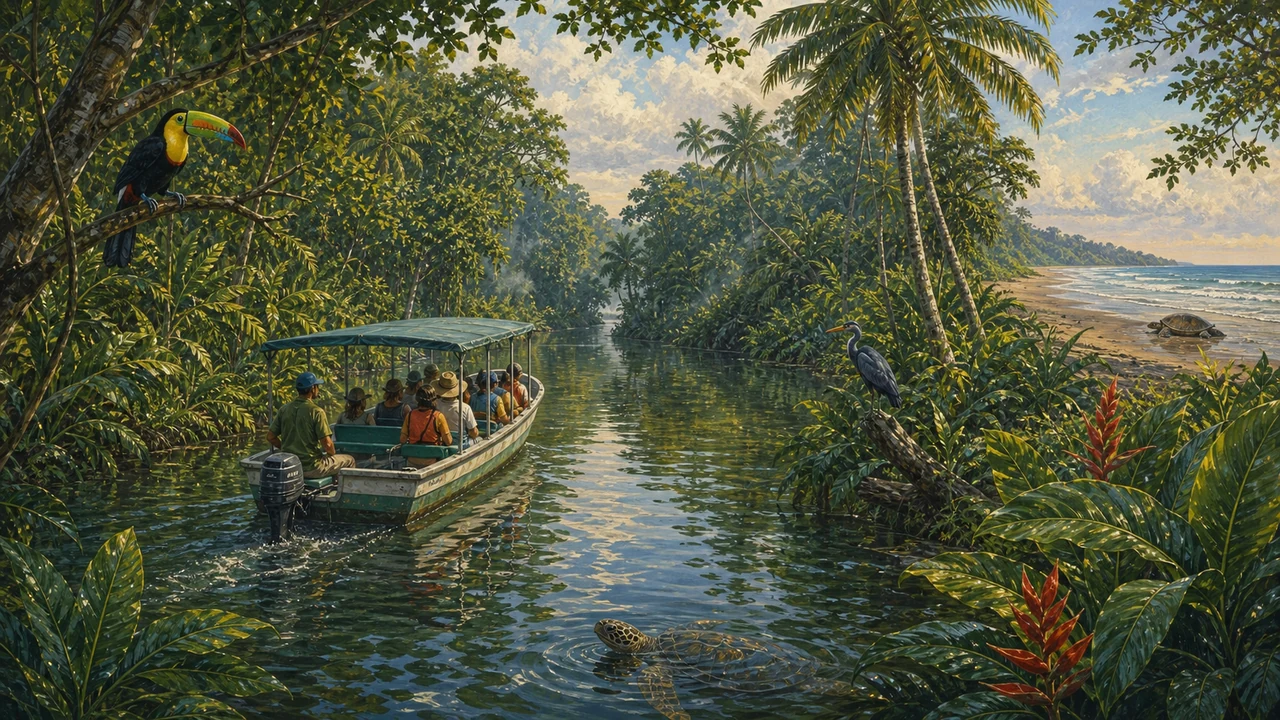 Tortuguero National Park is one of Costa Rica’s most iconic destinations and the primary reason most visitors head to the northern Caribbean. Covering nearly 19,000 hectares of beach, rainforest, and wetlands, the park was established primarily to protect green sea turtle nesting beaches — among the most important in the Western Hemisphere. Leatherback and hawksbill turtles also nest here in smaller numbers, and guided night beach walks during nesting season are among the most memorable wildlife experiences in the country.
Getting here is part of the adventure. Tortuguero has no road access — you arrive by boat through a network of natural and man-made canals lined with dense jungle, or by small charter plane. Those canal journeys themselves are excellent wildlife-watching opportunities: look for caimans sunning on logs, great green macaws overhead, river otters, three-toed sloths hanging from riverside trees, and several species of heron fishing from the banks. The small village of Tortuguero has lodges, guides, and basic services for overnight visitors.
Cahuita: Coral Reefs and a Laid-Back Beach Town
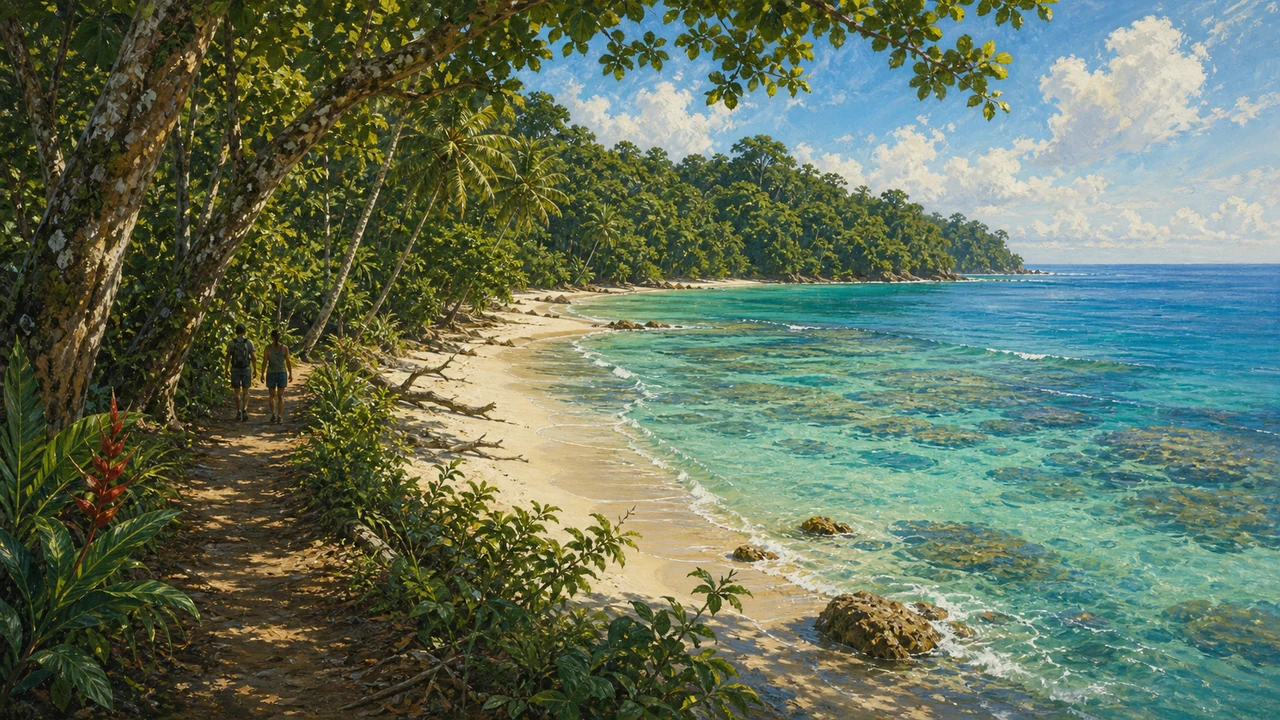 South of Limón, the first major stop is the village of Cahuita — a relaxed, colorful Caribbean town where the pace slows considerably and the cultural character shifts distinctly away from the Central Valley. Reggae drifts out of open-air bars, fresh seafood is the staple of the local restaurants, and the vibe is easy and welcoming.
Cahuita National Park begins at the southern edge of the village. Its 5,300 hectares protect one of the most accessible coral reef systems in Costa Rica, set just offshore in calm, shallow water ideal for snorkeling. The reef is home to hundreds of species of fish — angelfish, blue parrotfish, barracuda, stingrays — plus sea urchins, sea fans, brain coral, and elkhorn coral colonies. Behind the beach, a trail through coastal rainforest is an easy walk that turns up howler and white-faced capuchin monkeys, armadillos, and a rich variety of birds.
Just north of the village center, Black Beach (Playa Negra) stretches for several kilometers — its dark volcanic sand a dramatic contrast to the white-sand beaches inside the park. It’s a quieter spot popular with both locals and visitors who want to escape the crowds.
Puerto Viejo, Punta Uva, and Manzanillo
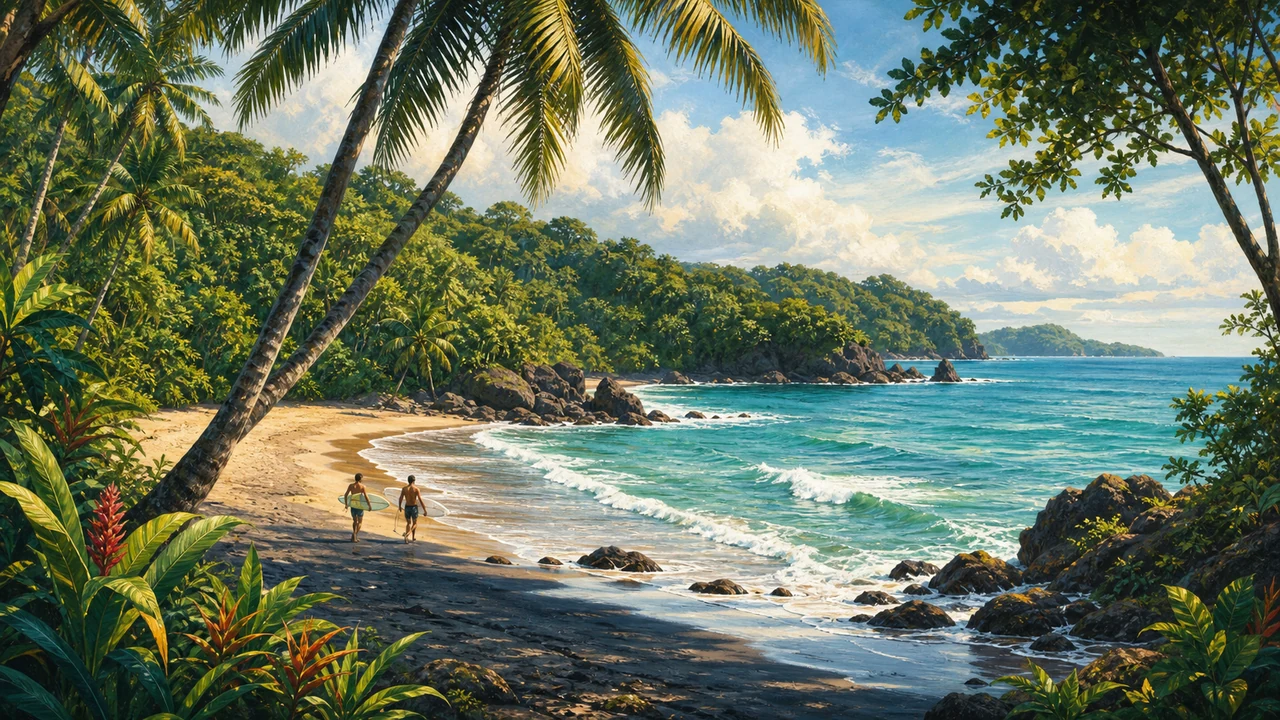 Continuing south from Cahuita, Puerto Viejo de Talamanca is the southern Caribbean’s social hub — a small, lively town with a strong surf culture, excellent restaurants, and a nightlife scene that reflects its mix of Afro-Caribbean, indigenous Bribri, and international influences. The offshore break known as Salsa Brava is one of the heaviest reef breaks in Central America and draws serious surfers from around the world, though the town has plenty to offer travelers who never touch a board.
The road south of Puerto Viejo is one of the most scenic short drives in Costa Rica, passing through a series of beaches that rank among the country’s most beautiful. Playa Cocles, Playa Chiquita, and Punta Uva each offer calm, clear Caribbean waters ideal for swimming and kayaking, with small hotels and local restaurants tucked in between the palms. The road ends at Manzanillo, a quiet village at the edge of the Gandoca-Manzanillo Wildlife Refuge — a protected zone of beach, mangrove, and coral reef where dolphins are frequently spotted offshore and leatherback turtles nest on the beach.
Afro-Caribbean Culture and Cacao Tours
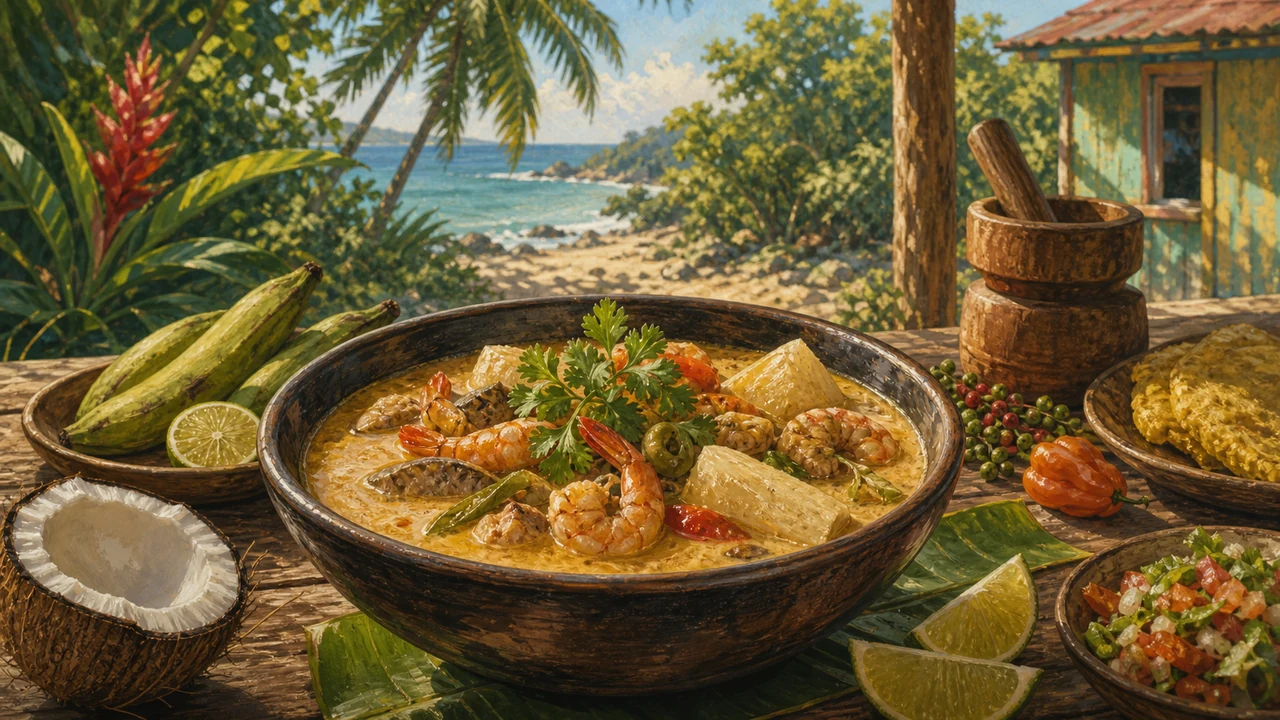 The southern Caribbean is one of the few places in Costa Rica where you can experience a living Afro-Caribbean cultural tradition that predates modern tourism. The descendants of Jamaican and Antillean workers who arrived in the late 19th century to build the Atlantic Railway and work the banana plantations maintained their language, their food customs, and their music through decades of relative isolation from the rest of the country.
Local cuisine reflects that heritage: rice and beans cooked in coconut milk (not the Pacific-style gallo pinto), rondon stew, pan bon bread, and spiced patties are staples you won’t find the same way anywhere else in Costa Rica. Community-based cultural tours operate in and around Puerto Viejo, offering introductions to traditional cooking, Creole English, and local history that go well beyond surface-level tourism. Rural tourism in the Caribbean coast connects visitors with indigenous Bribri communities in the Talamanca mountains, where traditional cacao cultivation and chocolate-making tours have become one of the region’s signature experiences.
Wildlife Sanctuaries and the Veragua Rainforest
North of Limón, the Veragua Rainforest Research and Adventure Park offers a more structured nature experience — aerial trams through the forest canopy, guided night walks, and a living butterfly vivarium and insect exhibition. It’s a good option for families or travelers who want rainforest access without an overnight jungle expedition.
Closer to Cahuita, the Aviarios Sloth Sanctuary provides rehabilitation and care for injured and orphaned sloths, and its guided tours give visitors a close look at both two-toed and three-toed species. Hitoy-Cerere Biological Reserve, inland from the coast in the Estrella Valley, protects some of the most pristine and least-visited rainforest in the country. Its name combines indigenous words meaning “wooly” (for the green moss covering everything) and “water” (for the many rivers running through it). The reserve is dense, wet, and genuinely wild — best suited to experienced hikers with a local guide.
Planning Your Caribbean Visit
The Caribbean coast is accessible from San José in roughly two to three hours by car or bus via the Braulio Carrillo highway. Costa Rica travel tips are worth reviewing before you go — the Caribbean has its own weather patterns, cultural norms, and logistical quirks compared to the Pacific side. Costa Rica’s national parks system protects large stretches of the coast, and visiting them requires only a modest park entrance fee paid at the gate. For the full picture of what makes this country worth the trip, see why visit Costa Rica.
Frequently asked questions
What is the best time to visit the Caribbean coast of Costa Rica?
Unlike the Pacific, the Caribbean coast has a different rain pattern — September and October are generally the driest months. The region receives rainfall year-round, which keeps it lush but means you should pack a light rain jacket regardless of when you visit.
How do I get to Tortuguero National Park?
Tortuguero is accessible only by boat or small plane. Most visitors take a bus from San José to the Cariari area, then connect by boat through the canals. Alternatively, charter flights depart from Tobías Bolaños Airport in Pavas or from the airstrip near Limón.
Is Cahuita National Park good for snorkeling?
Yes — Cahuita protects one of the most accessible coral reefs in Costa Rica. The waters around Punta Cahuita are calm and shallow, making them ideal for beginner and experienced snorkelers alike. Reef health varies seasonally, so conditions are best when seas are calm.
What is Salsa Brava and where is it?
Salsa Brava is one of the heaviest reef breaks in Central America, located off the point at Puerto Viejo de Talamanca. It produces powerful, fast waves that break over a shallow coral reef and is best suited to experienced surfers.
Are there sloth sanctuaries or wildlife rescue centers near Puerto Viejo?
Yes. The Aviarios Sloth Sanctuary near Cahuita is a well-known rehabilitation center for two- and three-toed sloths. Several smaller wildlife rescue operations and guided nature tours also operate in the Talamanca corridor between Cahuita and Manzanillo.