Las Musas Waterfall Reserve — San Ramón's Hidden Gem
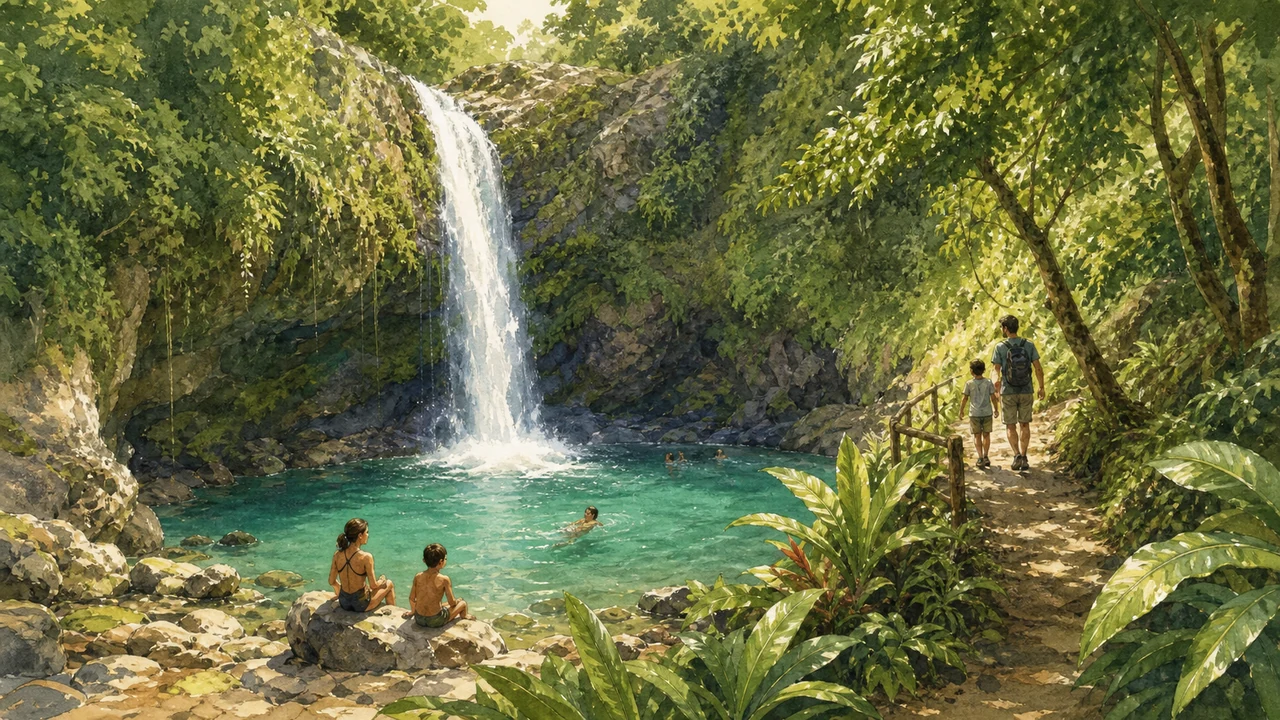 Las Musas, a hidden waterfall nature reserve near San Ramón, offers one of Costa Rica’s most rewarding off-the-beaten-path experiences — a 60-meter cascade, jungle hiking trails, and a community-owned green space that has sheltered this corner of the Central Valley for over a century. Travelers racing between San José and the Pacific beaches or Arenal Volcano routinely bypass San Ramón, just 65 kilometers (40 miles) west of the capital — and in doing so, miss this quiet natural treasure.
The people of San Ramón have visited Las Musas for generations; the area was home to Huetar Indigenous communities long before Spanish settlement. That deep, unbroken relationship with the land is part of what makes it feel authentic rather than staged.
The Star of the Show: A 60-Meter Waterfall
The centerpiece of Las Musas is its waterfall — a majestic column of water plunging roughly 60 meters (197 feet) off the mountain and crashing into a natural catch basin before draining into the Barranca River, one of the country’s most significant waterways flowing toward the Pacific. The falls are visible from virtually everywhere in the park, and the mountain panorama on the western horizon adds to the drama at every turn.
The reserve itself covers about 20 hectares (49 acres) and has been deliberately kept close to its original natural state. This is living ecotourism done right: visitor facilities exist, but they are designed to blend in rather than take over.
Hiking the Trails
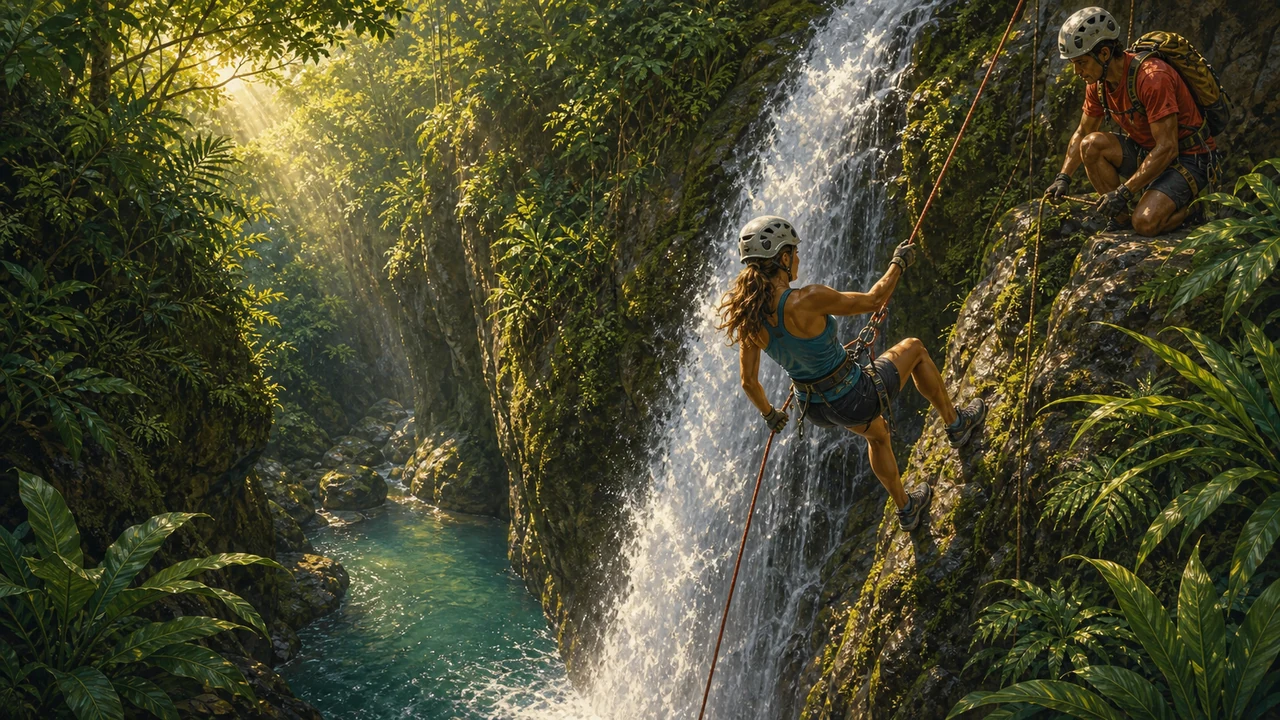 Three distinct trails allow visitors to experience the reserve at their own pace and fitness level.
Trail to the top of the waterfall — The most demanding of the three, this path climbs gradually through forest so dense the overhead branches close into natural tunnels above your head. Reaching the crest rewards hikers with a perspective on the falls that few visitors see. Wear boots or non-slip shoes; the terrain can be slippery after rain.
Riverside walk — A gentler one-kilometer (0.6-mile) path begins behind the changing rooms, crosses the river, and follows the shoreline for a scenic, shaded stroll. This is an excellent choice for families or visitors who prefer a flat walk.
Trail to the base of the falls — This is the one not to miss. A well-maintained, graded walkway leads to the foot of the cascade, where the force of the water is physically felt — the air turns cool and misty, wildflowers line the rocky edges of the catch basin, and a natural grotto to the left of the falls was carved over centuries by the waterfall’s spray. It is immediately clear why San Ramón’s 19th-century literary community — poets, essayists, and thinkers who earned the city its nickname “City of Poets” — found their inspiration here.
Family Recreation Area
 The recreation zone sits within the natural basin so it feels like part of the landscape rather than a bolt-on. Facilities include a large swimming pool, a 60-meter spiral waterslide, a shallow pool for young children, soccer fields, a volleyball court, and a playground. Shaded picnic tables, benches, bathrooms, dressing rooms with showers, and a check-in office round out the practical amenities.
A small soda (casual Costa Rican eatery) operates during the dry season — roughly December through April — serving classic Tico staples such as gallos and arroz con pollo. Outside of those months, or if you prefer a guaranteed meal, bringing snacks or lunch from San Ramón town is a sound plan. The best time to visit Las Musas for full facilities is during the dry season, though the waterfall is most powerful and dramatic after the rains that run from May through November.
Sustainable Tourism and Conservation History
Las Musas is managed by a local cooperative formed in 1967 with a single purpose: to protect the waterfall and the surrounding forest from development. They named the reserve Las Musas — “The Muses” — acknowledging the creative force that this landscape has exercised on the region’s artistic and literary heritage for generations.
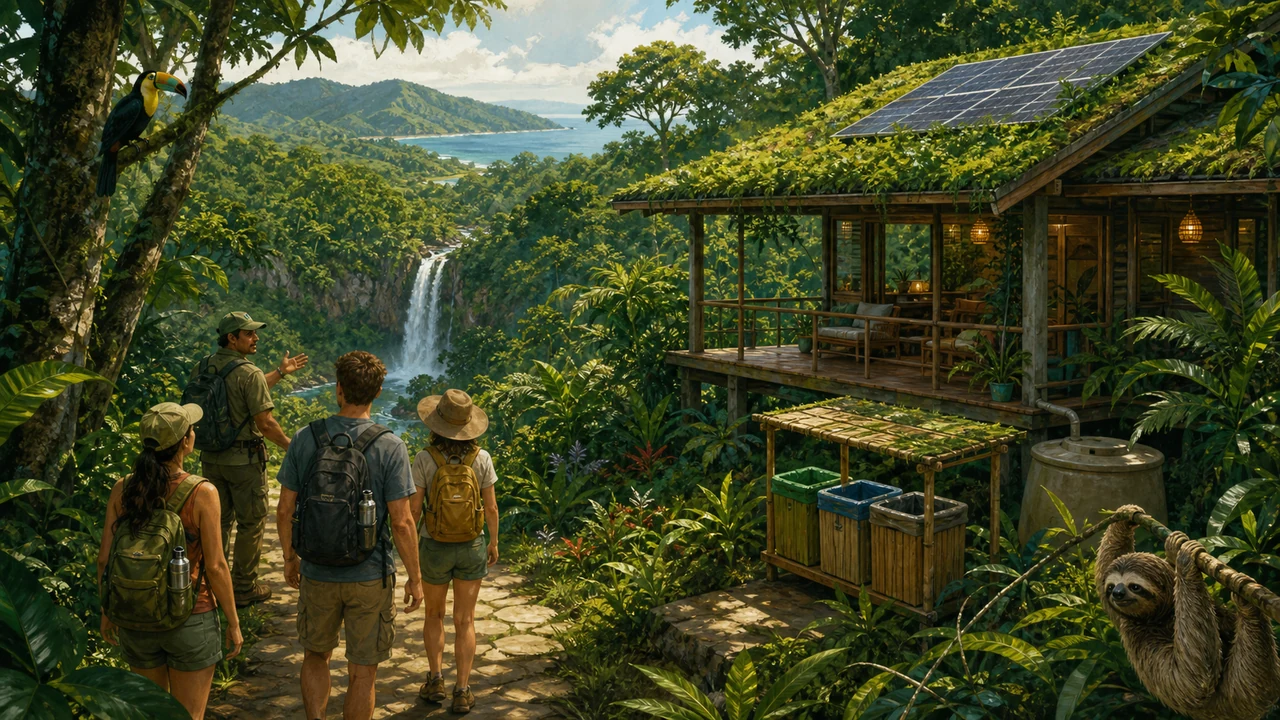
That conservation ethos is visible in every detail. Recycling stations are clearly marked throughout the park. The pools and playing fields are positioned and maintained to minimize their footprint on the natural area. This community-led model is a strong example of the sustainable tourism in Costa Rica that has become a hallmark of the country’s approach to nature-based travel. Costa Rica protects more than 25% of its national territory, and community-managed reserves like Las Musas complement the formal national parks and protected areas network by keeping local communities at the center of conservation decisions.
Cultural Context: San Ramón, City of Poets
San Ramón’s literary identity is inseparable from the natural beauty that surrounded its 19th-century thinkers. The town’s regional museum, housed in the old municipal palace, and the nearby José Figueres Historic and Cultural Center both make worthwhile stops before or after a visit to Las Musas. Together, the cultural and natural attractions add up to a full-day itinerary that most passing travelers never discover.
Getting There
 Las Musas is approximately six kilometers from central San Ramón — a quick drive even on winding mountain roads. Two routes work well:
- From the south side of San Ramón’s main church, take the road toward Piedades Sur, past the University of Costa Rica campus, and follow the posted signs.
- Alternatively, take the road toward Comunidad de Cataratas from San Ramón and follow the signs to Las Musas.
Regular bus service does not run directly to the reserve from San Ramón, but local taxis from downtown make the trip. The park office can also arrange a taxi for the return journey when needed. If you are arriving from San José, the drive along the Inter-American Highway to San Ramón takes roughly an hour depending on traffic — a very manageable day trip from the capital or a natural stop en route to the Pacific or the Arenal area.
For broader travel tips for Costa Rica — including road conditions, currency, and getting around — check the travel section of this site. The country’s currency is the Costa Rican colón (CRC), though US dollars are widely accepted at most tourism-oriented businesses.
Why Las Musas Belongs on Your Itinerary
Waterfall hiking in Costa Rica’s Central Valley is far less crowded than the well-publicized falls near popular resort areas, and Las Musas delivers an experience that feels genuinely local. The combination of a spectacular waterfall, community conservation, family-friendly recreation, and easy access from San José makes it a rare find: somewhere that rewards the curious traveler willing to turn off the main road.
If Las Musas is your introduction to Costa Rican ecotourism and nature, you will leave understanding exactly why the country has built its global reputation on protecting what it has. And if you are already a convert, this quietly extraordinary reserve will only deepen that appreciation.
For more ways to explore the country’s natural side, browse Costa Rica’s national parks and protected areas or dive into the full range of activities and outdoor adventures available across the country.
Frequently asked questions
Where exactly is Las Musas located?
Las Musas is about six kilometers from downtown San Ramón, a town roughly 65 kilometers (40 miles) west of San José on the Inter-American Highway. From San Ramón, follow signs toward Piedades Sur or Comunidad de Cataratas — signs guide you the rest of the way.
How tall is the Las Musas waterfall?
The main waterfall drops approximately 60 meters (about 197 feet) off the mountain and flows into a natural catch basin before joining the Barranca River, one of Costa Rica's key waterways to the Pacific coast.
What trails are available at Las Musas?
There are three trails. One leads to the top of the waterfall through dense forest tunnels (sturdy shoes required). A second follows the riverbank for about one kilometer. The third — and most popular — is a gentle, well-graded path to the base of the falls where visitors can feel the mist.
Is Las Musas good for families with young children?
Yes. The recreation area includes a large swimming pool, a spiral waterslide, a shallow pool for toddlers, soccer fields, volleyball courts, and a playground — all set within the natural basin so they blend with the surroundings.
Is Las Musas an eco-friendly attraction?
Absolutely. The reserve is managed by a local cooperative founded in 1967 to protect the waterfall and surrounding forest from development. Recycling bins are clearly marked, and the facilities are designed to intrude as little as possible on the natural environment.