Playa Blanca & Playa Virador — Culebra Bay Beaches
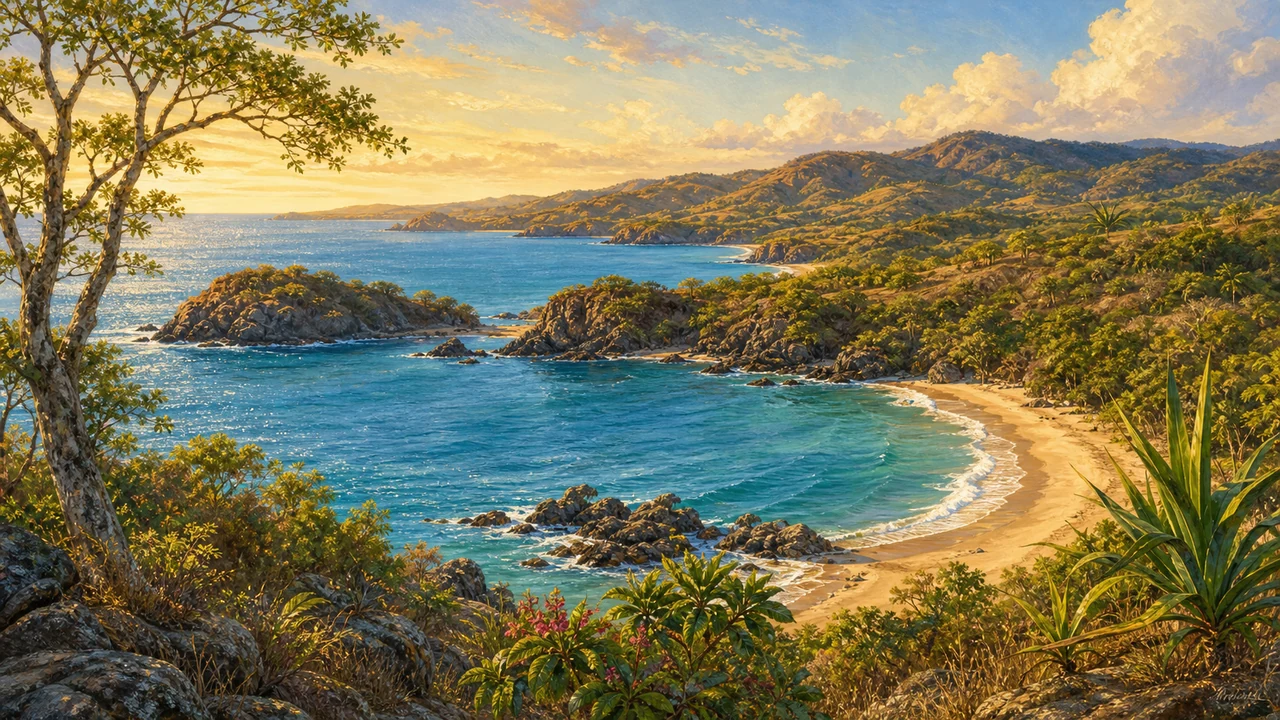
Playa Blanca and Playa Virador are two of Guanacaste’s most quietly rewarding beaches — secluded white-sand coves in Bahía Culebra with calm, crystalline water that feels more Caribbean than Pacific. Tucked inside the Gulf of Papagayo near Punta Mala, they offer the kind of unhurried beach experience that the north Pacific does best, without the crowds of more established resort shores.
Playa Blanca — 960 Meters of White Sand
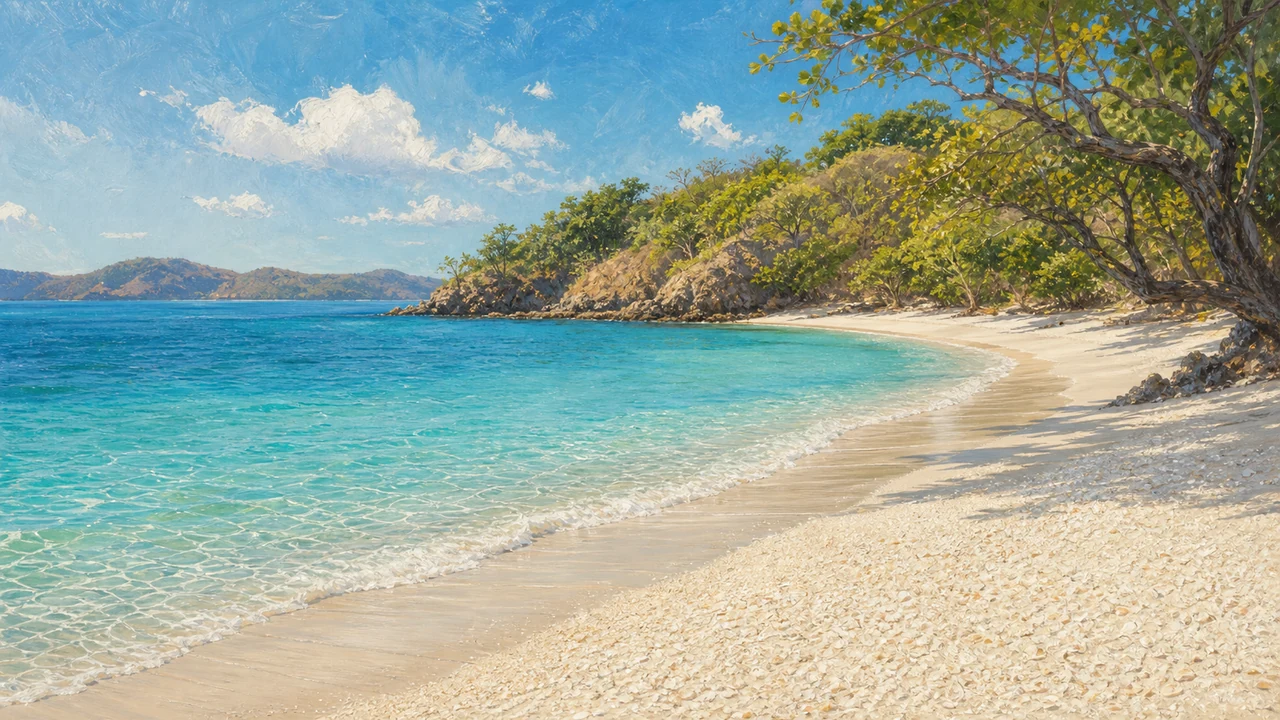
Playa Blanca stretches roughly 960 meters along the inner arc of Bahía Culebra, facing east toward the sheltered bay. The name says it all: the sand is pale and fine, and the waters hold the deep turquoise clarity that makes Costa Rica’s north Pacific beaches so compelling in the dry season.
The beach sits within the Gulf of Papagayo tourism development zone, a planned corridor of resort properties, marinas, and infrastructure along the northern Guanacaste coast. Despite that context, Playa Blanca retains a low-key character. From the shoreline you have an unobstructed view across the bay toward Playa Monte del Barco and Playa Chorotega — a reminder of just how many quality beaches are packed into this compact stretch of coastline.
Swimming conditions at Playa Blanca are generally excellent. The bay orientation blocks the open-ocean swell that can roughen exposed Pacific beaches, and the water tends to stay clear and calm throughout much of the year, particularly during the dry season (December through April).
Playa Virador — A Natural Cove for Diving and Snorkeling
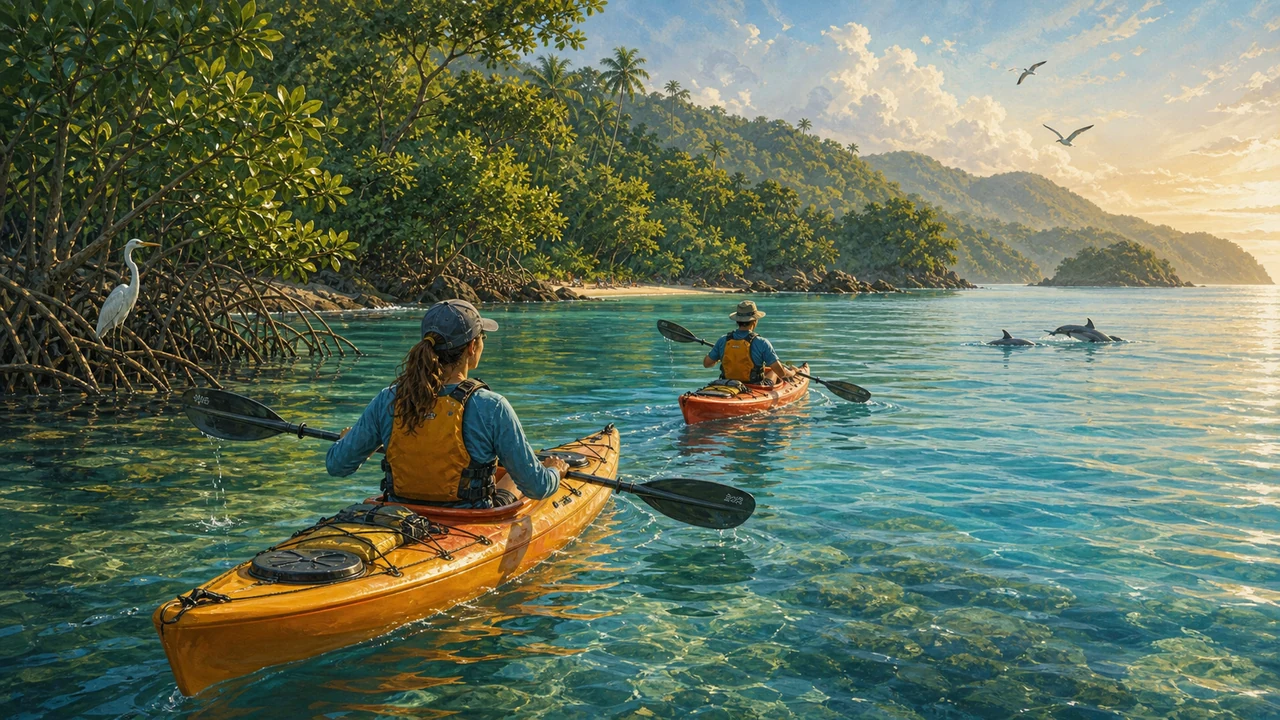
Playa Virador lies adjacent to Playa Blanca, and together the two beaches form a narrow natural land bridge connecting the main shoreline to Punta Mala. This configuration gives Virador its distinctive feel: the cove is compact and well-protected, with the kind of still, clear water that rewards anyone who brings a mask and fins.
Snorkeling and shallow diving at Playa Virador can reveal healthy reef structures and a variety of tropical marine life typical of the Gulf of Papagayo. The bay’s relatively calm conditions make it accessible for beginners, while the clarity and underwater topography keep experienced divers interested. For guided diving excursions in the wider area, sailing in Papagayo Gulf is a popular option that departs from nearby marinas.
The beach itself is small and intimate — white sand backed by dry tropical forest, quiet in a way that the larger resort beaches along the Papagayo Peninsula can rarely match.
Getting There
The nearest international gateway is Daniel Oduber International Airport (LIR) in Liberia, which receives direct flights from major North American cities and puts the Papagayo area within 30–40 minutes by road. Travelers arriving via San José use Juan Santamaría International Airport (SJO) and face a drive of roughly four hours to reach the north Pacific coast.
Access to Playa Blanca and Playa Virador follows roads through the Papagayo tourism zone. A 4WD vehicle is advisable, especially during the rainy season (May through November) when unpaved sections can become difficult. Arriving by boat from one of the nearby marina facilities is an enjoyable alternative that avoids road access altogether.
Best Time to Visit

Guanacaste follows a well-defined dry season from December through April, when sunny skies and calm Pacific waters make Playa Blanca and Playa Virador at their most picture-perfect. Ocean visibility for snorkeling and diving is typically at its best during this period.
The green season (May–November) brings afternoon rains that cool the air and restore the lush tropical vegetation inland. The beaches remain swimmable on most days, mornings are often clear, and visitor numbers drop substantially — which can be a genuine advantage for those who value solitude. Guanacaste is one of the driest regions in Costa Rica year-round, so even wet-season days rarely see all-day rain.
The north Pacific coast’s consistent sunshine — more than anywhere else in the country — makes it one of the safest bets for a guaranteed beach day.
What to Do Nearby
Playa Blanca and Virador are ideal bases for a quieter day at the beach, but the Gulf of Papagayo area offers considerably more:
- Snorkeling and diving — the calm, clear waters of Bahía Culebra are among the most accessible dive environments on the Pacific coast
- Sport fishing — the Gulf of Papagayo is productive year-round; fishing in Costa Rica ranges from inshore to offshore big-game species
- Sailing and boat tours — catamarans and day-sail operators depart regularly from the Papagayo Peninsula for sunset cruises and island excursions
- Kayaking — sea kayaking through Bahía Culebra’s sheltered waters lets you explore smaller coves and rock formations at your own pace
- Wildlife — the dry forest backing these beaches supports white-faced capuchin monkeys, howler monkeys, iguanas, and a wide variety of coastal birds
For a broader picture of what the region offers, the Guanacaste adventure guide covers the full range of activities across the province.
Practical Tips
- Bring everything you need. Playa Blanca and Virador have no permanent vendors or facilities. Water, snacks, sunscreen, and snorkel gear should come with you.
- Sun protection is essential. Guanacaste’s dry-season sun is intense. Reef-safe sunscreen is the environmentally responsible choice.
- Tide awareness. The natural bridge connecting the beaches to Punta Mala can be affected by tides. Check conditions before exploring on foot.
- Respect the environment. These are relatively undisturbed beaches within a zone where development pressure is real. Pack out everything you bring in.
- Currency. The Costa Rican colón is the official currency; US dollars are widely accepted in tourist areas. Emergency number is 911.
For general planning, the Costa Rica travel tips page covers entry requirements, getting around, and practical day-to-day advice. The full range of Costa Rica beaches gives context for how Playa Blanca and Virador compare to options across the Pacific and Caribbean coasts.
Frequently asked questions
Where exactly are Playa Blanca and Playa Virador located?
Both beaches sit inside Bahía Culebra (Culebra Bay) in northern Guanacaste, near Punta Mala on the Gulf of Papagayo. They are part of the broader Papagayo tourism project zone, a short drive or boat ride from the Papagayo Peninsula resort corridor.
Are Playa Blanca and Playa Virador good for swimming?
Yes. Both beaches are set in protected coves with calm, clear water — ideal conditions for swimming, snorkeling, and casual diving. Virador in particular is sheltered enough for children and less experienced swimmers.
How do I get to Playa Blanca and Playa Virador?
The nearest international airport is Daniel Oduber International Airport (LIR) in Liberia, roughly 30–40 minutes away by car. A 4WD vehicle is recommended for the final access road, especially in the wet season. Some visitors arrive by boat from nearby marinas in the Papagayo area.
Are there facilities at these beaches?
Playa Blanca and Playa Virador are relatively undeveloped compared to the resort beaches nearby, which is much of their appeal. Bring water, sunscreen, and snacks. Services are available at hotels and resorts in the wider Papagayo zone a short distance away.
What other beaches are nearby?
From Playa Blanca you can see Playa Monte del Barco and Playa Chorotega across the water. The Papagayo Peninsula and its resort beaches are also close by, offering a full range of amenities when you want them.