Sailing in the Gulf of Papagayo, Guanacaste
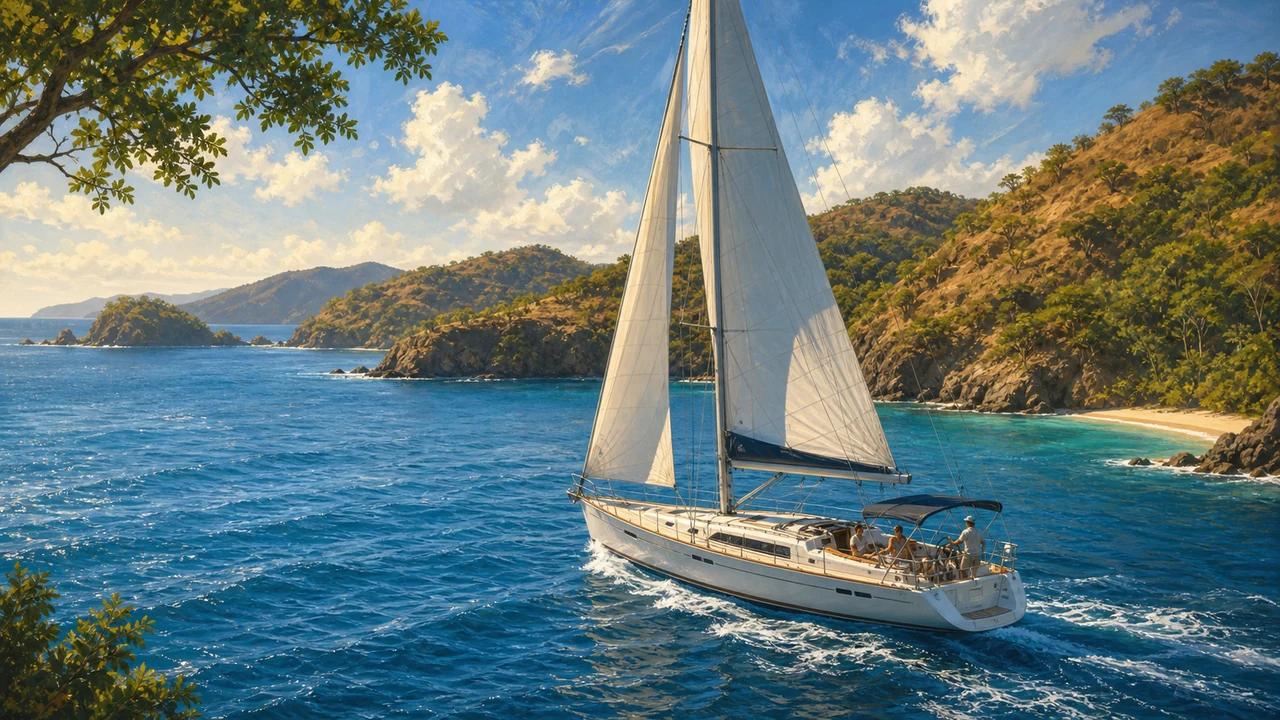 The Gulf of Papagayo catamaran day sail is one of Guanacaste’s signature experiences — a wide, sheltered bay rimmed by volcanic headlands and pale-sand coves that feels made for life on the water. Whether you join a crewed morning coastal tour, a full-day snorkeling excursion, or a slow sunset cruise heading offshore, the gulf rewards you with warm Pacific swells, extraordinary wildlife, and a pace of life that makes the stresses of ordinary routine feel very far away.
The gulf sits at the northern tip of Guanacaste, sheltered from the open ocean by the Papagayo Peninsula. That geography — combined with the trade winds that funnel down from the north during the dry season — creates consistently good sailing conditions and water that stays calm enough for comfortable snorkeling most of the year.
Morning Coastal Sails: Coves, Wildlife, and Snorkeling
 Early morning departures are the most rewarding on the gulf. The air is cool, the light is golden, and the wildlife is active. Catamaran snorkeling tours in Guanacaste typically depart from a marina or resort dock by 8 a.m. and spend two to three hours reaching a succession of sheltered coves before anchoring for snorkeling. The crew provides masks, fins, and flotation vests, and if conditions allow, the captain selects spots where you can expect to find parrotfish, sea turtles, moray eels, and rays drifting across the sandy bottom.
Along the way, the show above the waterline is just as good. Dolphin encounters on Gulf of Papagayo sailboats are common — pods of spinner and bottlenose dolphins frequently ride the bow wake, leaping clear of the surface at speeds that are hard to believe. Humpback whales pass through the gulf on their seasonal migrations, and giant manta rays surface and flip without warning, leaving crew and passengers briefly speechless.
Most morning tours include a beach stop at one of the many secluded beaches accessible only by boat along the Papagayo coastline — places where you can wade ashore, explore the rocks, or simply sit under a palm and do nothing particularly useful. A light lunch or snacks are typically included. Check your specific operator for what is provided.
Sunset Cruises: Offshore and Unhurried
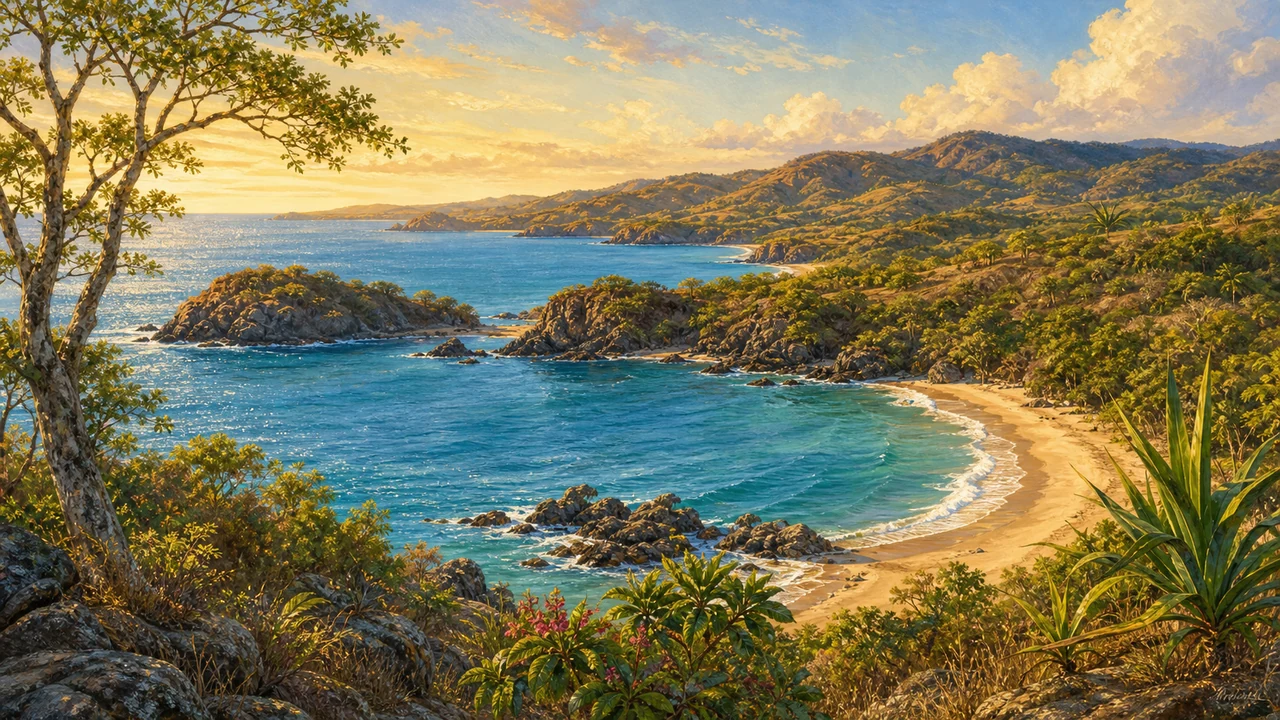 Afternoon departures take a different character. Rather than hugging the coastline, sunset sailing cruises in Papagayo Gulf head out toward the open water, trading shade for horizon. By mid-afternoon the trades have picked up and the sails fill properly, making this the session when you most feel you are genuinely sailing rather than motoring from point to point.
As the sun descends toward the Pacific, the sky turns through a long sequence of colors — orange, rose, violet — that photographers shoot at and never quite capture. Drinks are served, the pace slows, and by the time the first stars appear on the eastern sky, the mood on deck has shifted into something quiet and collective. Many operators pair these cruises with a light dinner or charcuterie spread.
Sunset cruises are a popular option for couples traveling through Guanacaste, and many visitors combine them with a stay on the Guanacaste beaches that line the peninsula — Playa Hermosa, Playa Panama, and neighboring strands within easy reach of the marinas.
The Marinas and Launching Points
 Marina Papagayo, situated within the planned resort zone on the inner peninsula, is the hub of organized sailing in the area. It provides fueling, provisioning, and berth services for vessels ranging from day-charter catamarans to large private yachts on extended Pacific voyages. The surrounding infrastructure — restaurants, chandleries, and charter offices — makes it straightforward to book a sail or arrange a multi-day itinerary on arrival.
Smaller operators launch from resort docks and beach landings spread along the eastern shore of the gulf. This means that guests staying at any of the larger properties in the zone can typically access water tours without traveling far. Independent travelers heading directly to the Papagayo region fly into Daniel Oduber International Airport (LIR) in Liberia, roughly an hour’s drive from the marina cluster.
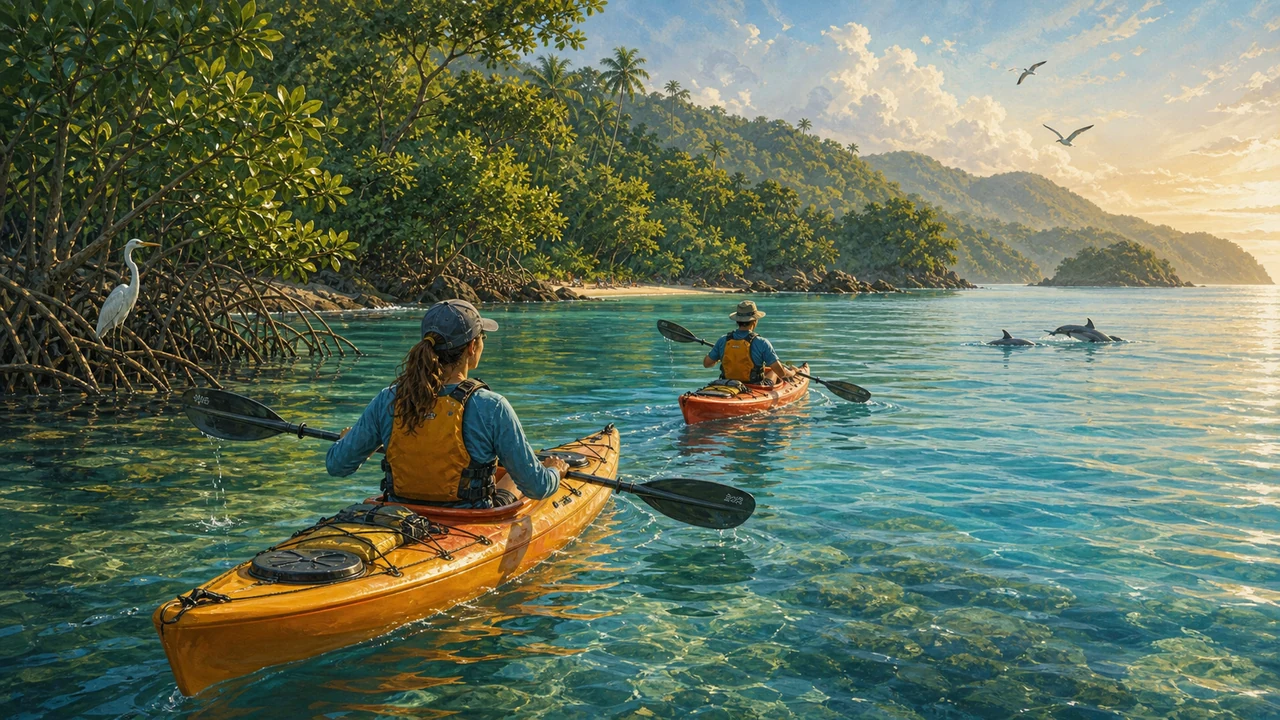
If you prefer a more intimate experience on the water, sea kayaking in Costa Rica offers a human-scaled way to explore the same coves and rocky points that the sailboats visit, at your own rhythm and much closer to the waterline.
What to Bring and How to Prepare
A half-day to full-day catamaran tour in Guanacaste requires minimal preparation, but a few things make a real difference:
- Reef-safe sunscreen — the Guanacaste sun is intense on open water, and operators in protected zones increasingly require non-chemical formulas to protect coral.
- A light layer for the return trip, especially on afternoon cruises when the trade wind picks up.
- Seasickness medication if you are prone to motion sensitivity — ask your doctor about options in advance. The gulf is generally calm, but offshore excursions can encounter swells.
- A dry bag or waterproof phone case for electronics.
- Water shoes if you plan to wade ashore on rocky beaches.
Most tours are family-friendly. Check minimum age requirements with your operator if you are traveling with young children.
Best Season and Booking
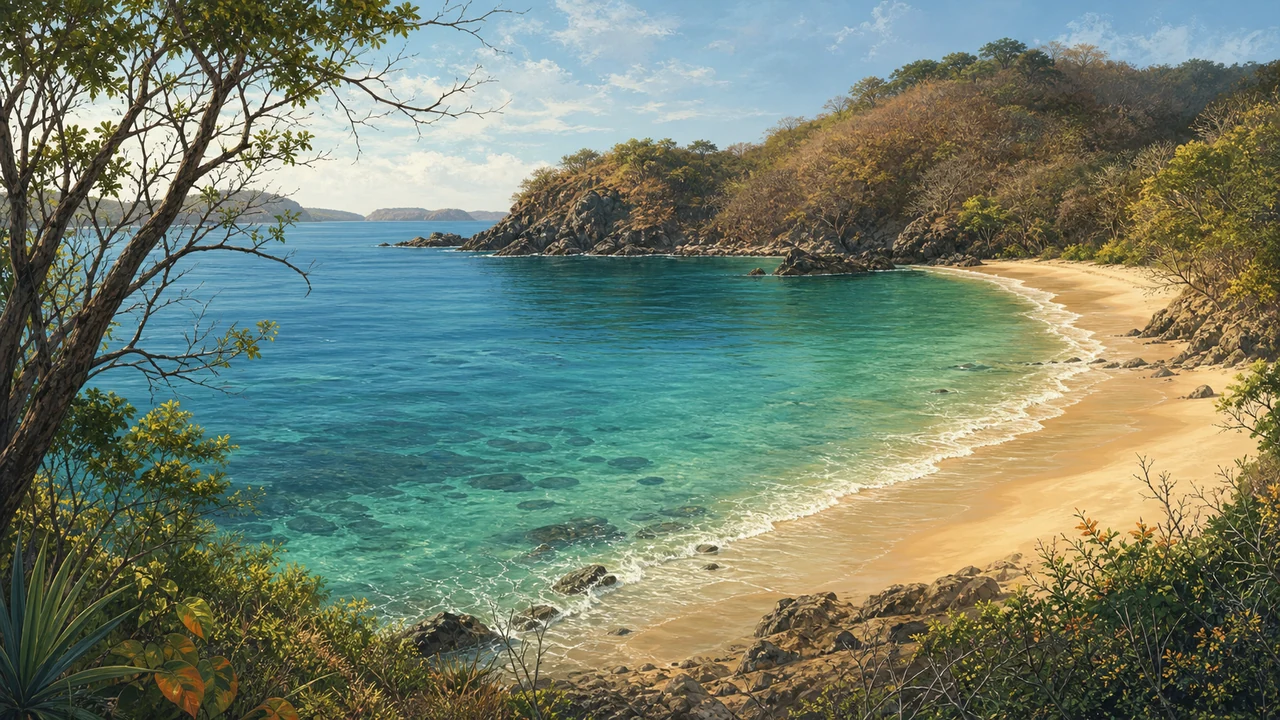 The dry season sailing in Guanacaste — roughly December through April — is peak time for water activities. Winds are consistent, skies are clear, and visibility underwater is excellent. This is also when demand is highest, so booking in advance is worthwhile, especially over holiday periods.
The green season (May through November) brings afternoon rains but often leaves mornings clear and beautiful. Crowds thin considerably, prices ease, and the ocean remains warm. Marine wildlife activity actually increases in parts of this season — humpback whales, for example, are more reliably sighted during their northern and southern migration windows.
Monte del Barco Beach is one of the less-visited stretches accessible by sail on the northern edge of the gulf — a good landmark for operators offering longer coastal routes. Travelers spending multiple days in the area will find that the Guanacaste adventure scene extends well beyond the water, with hiking, horseback riding, and volcano day trips rounding out a full itinerary.
For a broader overview of what the region offers, the Costa Rica activities and sports hub covers everything from diving to whitewater rafting across the country.
The Gulf of Papagayo is one of those places that earns its reputation without effort. A few hours on the water — wind in the sails, dolphins off the bow, a cold drink in hand as the sun meets the horizon — is the kind of uncomplicated pleasure that stays with you long after the trip ends.
Frequently asked questions
When is the best time to sail in the Gulf of Papagayo?
The dry season — December through April — delivers the most reliable conditions, with steady winds, calm swells, and brilliant sunshine. The tradewinds that funnel through Guanacaste during this period are ideal for sailing. The green season (May–November) brings calmer winds and fewer crowds, and mornings are often clear before afternoon rains move inland.
What types of sailing tours are available in the Gulf of Papagayo?
The most popular options are half-day morning coastal tours that hop between secluded coves and snorkeling stops, and full-day catamaran day sails that include a beach barbecue. Afternoon sunset cruises head offshore to watch the sun drop over the Pacific — a favorite for couples and honeymooners.
Are there good snorkeling spots accessible by sailboat in Papagayo?
Yes. Several rocky outcrops and calm coves around the gulf shelter vibrant reef fish, sea turtles, and rays. Operators typically drop anchor at two or three spots on a full-day tour, providing gear and a briefing before each dive.
Which marinas serve the Gulf of Papagayo sailing fleet?
Marina Papagayo, located within the Papagayo Peninsula development zone, is the primary full-service marina for the region, handling everything from day-charter vessels to larger private yachts. Smaller operators also launch from beach landings and resort docks along the coast.
Do I need sailing experience to join a tour?
No experience is needed for crewed charter tours — the captain and crew handle everything. If you want to take the helm yourself, bareboat charters and sailing instruction courses are available for those with prior experience or certification.