Liberia's Historic Architecture — The White City
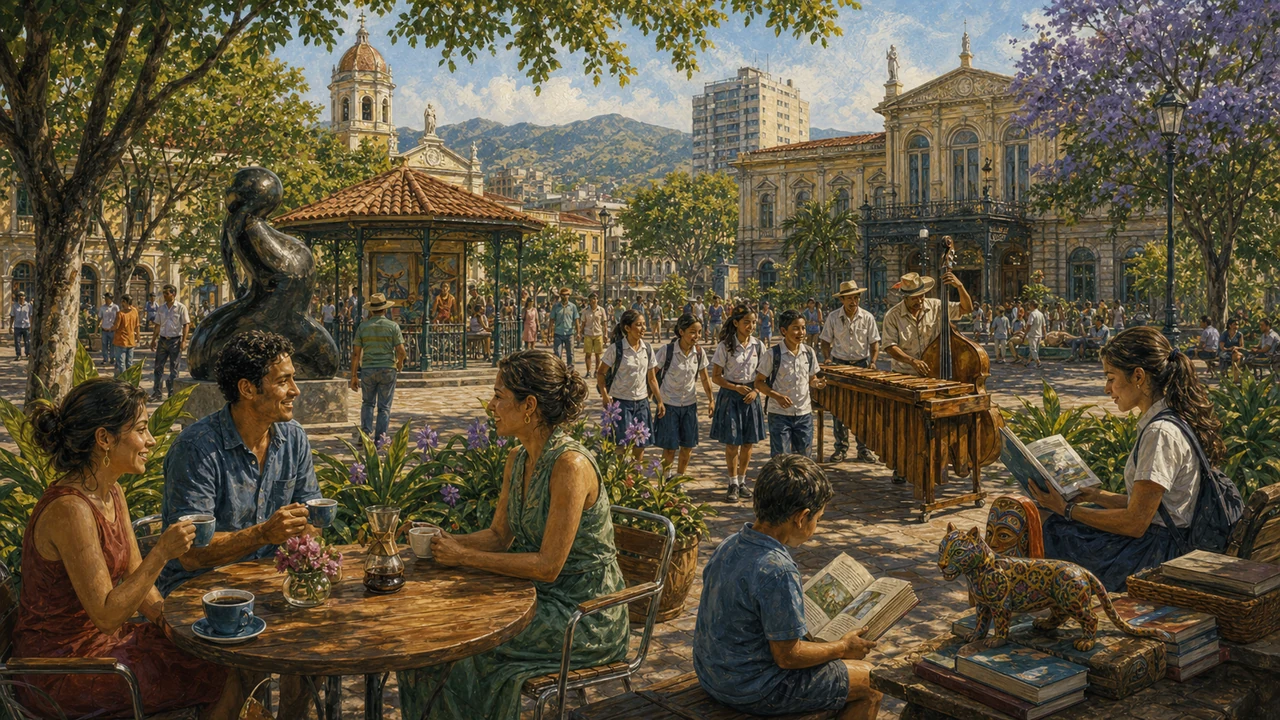
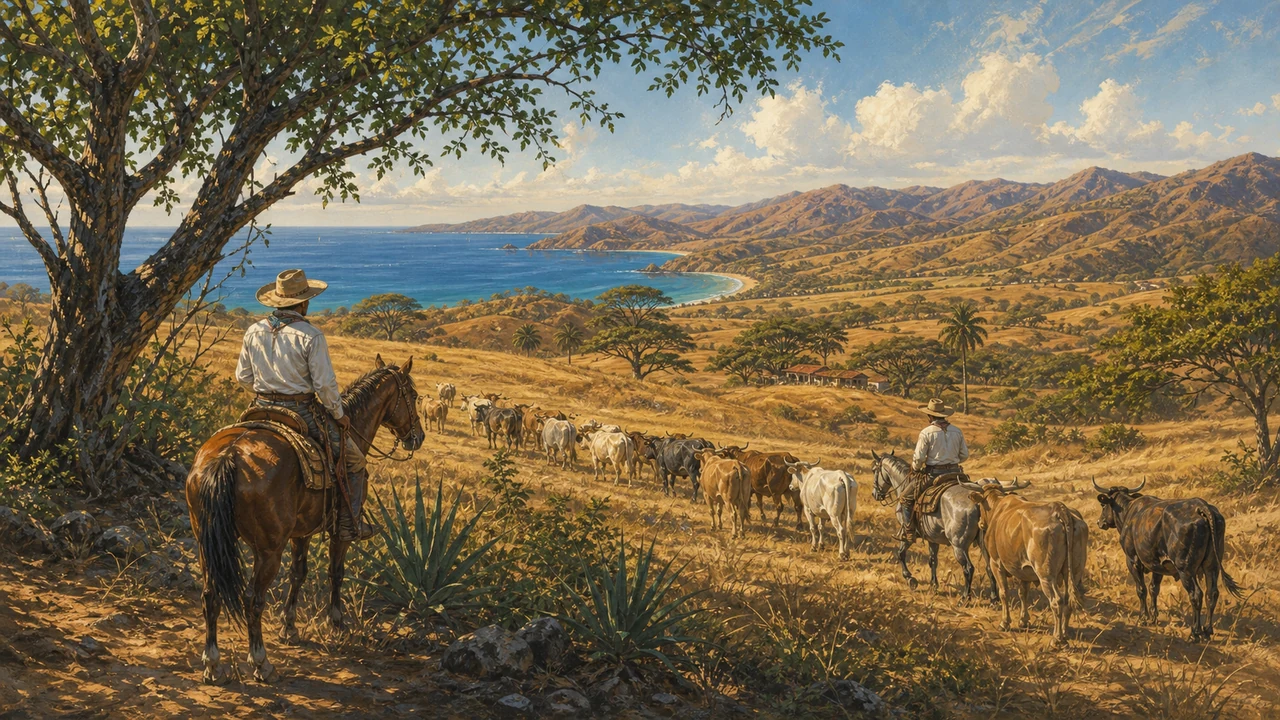 Liberia, Guanacaste’s proud capital, is one of the few Costa Rican cities where colonial architecture has survived intact enough to feel like a walk through history. Known as Ciudad Blanca — Liberia’s “White City” nickname — thanks to its glowing whitewashed adobe buildings, Liberia preserves a streetscape that most of Central America has long since paved over or knocked down. The historic center around Calle Real offers travelers a rare window into the sun-baked cattle-town culture that shaped this corner of Costa Rica for over three centuries.
Calle Real and the Architecture of Adobe
The centerpiece of Liberia’s historic quarter is Calle Real — the Royal Road — a tree-shaded street lined with casonas, the large colonial-era family compounds that once housed Guanacaste’s ranching elite. These buildings are not mere facades. They are thoughtfully engineered dwellings designed to cope with the relentless Guanacaste heat: thick adobe or stone walls, high ceilings, and a layout built around a central interior atrium that funnels breezes and floods the home with cool, diffused light.
The floor plan follows a logic inherited from early Spanish domestic architecture, which itself drew on Roman and Moorish precedents. Reception and family rooms occupy the street-facing front of the house. Bedrooms and service rooms line the longer interior sides. Workshops, stables, and storage fill the rear, opening onto a back patio where animals were kept and crops processed. The result is a self-contained compound — a tranquil fortress of thick walls and shaded corridors that shelters its inhabitants from dust, heat, and noise without air conditioning.
The Puerta del Sol — Liberia’s Iconic Corner Door
 No architectural feature is more distinctive to Liberia than the puerta del sol (corner door of colonial Guanacaste buildings). When Spanish settlers laid out the town’s streets, they had to contend with cattle drives, oxcarts, and the traffic of working ranches pushing through narrow colonial-era roads. Their solution was elegant: rather than bringing a building to a sharp 90-degree corner that would force a blind turn, builders either flattened the corner diagonally and installed a single door, or squared the corner and set two doors at right angles to each other.
The name — “door of the sun” — likely refers to the way these corner openings catch morning and afternoon light from multiple directions, flooding the interior with warmth at different hours. As old adobe structures are demolished or modernized, surviving puertas del sol grow fewer each decade, making Liberia’s historic center the best remaining place in Costa Rica to see this architectural tradition in something approaching its original context.
Look for the finest examples along the north end of Calle Real and on the side streets running toward the central park. Some doorways still have their original carved wooden panels and wrought-iron hardware; others have been painted in the vivid ochres and terracottas typical of Central American colonial towns, standing out brilliantly against the white stucco walls that gave the city its famous nickname.
A Cattle Town Frozen in the Dry Season
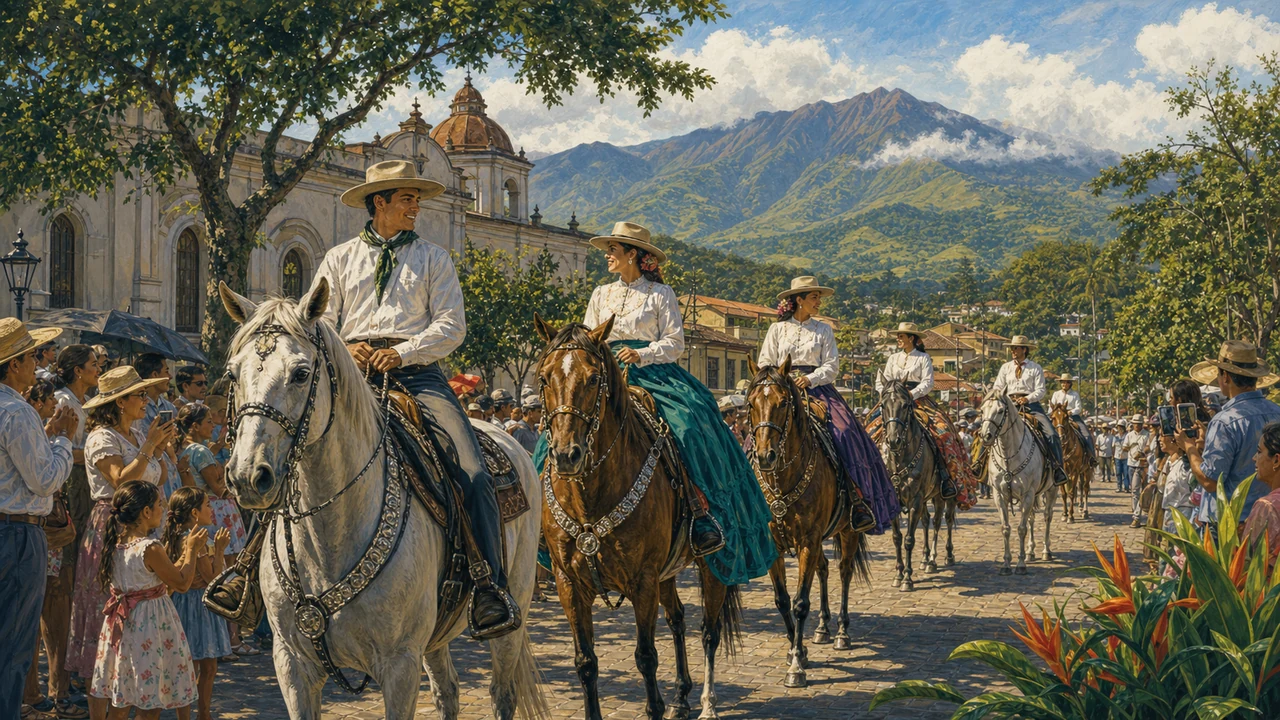 Guanacaste’s sabanero cattle-ranching heritage is impossible to separate from Liberia’s built environment. The city grew as the commercial and administrative center of a vast cattle economy stretching across the dry tropical plains. The wide, straight streets were sized for cattle drives. The casonas were designed for families who needed to store saddles and brand irons as readily as formal furniture. The corner doors were cut for cowboys on horseback who needed to swing wide without dismounting.
For much of the 20th century, cattle drives still moved through the city streets. Cowboys on horseback — the sabaneros — would whoop and whistle and call out ¡vaca, vaca! as they pushed their herds from one holding area to another, creating living traffic jams that nobody seemed to mind because nobody was in any real hurry. Oxcarts carried people and loads on errands that stretched across the long, unhurried rhythms of the dry season. Passengers on the local bus shared seats with chickens and the occasional piglet.
Most of that has faded. But the architecture it produced remains, and Liberia’s historic center is now one of the few places in Costa Rica — and in Central America — where you can still read a cattle town’s past in its streets and walls.
Visiting the Historic Center
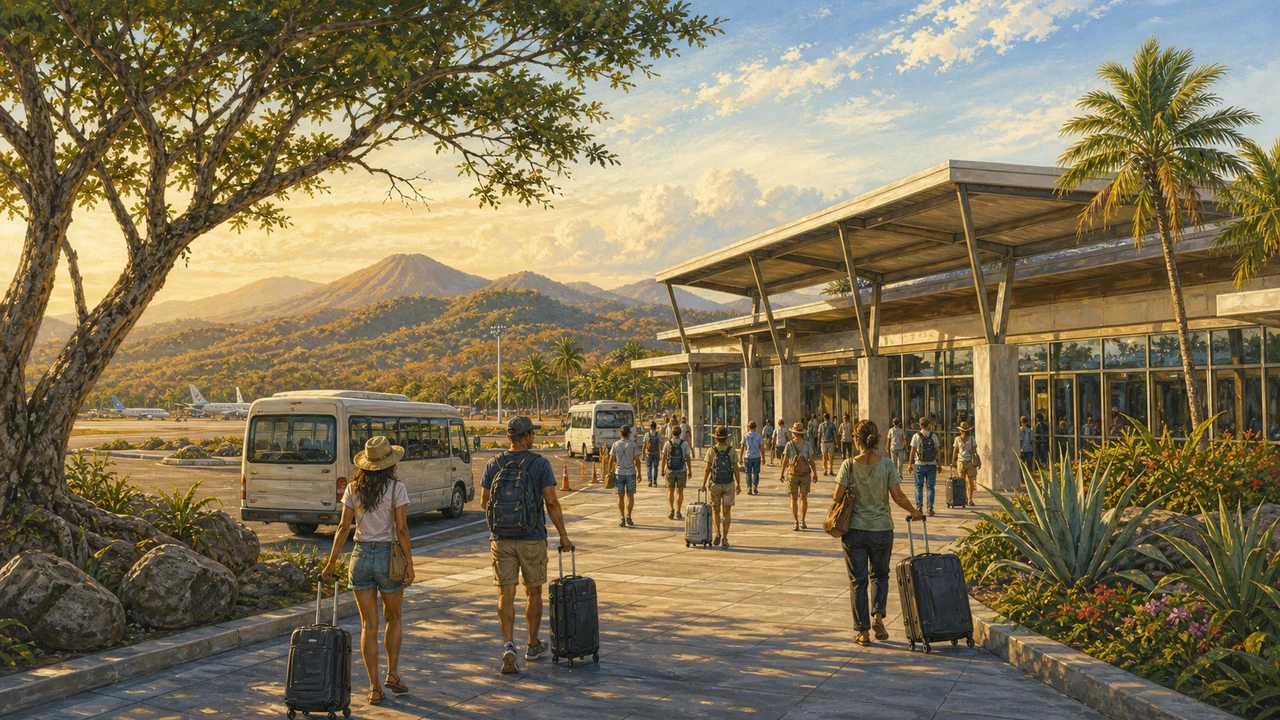 Liberia sits at the crossroads of Guanacaste and serves as the main gateway to the province’s Pacific beaches. Daniel Oduber International Airport (LIR) — just minutes from the city center — receives direct flights from dozens of North American cities, making Liberia one of the most accessible entry points into Costa Rica without routing through San José. Most travelers land, collect a rental car, and head immediately for the coast. That is a mistake worth correcting.
Walking Liberia’s Calle Real for colonial architecture takes no more than an unhurried morning. The historic center is compact and almost entirely flat. Start at the central park — anchored by the Church of the Immaculate Conception, itself a fine example of colonial religious architecture — and work outward along Calle Real in both directions. Look for the corner doors, the louvered wooden shutters, and the carved eaves that distinguish the oldest structures from later concrete imitations.
The Museum of the Sabanero, housed in a colonial-era building near the central park, offers context: exhibits on cattle ranching, traditional Guanacaste dress, the marimba musical tradition, and the region’s indigenous roots that predate Spanish arrival. The nearby artisan village of Guaitil — a short drive from Liberia — is famous for hand-thrown Chorotega ceramic pottery using pre-Columbian techniques.
Guanacaste Beyond the City
Liberia’s architectural heritage is the anchor, but the surrounding province rewards exploration. Guanacaste National Park protects transitional dry tropical forest that once covered the entire region. Rincón de la Vieja Volcano, visible from the city on clear mornings, offers mud pots, hot springs, and hiking in one of Costa Rica’s most dramatic volcanic landscapes. The province’s Pacific coast — North Pacific beaches stretching from the Papagayo Peninsula south through Tamarindo and beyond — is world-class.
For travelers who want to understand Costa Rica beyond the beach resorts, Liberia’s historic core is the starting point. Spending a full day in Liberia’s colonial historic center before heading to the coast gives Guanacaste’s landscapes a human and cultural dimension that no beach can provide on its own.
See our Costa Rica travel tips for practical planning advice, and explore Costa Rica art and culture for more on the country’s architectural and creative heritage.
Frequently asked questions
Why is Liberia called the White City or Ciudad Blanca?
Liberia earned the nickname Ciudad Blanca — the White City — because of its abundance of whitewashed adobe and stone colonial buildings that glow brilliant white in the fierce Guanacaste sun. The pale facades, cobblestone streets, and ornate louvered windows give the historic center a distinctive, luminous character unlike anywhere else in Costa Rica.
What is a puerta del sol (corner door) and where can I see one in Liberia?
A puerta del sol, literally 'door of the sun,' is a distinctive colonial architectural feature in which a building's corner is either cut at an angle with a single door or squared off with two doors set at right angles to each other. The design allowed cattle herds and oxcarts to navigate narrow colonial-era streets more easily. The best surviving examples line Liberia's Calle Real (Royal Road) in the historic city center.
What is Calle Real in Liberia?
Calle Real — the Royal Road — is Liberia's historic main street and the heart of its colonial heritage. It is lined with well-preserved 19th- and early-20th-century adobe casonas featuring classic Guanacaste architectural details: central interior atriums, louvered windows, thick walls for natural cooling, and the famous corner doors. A leisurely walk along Calle Real is the best way to take in the architecture.
Which airport serves Liberia, and how do I get there from the US?
Liberia is served by Daniel Oduber Quirós International Airport (LIR), which receives direct flights from many North American cities including Miami, Houston, Dallas, Los Angeles, and Toronto, making it the most convenient entry point for visitors heading to Guanacaste. The airport is just a few kilometers from Liberia's historic center.
Is Liberia worth visiting for cultural tourism beyond the beach resorts?
Absolutely. While most tourists pass through Liberia en route to Guanacaste's Pacific beaches, the city itself rewards a half-day or full-day stay. The historic center, the Museum of the Sabanero (honoring the Guanacaste cowboy culture), and nearby attractions like the Guaitil indigenous pottery village make Liberia a genuine cultural destination, not just a transit hub.