Indigenous Art of Costa Rica: Masks, Ceramics, and Living Craft
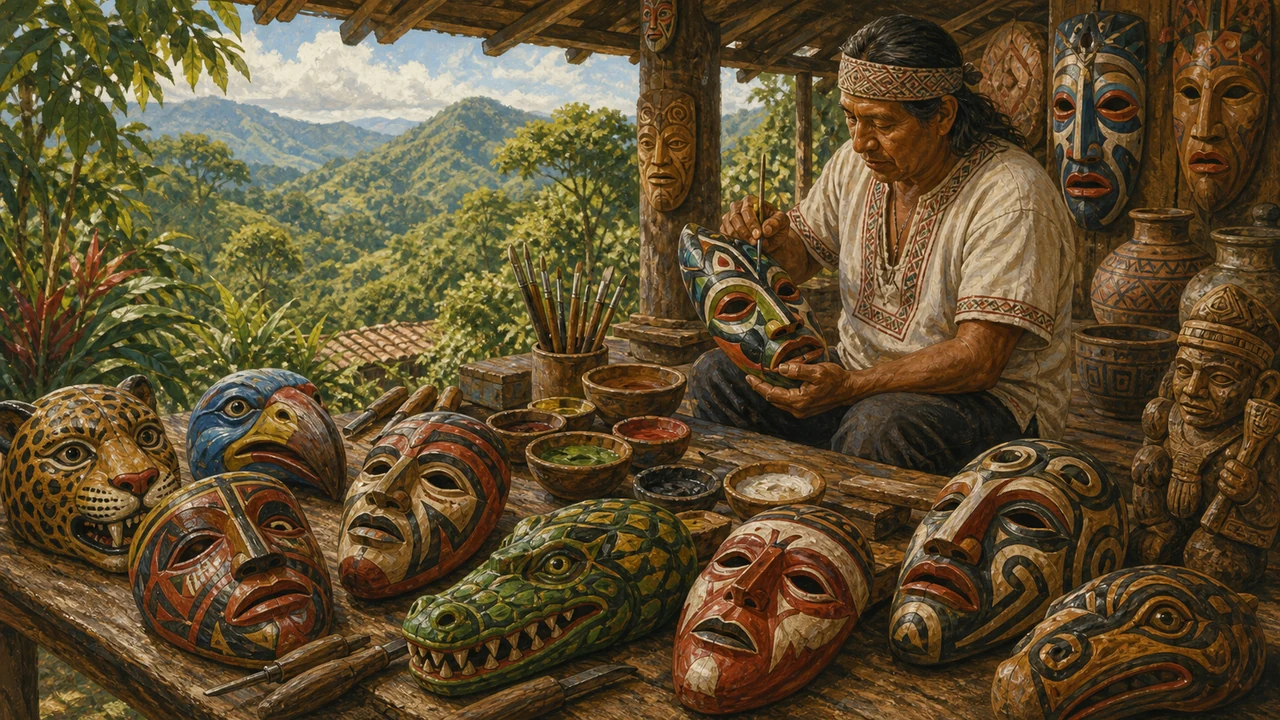
Costa Rica’s indigenous art is living culture, not a museum category. The country’s communities still make masks, ceramics, woven goods, carved objects, and ceremonial pieces that carry history forward in practical, beautiful ways. The work is rooted in identity, land, and memory, and it is still made for community use as much as for visitors.
If you want the clearest picture of this tradition, start with Boruca masks, move to Guaitil ceramics, and then look to the Bribri and Cabecar communities of Talamanca for weaving, cacao work, and forest-based crafts.
Boruca masks
The Boruca people are best known for carved balsa masks used in the Fiesta de los Diablitos. These masks are painted by hand in strong colors and carved with expressive faces, animal forms, and spirit imagery. They are one of the most recognizable indigenous art forms in Central America.
The masks are not generic souvenirs. They are a direct expression of community memory and resistance. Buying from Boruca artisans or trusted community channels is the best way to support the tradition.
Guaitil ceramics
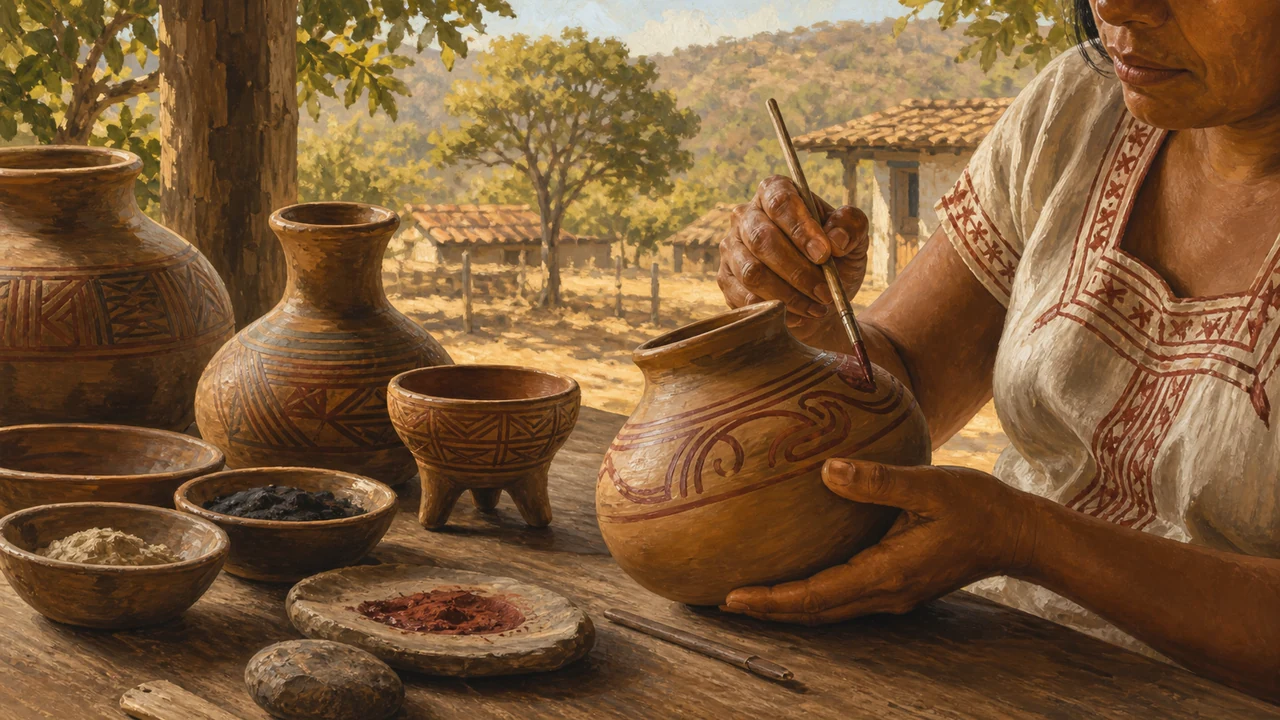
In Guaitil, Chorotega potters continue a ceramic tradition that predates Spanish contact. Clay is shaped by hand without a wheel, then fired and decorated with natural pigments. The pieces range from useful bowls and jugs to decorative vessels with geometric and animal motifs.
Guaitil is one of the best places in the country to see an indigenous craft village still working at full strength. The craft is authentic, the tools are simple, and the results are strong enough for everyday use.
Bribri and Cabecar crafts
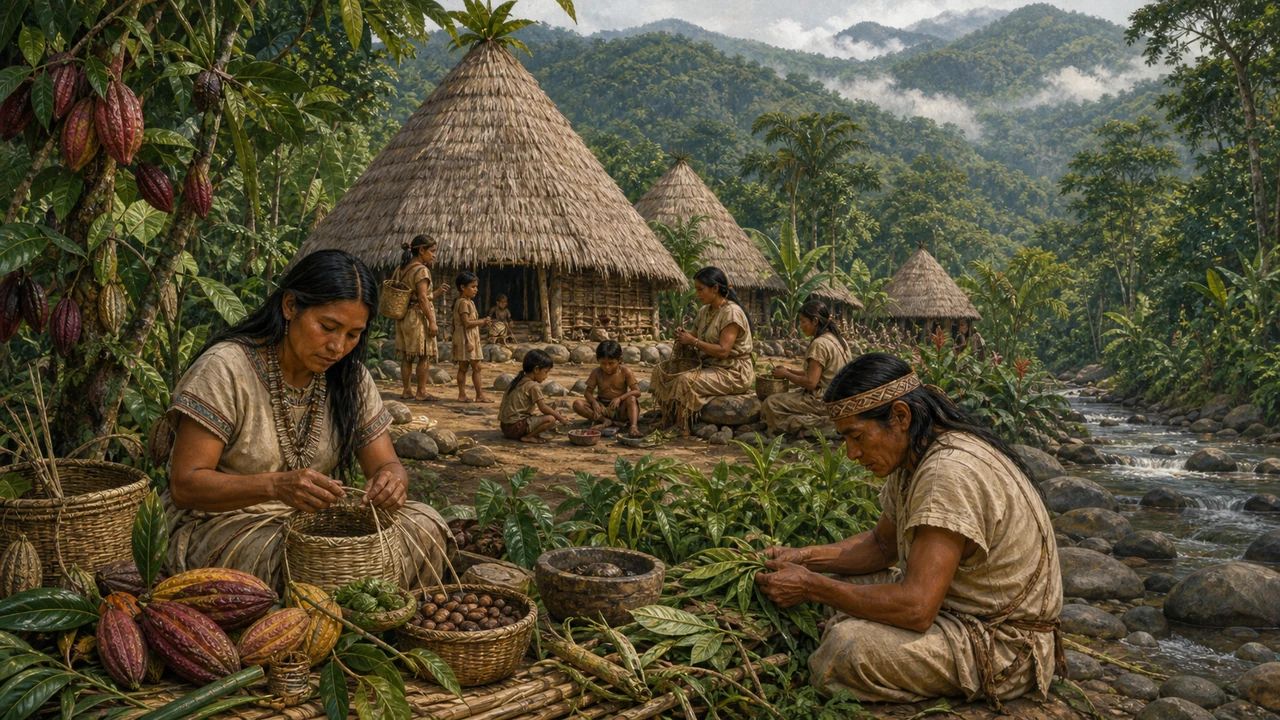
In Talamanca, Bribri and Cabecar artisans make woven bags, baskets, engraved gourds, and cacao-related objects that reflect forest knowledge and clan identity. Their work is quieter than Boruca masks or Guaitil pottery, but it is equally important.
Community-based tourism in places such as Yorkin gives visitors a chance to see the work in context and buy directly from makers.
Reproductions and ethics
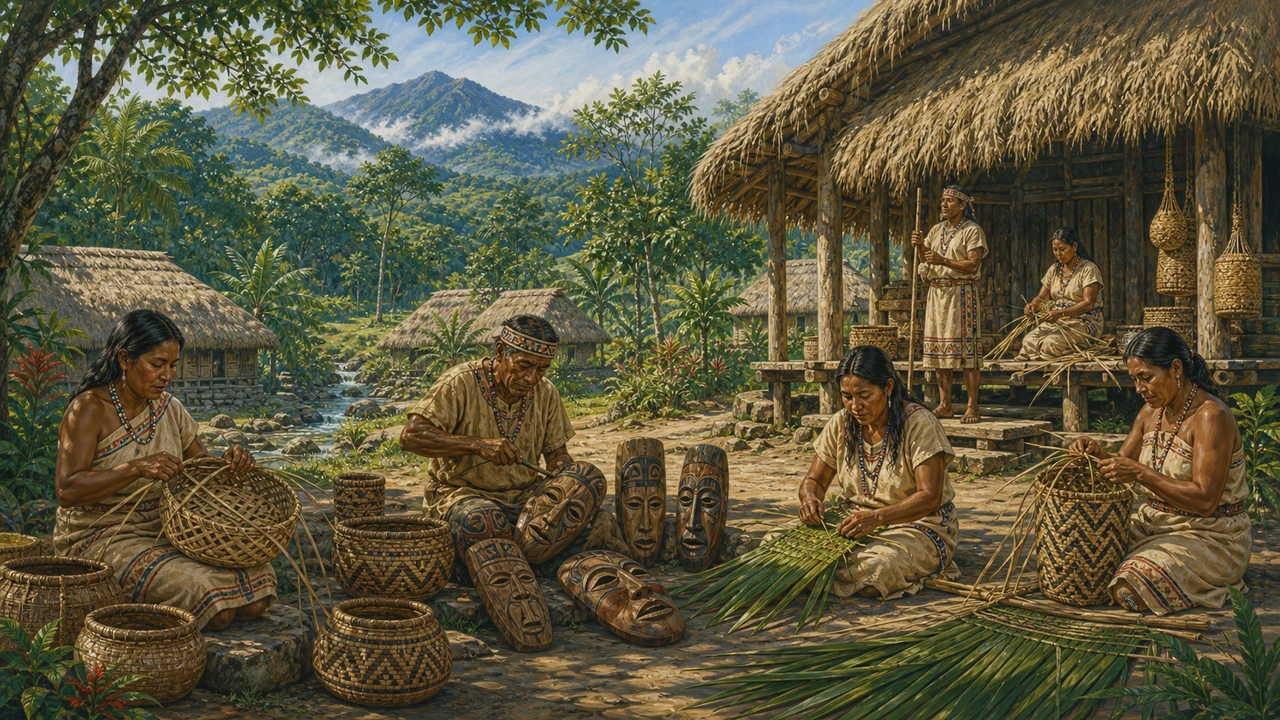
Costa Rica also has a serious tradition of pre-Columbian reproductions. Good replicas are carefully made and clearly sold as such. That is different from trying to pass off archaeological artifacts as market goods, which is illegal and unethical.
When buying indigenous art, ask where it was made, who made it, and whether the seller works directly with the community. That is the simplest way to keep the purchase meaningful.
For a wider view of the country, pair this section with Costa Rica art and folklore and the museums in San Jose.
Frequently asked questions
What is the best-known indigenous art tradition in Costa Rica?
Boruca masks are the most famous. They are carved and painted by hand and are closely tied to the Fiesta de los Diablitos.
Where can I buy authentic indigenous crafts?
Guaitil is the best place for Chorotega ceramics, Boruca is the best place for Boruca masks, and Yorkin or other Talamanca community programs are the best places for Bribri and Cabecar crafts.
Are pre-Columbian reproductions legal?
Yes. Good reproductions are legal if they are clearly sold as replicas. Original archaeological artifacts are protected by Costa Rican law and should not be bought or exported.
What kinds of crafts do Bribri and Cabecar artisans make?
They make woven bags, baskets, carved gourds, cacao-related pieces, and other objects tied to forest knowledge and community identity.
How can I buy indigenous art ethically?
Buy directly from communities or trusted cooperatives, ask who made the piece, and avoid factory-made imitations that copy indigenous styles without benefiting the makers.