Sea Kayaking in Costa Rica — Ocean & Mangrove Tours
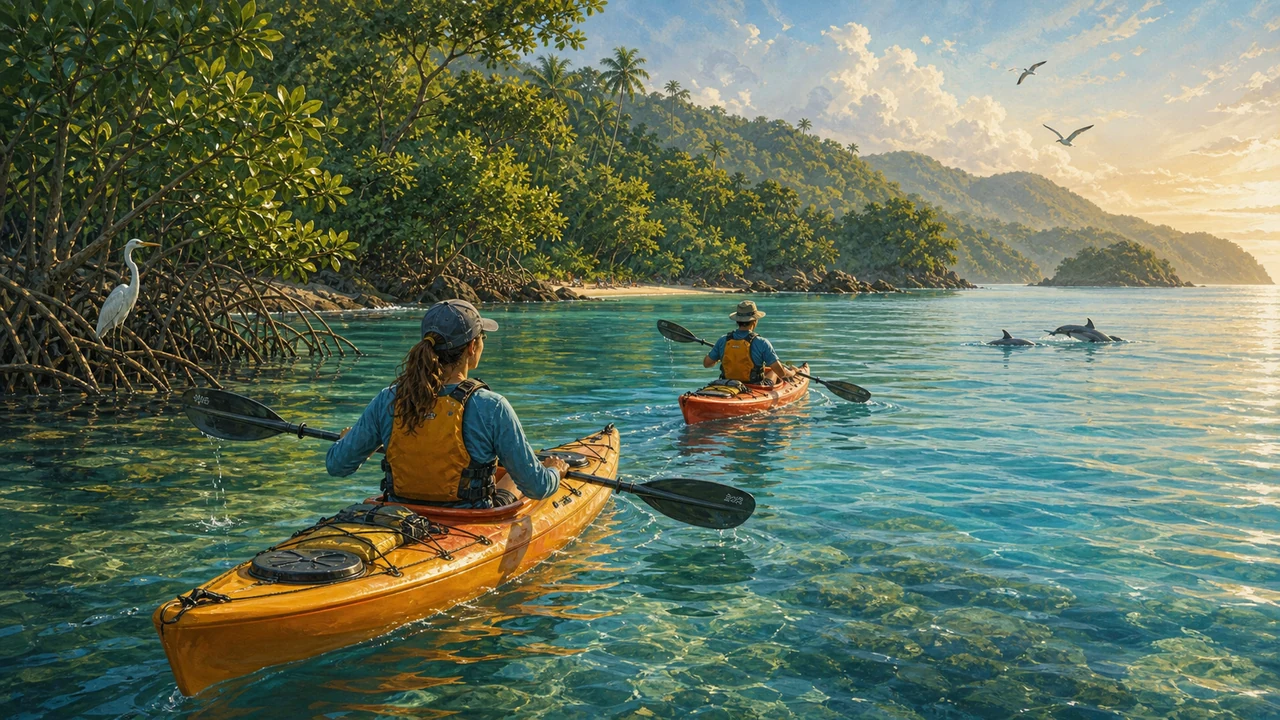 Sea kayaking in Costa Rica puts you at water level with some of the most biodiverse coastline on the planet — from wave-sheltered jungle gulfs to labyrinthine mangrove channels alive with wildlife. With more than 1,200 km of coastline and a dense network of rivers, estuaries, and coastal lagoons, Costa Rica ranks among the top kayaking destinations in the Americas, and the activity is accessible to absolute beginners.
Why Sea Kayak in Costa Rica?
Few activities reward slow travel the way kayaking does. You enter mangrove tunnels that a motorboat cannot reach, drift alongside feeding dolphins in a quiet gulf, and watch scarlet macaws cross overhead while you rest your paddle. Sea kayaking in Costa Rica’s mangrove estuaries delivers encounters that trail hikes simply cannot.
The country’s geography also works in your favor. Both coasts have sheltered bays and calm inlets where even first-time paddlers feel at home. Outfitters are well established, equipment meets international standards, and guided kayak tours for beginners are widely available from half-day excursions to multi-night expeditions. Costa Rica’s commitment to conservation — more than 25% of the country is protected — means many of the best launch sites sit inside or adjacent to national parks and wildlife refuges.
Top Destinations for Ocean Kayaking
Golfo Dulce — South Pacific
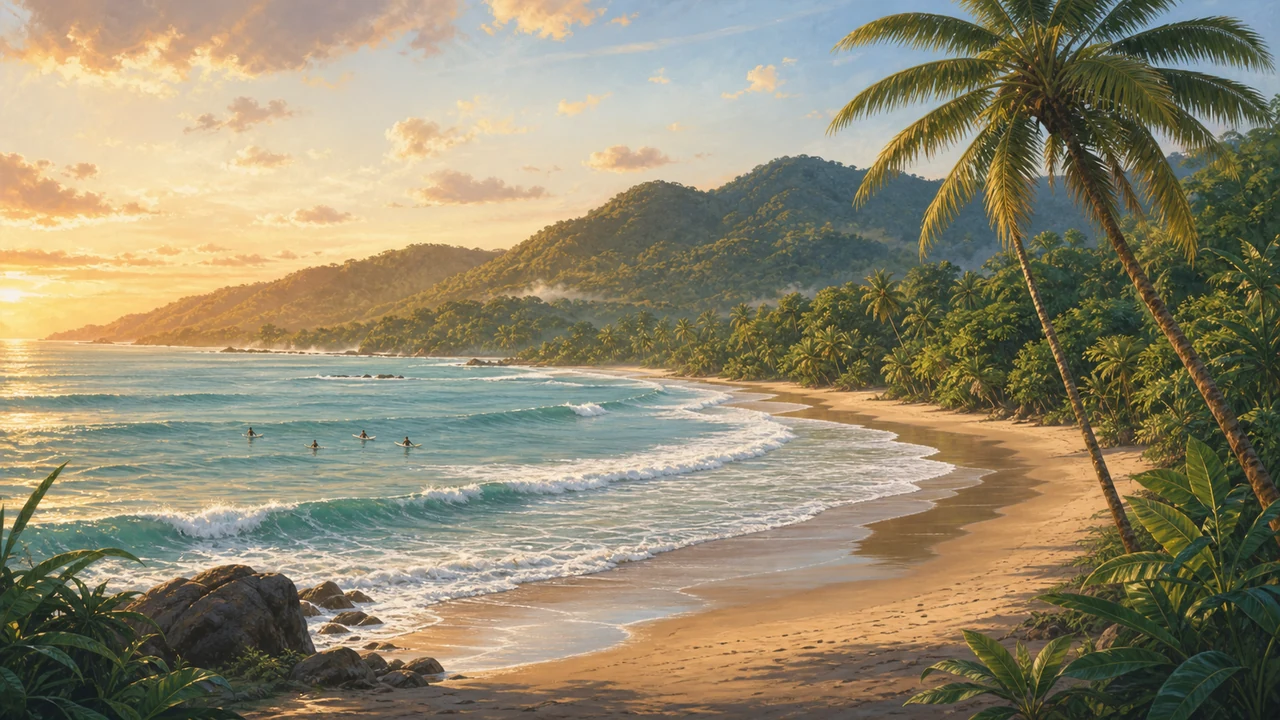 The Golfo Dulce (“Sweet Gulf”) is a near-landlocked tropical fjord in the Osa Peninsula region, one of only four such gulfs in the world. Its calm, warm waters make it ideal for multi-day open-ocean kayaking in Golfo Dulce, and the surrounding rainforest — part of the Corcovado National Park ecosystem — provides a spectacular backdrop. Dolphins are regular companions, and humpback whales enter the gulf to calve during migration seasons. Outfitters based in Puerto Jiménez and Golfito offer day trips and overnight expeditions with tent or lodge camping.
Papagayo Gulf — Guanacaste
The Papagayo Gulf in Guanacaste is the Pacific Northwest of Costa Rica: reliably sunny during the dry season, with steady trade winds that keep the water flat by morning. Paddlers launch from coves near Hermosa Beach and explore rocky headlands, sea caves, and the uninhabited pocket beaches that fringe the peninsula. Because kayaking in the Papagayo Gulf pairs naturally with sailing, many visitors combine both — see the Sailing in Papagayo Gulf page for catamaran and sailboat tours operating from the same marinas.
Manuel Antonio — Central Pacific Mangroves
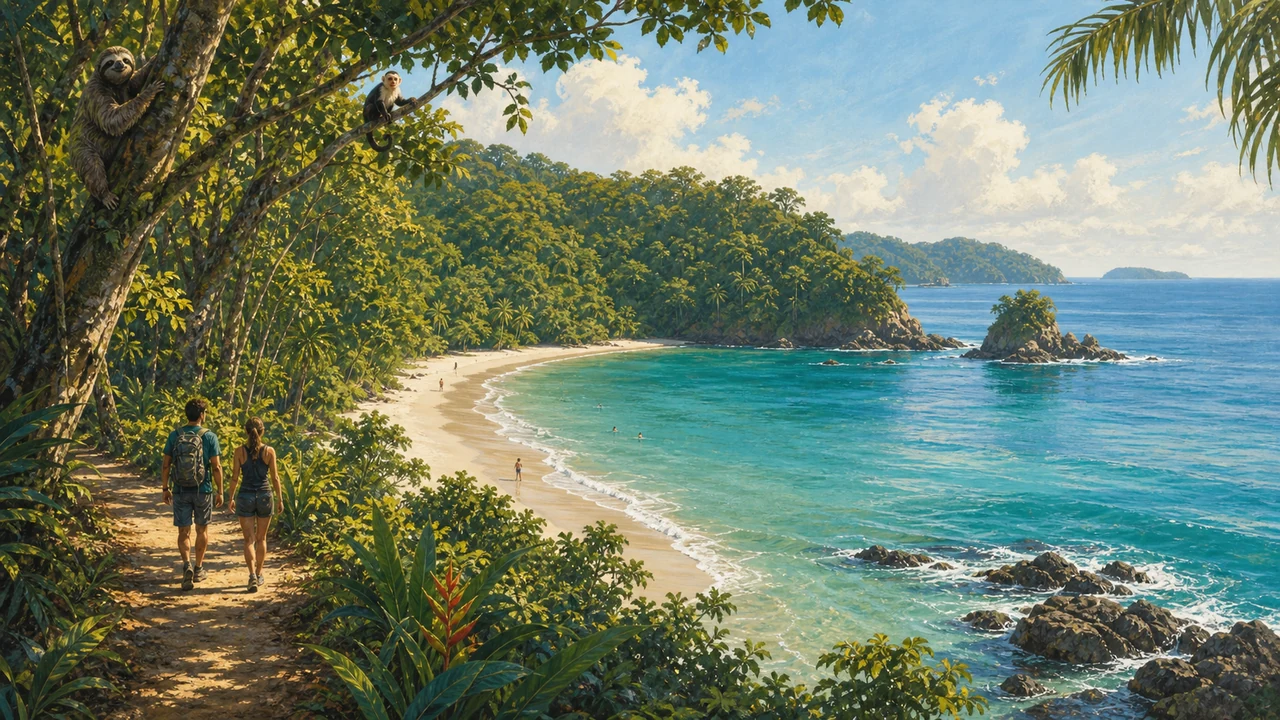 Just outside Manuel Antonio National Park, a network of mangrove estuaries provides a very different kind of paddle. The channels are narrow, shaded, and teeming with birdlife — herons, kingfishers, ibises, and the occasional crocodile on a muddy bank. Monkeys (howler and white-faced capuchin) call from the canopy overhead. Mangrove kayaking near Manuel Antonio is one of the most popular half-day activities in the area and suits families and less physically demanding itineraries perfectly.
The nearby Curú National Wildlife Refuge on the Nicoya Peninsula offers a similar experience with the added draw of boat trips to Isla Tortuga for snorkeling.
Tortuguero — Caribbean Canals
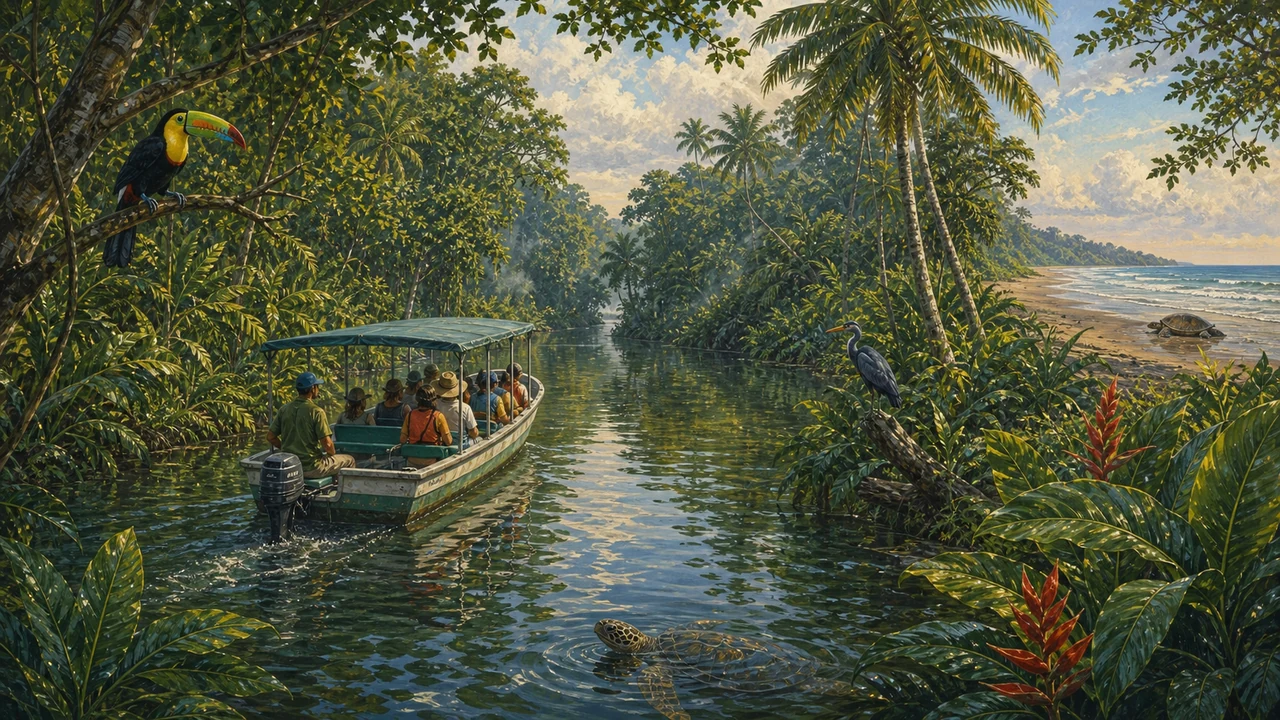
On the Caribbean side, Tortuguero National Park is famously accessible only by boat or plane — making it perfect kayak country. The park’s 50,000-plus hectares are threaded by a system of canals, rivers, and coastal lagoons that connect to the Tortuguero River. Paddlers share the waterways with river otters, caimans, three species of monkeys, and more than 400 bird species. Kayaking the Tortuguero canals is an unhurried complement to the park’s famous sea turtle nesting beaches, which host green turtles and leatherbacks from roughly July through October.
What to Expect on a Guided Tour
 Most guided sea kayaking tours in Costa Rica follow a similar structure:
- Half-day trips (3–4 hours): launch, paddle with a naturalist guide, return to base. Ideal for first-timers and those with limited time.
- Full-day trips (6–8 hours): cover more distance, include a stop for a packed lunch or snorkeling, and often combine ocean and estuary paddling.
- Multi-day expeditions (2–5 nights): typically include tent camping or lodge stays, all meals, side excursions (snorkeling, hiking, wildlife watching), and transfers from a major gateway city.
All reputable operators provide sit-on-top or sea kayaks suited to the conditions, paddle, life vest, and dry bag. Guided trips include a naturalist or bilingual guide who explains the ecology and watches for wildlife. Groups are generally small, which keeps the noise level down and the wildlife encounters high.
Practical Tips for Kayakers
- Fitness level: Most tours require only moderate fitness. Longer expeditions involve more sustained paddling, but the pace is set by the group and guides.
- Sun protection: The equatorial sun is intense on the water. Pack high-SPF sunscreen, a wide-brimmed hat, and UV-protective clothing. Reef-safe sunscreen is strongly encouraged in marine environments.
- What to bring: Water shoes or sandals with a heel strap, a change of clothes, and a waterproof camera or phone case. Valuables should stay ashore or go in the provided dry bag.
- Seasons: The Pacific coast (Golfo Dulce, Papagayo, Manuel Antonio) is calmest December through April. Tortuguero is accessible year-round. Always check local sea conditions before departure.
- Booking: Book through established local outfitters with certified guides. Check that safety gear meets current standards and that the operator has the required permits to enter national park waters.
For broader adventure activities throughout the country, or for first-time visitor planning, see the Costa Rica travel tips guide. Sea kayaking pairs especially well with ecotourism and nature itineraries that focus on wildlife and protected areas.
Also consider pairing your kayaking day with snorkeling or wildlife-watching at nearby coastal reserves — the Nicoya Peninsula, Osa Peninsula, and Caribbean coast all have exceptional natural areas within easy reach of the water.
Frequently asked questions
Do I need kayaking experience to join a tour in Costa Rica?
No prior experience is necessary. Most outfitters run beginner-friendly guided tours and provide a brief paddling lesson before launching. Sea kayaking on calm bays and mangrove estuaries is accessible to almost any healthy adult.
What is the best region for sea kayaking in Costa Rica?
The Golfo Dulce in the South Pacific is considered one of the finest destinations — calm, warm, and ringed by primary rainforest. Papagayo Gulf in Guanacaste offers dry-season perfection, while Manuel Antonio's mangrove estuaries and Tortuguero's canal system provide exceptional wildlife encounters.
When is the best time to go sea kayaking in Costa Rica?
The Pacific coast is calmest during the dry season, roughly December through April, which is ideal for Golfo Dulce, Papagayo, and Manuel Antonio trips. Tortuguero on the Caribbean coast is accessible year-round, though September and October see the heaviest rainfall.
What wildlife might I see while kayaking?
Depending on the location, paddlers commonly spot dolphins, sea turtles, howler and white-faced monkeys, scarlet macaws, herons, egrets, and a rich variety of mangrove birds. Golfo Dulce is one of the few places in the world where humpback whales enter a gulf to calve.
What is typically included in a sea kayaking tour package?
Guided tours generally include kayaking gear (paddle, life vest, dry bag), an experienced naturalist guide, and water. Multi-day packages usually add meals, accommodation or tent camping, boat or land transfers, and excursions to nearby snorkeling or wildlife sites.