Trekking in Costa Rica: Best Hikes & Trails Guide
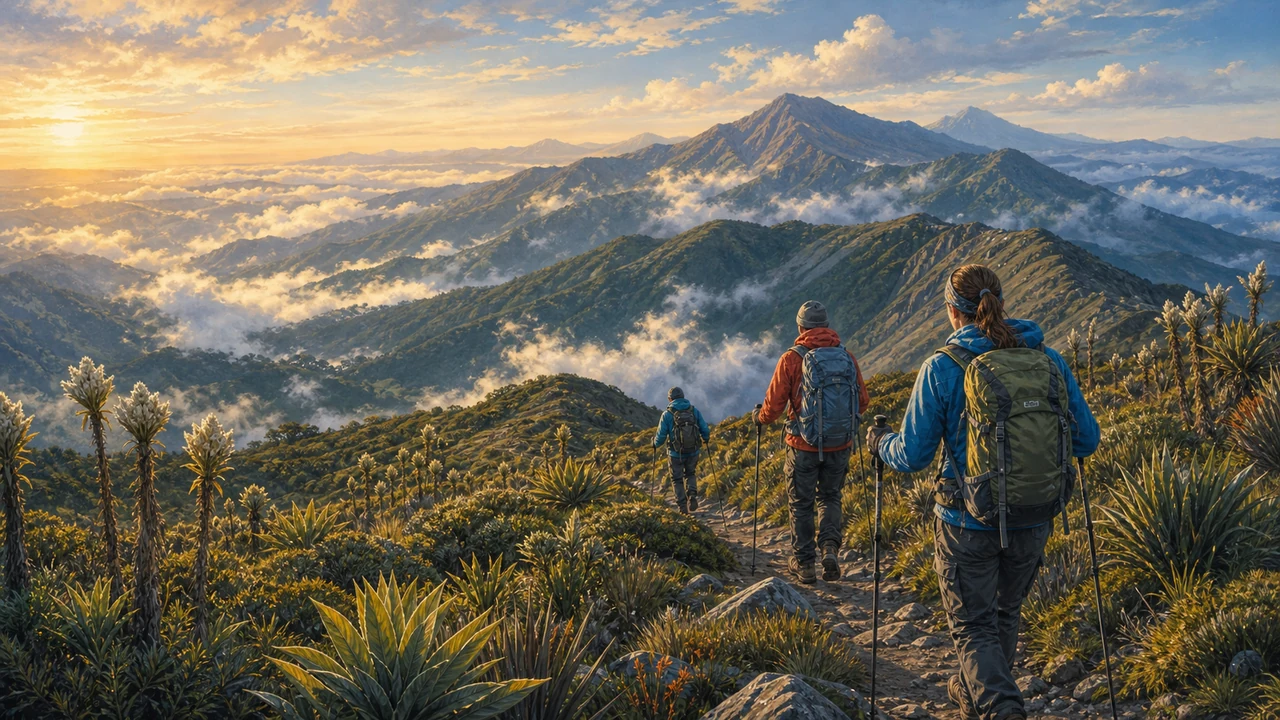 Costa Rica is one of the world’s premier trekking destinations, offering trails through habitats as varied as its extraordinary biodiversity — active volcanic slopes, primary rainforest, misty cloud forest, and the highest peaks in Central America. Whether you want a gentle morning walk or a demanding multi-day expedition, the country’s national parks and protected areas deliver experiences that are genuinely hard to find anywhere else on Earth.
With more than 25% of its territory under formal protection and roughly 5% of global biodiversity packed into a country smaller than West Virginia, Costa Rica rewards every step you take on its trails. This guide covers the best routes for every level, what to expect, and how to prepare.
Chirripó: Costa Rica’s Ultimate Summit Trek
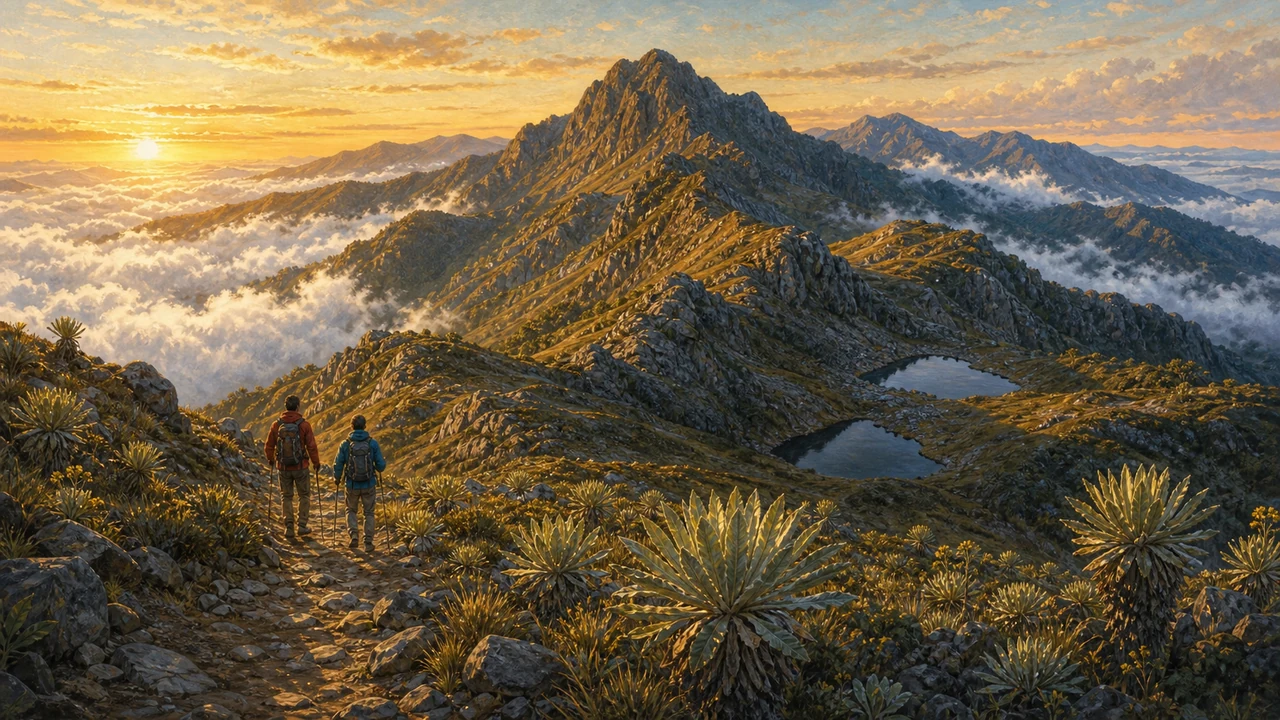 Chirripó National Park protects the highest peak in Costa Rica and all of Central America at 3,821 m (12,530 ft). Hiking to the summit of Mount Chirripó is the country’s most iconic multi-day trek and a bucket-list challenge for experienced hikers from around the world.
The standard route begins from the trailhead near San Gerardo de Rivas in the Chirripó massif. From there, a demanding climb covers roughly 19 km and gains more than 2,400 m before reaching the Crestones Base Camp, an altitude hut that serves as the overnight staging point. Summit attempts typically begin well before dawn to catch the sunrise above the clouds and to avoid afternoon weather rolling in.
What makes Chirripó special is the dramatic transition through vegetation zones — from montane oak forest draped in mosses and bromeliads, up through páramo scrubland reminiscent of the Andes, to the rocky, windswept summit plateau where temperatures can drop to freezing at night even in the dry season. On a clear morning, both the Pacific and the Caribbean are visible from the top.
Permits are required and limited in number; reserve through SINAC well ahead of your intended dates. Gear essentials: a sleeping bag rated to at least 0°C (32°F), trekking poles, waterproof layers, and sturdy broken-in boots. Porters are available for hire at the trailhead for those who want to reduce pack weight.
Corcovado: Rainforest Trekking on the Osa Peninsula
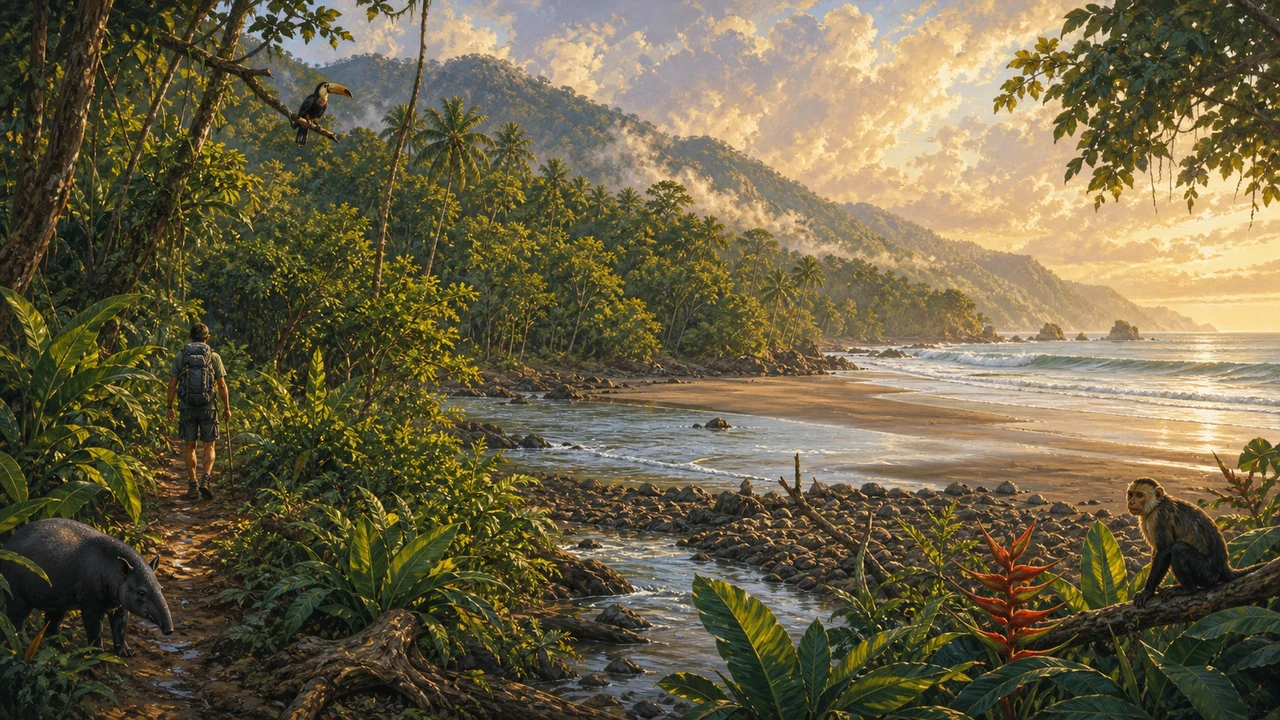 Corcovado National Park on the remote Osa Peninsula is widely regarded as one of the most biologically intense places on the planet. Multi-day trekking through Corcovado means crossing rivers, navigating muddy coastal headlands, walking along deserted Pacific beaches, and pushing through primary rainforest that teems with tapirs, pumas, scarlet macaws, and four species of sea turtle.
The main traverse route runs between the Sirena ranger station and the Los Patos or La Leona entry points. This is demanding terrain — expect heat, humidity, river crossings that can be waist-deep in the rainy season, and long days on your feet. A guided Corcovado rainforest expedition is mandatory under current park regulations: certified naturalist guides are required for all visitors, group sizes are capped, and advance booking through a licensed operator is essential, particularly from December through April.
The payoff is unmatched. Corcovado offers wildlife-viewing density that few places on Earth can match, and the sense of genuine wilderness on multi-day routes is rare in an increasingly accessible world.
Rincón de la Vieja and Guanacaste Volcano Trails
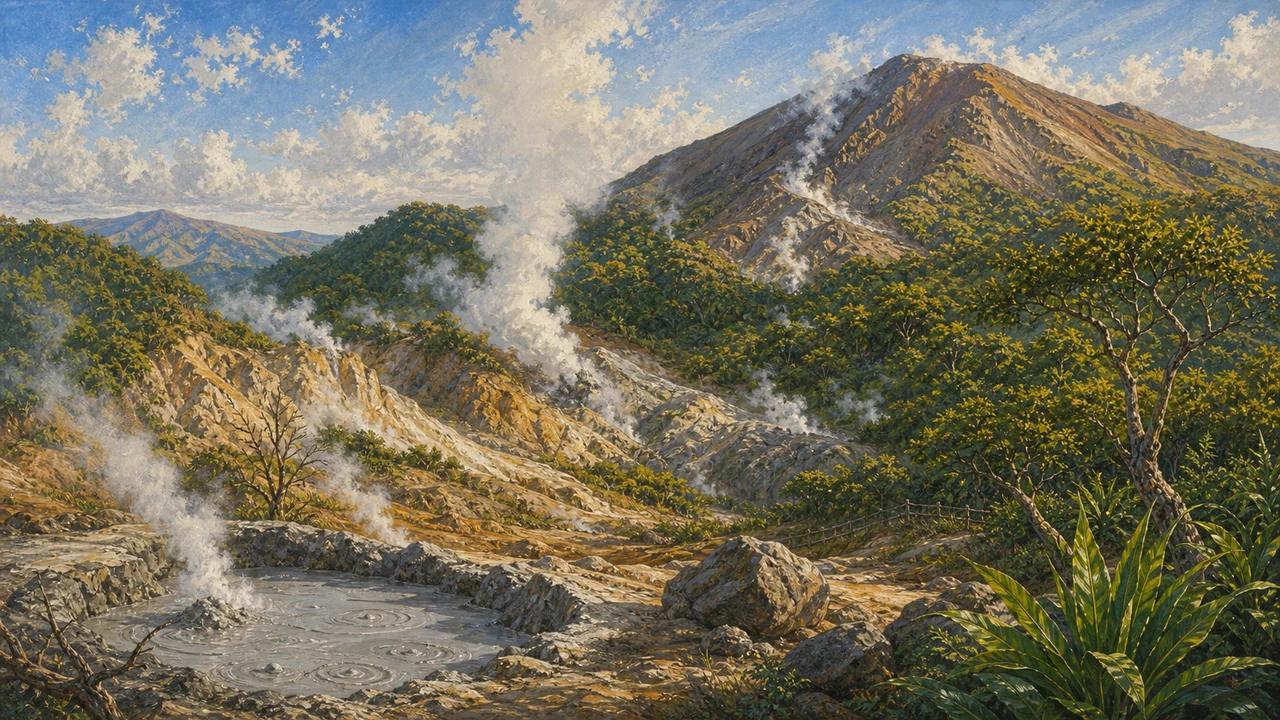 In Guanacaste, hiking the volcanic trails of Rincón de la Vieja delivers a dramatically different landscape: sulfuric mud pools, fumaroles, hot springs, and dry tropical forest give the area an otherworldly atmosphere. The park’s trail system covers everything from short loops past boiling mud pots to a full-day summit hike to the active crater.
The trek to the Von Seebach crater (the active vent) is Rincón’s signature route — roughly 8 km round trip with steady elevation gain through transitional forest and open scrub. The summit can be closed at short notice when volcanic activity increases, so check conditions with the park administration before you go. Day hikes to Las Pailas (the mud pools and geysers) are accessible to most fitness levels and make a rewarding half-day outing.
For adventure seekers, the nearby canyon at Río Negro combines a hike with natural waterslides and thermal pools — a popular extension covered in the canyoning at Rincón de la Vieja guide.
Arenal Region and Cloud Forest Hiking
The Arenal area around La Fortuna offers a broad menu of trekking options from easy lakeside walks to demanding rainforest climbs. Arenal Volcano itself is currently active with restricted summit access, but the lava fields from historical eruptions make for a fascinating and accessible walk through secondary forest, while views of the cone — when clouds cooperate — are spectacular from multiple vantage points.
Cloud forest hiking near Monteverde draws visitors year-round to a network of trails through Monteverde Cloud Forest Reserve and the adjacent Santa Elena Reserve. The combination of suspension bridges, ridge-top trails, and dense, dripping cloud forest makes this one of Costa Rica’s most rewarding walking destinations for birders and nature lovers. The resplendent quetzal, a jewel of the cloud forest, is a prized sighting along these trails, particularly during the nesting season.
For a longer region-crossing adventure, the adventure activities in the Arenal region page covers multi-activity combinations including hiking, canyoning, and kayaking in one itinerary.
Trail Types and Fitness Levels
Costa Rica’s trails span a wide spectrum:
- Easy day trails (1–3 hours): Well-marked paths through parks like Manuel Antonio, Braulio Carrillo, and Cahuita. Suitable for families and casual walkers. Mostly flat or gently graded with minimal gear required.
- Moderate half-day and full-day hikes: Las Pailas at Rincón de la Vieja, the lava trail at Arenal, and most Monteverde routes. Require comfortable hiking shoes, water, and snacks.
- Strenuous day hikes: Rincón summit, longer Braulio Carrillo routes. Demand solid fitness, proper footwear, and familiarity with navigation.
- Multi-day expeditions: Chirripó (typically 2–3 nights) and Corcovado traverses (2–5 days). Require significant fitness, full backpacking gear, permits, and ideally prior experience with multi-day hiking.
The best trekking in Costa Rica for first-timers tends to be in the Arenal and Monteverde regions, where infrastructure is excellent, guides are plentiful, and trails are varied enough to suit any pace.
Guided vs. Self-Guided Trekking
For most adventure activities in Costa Rica, guided options add genuine value beyond simple navigation — a knowledgeable naturalist guide transforms a walk through forest into an education in ecology, spotting creatures that the untrained eye would miss entirely.
Corcovado requires a licensed guide by regulation. Chirripó is self-guided, though many hikers benefit from local knowledge. For cloud forest and volcano trails, self-guided hiking with a map and compass or GPS is viable, but guided tours bring the environment to life in ways that justify the cost.
When selecting a tour operator, look for certification from the Costa Rican Tourism Board (ICT) and membership in sustainable tourism networks. Reputable operators follow Leave No Trace principles and cap group sizes to reduce ecological impact.
Gear and Preparation Essentials
Packing right makes or breaks a trekking trip. Across all levels, the following items earn their weight:
- Footwear: Waterproof hiking boots with ankle support for anything beyond easy day trails; broken-in before departure.
- Layers: Lightweight moisture-wicking base layer; fleece or insulating mid-layer for high elevations; waterproof shell jacket.
- Hydration: Water filter or purification tablets — stream water throughout the parks should be treated before drinking.
- Sun and insect protection: High-SPF sunscreen and effective insect repellent (DEET-based or equivalent) are non-negotiable in lowland and coastal parks.
- Navigation: Downloaded offline maps (apps like maps.me or Gaia GPS) and a power bank for phone backup.
- First aid: Basic kit including blister treatment, antihistamine, and any personal medications.
Before any backcountry trek, review Costa Rica travel tips and check current safety considerations for the region you plan to visit. Park entry requirements, permit systems, and ranger station hours change — always confirm directly with SINAC or your tour operator before travel.
The country’s ecotourism and nature scene is mature and well-supported, meaning infrastructure, guiding standards, and conservation practices are among the strongest in Latin America. Lace up, go slow, and let the forest do the rest.
Frequently asked questions
How hard is the hike up Mount Chirripó?
The Chirripó summit trail covers roughly 19 km each way with more than 2,400 m of elevation gain from the base camp. It requires good cardiovascular fitness, proper layering for near-freezing summit temperatures, and advance permit reservation through SINAC. Most hikers take two days up and one down, sleeping at the Crestones Base Camp hut.
Do I need a guide to hike Corcovado National Park?
Yes — Costa Rica's national park regulations require visitors to Corcovado to enter with a certified naturalist guide. Groups are size-limited to protect the ecosystem. Book a licensed operator well in advance, especially for the popular dry-season months.
What is the best time of year for trekking in Costa Rica?
The dry season (December through April) offers the most reliable trail conditions across the country. However, cloud-forest trails such as Monteverde are accessible year-round, and some hikers prefer the green season for fewer crowds and lush scenery — just pack rain gear.
What gear do I need for trekking Costa Rica's national parks?
Essentials include sturdy waterproof hiking boots, moisture-wicking layers, a lightweight rain jacket, sunscreen, insect repellent, a water filter or purification tablets, a headlamp, and a large-capacity backpack for multi-day trips. For Chirripó, add a sleeping bag rated to at least freezing.
Can beginners go trekking in Costa Rica?
Absolutely. Many parks offer short, well-marked day trails suitable for all fitness levels — Arenal Volcano, Manuel Antonio, and Braulio Carrillo all have accessible routes. Challenging multi-day treks like Chirripó and Corcovado are better reserved for experienced hikers in good condition.