Barra Honda Caves: Costa Rica's Underground Wonder
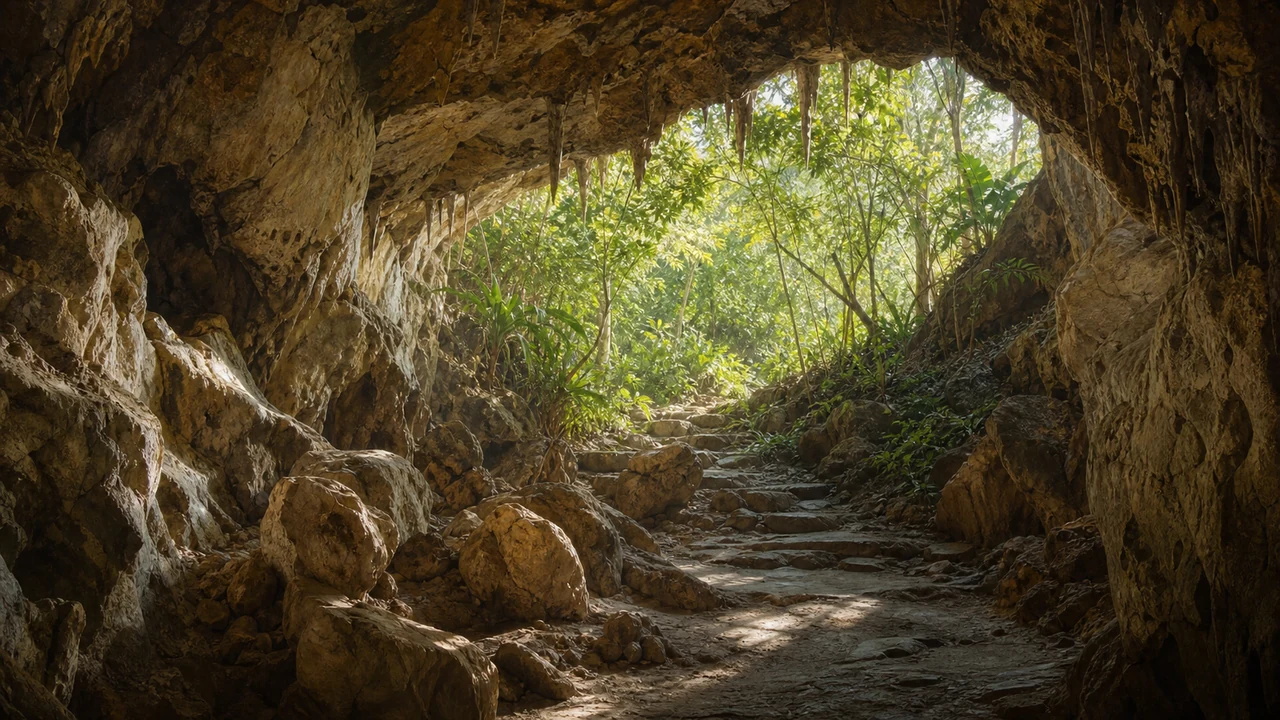
Costa Rica’s reputation for spectacular scenery rests mostly on what you can see: rainforest canopy, volcanic peaks, and Pacific and Caribbean beaches. But Barra Honda National Park, tucked into the dry hills of the Nicoya Peninsula in Guanacaste, harbors a world-class wonder that lies entirely out of sight — a labyrinthine system of limestone caves and underground caverns sculpted by nature over millions of years.
What Makes the Caves So Extraordinary
Barra Honda sits atop a karst limestone plateau. Rainwater, slightly acidified by carbon dioxide absorbed from the air and soil, has dissolved the rock over geological timescales to carve out a complex network of passages, vertical shafts, and large caverns. The same mineral-rich water that did the dissolving then deposited calcium carbonate in intricate formations as it dripped and evaporated inside.
The result is a subterranean gallery of stalactites hanging from cavern ceilings, stalagmites rising from the floor, and formations with evocative local names — shark’s teeth, fried eggs, popcorn, pearls — each one shaped by the patient work of water and time. Some formations are pure white; others carry delicate bands of ochre, rust, or grey from trace minerals in the rock.
The Cave System in Depth
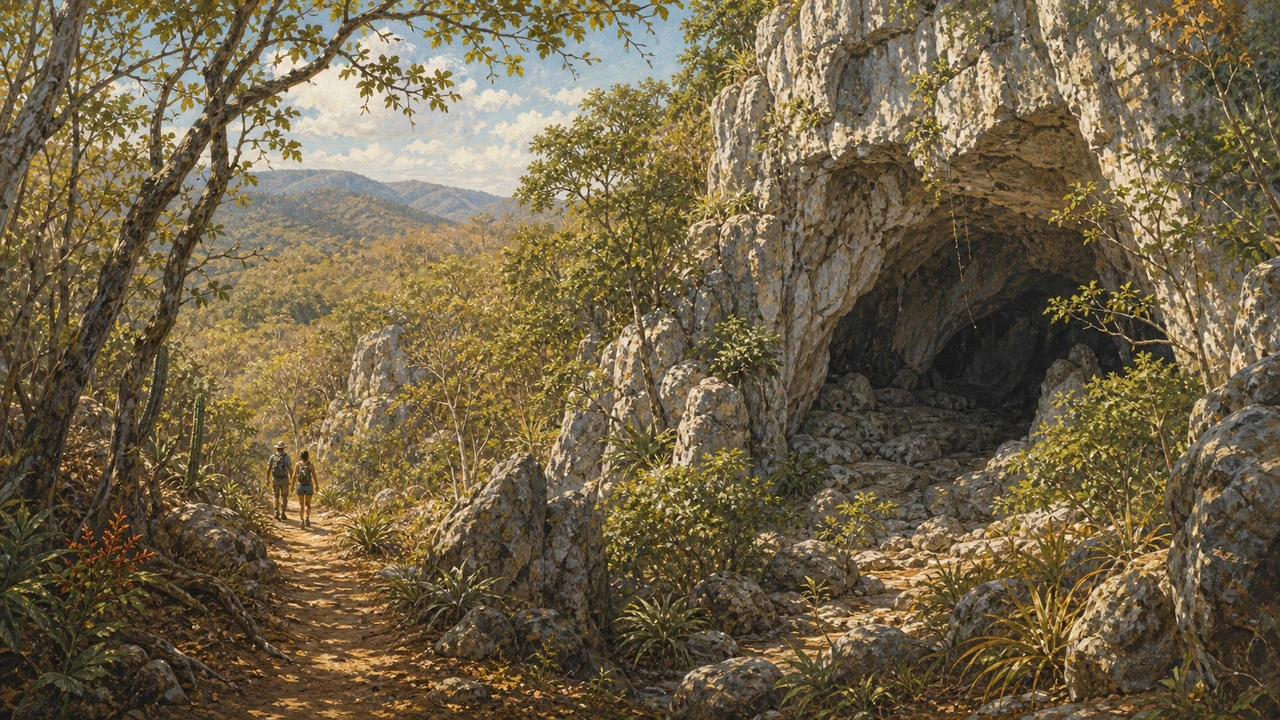
The park protects more than forty identified caverns of varying depth and accessibility. The deepest reach well over 200 meters below the surface. Most visitors descend into Terciopelo Cave, the most developed for tourism, which showcases a broad cross-section of the formations found throughout the system.
The descent is vertical — you rappel down on ropes with full safety harnesses — and the ascent uses a rope ladder. This is part of what makes the experience memorable: it is not a walk-through attraction but a genuine subterranean adventure in Costa Rica that requires a minimum of fitness and a spirit of curiosity.
Because of the technical nature of the descent, tours are limited to small groups of up to eight people. Trained park guides lead every visit and manage all equipment. Advance booking is required — call the park the day before your planned visit to confirm availability and reserve your guide and gear.
The Dry Tropical Forest Above
Do not treat the cave as the only reason to come. Barra Honda’s surface ecosystem is itself a highlight. The park protects several thousand acres of Guanacaste’s distinctive dry tropical forest of the Nicoya Peninsula, a habitat type that is far less common than rainforest and supports a distinct community of animals and plants.
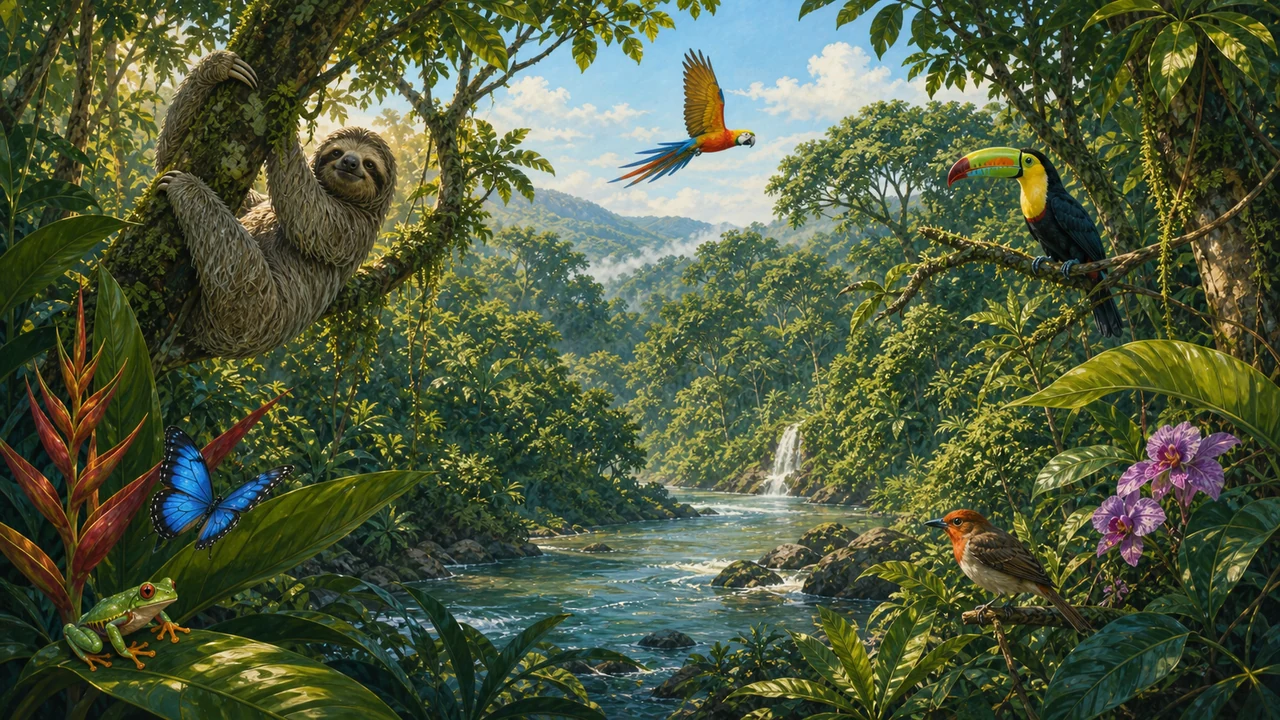
At first light the forest comes alive. White-faced capuchins and howler monkeys move through the canopy; white-tailed deer browse in clearings; ocelots, though elusive, are resident here. Raccoons, peccaries, opossums, and the large rodent known locally as tepescuintle are regularly spotted on trails. The birdlife is rich: tanagers, trogons, parakeets, and raptors are among the species you might encounter.
Arriving early is the single best piece of advice for wildlife watchers. Temperatures are cooler, the forest smells fresh from the night dew, and the animals are far more active before the midday heat sets in. The park’s trail network is well-maintained and passes through several vegetation zones as you climb toward the plateau.
The Mirador: Views Over the Gulf of Nicoya
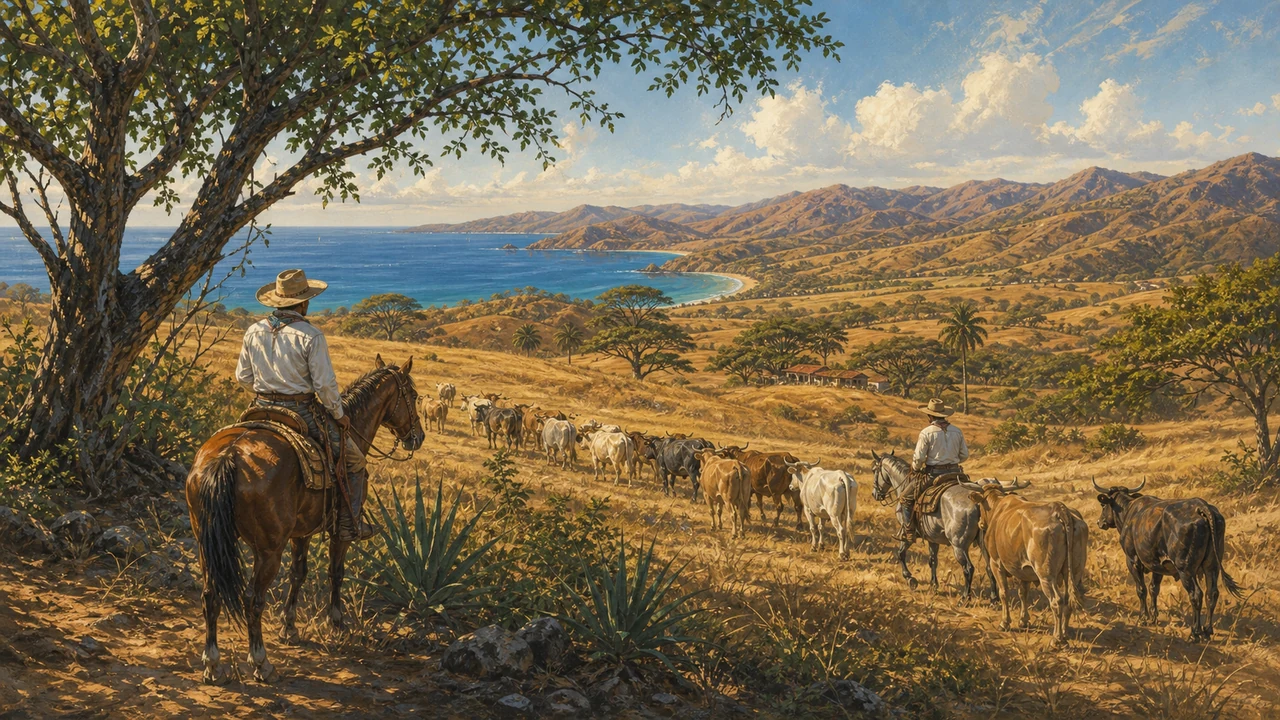
Near the top of the plateau, a lookout point rewards the uphill walk with panoramic views across the Tempisque River valley to the Gulf of Nicoya and its scatter of islands. On a clear morning the visual contrast is striking: the rugged, semi-arid terrain of the Nicoya Peninsula in the foreground, the glittering gulf beyond. This is one of the better viewpoints in Guanacaste and is easy to combine with a cave visit on the same day.
Practical Information
Barra Honda National Park is located in the Nicoya Peninsula region of Guanacaste, roughly 22 kilometers from the town of Nicoya. During the dry season (December through April) vehicles can drive much closer to the cave entrance, cutting the surface hike from around two hours down to roughly forty minutes. During the rainy season, the same trail through the forest becomes a more immersive — and muddier — walk.
The park has a visitor information center, picnic tables, and trails in good condition. A guided cave descent typically runs a half-day. Admission fees and tour costs are bundled together and cover park entry, safety gear, and your guide; check current rates when you call to reserve, as fees can change.
What to bring:
- Sturdy, closed-toe trekking or hiking shoes with grip
- Long trousers (cool inside the caves and on forested trails)
- Insect repellent
- Water and light snacks
- A light jacket or layer (cave temperatures stay cool)
The park also requires advance confirmation — call the day before to reserve guides and safety equipment.
Getting to Barra Honda
Most visitors combine Barra Honda with a broader Guanacaste itinerary. The nearest large town is Nicoya. If you are arriving by air, the Daniel Oduber International Airport (LIR) in Liberia serves Guanacaste directly and is a comfortable drive away. Alternatively, fly into Juan Santamaría International Airport (SJO) near San José and travel north by road — a scenic journey through the central valley and across the Tempisque bridge.
For broader context on what to see in the region, the Costa Rica ecotourism & nature section covers everything from rainforests and rivers to coastal reserves. Barra Honda pairs well with a visit to Palo Verde National Park, also in the Tempisque basin, for a full picture of Guanacaste’s lowland ecosystems.
Whether you are a seasoned spelunker or simply a curious traveler ready to go a little deeper than the usual tourist trail, Barra Honda delivers an experience that is genuinely unlike anything else in Central America — one of Costa Rica’s best-kept underground secrets, waiting for those willing to descend.
Frequently asked questions
Can anyone visit the caves at Barra Honda?
Yes — any visitor in good physical condition can take the guided descent. The tour requires advance reservation to secure guides and safety equipment. Groups are kept small (no more than eight people) for safety and the quality of the experience.
When is the best time to visit Barra Honda National Park?
Wildlife viewing is excellent year-round. During the dry season (December–April) the trails and access road are in better shape, which can significantly cut down the hike to the cave entrance. Arriving early in the morning gives you the best chance of spotting monkeys, deer, and birds while they are most active.
What should I bring for a Barra Honda cave tour?
Wear sturdy trekking or hiking shoes with good grip. Bring insect repellent, water, and some light snacks. The park provides helmets, harnesses, and other safety equipment as part of the guided tour. Call ahead the day before to confirm your reservation.
What wildlife can I see in the park besides the caves?
The dry tropical forest shelters white-faced and howler monkeys, white-tailed deer, ocelots, raccoons, peccaries, opossums, tepescuintle (paca), and anteaters, plus a rich variety of birds typical of the Nicoya Peninsula dry forest.
Is there a lookout point at Barra Honda?
Yes. The park has a mirador (lookout) with sweeping views over the Tempisque River valley and the Gulf of Nicoya, including several of the gulf's islands. It is an easy add-on to the cave visit.