Costa Rica for Coffee Lovers: Tours, Tastings & Brews
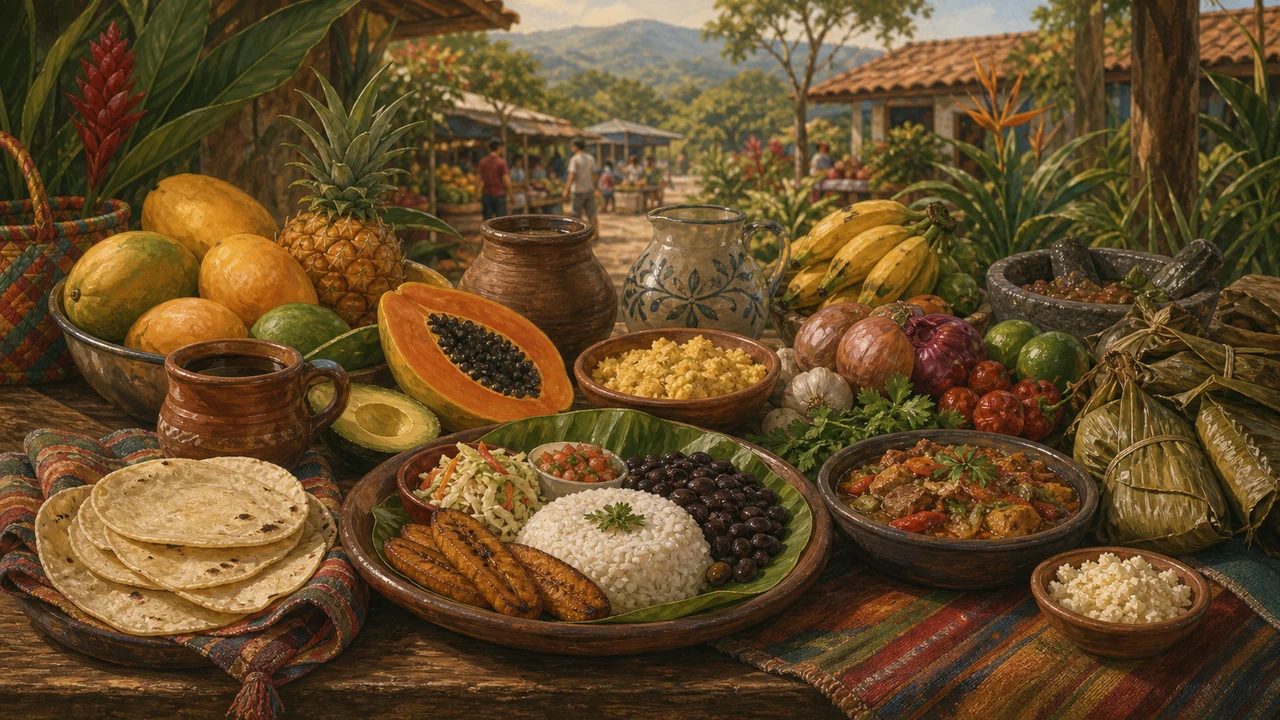 Costa Rica is one of the world’s great coffee destinations, and for travelers who take their coffee seriously, the country offers much more than a good morning cup — it offers the entire story, from volcanic soil to ceramic mug. Whether you want to pick ripe coffee cherries on a working farm, sip a perfectly calibrated pour-over in a San José specialty shop, or carry home a bag of single-origin beans, this is a trip worth planning carefully.
Explore the Costa Rica coffee pillar for a full overview of the country’s coffee heritage, and read on here for the practical, experience-focused guide that coffee lovers actually need.
Coffee Farm Tours: Getting Onto the Land
 The best way to understand Costa Rican coffee is to walk a farm. Most tour operators take you through the full arc of production: shaded nurseries, terraced rows of Arabica bushes on steep hillsides, the harvest process (manual picking remains the standard — only ripe red cherries are selected), wet-milling stations, raised drying beds, and finally the dry mill where parchment is removed before export.
Coffee farm tours in the Central Valley are the most accessible from San José. The regions of Naranjo and Palmares in the West Valley, and the slopes above Heredia and Alajuela, are within an hour or two of the capital and host several farms open to visitors. Tarrazú — often cited as Costa Rica’s most prestigious growing region — requires a longer drive south but rewards with dramatic mountain scenery and exceptionally clean, bright coffees.
Monteverde offers a different angle: coffee grown at cloud-forest elevations alongside biodiversity conservation, which fits naturally into the broader ecotourism and nature experience the region is famous for.
What to look for in a quality tour:
- Farm staff who actually work the land (not just tour guides)
- Tastings that compare processing methods — washed vs. natural vs. honey
- Honest explanation of the economic challenges facing coffee farmers
- The option to purchase directly from the farm at fair prices
Cupping and Tasting: The Sensory Side
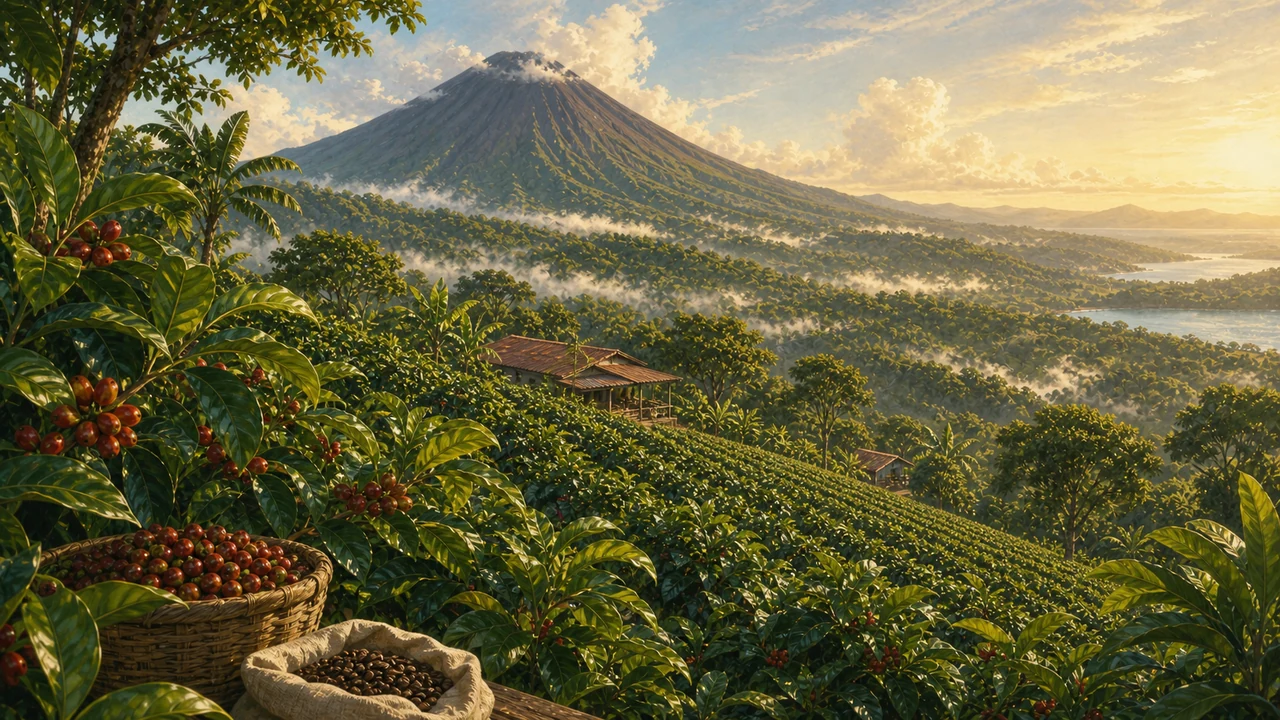 A cupping session (cata in Spanish) is the professional coffee tasting format, and an increasing number of Costa Rican roasters and farms offer them to visitors. The ritual is straightforward: freshly ground coffee is steeped in hot water in shallow bowls, the crust is broken and sniffed, and you spoon-taste each sample to evaluate aroma, acidity, sweetness, body, and finish.
Specialty coffee cupping workshops in San José are a genuine cultural experience. The capital’s third-wave coffee scene has matured significantly in recent years. Look for roasters with SCA (Specialty Coffee Association) certification — they tend to run structured cuppings on a regular schedule, sometimes pairing coffees from different microclimates (a Tarrazú washed alongside a Brunca natural, for instance) so you can taste how terroir and processing interact.
What serious tasters should note about Costa Rican coffees:
- High-altitude Tarrazú coffees typically show bright citrus acidity and a clean, tea-like finish
- West Valley (Naranjo, Palmares) tends toward stone fruit and floral notes
- Brunca Region in the south produces fuller-bodied cups with chocolate undertones
- Honey-processed coffees (common here) land between washed and natural — stone fruit sweetness with less ferment character
Where to Drink Great Coffee in Costa Rica
You don’t need to leave the city to taste exceptional coffee. San José has a growing number of serious specialty shops — small-batch roasters that source directly from farms, often with pour-over bars where skilled baristas prepare your cup to order. The neighborhoods around downtown (Barrio Escalante in particular) and the western suburbs toward Santa Ana have seen the most growth in this category.
Outside the capital, look for coffee in:
- Tarrazú towns like San Marcos de Tarrazú, where you can buy freshly roasted bags straight from small cooperatives
- Cartago and its surroundings — close to major growing zones and well-served by specialty shops
- Heredia, the province often called the birthplace of Costa Rica’s modern coffee culture
Avoid judging Costa Rican coffee by what you encounter at generic hotel breakfast buffets — those urns rarely reflect the country’s quality. Seek out places where the barista can name the farm and the varietal.
How to Brew Coffee Like a Tico: The Chorreador
 The chorreador is the soul of Costa Rican home brewing. It is elegantly simple: a wooden stand holds a cloth filter bag (the bolsita) over your cup or a ceramic pot. You pour hot (not boiling — around 93°C/200°F works best) water slowly through freshly ground coffee, and gravity does the rest. No paper filters, no machine, no electricity required.
Brewing with a chorreador like a Tico means:
- Grind your beans medium-coarse — finer than drip but coarser than espresso
- Pre-rinse the cloth bag with hot water to remove any fabric taste
- Add your grounds to the bag and pour in a slow, steady spiral
- Let it drip fully before removing the cup — no rushing
The cloth bag needs care: rinse it thoroughly after every use, hang it to dry completely, and replace it when it starts to discolor or impart off-flavors. Locals who use chorreadors daily often keep two bags in rotation.
Chorreadors make excellent souvenirs and gifts. You will find them in gift shops, airport stores, and directly from artisan woodworkers at craft markets. Prices vary by wood type and craftsmanship — handmade hardwood versions are worth the extra cost.
Buying Beans to Take Home
The final mission for any coffee-loving visitor: leaving with the right beans. A few guidelines:
Buy whole roasted beans, not ground. Grinding destroys volatile aromatics quickly; whole beans stay fresh far longer, especially vacuum-sealed.
Look for single-origin, single-estate bags over blends. Blends are not necessarily inferior, but a single-estate Tarrazú or West Valley coffee tells a cleaner story and gives you something specific to remember.
Check the roast date, not just the “best by” date. Freshly roasted beans (within the past two to four weeks) are ideal. Specialty roasters always print the roast date.
For context on how Costa Rica’s coffee market is structured — cooperatives, exporters, and the economics of specialty grading — and for the historical arc that turned the country into a coffee republic, those linked pages go deeper.
Good airports for last-minute coffee shopping: Juan Santamaría (SJO) near San José has a solid selection of reputable local roasters airside. If you’re flying from Liberia (LIR) in Guanacaste, the selection is smaller — stock up in Guanacaste towns or the Central Valley before heading to the airport.
If you’re still planning your trip and wondering how coffee fits into a broader Costa Rica itinerary, the travel tips and why visit Costa Rica pages offer a fuller picture of what makes this small country such a compelling destination.
Frequently asked questions
What is a chorreador and where can I try one?
A chorreador is the traditional Costa Rican pour-over coffee stand — a wooden frame that holds a cloth filter bag called a bolsita. Hot water is poured slowly over freshly ground coffee and drips straight into your cup. You can watch the process at most local sodas (family diners), roadside pulperías, and specialty coffee shops across the country. Many coffee farms sell handmade chorreadors as souvenirs.
Which regions offer the best coffee farm tours in Costa Rica?
The Central Valley and Central Highlands — especially the areas around Tarrazú, Naranjo (West Valley), Heredia, and Cartago — are the heart of Costa Rican coffee country. Monteverde also has well-regarded farm tours accessible from the cloud-forest lodges. Most tours run during the October–February harvest season but operate year-round.
Is there a difference between a coffee tour and a coffee cupping session?
Yes. A farm tour walks you through growing, picking, and processing — from seedling to dried bean. A cupping session (cata) is a professional tasting format: you compare several coffees side-by-side, evaluating aroma, acidity, body, and finish. Many specialty coffee shops in San José and Cartago offer cupping workshops; look for SCA-certified roasters.
Can I bring Costa Rican coffee beans home on the plane?
Yes. Whole roasted beans (and sealed ground packs) are generally permitted in carry-on and checked luggage for most international travelers. Unroasted green beans may face agricultural restrictions in some countries — check your destination's rules. Vacuum-sealed, well-labeled bags are your safest bet.
What makes Costa Rican coffee different from other specialty coffees?
Costa Rica grows exclusively Arabica varieties — a legal distinction unique to very few countries. The combination of high altitude, volcanic soil, two distinct dry and wet seasons, and rigorous processing standards (honey and washed methods dominate) produces coffees known for bright acidity, floral aromatics, and clean, balanced finishes.