Costa Rica Fishing Seasons: What's Biting Month by Month
Costa Rica offers some of the most consistent sportfishing in the Western Hemisphere, with world-class action on both the Pacific and Caribbean coasts across every month of the year. The key to planning a great trip is knowing which species peak when — and in which region. Whether you’re chasing billfish on the Pacific during peak sailfish season or targeting the legendary tarpon runs on the Caribbean, there is always something biting.
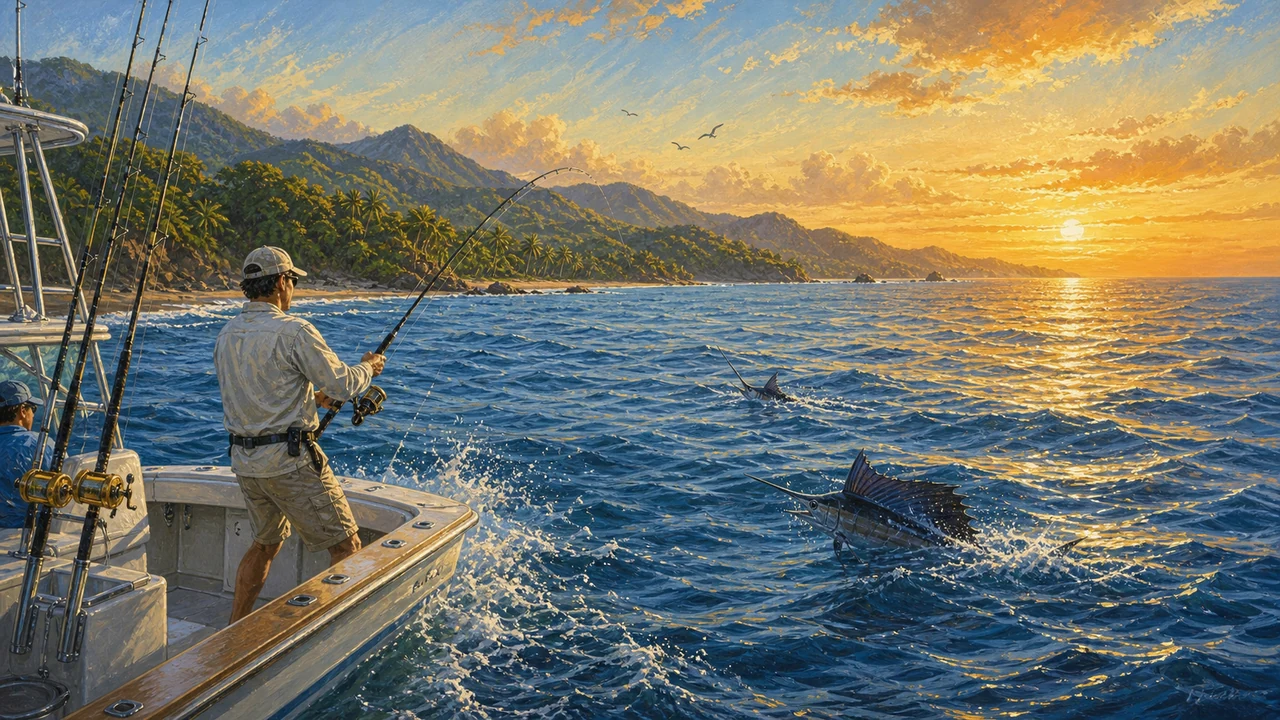
Pacific Coast: Billfish, Tuna, and Dorado
The Pacific side is Costa Rica’s sportfishing flagship. Sailfish, three species of marlin (blue, black, and striped), yellowfin tuna, and dorado (mahi-mahi) are the main targets — and all are catch-and-release for billfish, a conservation rule that has helped keep these fisheries legendary.
Peak months by region:
- Southern Pacific (Golfito, Zancudo, Drake Bay): January through March tend to be the strongest months out of Golfito, with billfish action firing up early in the new year. The region is also one of the best platforms for targeting black marlin, which appear here more reliably than farther north.
- Central Pacific (Quepos, Los Sueños, Jacó, Playa Carrillo): February through April is the prime window for the Central Pacific corridor, widely considered the heartbeat of Costa Rican sportfishing. The legendary marinas at Los Sueños near Jacó give anglers access to deep blue water quickly. Grand slams — catching two billfish species plus a sailfish in a single day — are genuinely achievable here in peak season.
- North Pacific / Guanacaste (Tamarindo, Flamingo, Papagayo): As the season progresses, the fish move north. Tamarindo and Playa Flamingo typically see heavy billfish activity from May through September, with action often extending well into the fall. The dry-season winds settle down over Guanacaste and offshore conditions become ideal.
Tuna and dorado complement the billfish calendar and make excellent table fare. Yellowfin tuna can run large on the Pacific side, with specimens exceeding 200 pounds caught regularly — especially over offshore structure and seamounts. Four IGFA Pacific blue marlin world records have been set in Costa Rican waters, underlining just how exceptional these fisheries are.
Caribbean Coast: Tarpon and Snook

The Caribbean tarpon fishing at Barra del Colorado is among the finest in the world and a fundamentally different experience from the Pacific. Here the focus shifts to two resident species: tarpon (the “Silver Rocket”) and snook.
Tarpon are present on the Caribbean coast throughout the year, but January and February are traditionally peak months. The fish average well over 100 pounds, with 200-pound specimens caught regularly. They are notorious aerial acrobats — launching themselves far out of the water, spinning, and crashing back — making the hookup as electric as any moment in sportfishing. Landing one out of every four hooked fish is considered good; most are jumped and lost, which is half the thrill. Like billfish on the Pacific, tarpon in Costa Rica must be released alive.
The most consistent action is at the mouths of the Río Colorado and the Río Parismina, where the rivers meet the sea at Barra del Colorado Wildlife Refuge. Tarpon also migrate up the Río Colorado into the San Juan River (which forms the border with Nicaragua), traveling as far as Lake Nicaragua where they are believed to spawn. On days when the sea is rough, tarpon hold just inside the river mouths and action remains productive.
Snook peak in November and into December on the Caribbean side, though they can be caught year-round. The species found here — common snook (Centropomus undecimalis) along with the smaller calba snook — have generated multiple IGFA world records in this region, including the all-tackle record for common snook. The calba, averaging around three pounds, is a dynamic light-tackle target and, unlike the protected billfish and tarpon, can be kept for the table in accordance with local regulations.
January and February: The Premium Window

While Costa Rica fishes well year-round, January and February stand out as a particularly rare moment when both coasts fire simultaneously. On the Pacific, billfish action along the Southern and Central Pacific is at or near its annual peak. On the Caribbean, tarpon action is wide open at the river mouths. A visiting angler with a week to spare can realistically target Pacific billfish for several days, then fly over to the Caribbean for tarpon — a combination few destinations anywhere in the world can offer.
All-inclusive lodge packages at Barra del Colorado typically cover lodging, meals, fishing, and air transport from San José, which keeps the logistics simple. Several lodges also operate out of Parismina, south of Barra, offering a quieter and more remote experience on the same fishery.
Offshore Peaks: A Quick Reference
| Month | Pacific South | Pacific Central | Pacific North | Caribbean |
|---|---|---|---|---|
| Jan–Feb | Billfish peak | Billfish building | Off-season | Tarpon peak |
| Mar–Apr | Strong billfish | Billfish peak | Building | Tarpon / Snook |
| May–Jun | Good | Strong | Building | Variable |
| Jul–Sep | Moderate | Good | Billfish peak | Variable |
| Oct–Nov | Offshore building | Good | Strong | Snook peak |
| Dec | Billfish building | Billfish building | Moderate | Tarpon building |
These patterns reflect typical multi-year conditions. Actual fishing varies by year; always consult local captains before booking.
Choosing a Base

Los Sueños and Quepos on the Central Pacific offer the widest infrastructure — large marinas, dozens of charter boats, and quick access to deep blue water. They make a natural base for first-time visitors who want professional-grade sportfishing without committing to a remote lodge.
Golfito on the Southern Pacific is a smaller, more intimate option with strong early-season billfishing and proximity to the Osa Peninsula. Anglers combining a fishing trip with ecotourism and nature often base here to visit Corcovado National Park as well.
Tamarindo and Flamingo in Guanacaste work well for anglers traveling into Liberia’s Daniel Oduber International Airport (LIR), avoiding the longer drive from San José (SJO). The Guanacaste season peaks later in the year, making these ports ideal for mid-year or fall fishing trips.
Barra del Colorado on the Caribbean is remote — typically reached by domestic flight or charter from San José — but it rewards the journey with a fishing experience that has no real equal for tarpon. Lodge-based packages make organizing a visit straightforward.
For broader trip planning, see Costa Rica travel tips and the full guide to activities and sports across the country.
Frequently asked questions
When is the best time for sailfish in Costa Rica?
Sailfish are present on the Pacific coast virtually year-round, but peak action typically runs from December through April along the Central and Southern Pacific, then shifts north toward Guanacaste from May through September. Expect multiple-release days at the height of the season.
What months are best for tarpon fishing on the Caribbean coast?
January and February are traditionally among the strongest months for tarpon at Barra del Colorado and Parismina. Tarpon are present year-round on the Caribbean, though action can be affected by seasonal river conditions and sea state.
Can I target both Pacific billfish and Caribbean tarpon on the same trip?
Yes — fly into San José (SJO), spend a few days targeting billfish or dorado on the Pacific side, then take a short domestic flight or charter to Barra del Colorado for tarpon. Many anglers combine both coasts into a single week-long trip.
Are billfish protected in Costa Rica?
Yes. Sailfish, marlin, and tarpon are all catch-and-release only in Costa Rica — they must be released alive. This conservation approach has helped maintain world-class fisheries that other destinations have lost.
What is a 'grand slam' in Costa Rica sportfishing?
In Costa Rica waters, a Pacific grand slam means catching two of the three billfish species — blue marlin, black marlin, and striped marlin — plus at least one sailfish, all on the same day. The concentrated fisheries off the Central and Southern Pacific make this genuinely achievable.