Costa Rica Ranch Experience: Sabanero Culture & Scenic Trains
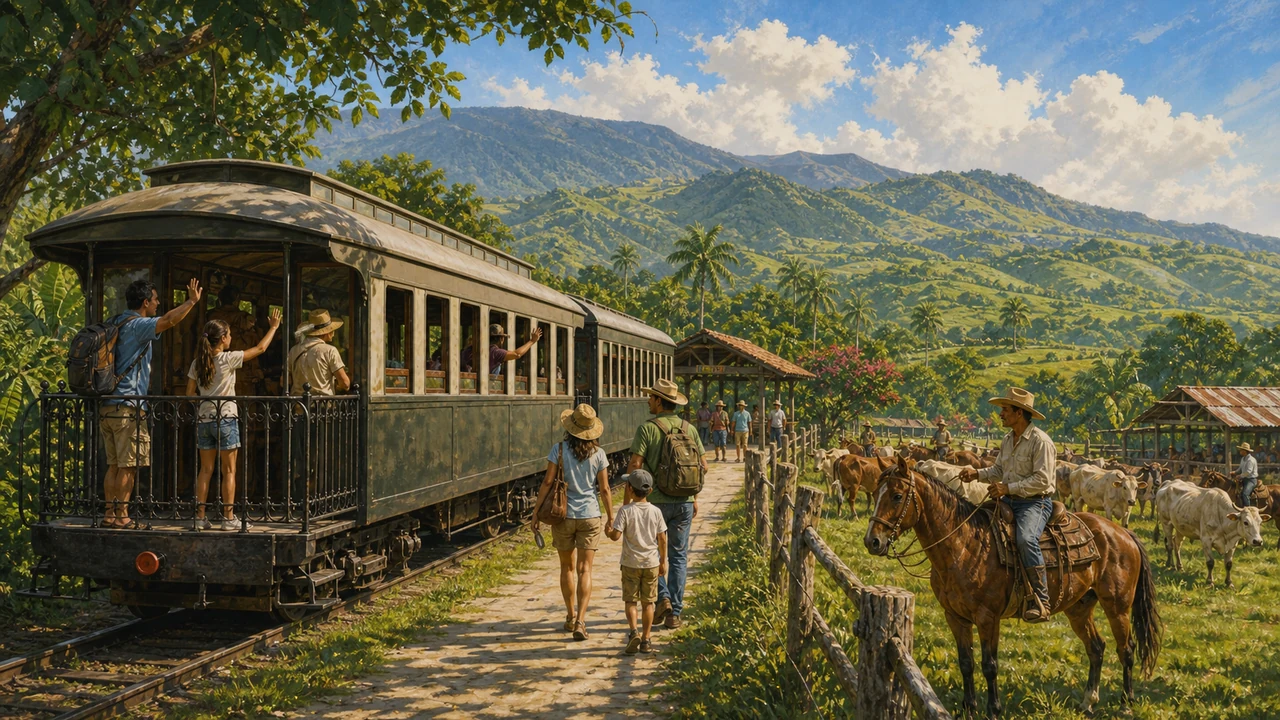
A traditional Costa Rica ranch experience delivers something no zip-line or white-water run can match: the living pulse of rural Tico culture, where skilled horsemen still perform the same faenas their grandparents did, and farm kitchens turn out sour cream and cheese the old-fashioned way. Pair that with a scenic rail journey through the cloud-kissed highlands west of San José, and you have one of the most authentically Costa Rican days imaginable.
This corner of Costa Rica’s activities and adventures sits squarely in the country’s agro-ecotourism tradition — an approach that puts visitors shoulder-to-shoulder with farmers, ranchers, and rural communities rather than keeping them at arm’s length.
The Sabanero: Costa Rica’s Cowboy Heritage
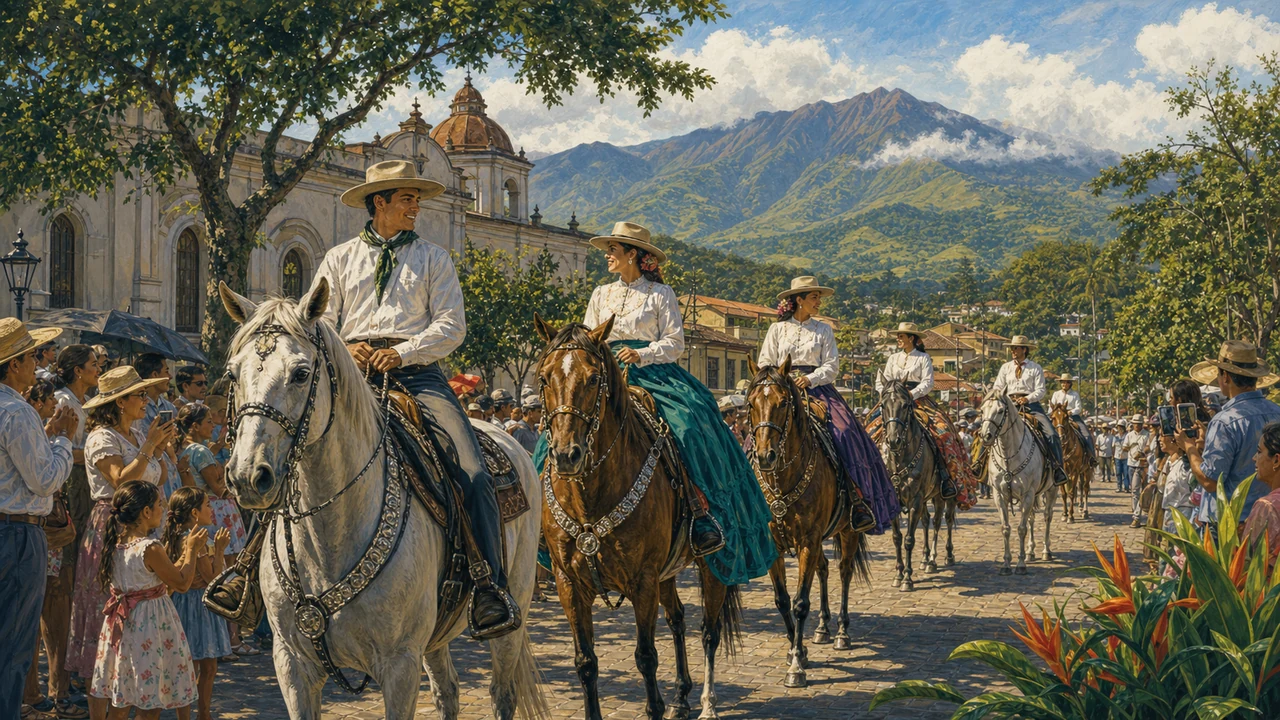
The sabanero is Costa Rica’s answer to the cowboy, and the culture runs deepest in Guanacaste — the broad Pacific province whose open savannas have shaped a distinct identity built around cattle, horses, and the land. But sabanero horsemanship traditions in Costa Rica are not confined to the northwest; agricultural schools and working ranches throughout the Central Valley and highlands keep these skills alive through formal education and public festivals.
The heart of the sabanero tradition is the horse. Costa Rican horseback riding emphasizes precise, gentle horsemanship — controlling an animal with subtle cues rather than force. Many agricultural schools teach the full spectrum of animal husbandry alongside riding technique, producing new generations of cowboys and cowgirls who compete in regional rodeo events and community festivals.
For travelers, a visit to a working ranch or agricultural school offers a window into this heritage that no museum exhibit can replicate. You watch the same events, eat the same food, and stand on the same ground as Ticos who have celebrated rural life for generations.
Ranch Visits and Agro-Ecotourism
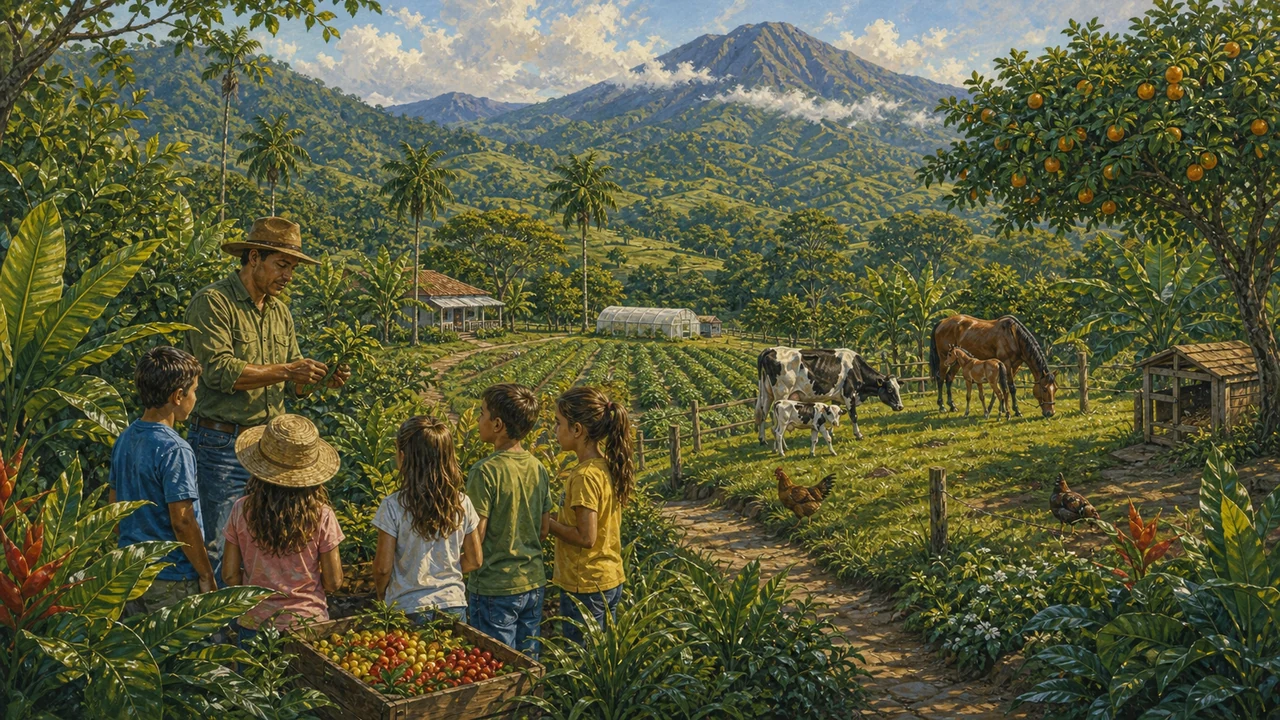
Agro-ecotourism ranch experiences in Costa Rica typically revolve around agricultural schools and working farms that open their gates to visitors. The appeal is broad: you might spend a morning watching student cowboys demonstrate calf roping and ring-spearing on horseback, then move to a farm kitchen for a lunch of slow-cooked casado and hand-pressed corn tortillas smothered in house-made sour cream.
Common highlights at ranch and agro-tourism properties include:
- Rodeo demonstrations — faculty and students showcase calf roping, ring-spearing (carrera de cintas), and mounted horsemanship. The carrera de cintas is especially captivating: a rider at full gallop must thread a stick barely thicker than a drinking straw through a tiny suspended ring. Success is rare, which makes every triumph an eruption of cheers.
- Working animal areas — many agricultural schools maintain a range of animals beyond horses and cattle, including crocodile or caiman research facilities where guides explain conservation and behavior up close.
- Dairy and food production — farm-fresh cheese, sour cream, yogurt, and milk produced on-site are often available for purchase, offering a direct link between farm and table that characterizes the best of Costa Rica’s ecotourism and nature sector.
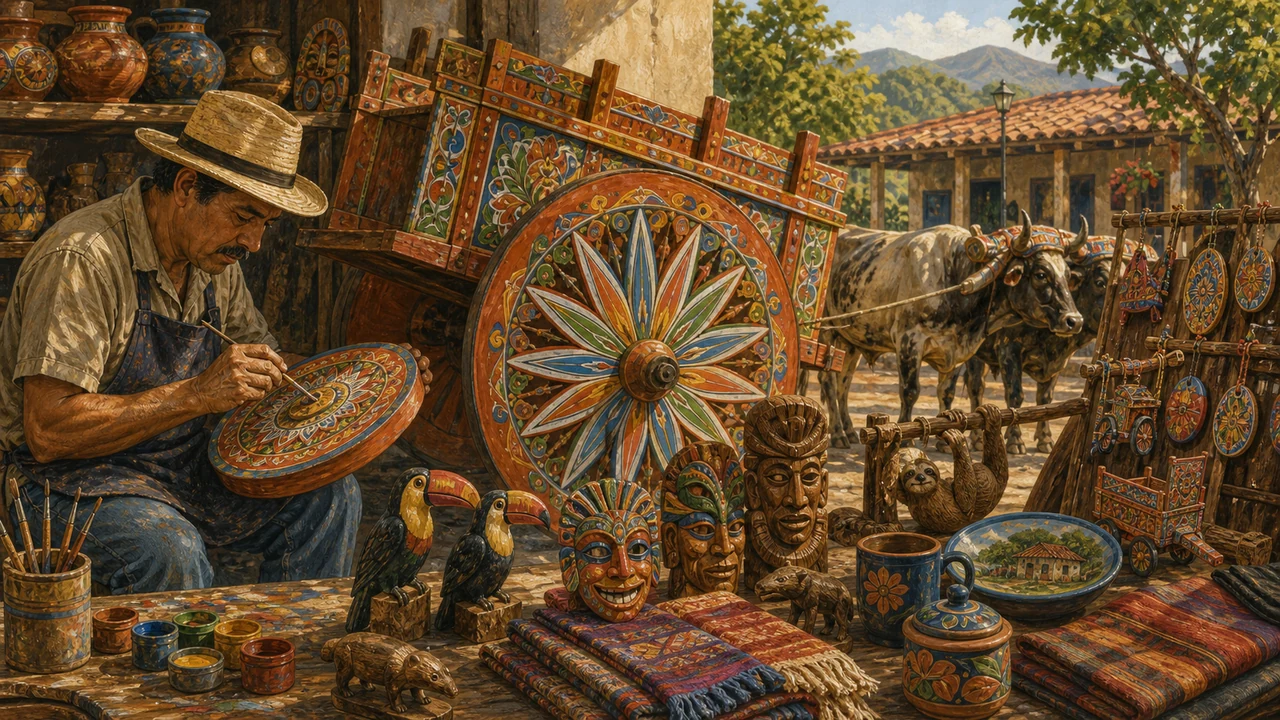
- Walking and oxcart trails — properties with extensive acreage offer guided hikes, tractor tours, or traditional oxcart rides through pastures and forest edges, revealing the agricultural landscape at a comfortable pace.
The combination makes for a full-day itinerary that feels genuinely immersive rather than staged for tourists. Meals are simple, generous, and deeply local — the kind of cooking that rarely makes it into hotel restaurants.
Scenic Train Journeys Through the Central Valley
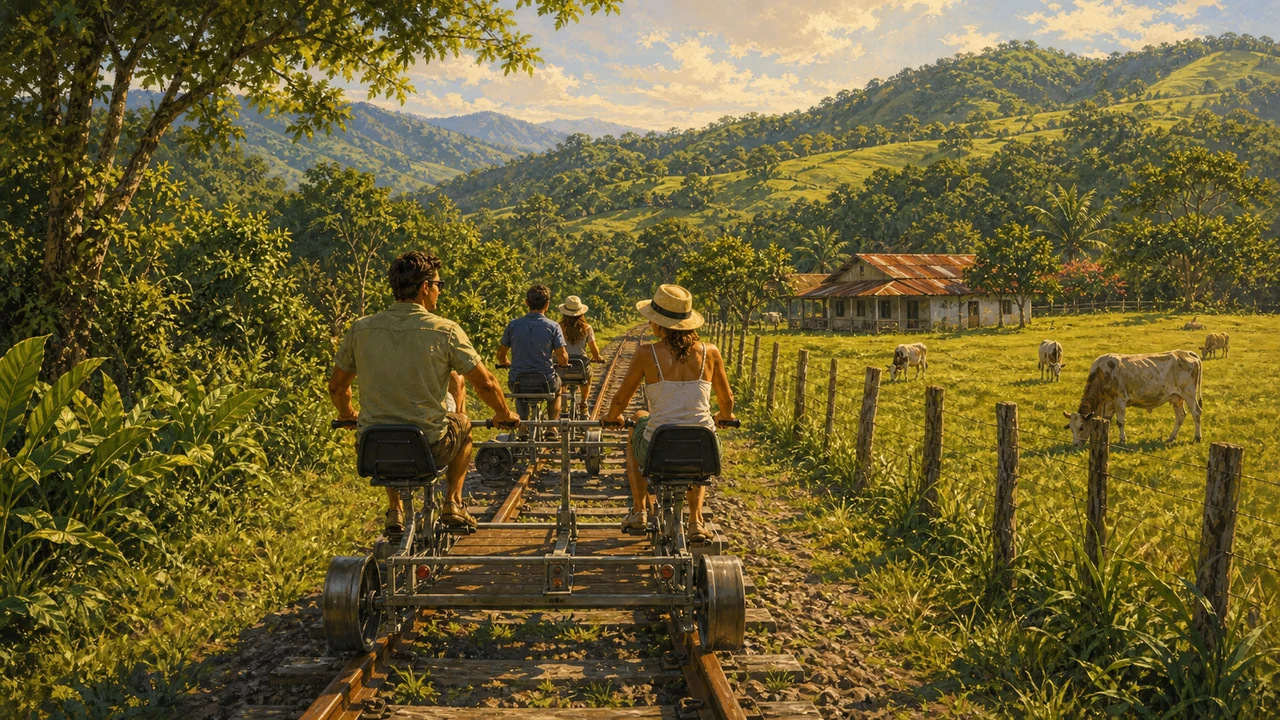
The Central Valley’s terrain — a highland basin ringed by volcanoes, draped in coffee farms and patchwork green hills — is best appreciated at a pace that lets you actually look. Scenic train travel through Costa Rica’s Central Valley offers exactly that: a slow, swaying passage through landscapes that a car on the highway simply blurs past.
Departing from San José, rail routes heading west toward Alajuela and the Atenas foothills pass through a layered panorama: dense urban neighborhoods giving way to small-scale market gardens, then open hillsides dotted with cattle and the occasional roadside stand selling fresh cheese. The wood-framed windows of older rail cars frame the view like paintings.
What makes these journeys memorable is the social texture. Local musicians sometimes travel through the cars, playing traditional Costa Rican songs; vendors board at small stations with homemade snacks — chicken-filled gallos, cheese tortillas — that make the trip feel like a rolling community event as much as a tourist excursion.
The gentle rhythm of rail travel, especially on older rolling stock, carries a palpable nostalgia. When rail travel dominated Costa Rica’s transport network in the early-to-mid twentieth century, these lines were the arteries of commerce and daily life. Riding them now — past the same hills and rivers — offers a rare chance to imagine that era.
Combining the Train and Ranch Experience
One of the most satisfying ways to spend a day in Costa Rica is to combine both elements: travel out to the rural highlands by train, arrive at a ranch or agricultural school for a morning of rodeo and farm activities, share a typical lunch with local families, then roll back to the city as afternoon clouds gather over the volcanoes.
This kind of itinerary connects several layers of Costa Rica’s culture and heritage in a single day:
- The independence and self-sufficiency of rural farming communities
- The technical skill and pride embedded in sabanero horsemanship
- The Central Valley’s extraordinary landscape, seen at human speed
- Farm-to-table food culture in its most literal form
Tour operators based in San José regularly offer combined train-and-ranch excursions, particularly on weekends when agricultural schools host public rodeo events. Booking through a licensed operator provides logistics, bilingual guiding, and direct access to school events that may not be publicly listed.
Planning Your Visit
Practical tips for a Costa Rica ranch and train experience:
- Best timing: Rodeo events and school faenas are most common on weekends and during national holidays, particularly around Costa Rica’s Fiestas Cívicas season. The dry season (December through April) means more reliable rail operations and comfortable outdoor conditions, but the lush green landscape of the wet season has its own beauty.
- What to wear: Comfortable walking shoes or light hiking footwear, sun protection for outdoor rodeo viewing, and a light jacket or poncho if visiting in the wet season. Dust can be a factor at rodeo events.
- Food: Meals at agricultural schools and ranch events are typically included in tour packages or priced very affordably on-site. Expect hearty, traditional Tico food — rice, beans, proteins, fresh tortillas — rather than international cuisine.
- Accessibility: Many properties accommodate families with young children and older travelers through optional vehicle or oxcart transport for longer distances on-site.
For broader trip planning, see Costa Rica travel tips and check out the full range of adventure activities in Costa Rica for additional day-trip options. If horseback riding is a priority, dedicated equestrian tour operators throughout the country offer everything from beach rides to mountain trails guided by experienced sabanero instructors.
Costa Rica’s ranch heritage is not a re-enactment — it is a living tradition, practiced daily by communities who take genuine pride in their craft. Joining them for a day, even as an outsider, leaves an impression that lingers long after the train pulls back into the city.
Frequently asked questions
What is a sabanero in Costa Rica?
A sabanero is a Costa Rican cowboy, particularly associated with the Guanacaste region and rural ranching traditions. The word comes from 'sabana' (savanna), reflecting the open grasslands where these skilled horsemen have worked cattle for centuries. Sabanero culture is a proud part of Costa Rican national identity.
What events happen at a Costa Rican rodeo?
Traditional Costa Rican rodeos (called topes or faenas) feature events such as calf roping, the carrera de cintas (where a rider on horseback must spear a tiny ring with a slender rod), and horsemanship exhibitions. Unlike some rodeos, the atmosphere is festive and family-friendly, with music, typical food, and a celebratory crowd.
What is agro-ecotourism in Costa Rica?
Agro-ecotourism blends agricultural education with nature-based tourism. Visitors experience working farms, animal husbandry operations, and rural food production firsthand — tasting farm-made cheese, observing crocodile farms, or riding oxcart trails through pastures. It is a growing segment of Costa Rica's sustainable tourism model.
Can I take a scenic train ride in the Central Valley?
Scenic rail journeys through Costa Rica's Central Valley highlands pass through coffee country, rolling green hills, and charming small towns between San José and the Atenas region. The experience offers a slower, nostalgic perspective on landscapes that most visitors only see from a car window.
Is a Costa Rica ranch visit suitable for families?
Yes — ranch and agro-ecotourism visits are excellent for families. Children typically enjoy interacting with farm animals, watching horseback demonstrations, sampling homemade dairy products, and exploring walking trails. Activities can be paced to suit young children and older travelers alike.