Costa Rica Bullfight: The Tico Tradition Explained
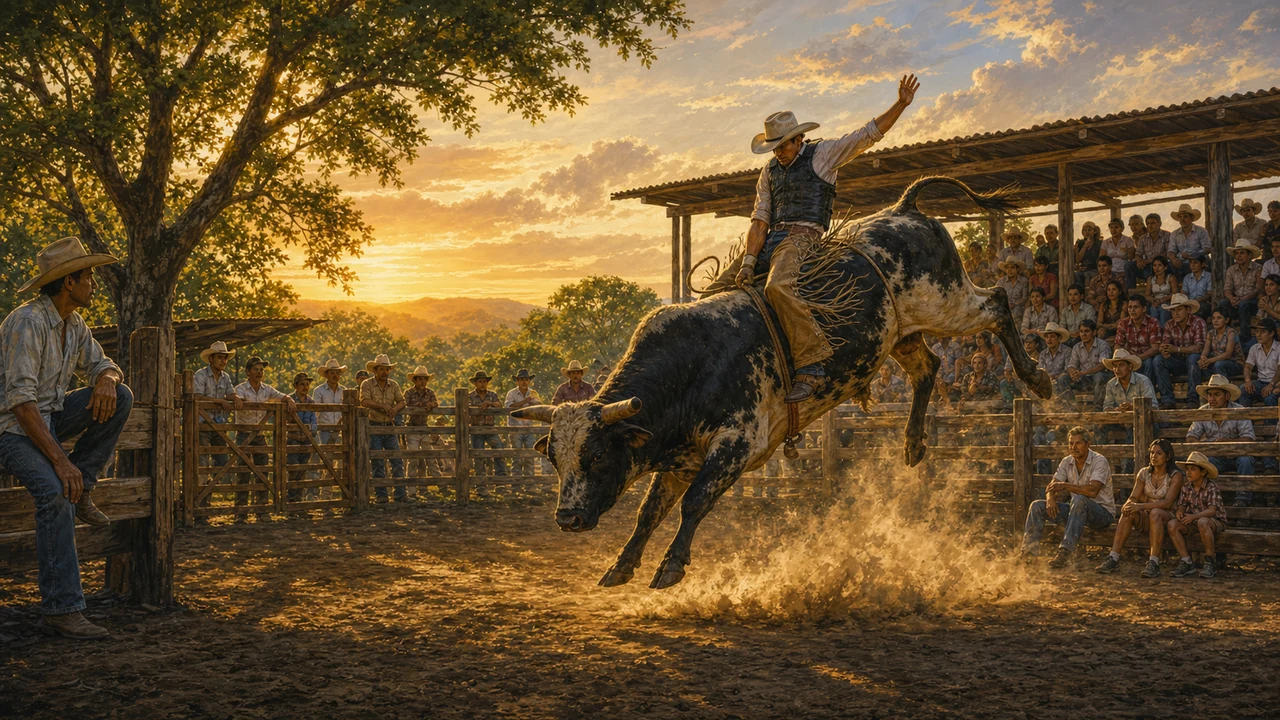 Costa Rica’s bullfighting tradition — known locally as corridas a la tica or simply toros — is unlike anything you will find in Spain or Mexico. The bull is never harmed, never killed, and the whole affair sits somewhere between sport, folk comedy, and community festival. If you stumble into a corrida expecting the solemn pageantry of European bullfighting, you will be pleasantly surprised by how joyfully chaotic it is.
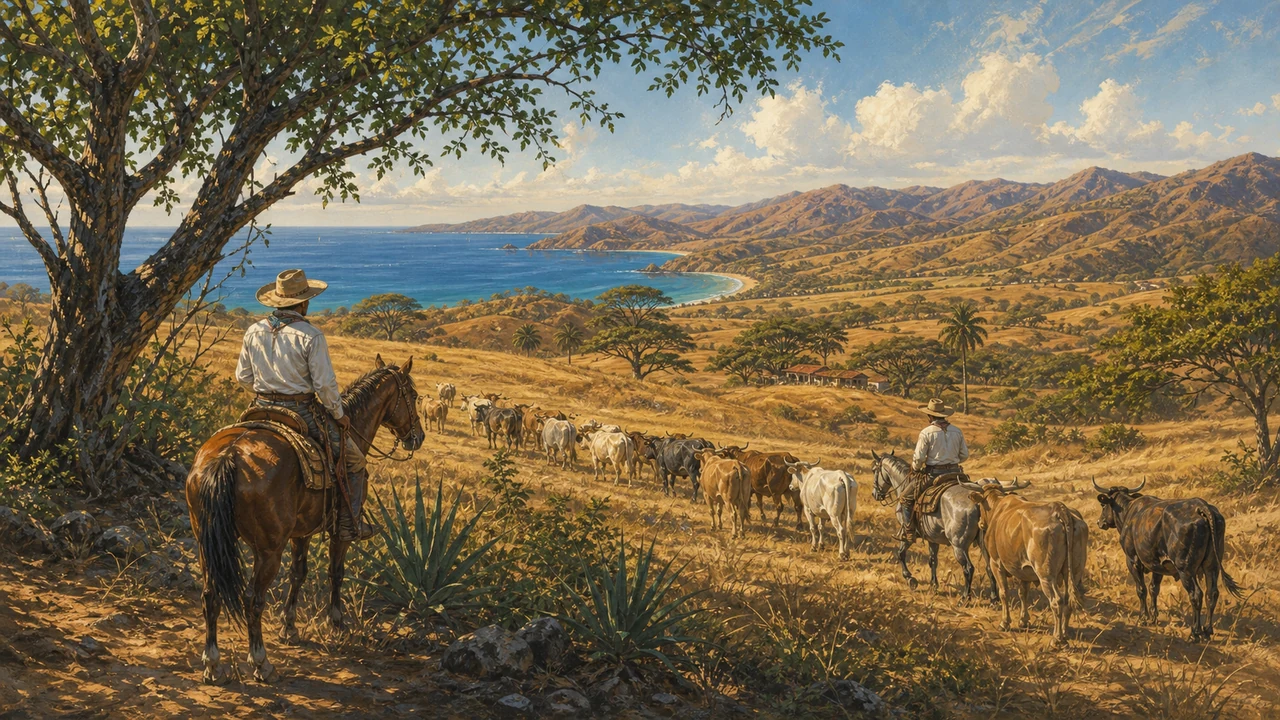
The tradition stretches back to the first Spanish settlers and the working cowboys, or sabaneros, of Guanacaste — the province long nicknamed the “Texas of Costa Rica.” Proving your nerve against a bull was a natural extension of ranch life, and the practice evolved into a beloved popular event rather than an aristocratic spectacle.
How a Corrida a la Tica Works
The mechanics are simple. A large bull — typically weighing around 1,500 pounds — is released into a wooden arena. Rather than a single trained matador, the ring fills with improvisados: ordinary men (and occasionally women) from the crowd who volunteer to face the animal. Some are experienced amateurs who have done it dozens of times; others are first-timers acting on pure bravado.
 The improvisados have no weapons and no obligation to stand their ground. The goal — to the extent there is one — is to stay close to the bull, dodge its charges, and ideally execute a graceful move before scrambling to safety. In practice, there are a lot of undignified sprints toward the fence and tumbles over the barrier, all of which the crowd greets with howls of laughter. Clowns and professional rodeo riders in the ring help manage the animal and add to the entertainment. When a rider does manage to stay seated on a bucking bull in Guanacaste style, the cheers are genuine.
The bull is not hurt. After the session it is returned to its pen. This single fact makes the corrida a la tica ethically distinct from its Iberian cousin and is a point of considerable local pride.
The Fiestas: Zapote and Palmares
The two most famous corrida events take place during the Christmas holiday stretch, drawing tens of thousands of spectators.
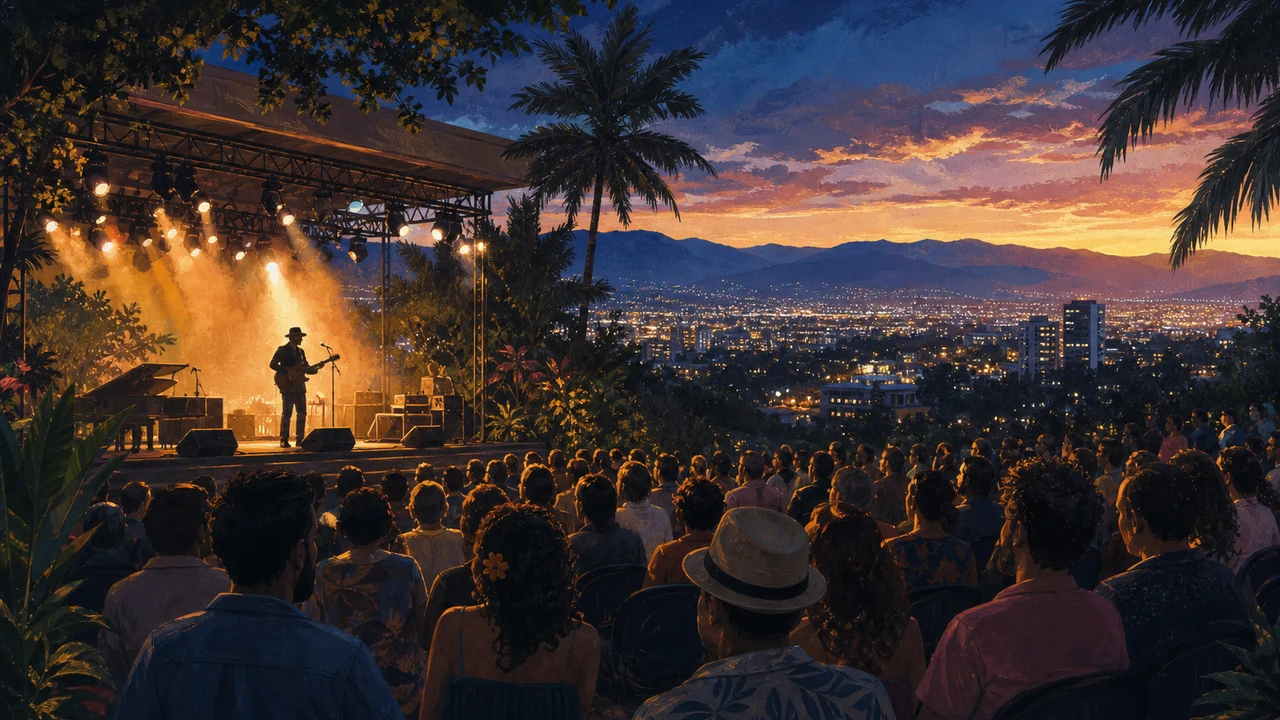
Zapote (a district on the eastern edge of San José) hosts the largest bullfighting fiesta in the country during the last days of December and the first days of January. The temporary arena goes up in a fairground setting surrounded by food stalls, carnival rides, and live marimba and salsa music. Attending the Zapote fiestas at New Year is a quintessential Tico experience — long queues, late nights, and a genuine cross-section of Costa Rican society from every walk of life.
Palmares, a small town in Alajuela province, hosts its annual Fiestas de Palmares every January — a two-week festival that rivals Zapote in popularity. The corridas run nightly alongside concerts, amusement parks, and food fairs. The combination draws crowds that can rival major outdoor music festivals elsewhere in Latin America.
Both events are well-organized, relatively safe for spectators, and genuinely enjoyable even if you have no particular interest in the corrida itself. Explore the broader range of activities and sports in Costa Rica if you want to fill the rest of your trip.
Guanacaste: Sabanero Culture and the Tope
 The corrida’s deepest cultural roots lie in Guanacaste, and the province’s toros and tope culture in Guanacaste goes well beyond the ring. A tope is a horse parade — a procession of elaborately groomed horses and their riders through a town’s main street, often drawing horses from across the country. The National Tope in San José each December is the most famous, but Guanacaste towns hold their own topes as part of local patron-saint fiestas throughout the year.
July 25 — Guanacaste Annexation Day, the province’s independence from Nicaragua in 1824 — triggers the biggest regional celebrations. Towns like Liberia, Nicoya, and Santa Cruz host multi-day fiestas combining corridas, topes, cattle exhibitions, and traditional baile típico (folk dancing). Experiencing Guanacaste’s annexation day celebrations offers a window into a regional identity that is proud, rural, and deeply tied to the land.
The sabanero tradition is alive and working. Cattle ranching remains an important part of the Guanacaste economy, and many of the men who enter the ring at a corrida spend their weekdays working with cattle on the region’s expansive haciendas. You can explore that world further through rural tourism in Guanacaste, which connects visitors with working ranch communities.
Visitor Tips
 Attending a corrida or fiesta is straightforward, but a few practical notes help:
- Timing: Zapote and Palmares run December–January; Guanacaste regional fiestas cluster around July 25 and patron-saint holidays (dates vary by town each year).
- Arrive early or late: Peak-evening sessions at Zapote draw enormous crowds. Early evening tends to be less packed; the action heats up after 9 p.m.
- Food and drink: Arena food stalls are part of the experience — chicharrones, tamales, gallos, and guaro (Costa Rica’s sugarcane spirit) are all on offer.
- Transport: For Zapote, taxis and rideshares are practical from central San José. For Palmares or Guanacaste events, renting a car gives you more flexibility. Check current Costa Rica travel tips for getting around.
- Photography: The wooden arenas offer elevated seating with clear sightlines. Low-light performance matters for evening sessions, so a phone with a strong camera or a compact with a fast lens works well.
- Respect the culture: The improvisados are volunteers doing something genuinely risky. The crowd treats their courage (and their stumbles) with affection. Match that tone and you will fit right in.
The Corrida as Cultural Expression
What the corrida a la tica reveals, more than anything, is Costa Rica’s relationship with bravado, humor, and community. It does not take itself entirely seriously — the clowns, the pratfalls, the beer-fueled commentary from the stands — and yet there is real skill and real nerve on display. The best improvisados are local celebrities in their communities.
The event also reflects a broader Costa Rican cultural sensibility: the preference for participation over spectacle, and for shared laughter over solemnity. This is a country that abolished its army, values education, and has built a reputation for welcoming visitors. The Costa Rican approach to bullfighting without bloodshed is, in a small way, an expression of all of that.
For more on what makes this country distinctive, see why visit Costa Rica or browse the full range of adventure activities in Costa Rica.
Frequently asked questions
Is the bull killed in a Costa Rica bullfight?
No. Costa Rican-style bullfighting (corridas a la tica) is fundamentally different from Spanish or Mexican bullfighting. The bull is never injured or killed. The event is as much comedy as sport, and the animal always leaves the ring unharmed.
When and where can I watch a Costa Rica bullfight?
The biggest events happen during the Christmas and New Year fiestas in Zapote (San José suburbs) and the Palmares Fiestas in January. Guanacaste province hosts bullfight-and-rodeo events around its July 25 Annexation Day holiday and at local tope (horse parade) festivals throughout the dry season.
What is an improvised bullfighter (improvisado) in Costa Rica?
Improvisados are everyday members of the public — not professionals — who jump into the ring and try to distract or face the bull. They receive no pay and range from daring teenagers to seasoned veterans. Their antics (and frequent tumbles) are a central part of the crowd's entertainment.
Is attending a Costa Rica bullfight suitable for tourists?
Yes. The atmosphere is festive and family-oriented. The events are held in large temporary arenas with food stalls and live music. Visitors are welcome, and no prior knowledge of the sport is needed to enjoy the spectacle.
How does Guanacaste's rodeo culture differ from the bullfight fiestas?
Guanacaste's sabanero (cowboy) heritage adds a rodeo dimension — horse parades (topes), cattle herding demonstrations, and bull riding sit alongside the corrida. The region's dry-season festivals blend all of these into multi-day community celebrations tied to rural ranch life.