San Lucas Island Wildlife Refuge and National Park Guide
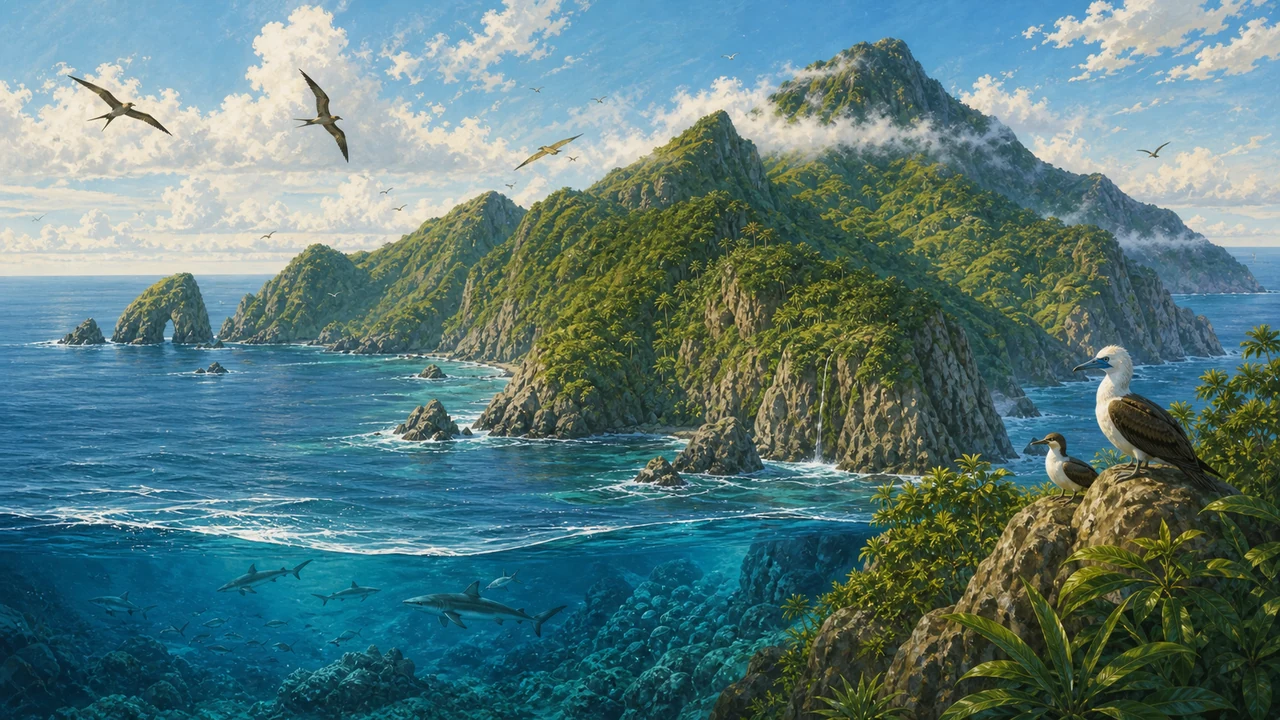 San Lucas Island has held a fascination for people for many years.
The indigenous people used the island as a burial place from around 1,500–800 BC, and jade, gold, stone and clay pieces have been discovered.
The island continues to fascinate. It is a remote and tranquil island, but there are many poignant reminders of the brutal past when the island operated as a prison modelled on Devil’s Island.
It is one of only two islands in the Gulf of Nicoya with natural fresh water, and this has encouraged the biological diversity you can enjoy today. There are a number of troops of Congo (howler) monkeys, as well as deer, raccoons, anteaters and other mammals. There are a number of bats, at least eight different species, many of which live in or close to the old prison buildings.
San Lucas Island at a Glance
This page preserves the original San Lucas Island Wildlife Refuge reference from tourism.co.cr and expands it for travelers researching the island today. Older citations may use the phrase “San Lucas Island wildlife Refuge,” while current visitors will usually hear the destination described as Isla San Lucas National Park. Both names point to the same extraordinary place in the Gulf of Nicoya: a former prison island where Costa Rica now protects dry forest, beaches, historic buildings and wildlife under a managed national park framework.
- Location: Gulf of Nicoya, off the Pacific port city of Puntarenas
- Best access: Guided boat tour from Puntarenas or Paquera
- Known for: Former penal colony, prisoner graffiti, dry forest, beaches and wildlife
- Historic identity: Costa Rica’s most notorious prison island, closed in 1991
- Protected status: Former wildlife refuge, declared a national park in 2020
- Typical visit length: Half-day to full-day island excursion
- Best for: History travelers, wildlife watchers, photographers, cultural tourism and unusual day trips from Puntarenas
For searchers following an old backlink or archived citation, the essential point is simple: the historic San Lucas Island Wildlife Refuge listing is still here, but the island’s story has moved forward. What was once an abandoned prison and wildlife refuge is now a protected park experience where the cultural memory of the prison is interpreted alongside forest recovery and responsible tourism.
A Sacred Island Long Before the Prison
Centuries before the first cell block rose, San Lucas was a place of reverence. The Chara and Chorotega peoples who lived along the shores of the Gulf of Nicoya crossed these waters to lay their dead to rest here, and the burial offerings they left behind — worked jade, gold, polished stone and fired clay — speak of an island that mattered deeply to the cultures of the Pacific coast. To stand on its beaches today is to stand on ground that has been considered special for more than three thousand years.
That long human story gives San Lucas a weight that few other islands in the gulf possess. It was never simply a rock offshore; it was a destination, a threshold between the living and the dead, and later between freedom and confinement. The visitor who arrives expecting only sun and forest soon discovers a layered place where archaeology, tragedy and wild renewal sit side by side.
Costa Rica’s “Devil’s Island”
In 1873 the Costa Rican government turned this quiet island into a penal colony, and for well over a century San Lucas became a name spoken with dread. Modelled on the infamous French prison of Devil’s Island, it was reserved for the country’s most serious offenders, and the isolation that had once made the island sacred now made it a near-perfect prison. The sea was the wall, the current was the guard, and escape was almost unthinkable.
Conditions were severe. Prisoners were crowded into stone cells, discipline was harsh, and the heat, disease and solitude wore men down. The penal colony operated until 1991, and when the last inmates finally left, they left behind a ghostly complex of cell blocks, an administrative building, a small chapel and a cemetery — the architecture of more than a hundred years of punishment, slowly being reclaimed by the forest.
San Lucas entered the world’s imagination largely through one man. The writer José León Sánchez, imprisoned on the island as a young man, transformed his experience into the novel La isla de los hombres solos (“The Island of Lonely Men”), one of the most widely read works ever to come out of Costa Rica. His account of survival, cruelty and human dignity turned San Lucas into a symbol, and many travellers arrive today having first met the island on the page.
The Prisoners’ Graffiti
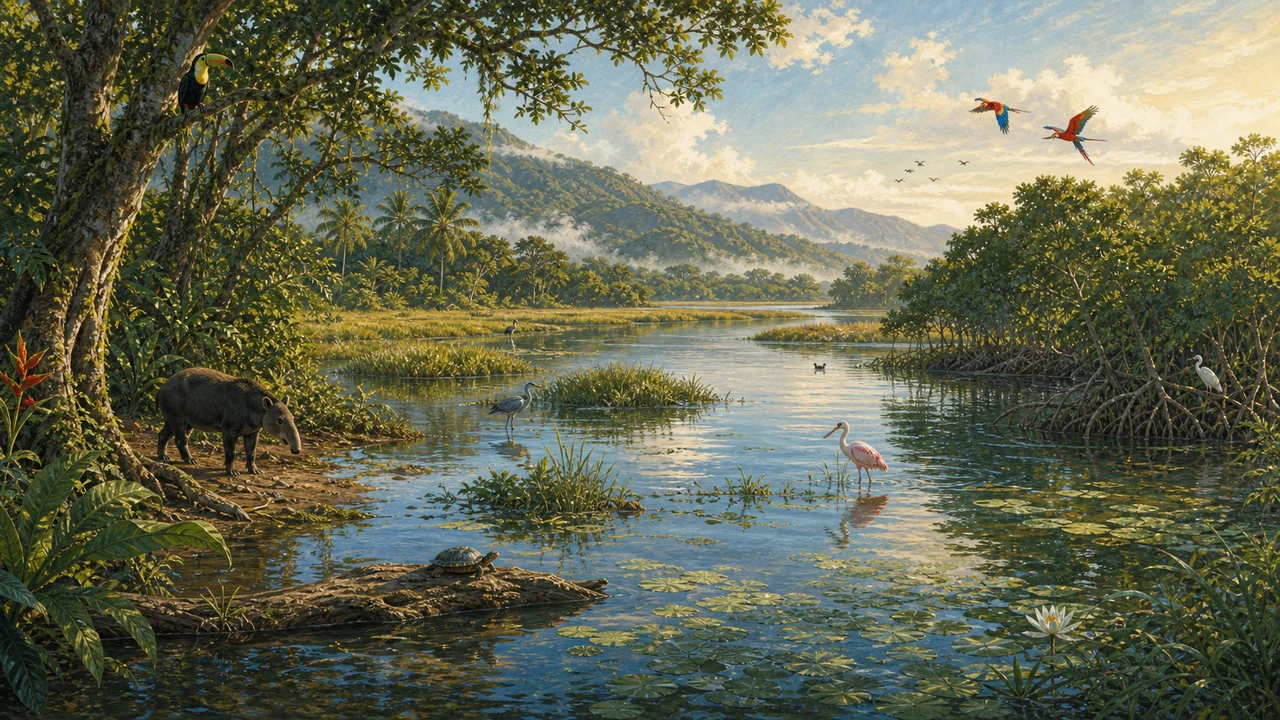 Some of the most moving things to see on San Lucas were never meant for visitors at all. Across the walls of the old cells, generations of inmates left behind drawings, carvings and messages — a vast, unofficial gallery scratched and painted into the plaster. There are ships under full sail, longed-for women, saints and crucifixes, calendars counting down sentences, and the simple act of a name pressed into stone so that someone, someday, would know a person had been there.
This prisoner art is what stays with most people. Where the cells themselves are bleak, the graffiti is intensely human, and a good guide can read the walls like a diary of hope, faith and homesickness. The little chapel and the weathered cemetery complete the picture, reminders that for many men the island was not a sentence but a final destination.
A National Park Reborn
The story of San Lucas did not end when the prison closed. Left to itself, the island began to heal, and the State recognised what was happening by protecting it — first as a wildlife refuge and then, in a landmark decision in 2020, by declaring it Isla San Lucas National Park. That status placed its dry forest, its beaches and even its crumbling prison buildings under the stewardship of Costa Rica’s national park system, SINAC, ensuring that both the natural and the human heritage of the island are cared for together.
It is a fitting second life for a place defined for so long by confinement. The same isolation that once trapped men now shelters wildlife, and the ruins that recall suffering have become an open-air museum of memory. Few protected areas in the country, or anywhere, fold conservation and conscience into one visit so completely.
Tourism Development, Restoration and Responsible Access
Older references to San Lucas Island tourism development usually point to the island’s transition from abandoned penal colony to a managed cultural and natural destination. The important distinction is that San Lucas is not being developed as a conventional resort island. Its value lies in careful access: restored trails, safer visitor areas, interpretive tours, controlled boat arrivals and preservation of the former prison complex rather than large-scale construction.
That balance matters. The prison buildings are fragile, the graffiti is irreplaceable, and the dry forest is home to wildlife that depends on the island’s rare fresh water. Responsible tourism gives Costa Rica a way to fund maintenance, guide training and conservation while keeping the emotional force of the site intact. A good visit should feel more like entering an open-air national monument than consuming a beach attraction.
For travelers, this means the best San Lucas experience is guided, slow and respectful. Ask operators how they handle park rules, waste, group size and historic interpretation. Stay on marked trails, do not touch the graffiti, and treat the prison ruins as cultural heritage. The island is powerful precisely because its history has not been polished smooth.
The Wildlife of San Lucas
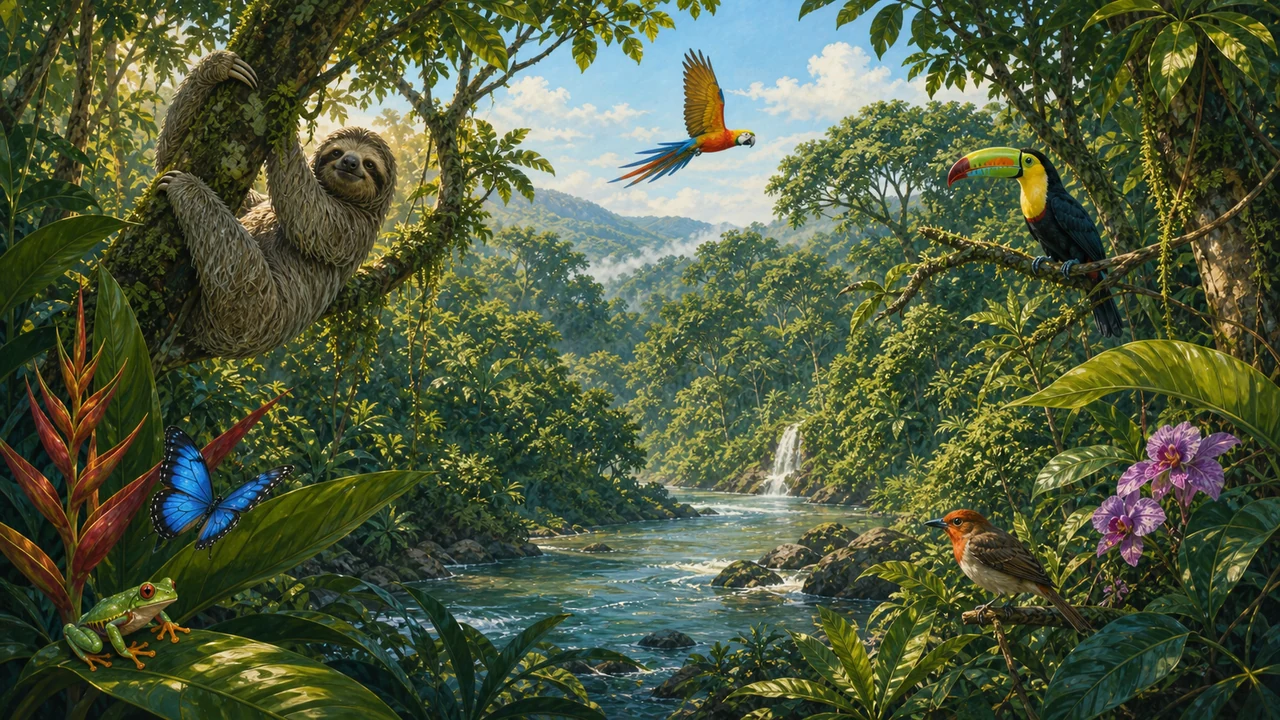 Because San Lucas is one of the very few islands in the gulf with its own natural fresh water, life here is far richer than its small size suggests. Troops of howler monkeys announce the day with their deep, carrying calls, and white-tailed deer move quietly through the dry forest, often surprisingly unbothered by visitors. Raccoons, anteaters and agoutis go about their business along the trails, and at dusk the island’s many bats — at least eight species — pour out of the old prison buildings they have made their own.
There are reptiles and birds in abundance too. Spiny-tailed iguanas bask on the warm ruins, seabirds wheel over the shoreline, and the descendants of peafowl introduced during the prison years still roam among the trees, their cries an eerie echo of the island’s past. Offshore, the warm waters of the gulf bring rays, fish and the occasional dolphin within view of the boat. For wildlife lovers, San Lucas offers the rare pleasure of watching animals thrive in a landscape humans once abandoned.
Beaches, Trails and What to See
A visit usually begins at the old pier, where a path leads up toward the heart of the former colony. From there a network of forest trails loops past the cell blocks, the administrative buildings, the chapel and the cemetery, threading between the ruins and the trees so that history and nature are never more than a step apart. The walking is gentle and shade is plentiful, though the midday heat of the gulf is real.
The island also rewards those who simply want to slow down. Its calm, pale-sand beaches invite a swim after the walk, the water is warm and usually gentle, and the views back across the Gulf of Nicoya toward the mainland are wide and quiet. Bring water shoes and a snorkel if you have them — the rocky edges shelter small fish — and leave time to sit on the sand and feel just how far from everywhere this small island can seem.
How to Get There and Plan Your Visit
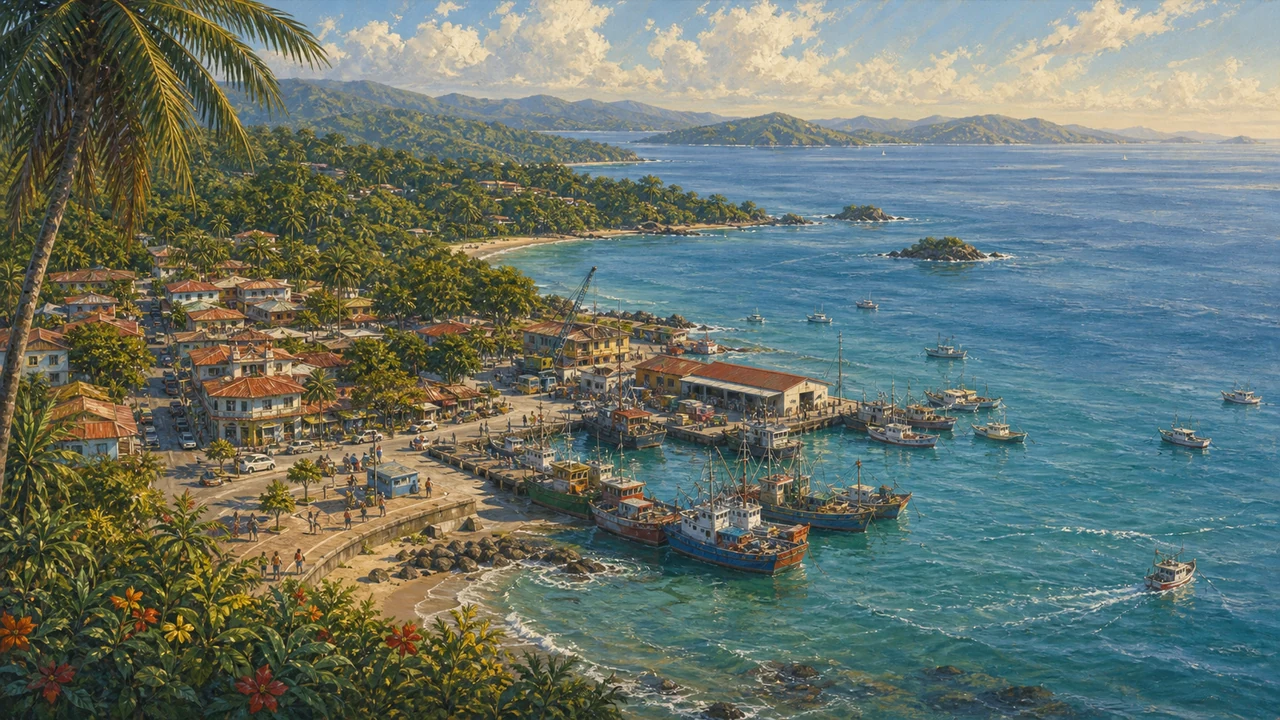 San Lucas sits a short way off Puntarenas, and the city is the usual launching point. Day tours from Puntarenas cross the gulf in roughly 45 minutes to an hour, and most include a naturalist or historical guide, the walk through the prison and forest, beach time and often lunch. Boats also leave from Paquera, and the Puntarenas–Paquera ferry passes close enough to give a sense of the island’s setting. Because there is no scheduled passenger service to the island itself, a guided tour or chartered boat is the practical way to go.
The dry season, from December to April, brings the most reliable weather and the easiest crossings, though the island is rewarding year-round. Wear sturdy shoes for the ruins and trails, bring sun protection, insect repellent and plenty of water, and pack a swimsuit for the beach. A guide is well worth it: the prison walls and the wildlife both come alive in the hands of someone who knows the stories. If you are already exploring Puntarenas or the islands of the Gulf of Nicoya, a day on San Lucas pairs the country’s rare blend of dark history and wild beauty in a way nowhere else in Costa Rica can.
Why San Lucas Belongs on Your Itinerary
Most island day trips promise sun, sea and a little wildlife, and San Lucas delivers all three. What sets it apart is the layer of meaning beneath the beauty. Here the howler monkeys call from trees that shade a former cemetery, the beaches lap against a shore that once marked the edge of a prisoner’s world, and every weathered wall carries a story. It is a place that asks you to feel as well as to look, and that combination of history, conscience and wild renewal is rare anywhere in the world.
For travellers who have already seen the volcanoes and the famous rainforest parks, San Lucas offers something genuinely different — a quieter, stranger, more reflective kind of day out, easily reached from the Pacific port of Puntarenas and unlike anywhere else in the country. It rewards the curious, the history-minded and the wildlife lover in equal measure, and it tends to linger in the memory long after the boat returns to the mainland.
Now you can visit the island and see for yourself the great beauty and the great sadness of this wonderful island — a place that has been, in turn, a sanctuary, a prison and, at last, a protected refuge for the wild. Plan it alongside our guides to Costa Rica’s national parks, the Central Pacific beaches and why Costa Rica rewards the curious traveller.
Frequently asked questions
How do you get to San Lucas Island?
Most visitors reach San Lucas Island on a boat tour from Puntarenas, a short crossing across the Gulf of Nicoya that takes roughly 45 minutes to an hour. Tours also depart from Paquera, and the Puntarenas–Paquera ferry passes close to the island. There is no scheduled passenger service to the island, so a guided tour or chartered boat is the practical way to visit.
Why is San Lucas Island famous?
San Lucas spent more than a century as one of Latin America's harshest penal colonies, often compared to Devil's Island, before closing in 1991. The former inmate José León Sánchez made it world-famous with his novel La isla de los hombres solos (The Island of Lonely Men). Today the ruined cells, prisoner graffiti and returning wildlife make it one of Costa Rica's most unusual destinations.
Is San Lucas Island a national park?
Yes. Long protected as a wildlife refuge, the island was declared Isla San Lucas National Park in 2020, placing its forests, beaches and historic prison buildings under the care of Costa Rica's national park system (SINAC).
What animals live on San Lucas Island?
The island shelters troops of howler monkeys, white-tailed deer, raccoons, anteaters, agoutis and several species of bats, along with iguanas, seabirds and the descendants of peafowl introduced during the prison era. Its rare natural fresh water helps sustain this biodiversity.
How long do you need to visit San Lucas Island?
A half-day to full-day trip is typical. Day tours from Puntarenas usually include the boat crossing, a guided walk through the prison ruins and forest trails, time on the beach, and often lunch — enough to take in both the history and the wildlife at an unhurried pace.
Can visitors tour the former San Lucas prison buildings?
Yes, guided tours typically include the former cell blocks, chapel, cemetery, administrative buildings and prisoner graffiti areas. Access can vary while restoration or conservation work is underway, so visitors should go with an authorized guide and respect closed sections.
Is this the original San Lucas Island Wildlife Refuge guide?
This page preserves the historic tourism.co.cr San Lucas Island Wildlife Refuge listing while expanding it into a current guide to the island's national park status, former prison, wildlife, tours from Puntarenas and responsible visitor access.