Costa Rica's Northern Plains: Arenal, Sarapiquí & Beyond
Costa Rica’s northern plains — the Llanuras del Norte — stretch across a vast lowland canvas of rain-soaked rainforest, volcanic peaks, wild rivers, and working farmland that most visitors never fully explore. Anchored in the west by the iconic cone of Arenal Volcano and spreading eastward through the wetlands of Caño Negro and the river jungles of Sarapiquí, this region rewards travelers with extraordinary wildlife, genuine adventure, and a pace of life far removed from the resort circuit.
Arenal and La Fortuna: The Volcanic Heart
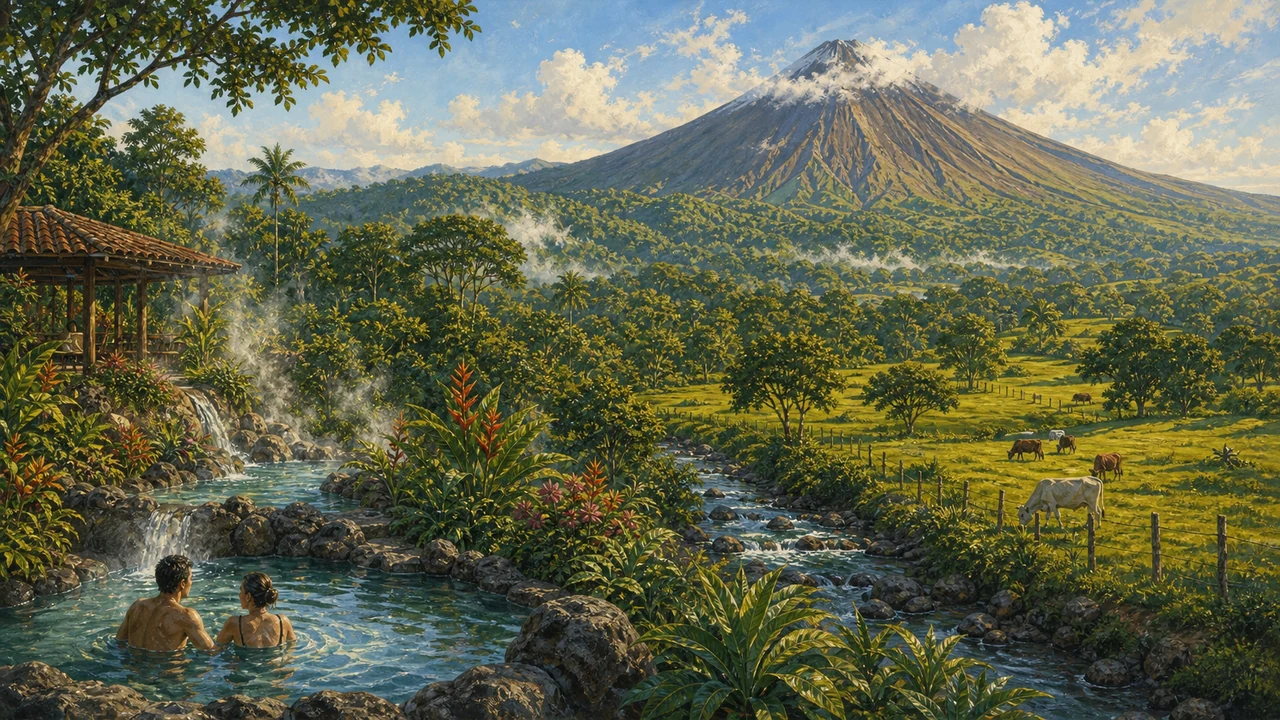 The town of La Fortuna de San Carlos sits at the foot of Arenal Volcano and functions as the main gateway to the northern plains. The volcano itself — one of the most photogenic in the Americas — rises to around 1,670 meters and is surrounded by a national park that protects dense tropical forest teeming with monkeys, toucans, and resplendent quetzals. On clear mornings the perfect cone reflects in the surface of Lake Arenal, providing one of Costa Rica’s signature views.
La Fortuna has grown into a well-organized adventure hub with a full range of lodging and tour operators. Soaking in La Fortuna’s natural hot springs is a must: geothermal waters heated by volcanic activity feed several hot-spring complexes along the road toward the volcano, ranging from rustic pools surrounded by jungle to polished resort facilities. After a day hiking or rafting, there are few more satisfying ways to end the evening.
The adventure activities in the Arenal region are among the most concentrated in the country. Zip-line canopy tours cut through the forest canopy, canyoning routes drop through volcanic rock, and kayaking on Lake Arenal takes you across one of Central America’s largest artificial lakes with volcano views throughout. Windsurfers and kitesurfers are drawn to the consistent winds that funnel through the lake corridor, making Arenal a year-round destination for wind sports as well.
Caño Negro: Wetlands and Wildlife
 About two hours north of La Fortuna, close to the Nicaraguan border, the Caño Negro Wildlife Refuge protects some of Central America’s most important freshwater wetlands. The Río Frío feeds an expansive seasonal lagoon that swells in the wet season and concentrates extraordinary concentrations of wildlife as water levels drop. This is one of the premier birdwatching destinations in the northern lowlands of Costa Rica: jabiru storks — the largest flying bird in the Americas — nest here, alongside roseate spoonbills, anhingas, herons, kingfishers, and an abundance of migratory species.
Boat tours on the Río Frío are the classic way to experience Caño Negro. Drift quietly along forested banks and you are almost guaranteed to spot caimans basking on logs, river otters threading through the shallows, and several species of monkey in the canopy above. The refuge also shelters tapirs, although these shy animals are rarely seen. For birders willing to make the journey, boat birding on the Río Frío at Caño Negro can easily clock 100-plus species in a single morning.
The small village of Los Chiles, near the refuge entrance, provides basic services and guesthouses for visitors who want to overnight and catch the early-morning wildlife activity before the heat of the day.
Sarapiquí: Rivers, Rainforest, and Research
 The Sarapiquí river corridor occupies the eastern edge of the northern plains, where the foothills of the central volcanic range give way to continuous lowland rainforest. Puerto Viejo de Sarapiquí, the region’s main town, sits at the confluence of the Sarapiquí and Puerto Viejo rivers and serves as a base for some of Costa Rica’s best ecotourism & nature experiences.
The Sarapiquí River itself is a destination. Whitewater rafting and kayaking on the Sarapiquí River run through class II–IV rapids flanked by primary forest, with monkeys and kingfishers often visible from the water. Downstream, the river widens and slows, opening up to boat-based wildlife tours similar in character to Caño Negro. Caimans, poison-dart frogs, and dozens of bird species inhabit the riverbanks year-round.
Sarapiquí also hosts several internationally recognized nature research stations and private reserves. The CATIE botanical garden and research center, while technically in Turrialba, reflects the scientific legacy of this zone. Private lodges in the Sarapiquí area frequently work with visiting biologists and offer guests a genuine window into ongoing conservation work — a draw for travelers interested in science-based responsible travel rather than simply ticking off sights.
Boca Tapada and the Remote Northeast
Fewer visitors make it to Boca Tapada, a small community near the San Juan River on the Nicaraguan border, but those who do find one of the least-disturbed rainforest landscapes remaining in lowland Costa Rica. Several eco-lodges in the area offer guided night walks, canoe trips through flooded forest, and rare wildlife encounters in Costa Rica’s northeastern frontier — including the possibility of sighting tapirs, great green macaws, and the elusive manatee in the San Juan watershed. This corner of the northern plains appeals most to dedicated naturalists prepared for basic conditions and genuine remoteness.
Agriculture and the Living Landscape
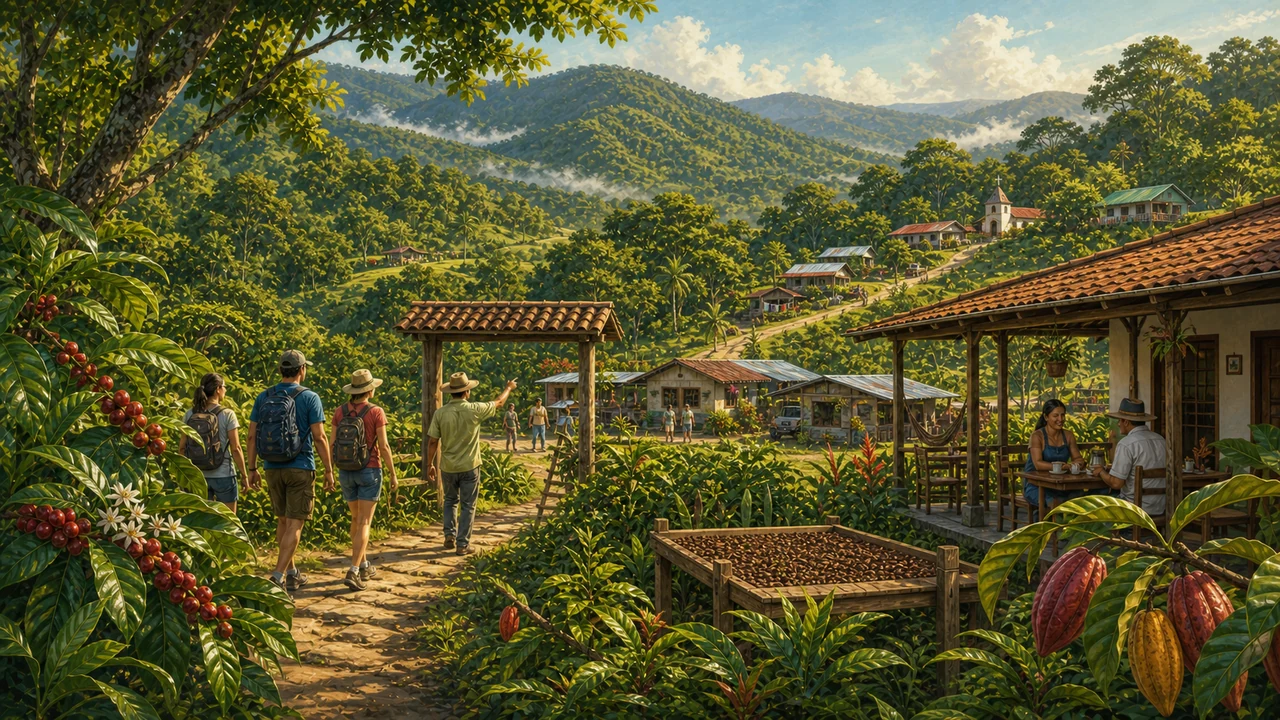 The northern plains are not purely wilderness — they are also one of Costa Rica’s most productive agricultural zones, and the landscape reflects that. The Guatuso and San Carlos plains support extensive pineapple plantations that supply a large share of Costa Rica’s pineapple exports, as well as rice cultivation, dairy farming, and cattle ranching on the fertile soils fed by the region’s rivers. Driving through this countryside, you pass through a patchwork of plantation rows, small farm towns, and patches of secondary forest regenerating on land that was once cleared.
This agricultural reality is part of what makes the northern plains distinct from the more manicured tourism corridors elsewhere in the country. Community-based rural tourism initiatives in the San Carlos and Sarapiquí areas let visitors participate in farm activities, learn about sustainable agriculture alongside biodiversity conservation, and connect with the Tico families who make their lives in this often-overlooked region. It is an authentic complement to the wildlife and adventure experiences that draw most travelers here.
Getting Around and Planning Your Visit
The northern plains are most practical to explore by rental car. Roads from San José via Ciudad Quesada (Quesada/San Carlos) reach La Fortuna in three to four hours; the route through Braulio Carrillo National Park links the capital to Sarapiquí in about two hours through spectacular cloud forest scenery. Domestic flights from Tobías Bolaños airport (SYQ, Pavas) to Ciudad Quesada shorten the La Fortuna approach.
Rainfall is a constant in the northern lowlands — the region receives precipitation year-round, particularly east of the Tilarán range. Pack accordingly: rain gear, waterproof bags for camera equipment, and rubber boots (often provided by lodges) are all useful. The reward for embracing the wet is lush green landscapes, full rivers, and wildlife that remains active regardless of season.
For broader trip context, review Costa Rica travel tips before you go, and consider how the northern plains fit into a wider itinerary that might include national parks, the Caribbean coast, or the activities and sports available elsewhere in the country. The northern plains are frequently paired with a Pacific beach stay as part of a classic two-week Costa Rica loop — the contrast between volcanic jungle and ocean shore is one of this small country’s great travel pleasures.
Frequently asked questions
What is the best base for exploring Costa Rica's northern plains?
La Fortuna de San Carlos is the main hub. It sits at the base of Arenal Volcano and gives you easy access to hot springs, the lake, Caño Negro, and the Sarapiquí river corridor all within a few hours' drive.
When is the best time to visit the Llanuras del Norte?
The northern plains receive rain year-round, but the dry season (December–April) brings clearer skies and better views of Arenal Volcano. Wildlife watching at Caño Negro peaks in the dry months when lower water levels concentrate animals around the lagoon.
What wildlife can I see in the Caño Negro Wildlife Refuge?
Caño Negro is famous for jabiru storks, roseate spoonbills, anhingas, caimans, river otters, and howler monkeys. During migration it draws large concentrations of waterfowl, making it one of Central America's top birding destinations.
Is whitewater rafting possible in the Sarapiquí area?
Yes. The Sarapiquí River offers Class II–IV rapids depending on the section and season, ranging from family-friendly floats to more technical runs. Puerto Viejo de Sarapiquí is the main staging point for river trips.
How far is the northern plains region from San José?
La Fortuna is roughly 3–4 hours from San José by road. Puerto Viejo de Sarapiquí is about 2 hours via the scenic Braulio Carrillo route. Domestic flights to Ciudad Quesada (San Carlos) shorten the journey considerably.