Hot Air Ballooning in Costa Rica — Arenal, Guanacaste & More
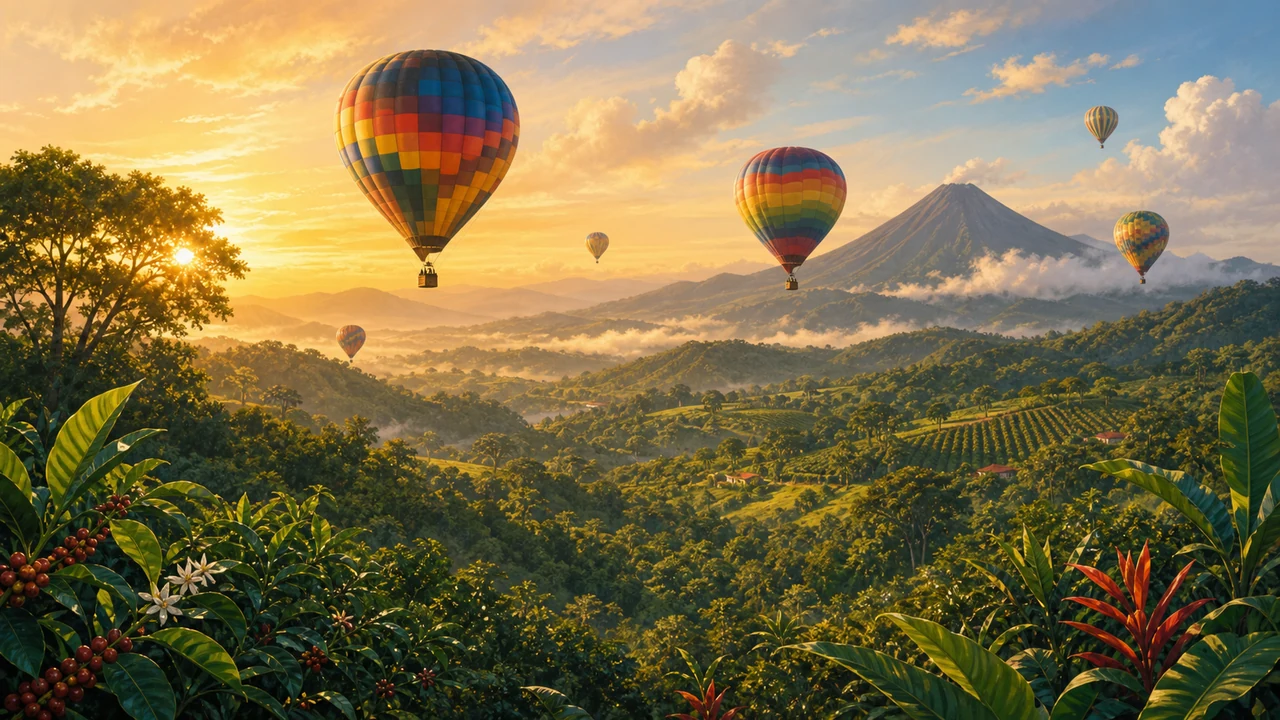
Hot air ballooning in Costa Rica is one of the few ways to truly absorb the country’s scale — drifting silently over unbroken rainforest canopy, catching the first light on a smoking volcano, or watching a Pacific sunrise paint Guanacaste’s savannahs gold. It is an unhurried counterpoint to the ziplining and whitewater adventures that define most Costa Rica itineraries, and the perspective it offers is genuinely unlike anything you can find on the ground.
Balloon flights here are typically conducted at dawn, when the air is calm and the light is soft. You rise with the warmth of the burner, guided by the wind rather than steered against it, and the silence between burner blasts is complete. Wildlife encounters are common — howler monkeys rarely register a balloon as a threat, and the treetop view of a sleeping troop is not something easily forgotten.
Where to Go Ballooning in Costa Rica
Costa Rica’s three main ballooning regions each offer a distinct flavor.
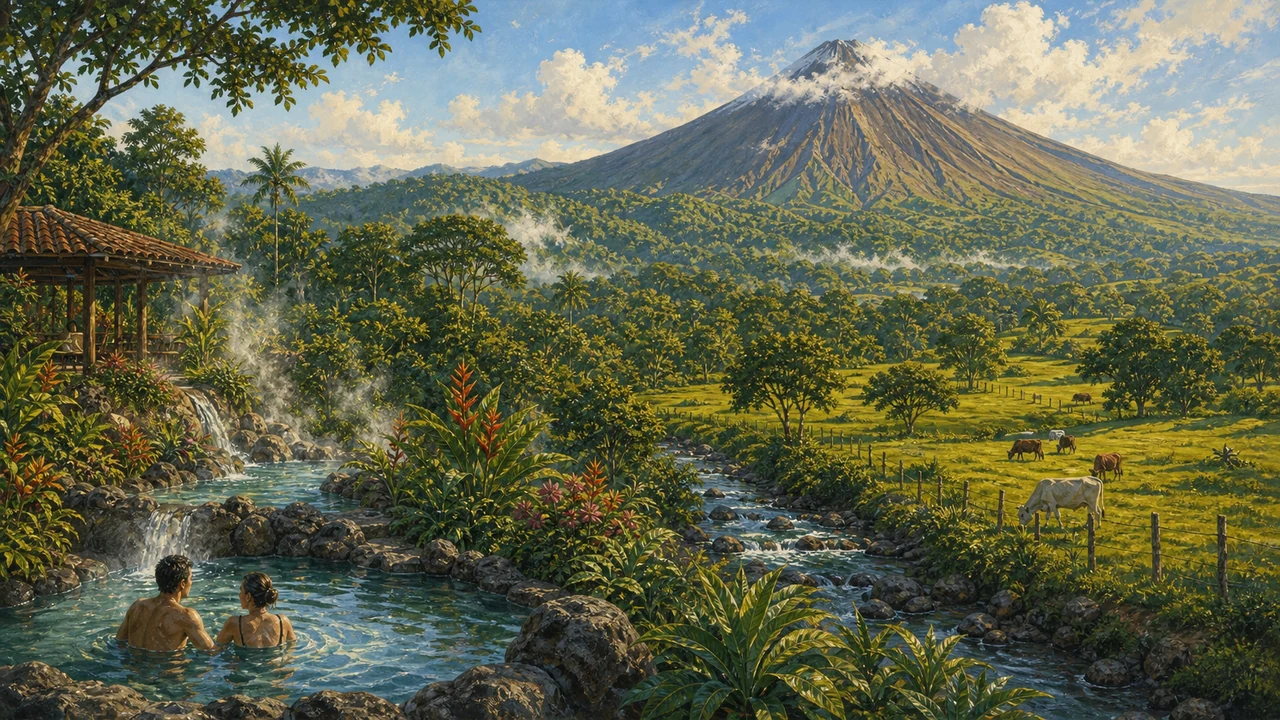
Arenal / La Fortuna is the most dramatic setting. Arenal Volcano — one of the most active volcanoes in the Western Hemisphere for much of the late 20th century and still geothermally lively today — looms over Lake Arenal and a mosaic of cloud forest, cattle pasture, and secondary growth. A hot air balloon ride over Arenal Volcano puts you at eye level with its cone on clear mornings, and the surrounding rainforest is dense enough that wildlife sightings are almost guaranteed. The adventure activities in the Arenal region are some of the most concentrated in the country, and many visitors combine a balloon flight with an afternoon at the volcanic hot springs below.
Turrialba Valley sits in Cartago province, east of San José, where the Central Valley funnels into the Caribbean lowlands. The elevation here means cooler temperatures and a patchwork of coffee farms, river valleys, and secondary forest visible from the basket. The Turrialba Volcano itself occasionally vents in the distance, adding a backdrop that is hard to match. This region is less visited by international tourists than Arenal, which makes the experience feel more intimate.
Guanacaste appeals to those who want wide-open views rather than dense jungle. The province’s dry tropical forests, cattle ranches, and proximity to the Pacific coast create a very different visual experience — more horizon, more sky, and during the dry season, extraordinary golden light. Flights here often lift off from the lowlands near Liberia or the Gulf of Papagayo corridor, areas well served by the Daniel Oduber International Airport (LIR) in Liberia, making Guanacaste the easiest entry point for a balloon-focused trip if you are arriving directly from North America.
What You See from the Basket
The view changes completely depending on the region and season, but a few things are consistent across Costa Rica balloon flights.
- Canopy wildlife: Howler monkeys, white-faced capuchins, and toucans are commonly spotted from balloon altitude. The birds in particular are remarkable — you may find yourself level with a resplendent quetzal or watching great green macaws cross from one forest fragment to another.
- Volcanic topography: Even flights not directly over an active cone reveal the layered geology of the country — lava fields, crater lakes, and the ridgelines of the Costa Rica volcanoes corridor.
- Coffee and agricultural patchwork: In the Turrialba and Central Valley zones, the geometric rows of Costa Rica coffee plantations visible from altitude tell the story of the country’s agricultural heartland.
- Coastline (Guanacaste): On exceptionally clear mornings, Pacific balloon flights can extend views to the coastline and the Nicoya Peninsula — one of the world’s recognized Blue Zones — stretching south below you.
The Best Season for Balloon Flights
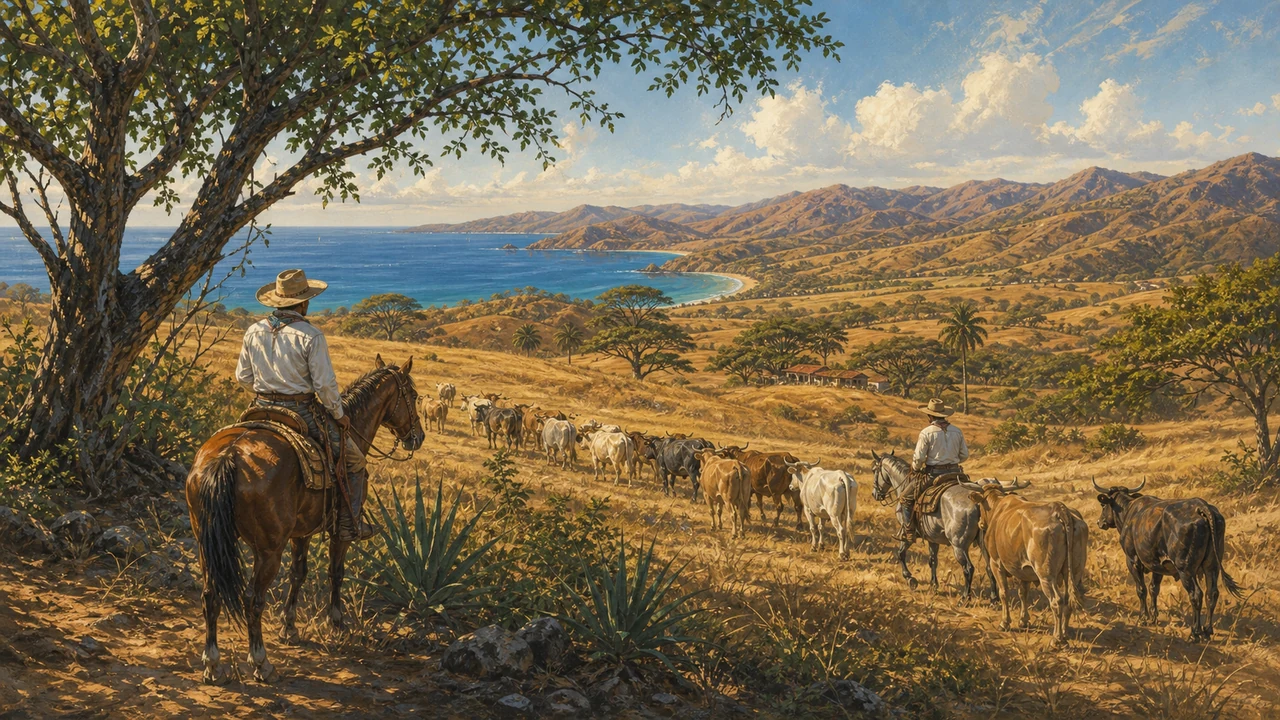
The dry season from December through April is widely considered the best window for hot air ballooning across Costa Rica. Morning winds are lighter, visibility is greater, and the probability of a flight being scrubbed by weather is significantly lower than in the rainy season. Guanacaste sees the most consistent dry-season conditions in the country, making it reliable even late in the season when other regions are starting to see afternoon showers.
That said, Costa Rica’s early morning balloon flights in the transition months of November and May can be spectacular. The landscape is lush after the rains, waterfalls are at full flow, and the cloud formations at dawn can be extraordinary. Experienced pilots read conditions carefully, and many operations have high completion rates even outside peak season.
The rainy season (May through November) does not eliminate ballooning entirely, but flights become more weather-dependent and are more likely to be rescheduled. If your visit falls in those months, build flexibility into your itinerary.
Planning Your Flight
Most hot air balloon tour operators in Costa Rica run small-group flights of four to eight passengers per basket, launched before sunrise and landing by mid-morning. Booking in advance is essential, especially during the December-to-April peak season when demand is highest. Operators typically offer a free rescheduling policy if weather forces a cancellation.
The La Fortuna/Arenal corridor has the widest selection of operators, and many lodges in the area can arrange bookings directly. For Guanacaste, operators near Liberia or within the Papagayo resort zone are the most accessible. Independent travelers should confirm that any operator holds current permits from the Costa Rican aviation authority and carries appropriate liability coverage.
A few practical notes:
- Weight limits apply: Most baskets have per-passenger weight limits (typically around 100 kg / 220 lbs); confirm with your operator before booking.
- Children: Minimum age requirements vary by operator; most require children to be at least eight years old and tall enough to see over the basket rim.
- Photography: Mornings produce the best light; bring a wide-angle lens if you want to capture both the balloon envelope above you and the landscape below.
Combining Ballooning with the Rest of Your Itinerary
A balloon flight pairs naturally with other activities in the same region. In Arenal, consider combining it with a whitewater rafting trip on the Balsa River, a hike to the lava fields, or an evening soak in the volcanic hot springs. In Guanacaste, a morning flight can be followed by an afternoon at one of the Costa Rica beaches along the North Pacific coast, or a boat tour of the Papagayo Gulf.
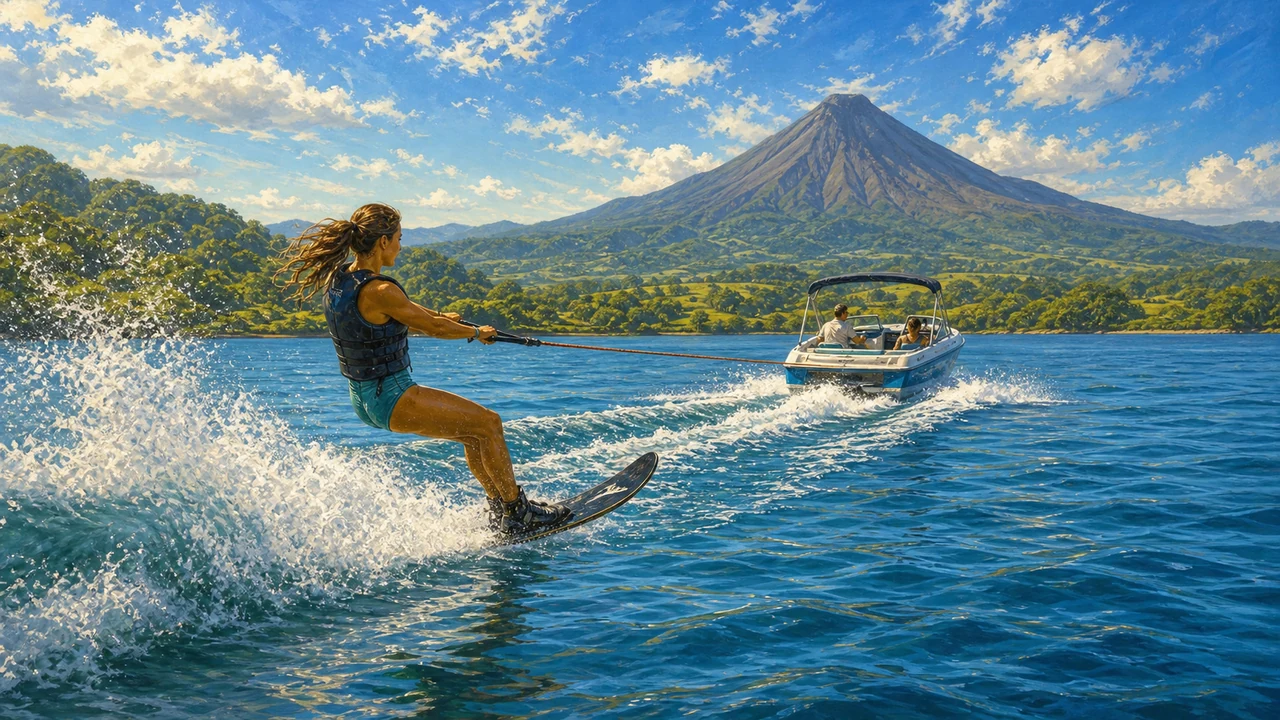
For visitors building a broader adventure-focused trip, the full range of Costa Rica activities and sports extends from surfing and diving to birdwatching and horseback riding — a balloon flight adds a uniquely calm, panoramic perspective that complements everything else the country offers. Before finalizing plans, the Costa Rica travel tips page covers practical logistics for getting around between regions.
Frequently asked questions
Where can you go hot air ballooning in Costa Rica?
The most established launch sites are in the Arenal/La Fortuna area, the Turrialba Valley in Cartago province, and the dry lowlands of Guanacaste near the Gulf of Papagayo. Each region offers a dramatically different landscape from the air.
What is the best time of year for a balloon flight in Costa Rica?
The dry season — roughly December through April — gives the most reliable weather windows, with calm mornings, clear skies, and stable wind patterns. The Guanacaste region has the longest dry season, making it a strong option during those months.
How long does a typical balloon flight last?
Most flights are one to one-and-a-half hours in the air, but the full experience — briefing, inflation, flight, and a post-landing celebration — typically takes three to four hours from start to finish.
Is hot air ballooning in Costa Rica safe?
Reputable operators use certified pilots and meet international aviation safety standards. Flights are weather-dependent and are rescheduled if conditions are unsafe. Always book with a licensed operator and confirm they hold the proper permits from the Costa Rican Civil Aviation Authority.
What should I wear or bring on a balloon ride?
Dress in comfortable layers — mornings at altitude can be surprisingly cool. Closed-toe shoes are required in most baskets. Bring a camera or phone for photos, sunscreen, and a light jacket. Leave bulky bags behind; basket space is limited.