Costa Rica Accommodations: Where to Stay
Costa Rica accommodations span an extraordinary range — from intimate jungle eco-lodges where toucans wake you at dawn to polished Pacific coast resorts with infinity pools overlooking the ocean. Whether you are traveling solo, as a couple, with family, or organizing an incentive group, the country has a place to stay that fits.
Eco-Lodges: The Costa Rica Classic
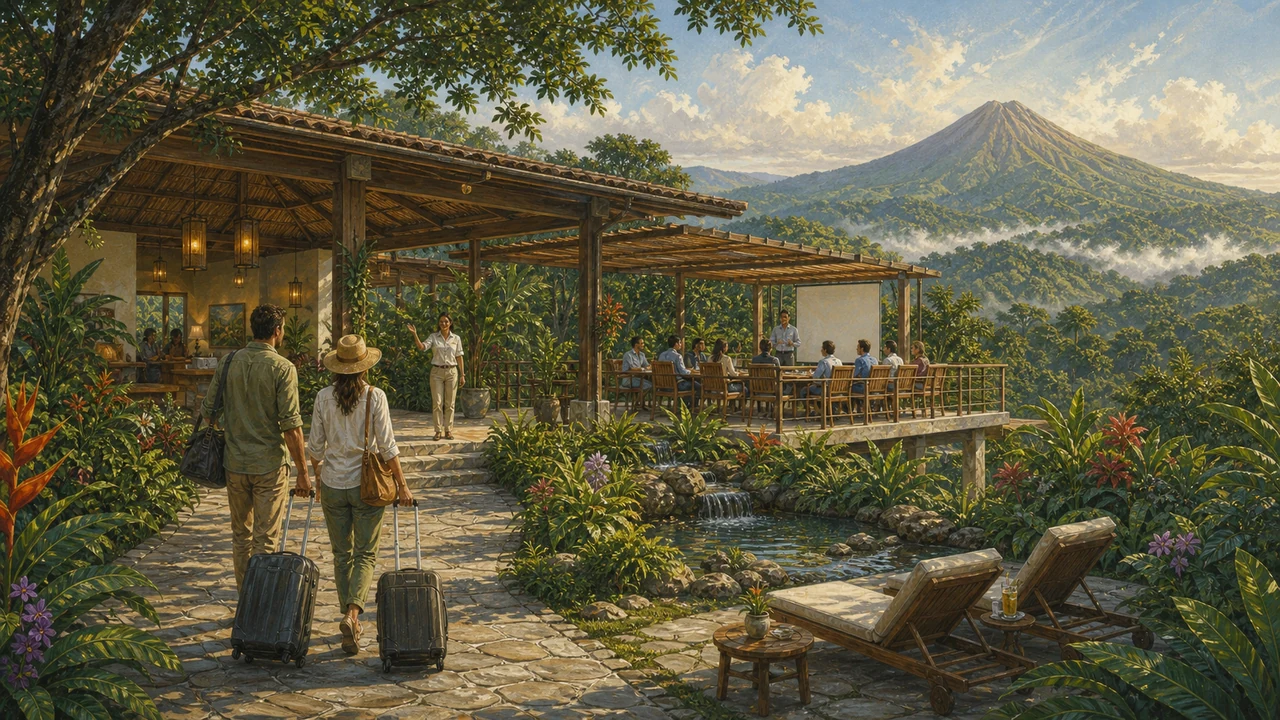 Costa Rica pioneered eco-lodge tourism in Latin America, and the category remains the most distinctive accommodation type in the country. These properties — typically under 50 rooms — are built within or on the edge of rainforests, cloud forests, and national parks, often using sustainable materials and off-grid energy sources.
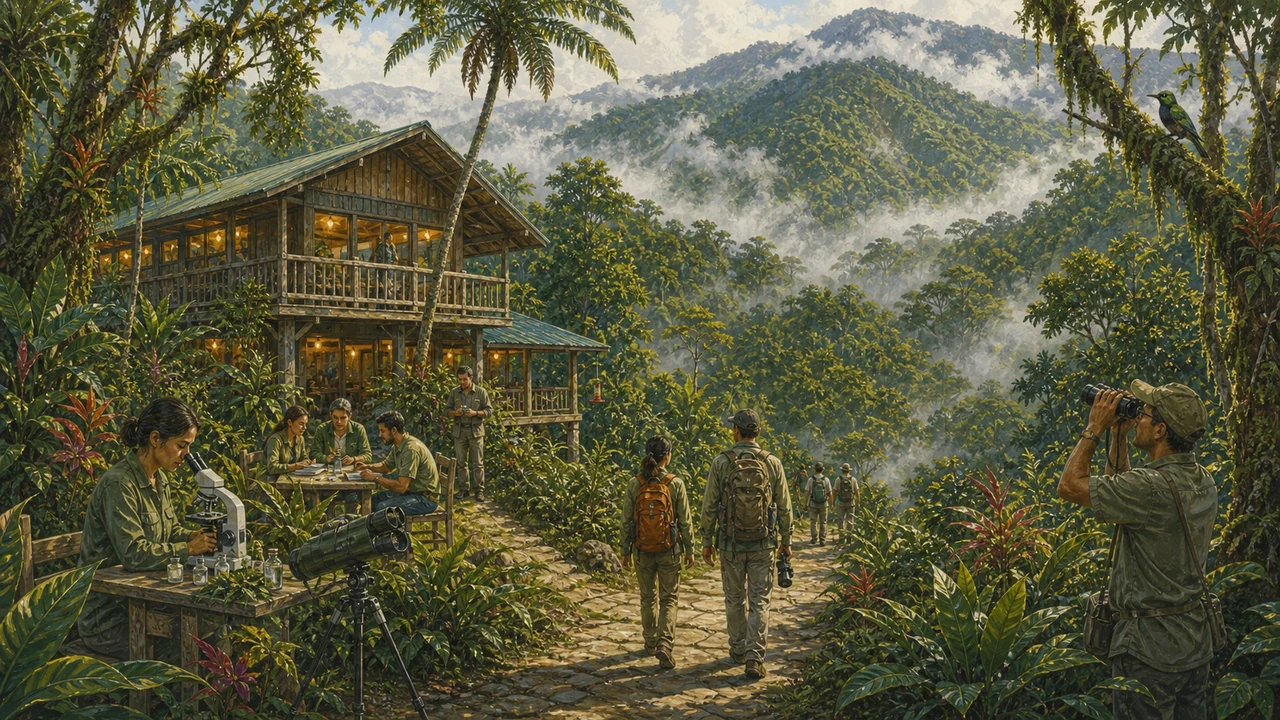
What sets a true eco-lodge apart is access: trails to primary forest, resident naturalist guides, night walks, bird lists that read like field guides, and wildlife sightings from your private deck. Zones like the Osa Peninsula (Corcovado), Tortuguero on the Caribbean coast, and the cloud forests around Monteverde are home to some of the most acclaimed eco-lodges in the world.
Rates at eco-lodges range from modest to very high — the most secluded properties command premium prices partly because of logistical remoteness. Meals are often included or available on-site, since the nearest town can be a long drive away.
All-Inclusive Resorts and Large Hotels
 The Guanacaste province on the North Pacific coast is the heartland of Costa Rica’s resort sector. The Gulf of Papagayo area, accessible via Daniel Oduber International Airport (LIR) in Liberia, hosts several large international-brand resorts with hundreds of rooms, multiple restaurants, spa facilities, and direct beach access.
All-inclusive packages appeal to travelers who want a predictable, hassle-free experience — meals, drinks, and non-motorized water sports bundled into a single rate. They are also popular with incentive groups of 200 or more people who need large event spaces, banquet halls, and coordinated activities under one roof.
Beyond Guanacaste, the Central Pacific (Jacó, Los Sueños, Quepos/Manuel Antonio) offers a mix of large hotels and smaller boutique resorts with full amenities and easy access to activities and sports like surfing, sportfishing, and canopy tours.
Boutique Hotels and B&Bs
Costa Rica’s boutique hotel scene is one of the strongest in Central America. Many properties are owner-operated, architecturally distinctive, and located in settings that a chain hotel would never occupy — hillside coffee farms above the Central Valley, converted colonial homes in downtown San José, cliffside villas above the Nicoya Peninsula.
Boutique hotels typically have 10–40 rooms, personalized service, and a strong sense of place. Breakfast is commonly included. These properties suit couples, design-conscious travelers, and anyone who wants character over corporate uniformity. They are also increasingly common in wine-and-dine neighborhoods of San José and in artisan-focused towns like Monteverde and La Fortuna.
Certified B&Bs — often family-run — dot virtually every tourist corridor. The Costa Rica Tourism Board (ICT) certification system rates properties on sustainability, service, and amenities, so looking for certified properties is a useful filter.
Vacation Rentals and Private Villas
 Private vacation rentals have grown significantly in Costa Rica, particularly in the popular coastal zones: the Nicoya Peninsula (Tamarindo, Nosara, Santa Teresa), Manuel Antonio, the Southern Caribbean (Puerto Viejo), and the Arenal Volcano region. Fully equipped houses and villas are well-suited to families, groups of friends, or longer stays where having a kitchen and laundry matters.
Many vacation rentals offer private pools, outdoor kitchens, and direct beach or forest access. Rental platforms widely used in North America and Europe operate extensively in Costa Rica, but local property management companies often have local-knowledge advantages — particularly for remote properties where self-check-in can be complicated.
A practical note: if you are staying in a remote rental, confirm road conditions (some areas require 4WD, especially in the rainy season) and proximity to restaurants or supermarkets before you book.
Hostels and Budget Accommodations
Budget travelers are well served throughout Costa Rica. A hostel network anchors every major backpacker hub: San José, La Fortuna, Monteverde, Montezuma, Puerto Viejo de Talamanca, and the Jacó beach strip all have multiple well-rated options. Most offer both dorm beds and private rooms, making them flexible for solo travelers and couples who want social atmosphere without full resort prices.
 Beyond hostels, many small cabinas (basic guesthouses) offer affordable private rooms with cold-water showers and shared common areas. In rural and farming communities, community-run lodges and agro-tourism stays are a distinctive alternative — these are often part of cooperative networks that distribute income directly into local families.
Choosing by Region and Traveler Type
Where you stay in Costa Rica matters as much as what kind of property you choose. A quick guide by region:
- San José and Central Valley — best base for business travelers, medical tourism, and arrival/departure days; wide range from budget hostels to international chain hotels and boutique gems
- Arenal Volcano / La Fortuna — ideal for adventure travelers and families; hot springs, zip lines, whitewater rafting; eco-lodges and mid-range hotels dominate
- Monteverde / Cloud Forest — top choice for nature lovers and birdwatchers; mostly eco-lodges and small boutique hotels; misty, cool climate
- Guanacaste — beach and resort territory; best for sun seekers, golfers, and incentive groups; dry season runs December through April
- Central Pacific (Manuel Antonio, Jacó) — family-friendly; mix of resorts and boutique hotels; good road access from San José
- Caribbean Coast (Puerto Viejo, Cahuita) — Afro-Caribbean culture, lush rainforest, laid-back pace; smaller lodges and rental homes prevail
- Osa Peninsula / South Pacific — most remote and wildlife-rich area; premium eco-lodges; requires planning but offers unmatched wilderness immersion
For deeper background on regions and what draws visitors, see why visit Costa Rica and the guide to ecotourism and nature.
Practical Tips Before You Book
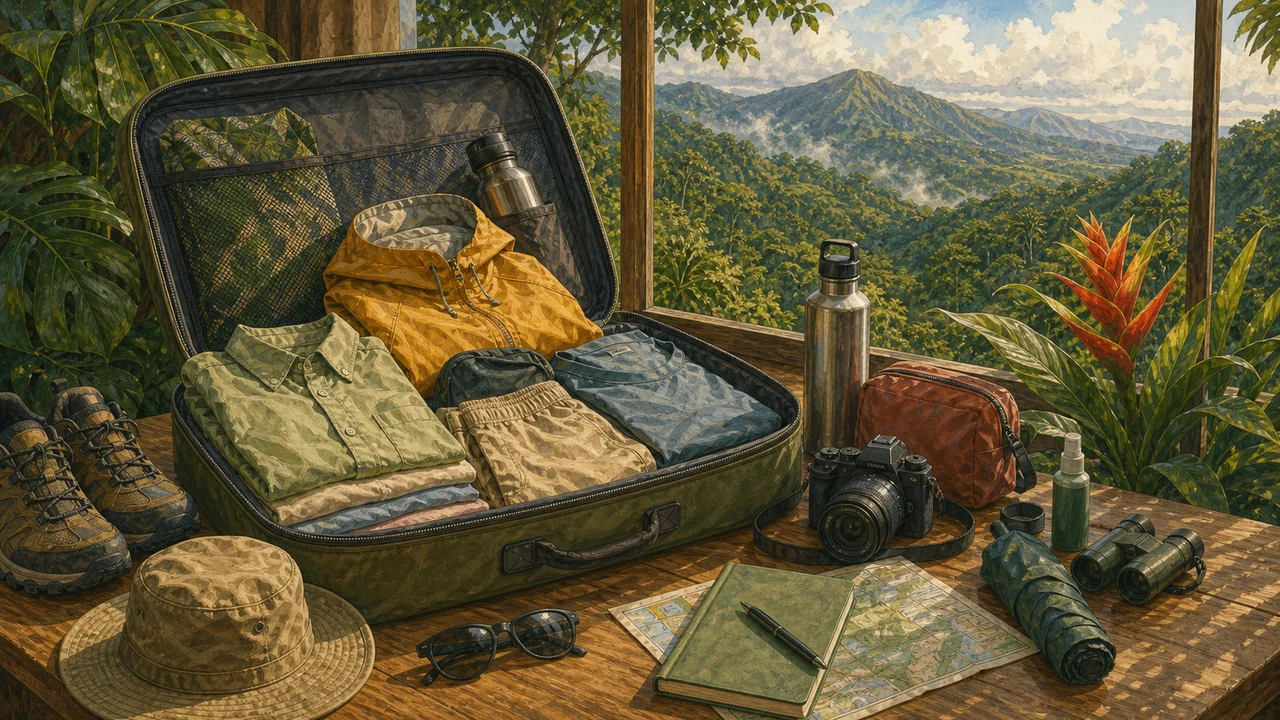 - High season (December–April): book popular eco-lodges and boutique hotels well in advance; prices are highest in January and February
- Green season (May–November): lower rates, lush landscapes, fewer crowds — excellent value for flexible travelers
- Road access: ask your property about road conditions; many remote lodges require high-clearance or 4WD vehicles, especially after heavy rain
- Check sustainability certification: the ICT’s Certification for Sustainable Tourism (CST) program rates properties on a 1–5 leaf scale — certified properties tend to be well-managed and genuinely committed to conservation
- Currency: the Costa Rican colón (CRC) is the local currency; USD is widely accepted at hotels and resorts. Major cards are accepted at most established properties; carry cash for rural areas and smaller B&Bs
Frequently asked questions
What types of accommodation are most popular in Costa Rica?
Eco-lodges are the signature Costa Rica experience — small, nature-immersed properties often inside or bordering national parks. All-inclusive beach resorts are popular in Guanacaste. Boutique hotels, B&Bs, and vacation rentals are widely available across all regions.
Is it better to stay in an eco-lodge or a resort in Costa Rica?
It depends on your priorities. Eco-lodges put you closest to wildlife and rainforest but typically offer fewer amenities. Resorts along the Pacific coast offer pools, restaurants, and organized tours. Many travelers combine both — a few nights in the forest, then a few nights at the beach.
Which region of Costa Rica has the best accommodations for families?
The Central Pacific coast (Manuel Antonio area) and Guanacaste both offer a strong mix of family-friendly resorts, wildlife access, and easy transport. The Arenal Volcano area is also excellent for families, with hot springs, zip lines, and moderate hikes nearby.
Are hostels a good option in Costa Rica?
Yes. Costa Rica has a well-developed hostel network in San José, La Fortuna, Monteverde, Puerto Viejo, and other traveler hubs. Many are social, clean, and well-run. They are ideal for budget solo travelers or backpackers who want to meet other visitors.
Do I need to book accommodations in advance in Costa Rica?
During the high season (December through April) and around holidays, popular eco-lodges and boutique hotels fill up quickly. Booking several weeks or months ahead is strongly recommended. The green season (May–November) offers more availability and often better rates.